
Free in-home measure and quote - PGT, CGI and CWS impact lines compared on your actual openings, style by style
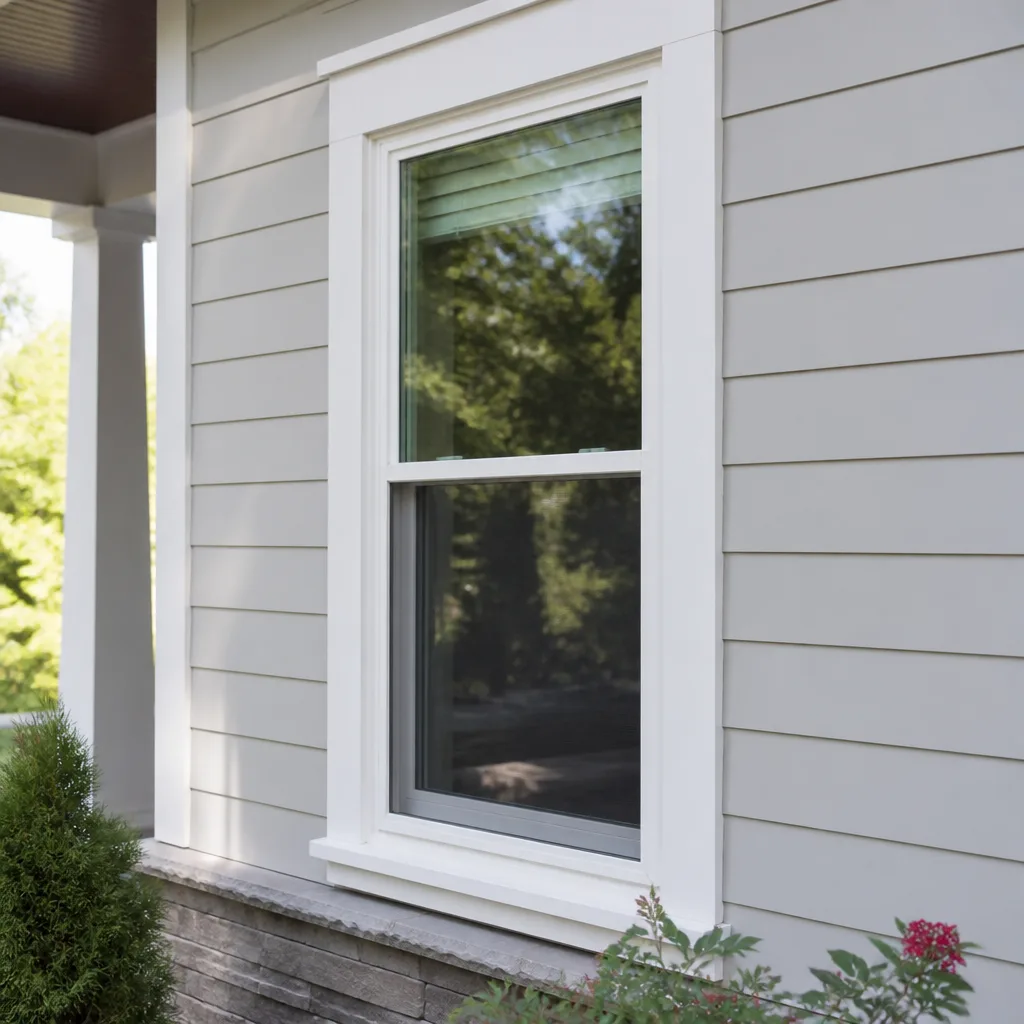
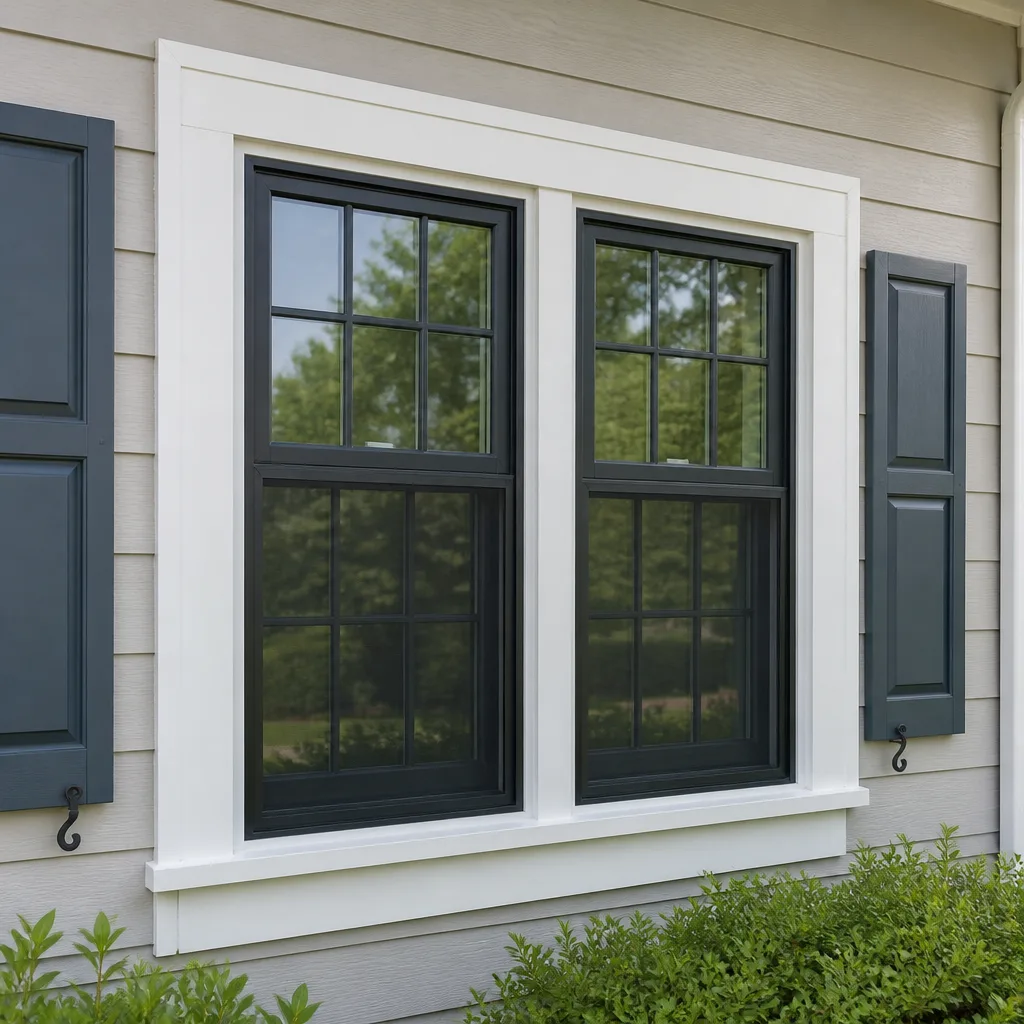
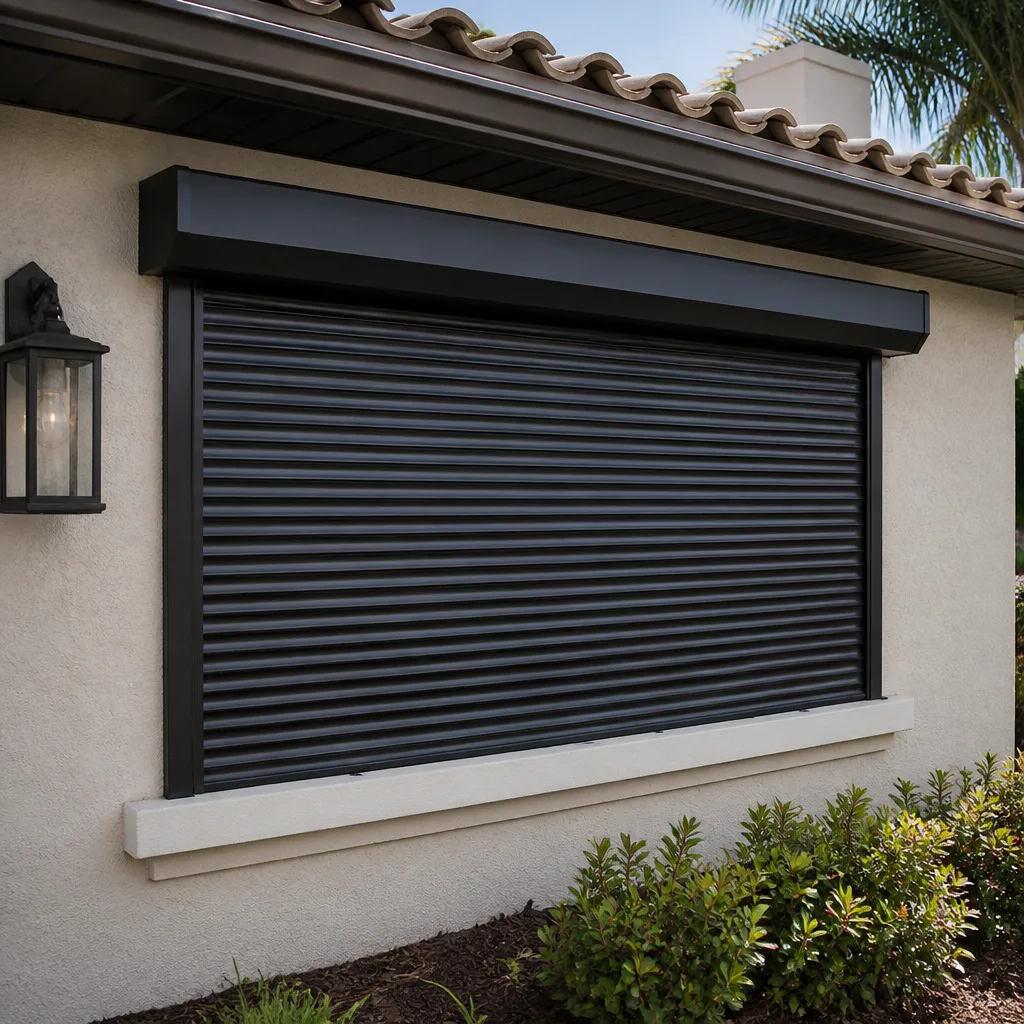
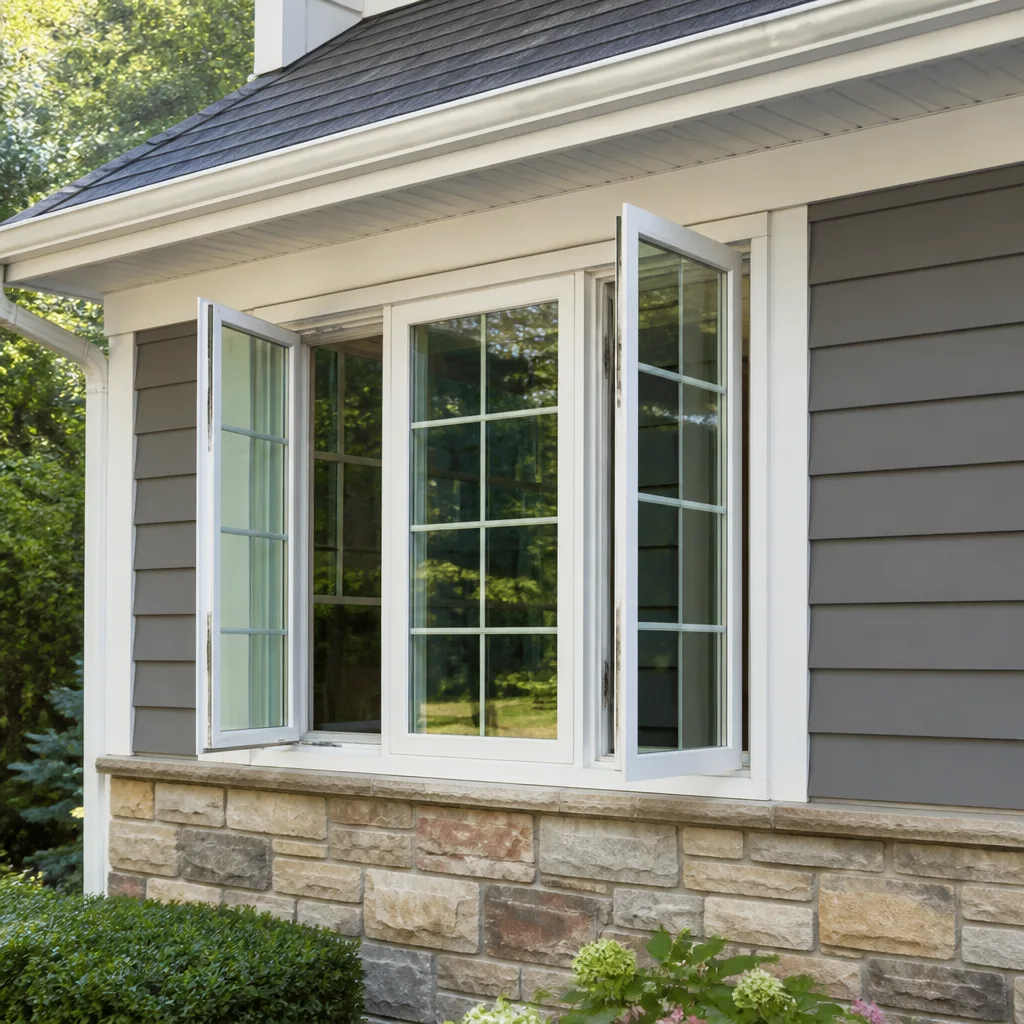
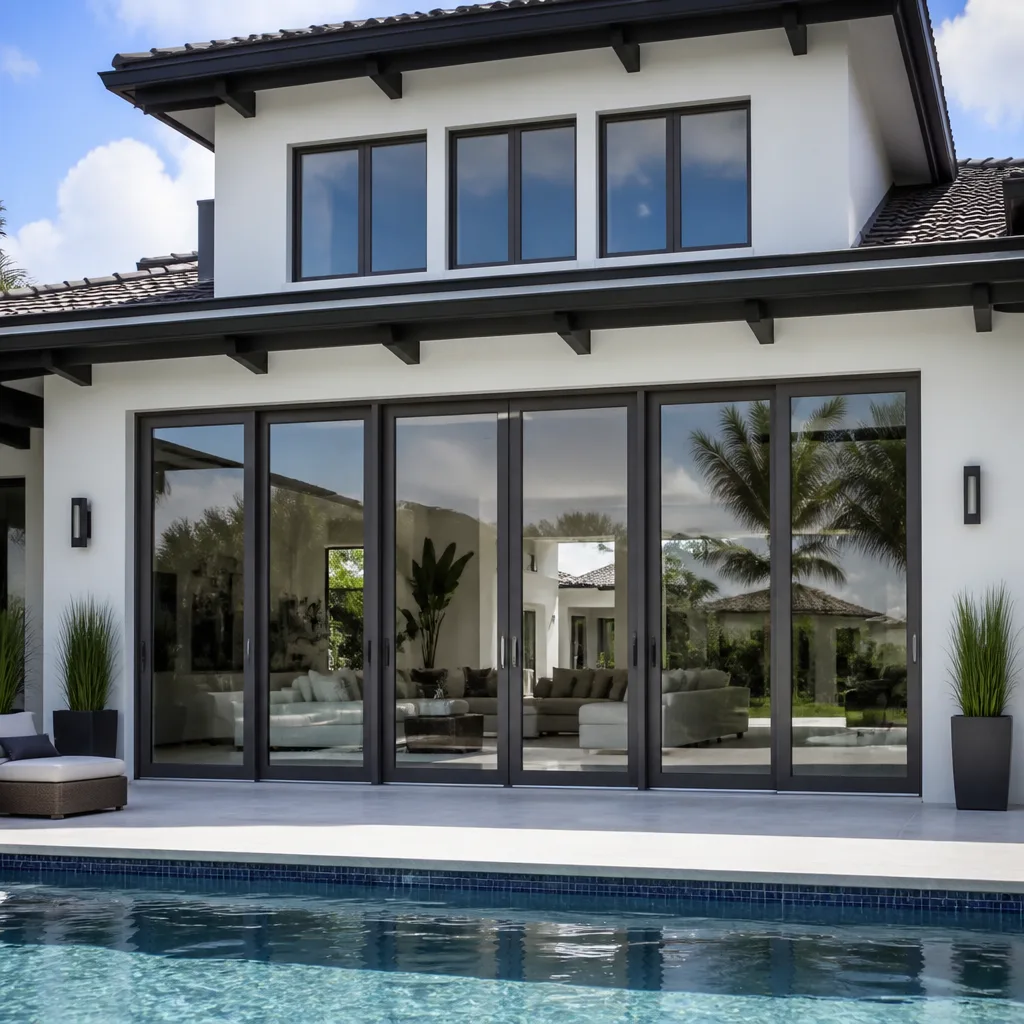
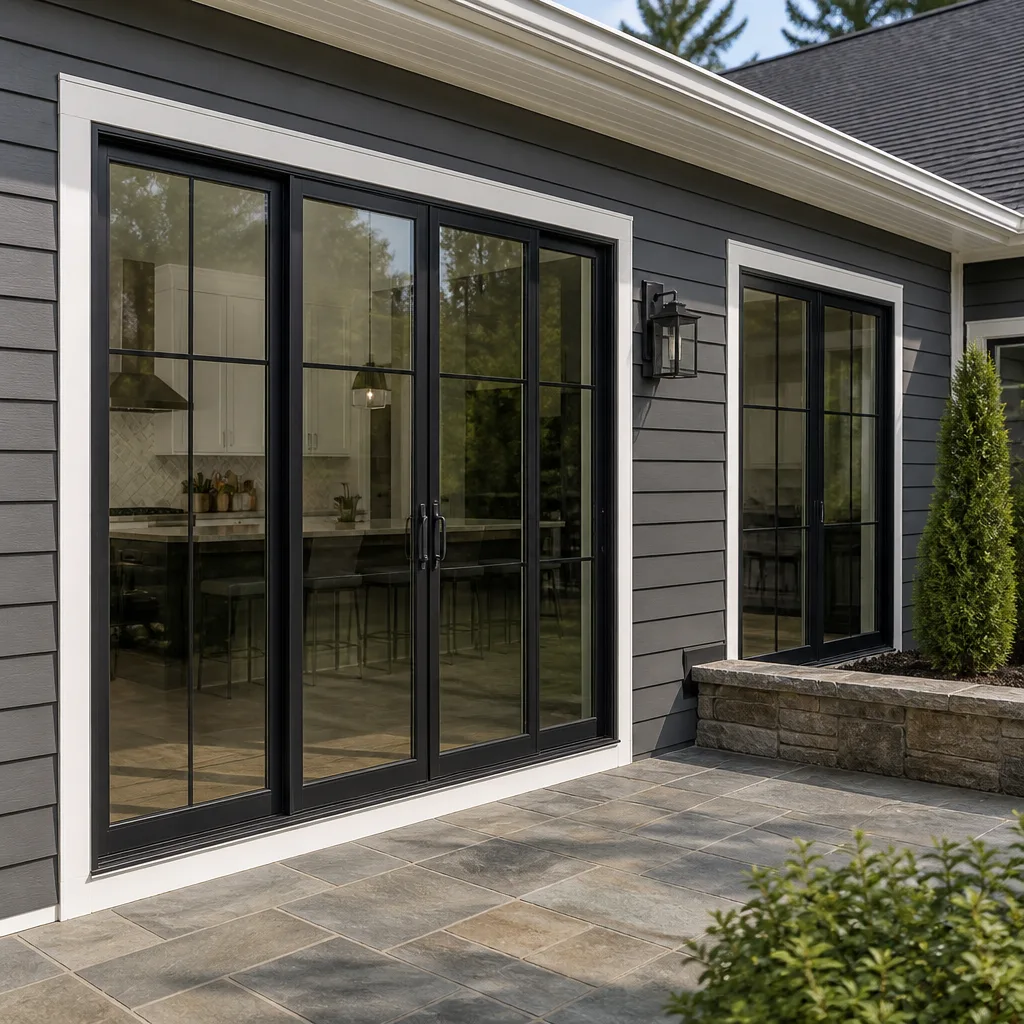
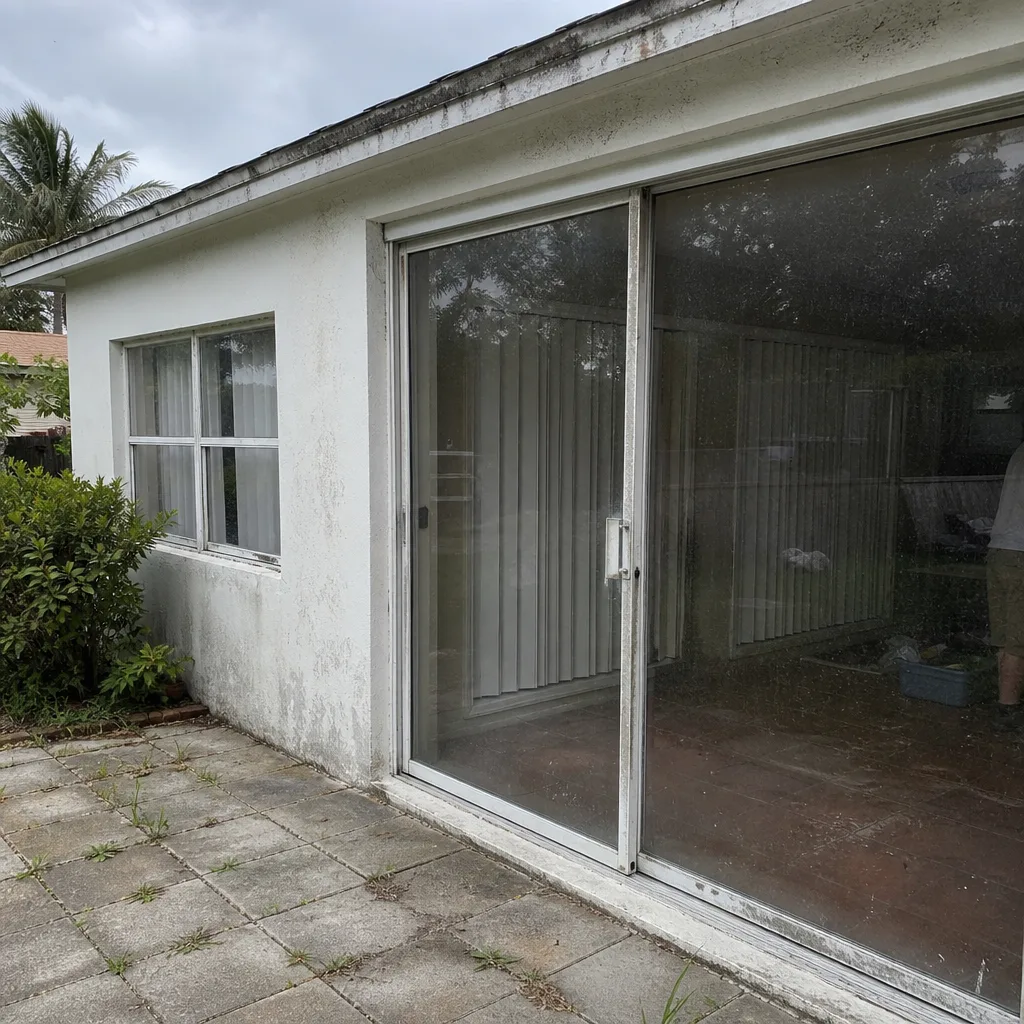 Before
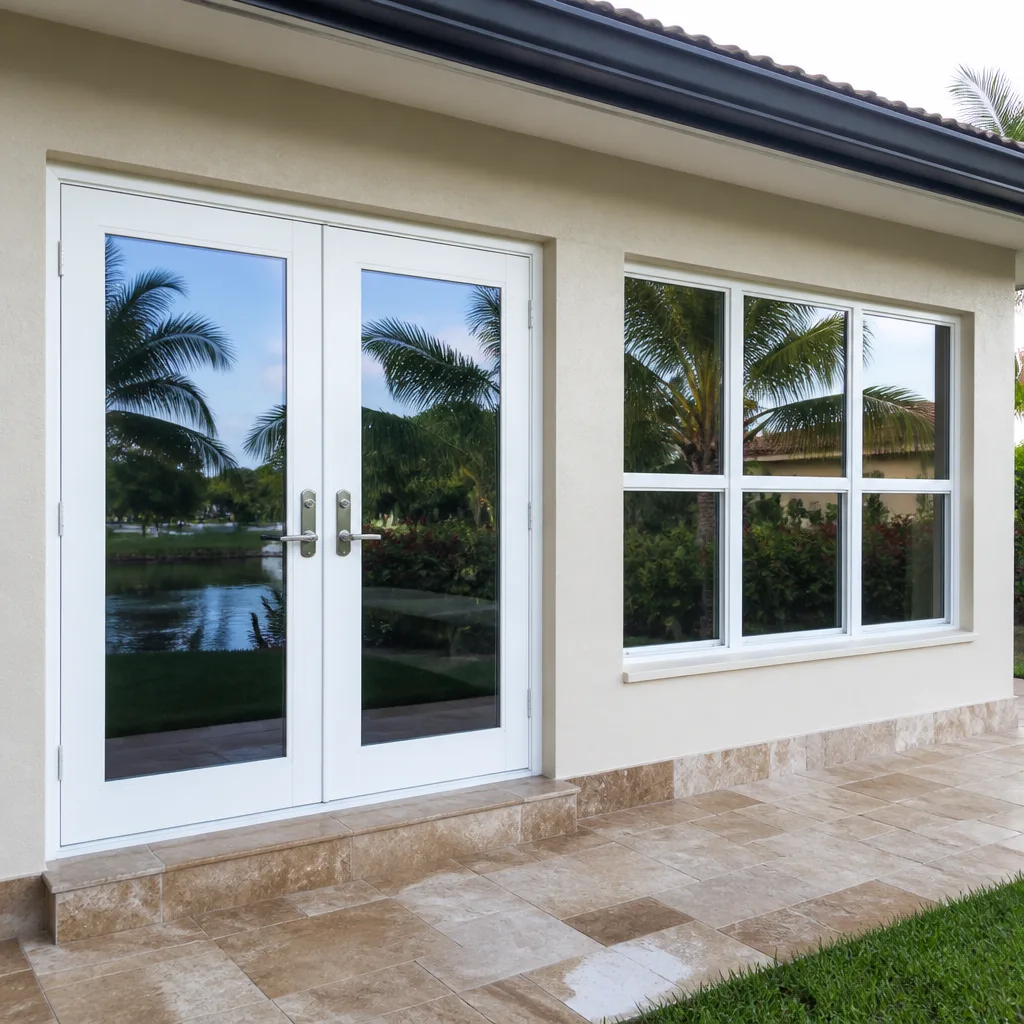 After
After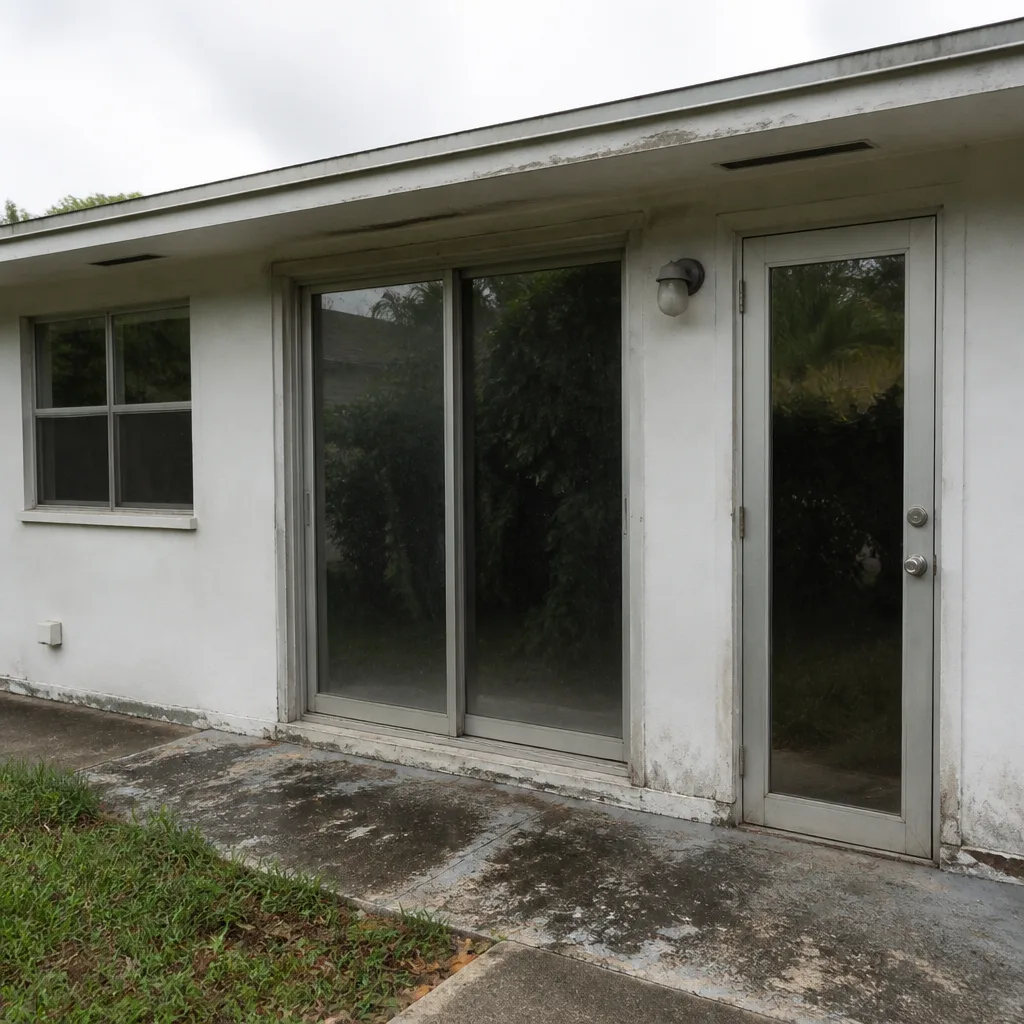 Before
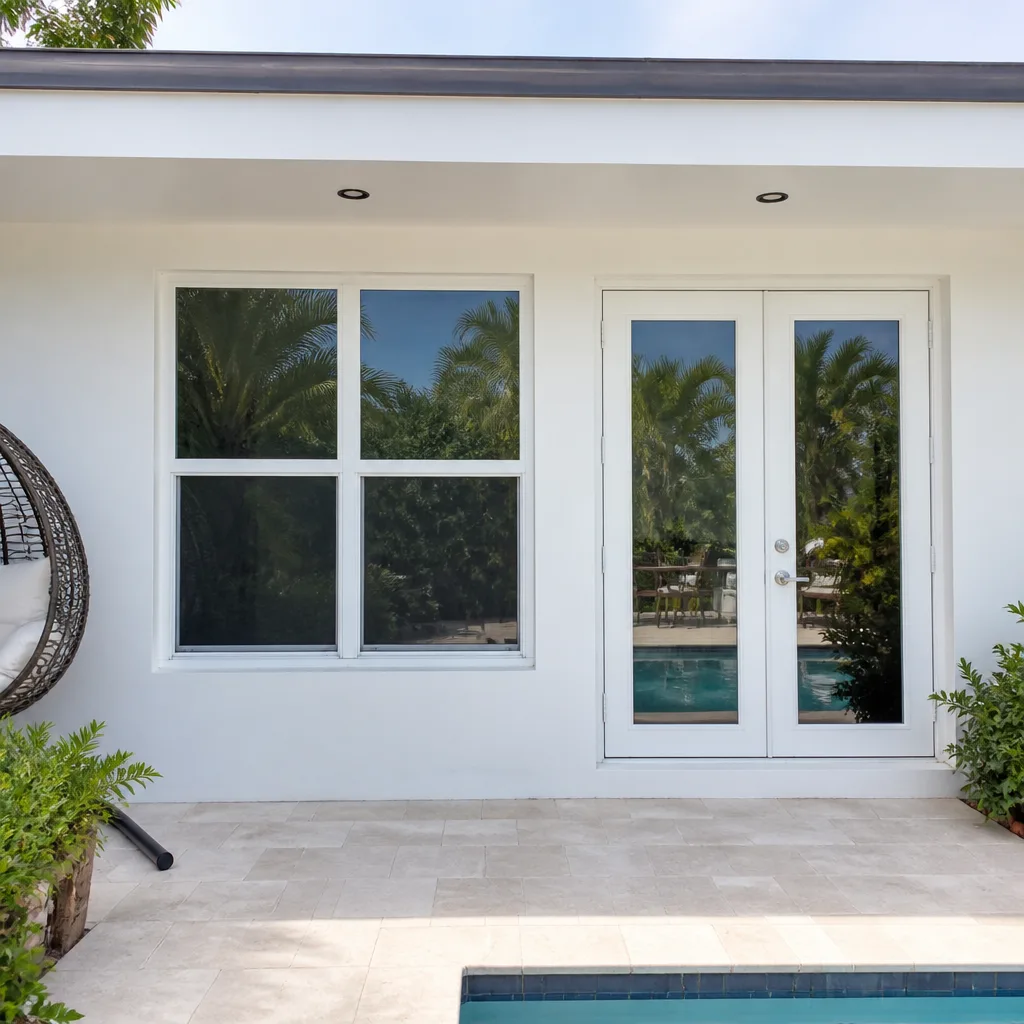 After
After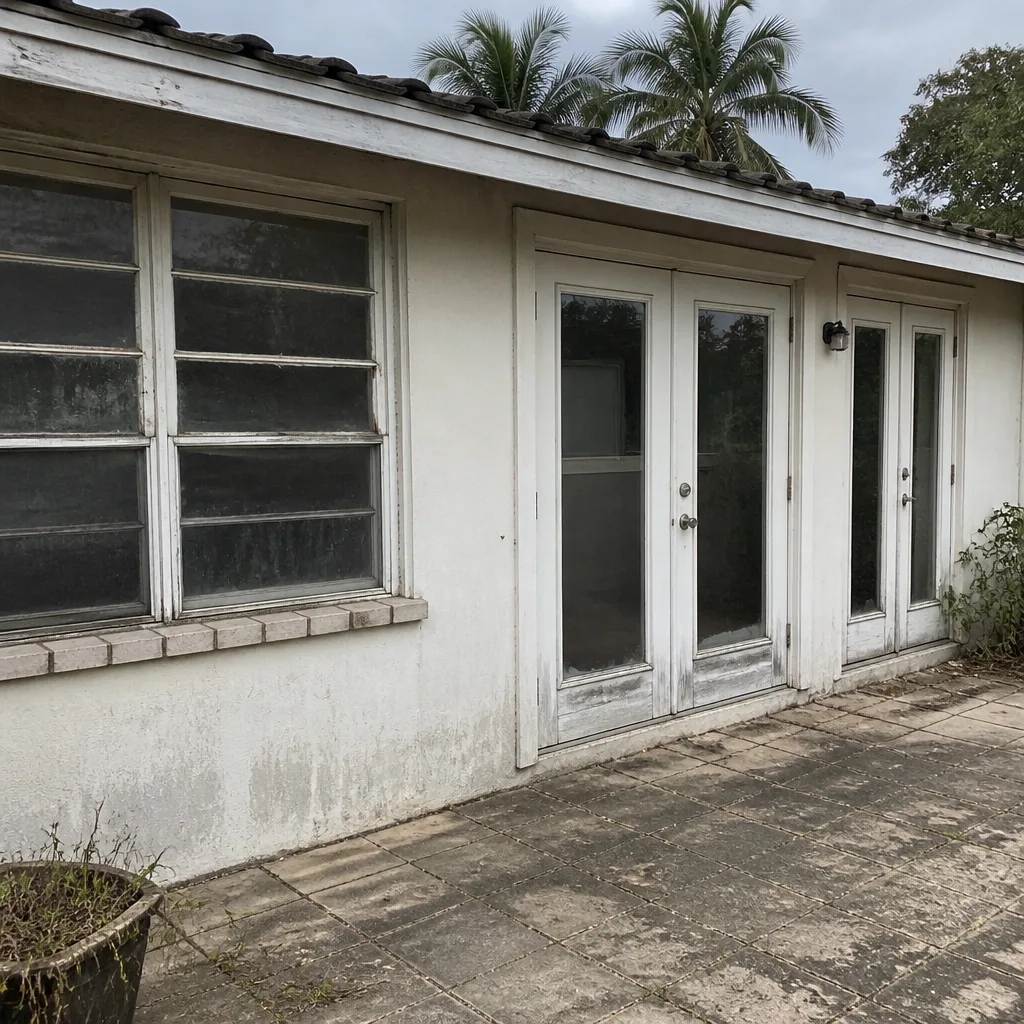 Before
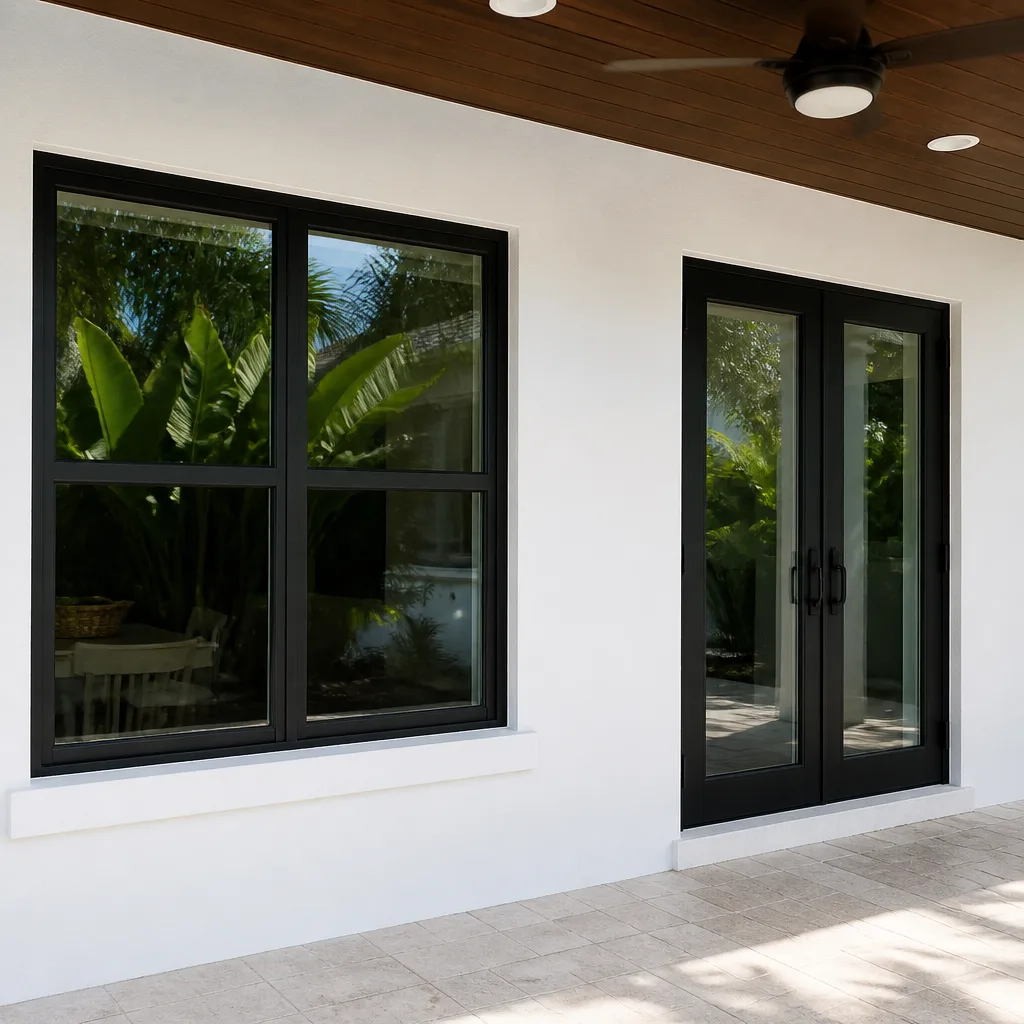 After
AfterLow-E & Argon Gas Glass in Miami, FL
Our Energy-Efficient Windows services use Low-E and argon gas glass upgrades to replace the heat-absorbing, single-pane or outdated double-pane units in your existing frames with insulating glass units that carry a microscopically thin metallic coating and a sealed argon gas fill between the panes. In Miami’s climate – where afternoon sun loads routinely push interior glass surfaces into the 130-degree range and air conditioning runs eleven months out of twelve – that combination meaningfully reduces solar heat gain, lowers cooling costs, and makes the rooms facing west or south livable again. Most upgrades are completed in a single visit by TruePane’s background-checked, uniformed technicians, with both manufacturer warranty layers registered in writing before the truck leaves the driveway.
This page is part of our broader work on Energy-Efficient Windows in Miami, but Low-E and argon gas glass is specific enough that it deserves its own treatment. If you have questions before you finish reading, a live person answers our phone at (561) 956-2754 around the clock – no voicemail, no callback queue.
What Low-E Coating and Argon Gas Actually Do
Low-E stands for low emissivity. The coating – thinner than a human hair, applied to one or more surfaces of the inner glass panes during manufacturing – reflects long-wave infrared radiation back toward its source rather than letting it pass through. In practical terms: solar heat trying to enter your home from outside gets bounced back. Radiant heat from your air-conditioned interior trying to escape at night gets bounced back inward. The glass still looks clear; the coating is invisible to the naked eye.
Argon gas is the second part of the equation. In a standard insulating glass unit, the space between the panes is filled with ordinary air. Air is a decent insulator by itself, but argon – an inert, non-toxic gas denser than air – is about 34 percent less thermally conductive. That means less heat transfers across the gap by convection. The two technologies work together rather than independently; a Low-E unit without the argon fill performs adequately, but the combination is what moves the needle on a Miami utility bill.
Window Energy Audits & Ratings show that Solar Heat Gain Coefficient (SHGC) is the number to watch in this market. Miami sits in ASHRAE climate zone 1A – the hottest, most humid designation in the continental United States. Florida Building Code requires a maximum SHGC of 0.25 for residential windows in this zone. Quality Low-E argon units from manufacturers like ES Windows and ECO Window Systems are engineered specifically for zone 1A performance, and they arrive with documentation that satisfies the Miami-Dade Product Control office. We keep those spec sheets in the truck and pull them out when the inspector needs them.
When You Need Low-E & Argon Gas Glass
- Your west or south-facing rooms stay uncomfortably hot regardless of how hard the AC runs. This is common in Coral Gables, Coconut Grove, and Kendall, where lot orientations and mature tree canopies can create pockets of intense afternoon exposure that standard clear glass was never designed to handle.
- You can see condensation forming between the panes of your existing insulating glass units. That moisture means the argon fill has already escaped and the Low-E seal has failed. The unit is now performing roughly the same as a single pane of glass – which in Miami means it is working against your AC system every hour it stays in place.
- Your hardwood floors, upholstery, or artwork near south-facing windows are fading faster than they should. Low-E coating filters a significant portion of the UV spectrum – the wavelengths responsible for color degradation. If you have irreplaceable furniture or art in sun-exposed rooms, this is a practical protection, not a luxury.
- Your utility bills have crept up steadily even though your AC equipment and habits haven’t changed. Degraded window seals and aging clear glass are a common culprit in Miami homes built before 2000. We regularly find single-pane jalousie replacements in Hialeah and Little Havana that have been costing homeowners an estimated $40 to $80 a month in excess cooling load for years.
- You’re replacing windows for impact protection and want to combine both upgrades in one visit. Impact-rated Low-E argon units are widely available from PGT and CGI – manufacturers we install regularly – and bundling both improvements into a single installation eliminates a second round of permits, labor costs, and disruption to your home.
- Your home is approaching a sale and you want documentation of code-compliant, energy-efficient glazing. Miami-Dade appraisers and buyers’ inspectors increasingly flag non-compliant SHGC values as a negotiating point. Having permit-closed Low-E argon units with registered warranties is a cleaner conversation than trying to explain what the windows are rated to do.
Our Low-E & Argon Gas Glass Process
- Measure and assess on the first call. Our technician arrives in a marked TruePane truck, in uniform, at the time we said. Every opening gets measured twice – width, height, and squareness – because a unit ordered to the wrong size either won’t seal properly or won’t close flush. We also assess the frame condition, the existing hardware, and whether the sill is level. If a frame needs work before glazing, we say so in writing before we order anything.
- Quote manufacturer lines side by side on paper. We’re authorized installers for more than a dozen lines, including ES Windows and ECO Window Systems among others suited to Miami’s zone 1A requirements. We put two or three options in front of you – unit by unit, SHGC and U-factor listed, price listed, warranty duration listed – so you are comparing the same categories across products rather than trusting a sales pitch. No pressure, no timed offer, no price that changes when you go to sign.
- Pull permits where required. Miami-Dade County requires a permit for window replacement, including glass unit replacements that change the glazing type. We handle the permit application, the required product control submittals, and the inspection scheduling. Some homeowners are surprised this step exists; we’ve been doing it long enough that it’s just part of the job.
- Install to manufacturer specification. Setting a Low-E argon unit incorrectly – wrong orientation of the coating surface, inadequate bite on the glazing pocket, improper setting blocks – voids the manufacturer’s warranty before the homeowner even gets to enjoy the product. Dale Kessler’s founding rule is that if the pane is not true, the job is not done. That rule applies at every step of the installation, and it’s why we measure twice and never rush the glazing compound cure time to make an afternoon appointment.
- Register both warranty layers in writing before we leave. The Keystone Standard means we register both the glass unit manufacturer warranty and the frame/installation warranty before the truck leaves the driveway – durations stated, no ambiguity about what’s covered. You get the paperwork in hand, not a promise to email it later.
- Back the work with the 90-Day Done Right Promise. If something isn’t right – a seal that develops a haze, a unit that rattles in its glazing pocket, a frame alignment that doesn’t match the quote – call us. No paperwork fight, no “that’s a manufacturer issue, not us.” We come back and we make it right. That’s the promise in writing on every job.
Low-E & Argon Gas Glass Pricing in Miami
Low-E and argon gas glass upgrades in Miami typically fall in the following ranges, based on standard residential opening sizes and current material costs in this market. These are genuine ranges, not minimums designed to get us in the door.
| Scope | Typical Price Range (Miami, 2025-2026) |
|---|---|
| Single insulating glass unit replacement (retrofit, existing frame retained) | $180 – $420 per unit |
| Standard double-hung window, full replacement with Low-E argon unit | $450 – $950 per window |
| Impact-rated Low-E argon window (PGT or CGI), full replacement | $750 – $1,600 per window |
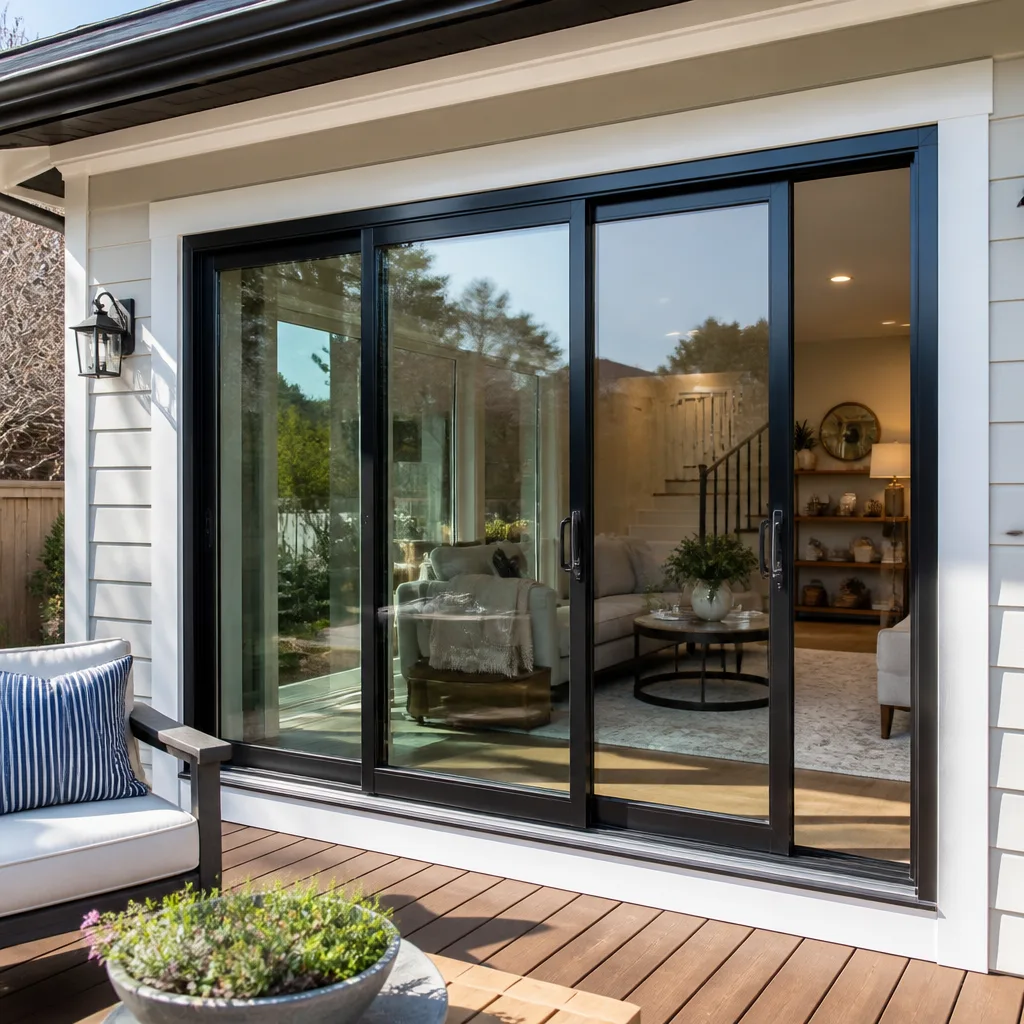
| Sliding glass door with Low-E argon glazing, full replacement | $1,200 – $2,800 per door unit |
| Whole-home upgrade (8-15 windows, typical Miami single-family) | $5,500 – $18,000 depending on product line and opening sizes |
What moves the price in this market
- Miami-Dade Product Control compliance. Units that carry approved NOA (Notice of Acceptance) numbers command a small premium over non-impact-rated Low-E products, but they’re required for permitted work in most of Miami-Dade County. This is not a line item to skip.
- Frame condition. A deteriorated aluminum frame in a Homestead or Pinecrest home built in the 1970s may need resetting or replacement before the new unit will seal and perform correctly. We identify this at the first visit, not after we’ve already ordered product.
- Opening size and shape. Oversized picture windows and arched or radius openings in custom homes in Coral Gables or Miami Beach require custom-fabricated units, which add lead time and cost.
- Product line. Entry-level Low-E argon units from a mid-tier line cost less than a top-tier thermally broken frame with triple-pane Low-E argon fill. Both are legitimate choices depending on your goals and budget. We quote them side by side so you decide.
TruePane’s standing offer of $50 off any repair over $250 applies to qualifying Low-E unit replacements. Seniors and veterans receive a permanent 5% discount on all work. Estimates are free, upfront, and in writing. Call (561) 956-2754 to schedule yours.
Why This Work Is Worth Doing Right in Miami’s Climate
Miami is not Phoenix. The combination of humidity and heat here is what degrades window seals faster than in drier Sun Belt markets – the thermal cycling between an air-conditioned interior and a 95-degree, saturated outdoor environment stresses the butyl and silicone seals at the perimeter of every insulating glass unit. In Doral and Hialeah, where large commercial developments push afternoon heat islands over residential neighborhoods, we’ve pulled units that failed in as few as seven years because they were installed with insufficient seal bite or incorrect setting blocks. The Low-E coating works right up until the seal fails and the argon escapes; after that, the homeowner is running their AC against a clear pane of glass and wondering why the bill keeps going up. This is why UV-Blocking & Fade Protection alone isn’t enough without the full insulating system intact.
Getting this work done correctly the first time – with proper frame prep, correctly specified SHGC values, and both warranty layers registered before we leave – is not a premium service. It’s what the job actually requires. TruePane has been doing it this way for over 42 years, and Dale Kessler’s approach hasn’t changed: if the pane is not true, the job is not done.
If you’ve come to this page from our main home and are still figuring out what you actually need, that’s a fine place to start the conversation. A live person answers at (561) 956-2754 any time you’re ready.
FAQs – Low-E & Argon Gas Glass in Miami
How much does Low-E argon glass replacement cost in Miami?
A single insulating glass unit replacement in an existing frame typically runs $180 to $420 in the Miami market. A full window replacement with a new Low-E argon unit runs $450 to $950 for a standard-sized opening, and impact-rated units from manufacturers like PGT or CGI typically fall between $750 and $1,600 per window. What moves the number most is whether the frame needs work, whether Miami-Dade Product Control-compliant NOA glazing is required (it usually is for permitted work), and the size of the opening. Call (561) 956-2754 for a free written estimate – there’s no obligation and no pressure.
Does Low-E glass really make a difference in Miami’s heat?
Yes, measurably. Solar & Tinted Glass Options like Low-E argon units rated to the Florida Building Code’s maximum SHGC of 0.25 for climate zone 1A can reduce solar heat gain through the glass by 40 to 70 percent compared to standard clear double-pane units, depending on orientation and product spec. In a west-facing room in Coral Gables or a south-facing great room in Kendall, that reduction is the difference between a room that’s comfortable at a normal thermostat setting and one that requires the AC to run almost continuously to compensate. The energy savings vary by home size and existing glazing quality, but a meaningful reduction in cooling load is the standard outcome when the units are properly specified and installed.
Can you replace just the glass unit without replacing the whole window frame?
Sometimes, yes. If the existing frame is structurally sound, square, and in good condition – common in well-maintained Miami homes from the 1990s onward that have aluminum frames without significant corrosion – we can replace the insulating glass unit inside the existing frame rather than doing a full window replacement. This costs less and involves less disruption. However, if the frame is warped, corroded, or out of square, installing a new unit into it won’t get you the performance the coating and gas fill are rated to deliver. We assess the frame condition on the first visit and give you an honest answer before we order anything.
How long do Low-E argon glass units last in Miami?
Quality Low-E argon units from established manufacturers typically carry a 10- to 20-year warranty on the sealed unit against failure, with some lines offering lifetime coverage on the glass itself. In Miami’s climate, real-world longevity depends heavily on installation quality – specifically, the seal bite at the glazing pocket perimeter and the proper use of setting blocks to prevent frame stress on the unit. Units installed correctly in properly conditioned frames routinely last 20 years or more. Units installed with shortcuts – inadequate sealant, wrong setting block placement, or frames that weren’t squared first – can fail in under a decade. That’s why the warranty registration matters: both layers, in writing, before we leave. If something fails within the warranty period, you have documentation rather than a dispute.
Key Takeaways
- Low-E argon glass upgrades reduce solar heat gain by 40 to 70 percent in Miami’s climate zone 1A, measurably lowering cooling costs in south- and west-facing rooms.
- Florida Building Code requires a maximum SHGC of 0.25 for Miami-Dade residential windows; permitted work requires Miami-Dade Product Control-compliant units with valid NOA numbers.
- Single unit replacements run $180 to $420; full window replacements run $450 to $1,600 depending on impact rating and product line.
- Condensation between panes means the argon fill has already escaped – the unit needs replacement, not adjustment.
- TruePane registers both manufacturer warranty layers in writing before leaving the driveway on every job, backed by the 90-Day Done Right Promise.
- A live person answers (561) 956-2754 around the clock – estimates are free and in writing.
Ready to Talk Through Your Windows?
If you’re not sure whether your existing glass is performing to code, or you want an honest assessment of whether unit replacement or full window replacement makes more sense for your home in Miami, call us at (561) 956-2754. A live person answers every call, any hour. We’ll schedule a visit, measure every opening, and put your options in writing – manufacturer lines quoted side by side, warranty durations stated, pricing upfront. No surprises on the bill, no second appointment left hanging. Done right the first time, or we come back and make it right. That’s the standard on every job TruePane does in Miami.
Written by Dale Kessler, Owner at TruePane Windows & Doors, serving Miami.
Six Reasons Homeowners Choose TruePane Windows & Doors
Impact systems engineered to design pressures up to +/-100, matched to your wind zone - your openings hold when the storm arrives.
Low-E insulated impact glass from our manufacturer lines commonly cuts monthly cooling bills 20-30%.
Laminated impact glass shuts out up to 40% of outside noise - traffic, neighbors, weather.
Monitoring services run $30-90 a month. Laminated impact glass resists forced entry around the clock, with no subscription.
Florida homeowners average around 25% savings on the windstorm portion of their policy after protecting every opening - some homes qualify for more.
A full impact package upgrades curb appeal, buyer confidence and appraised value in one project.