
Free in-home measure and quote - PGT, CGI and CWS impact lines compared on your actual openings, style by style
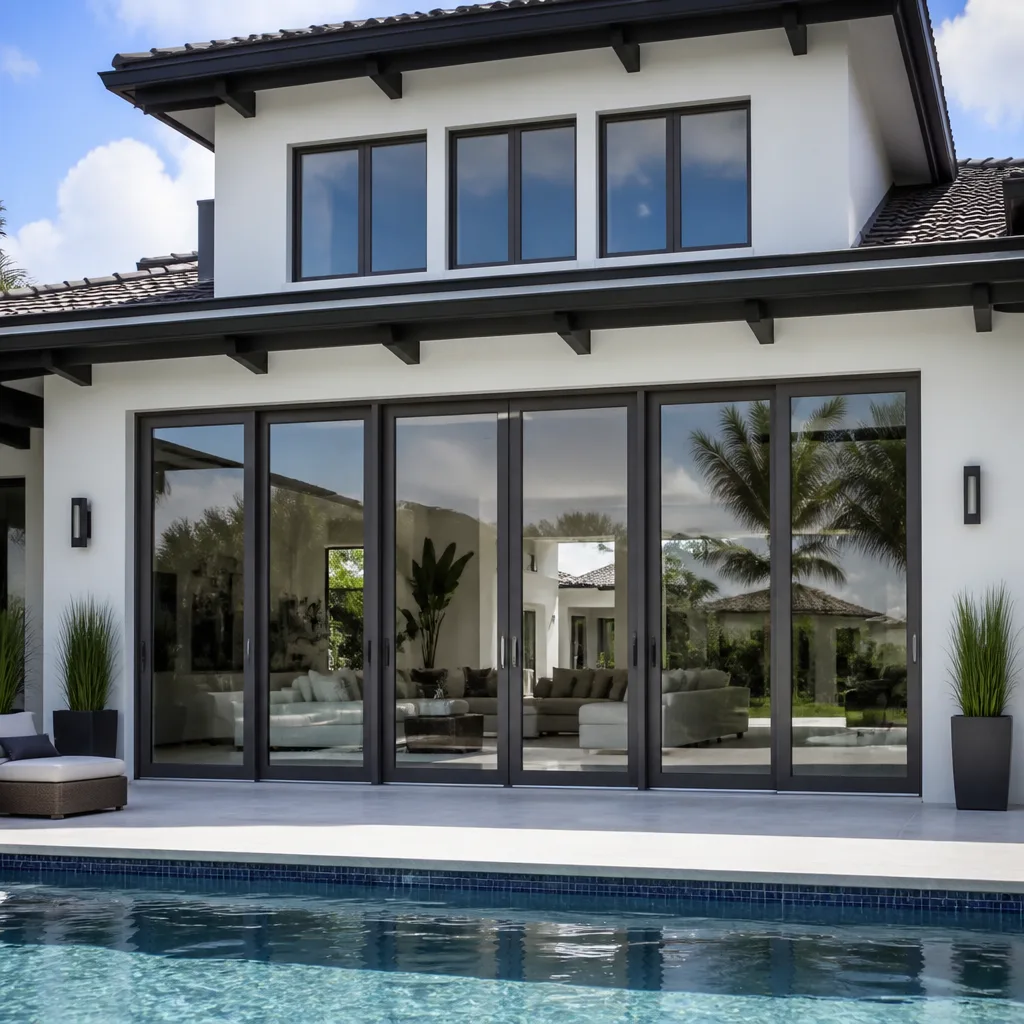
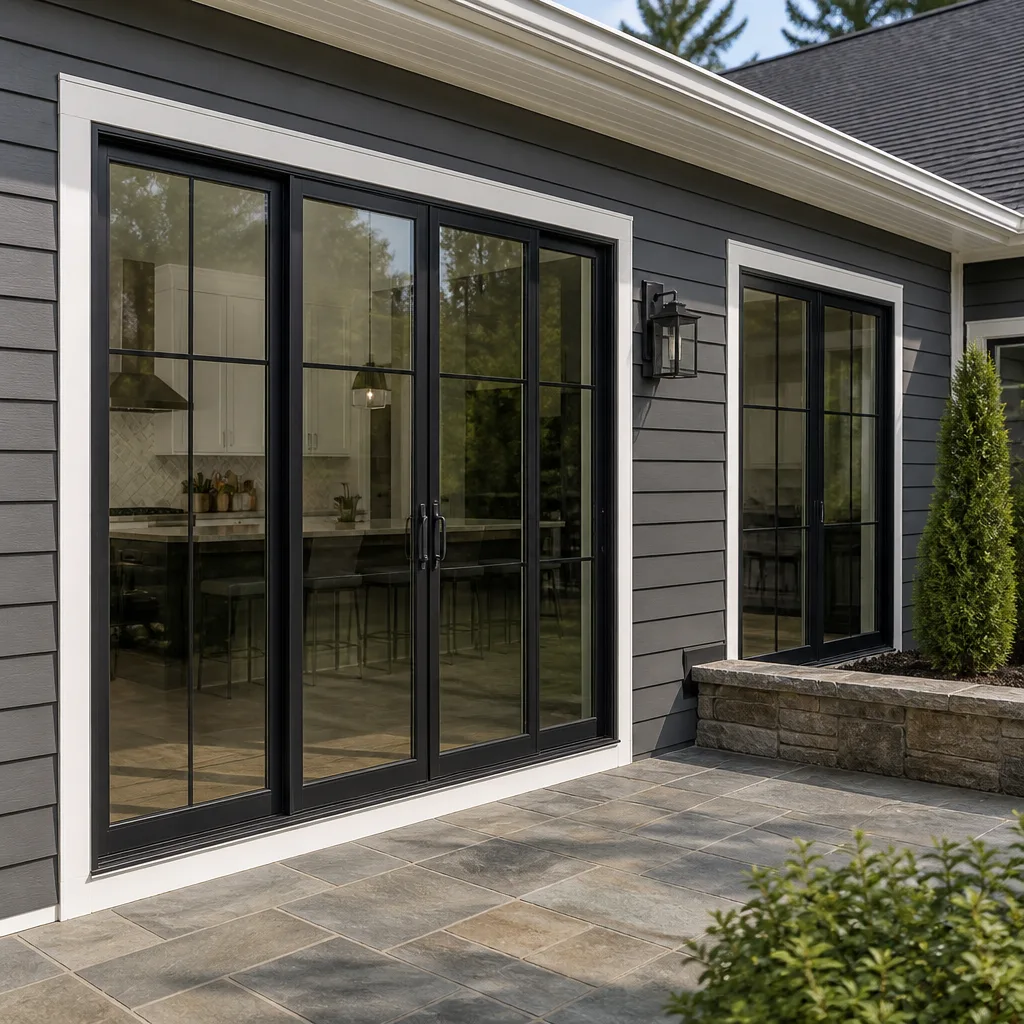
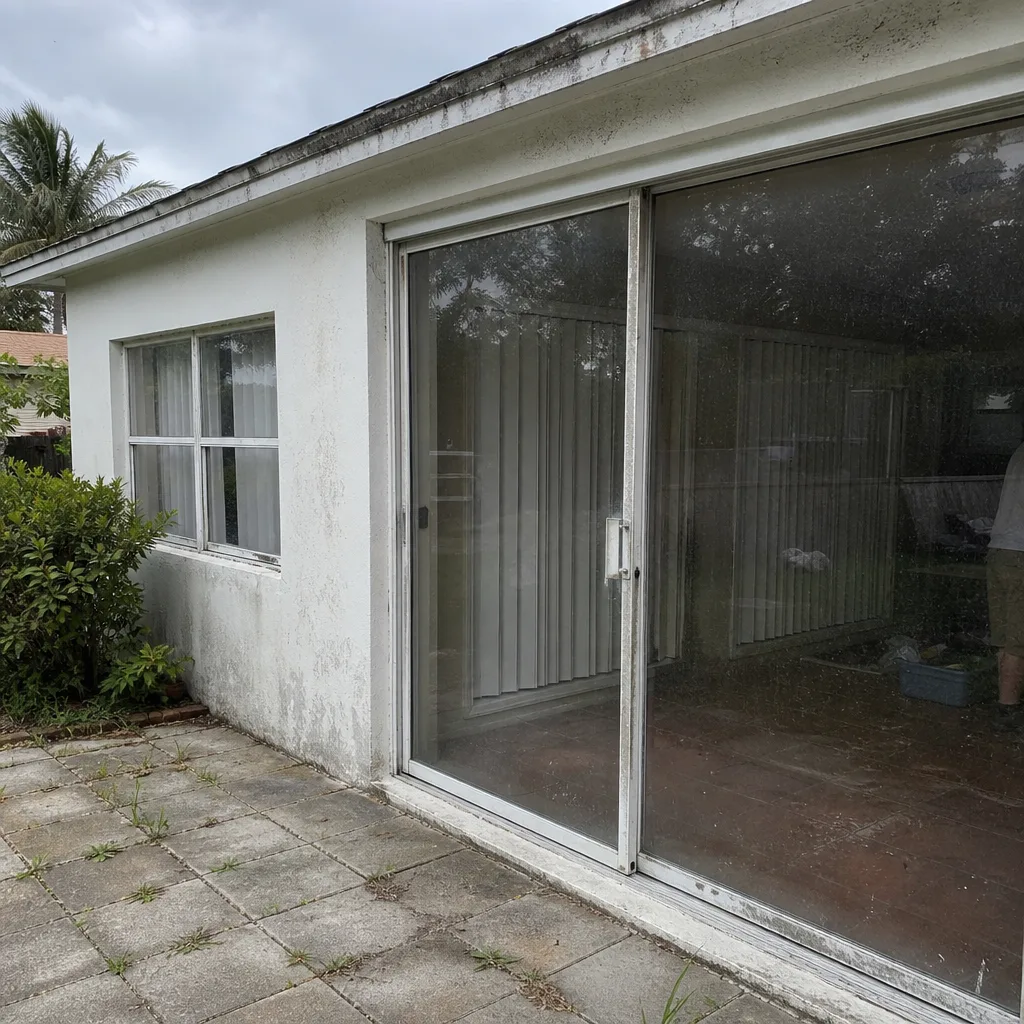 Before
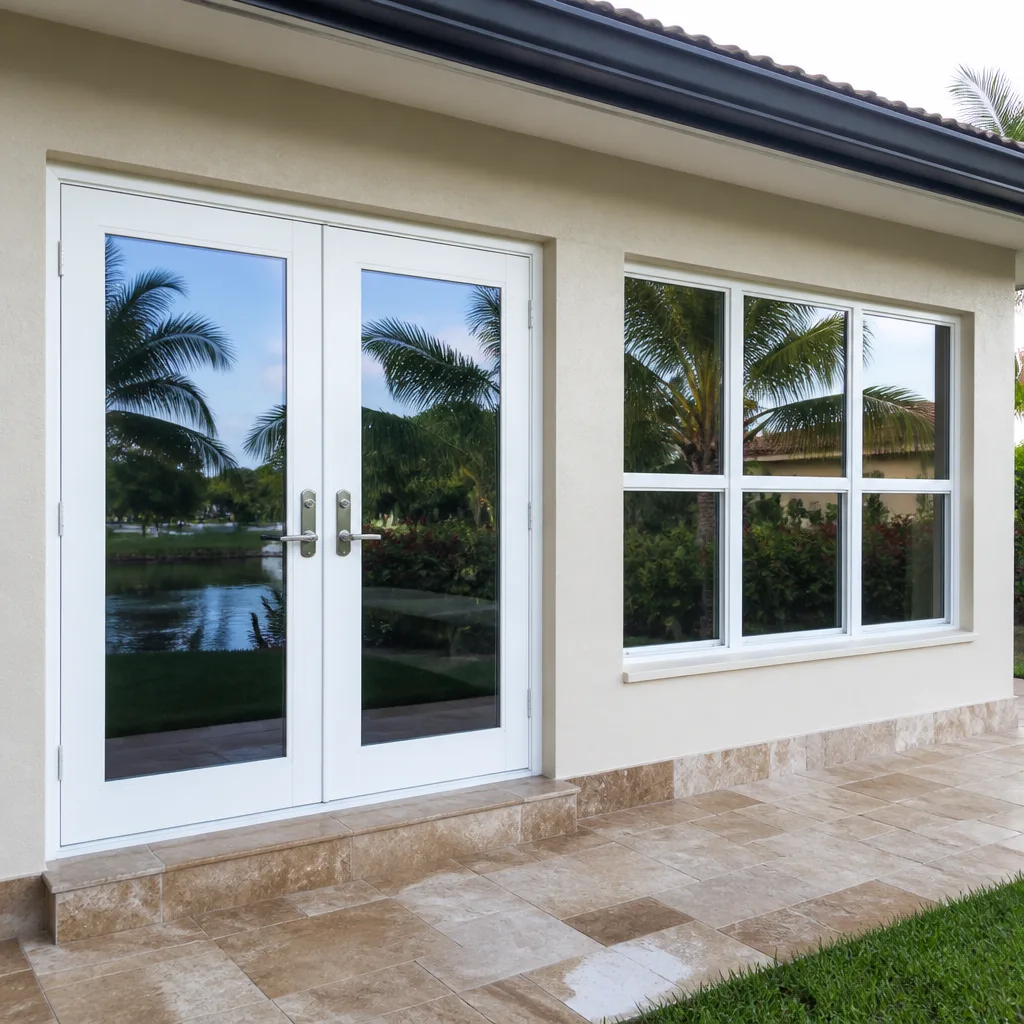 After
After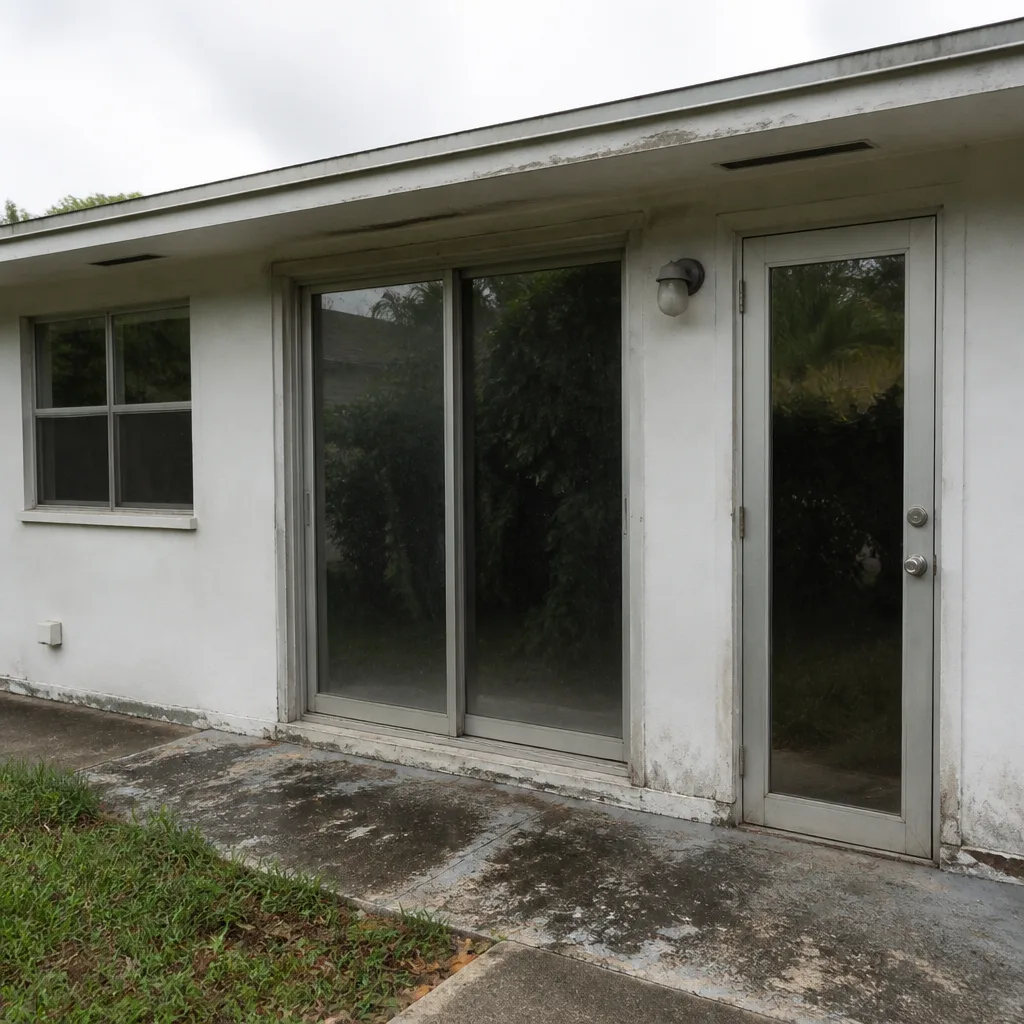 Before
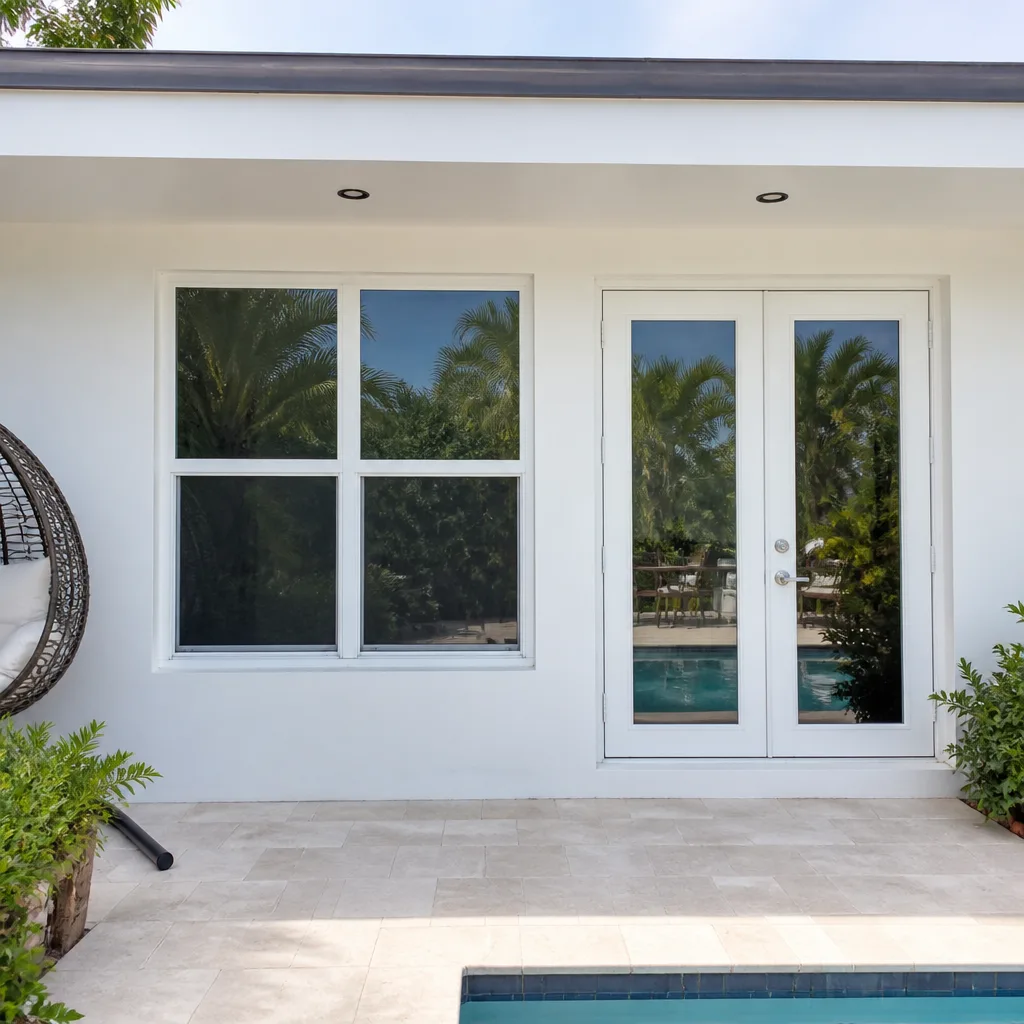 After
After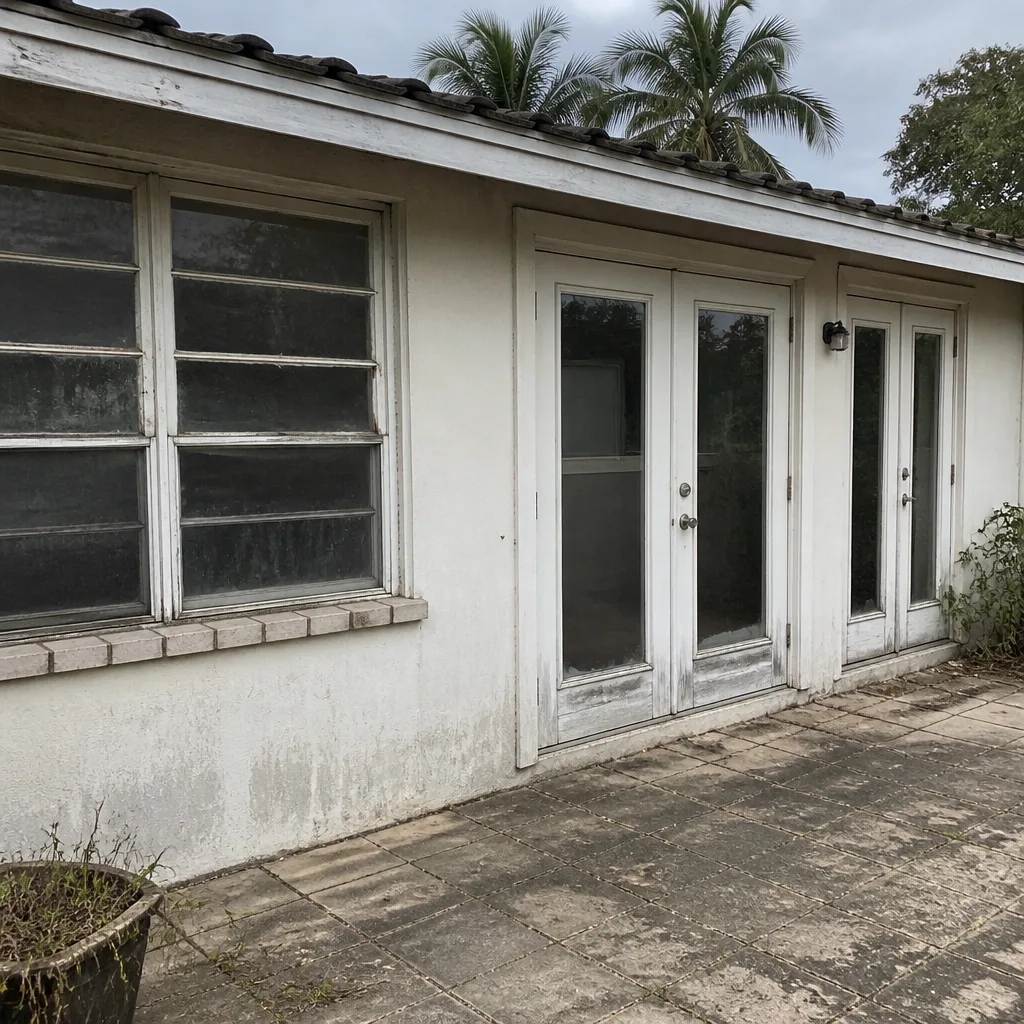 Before
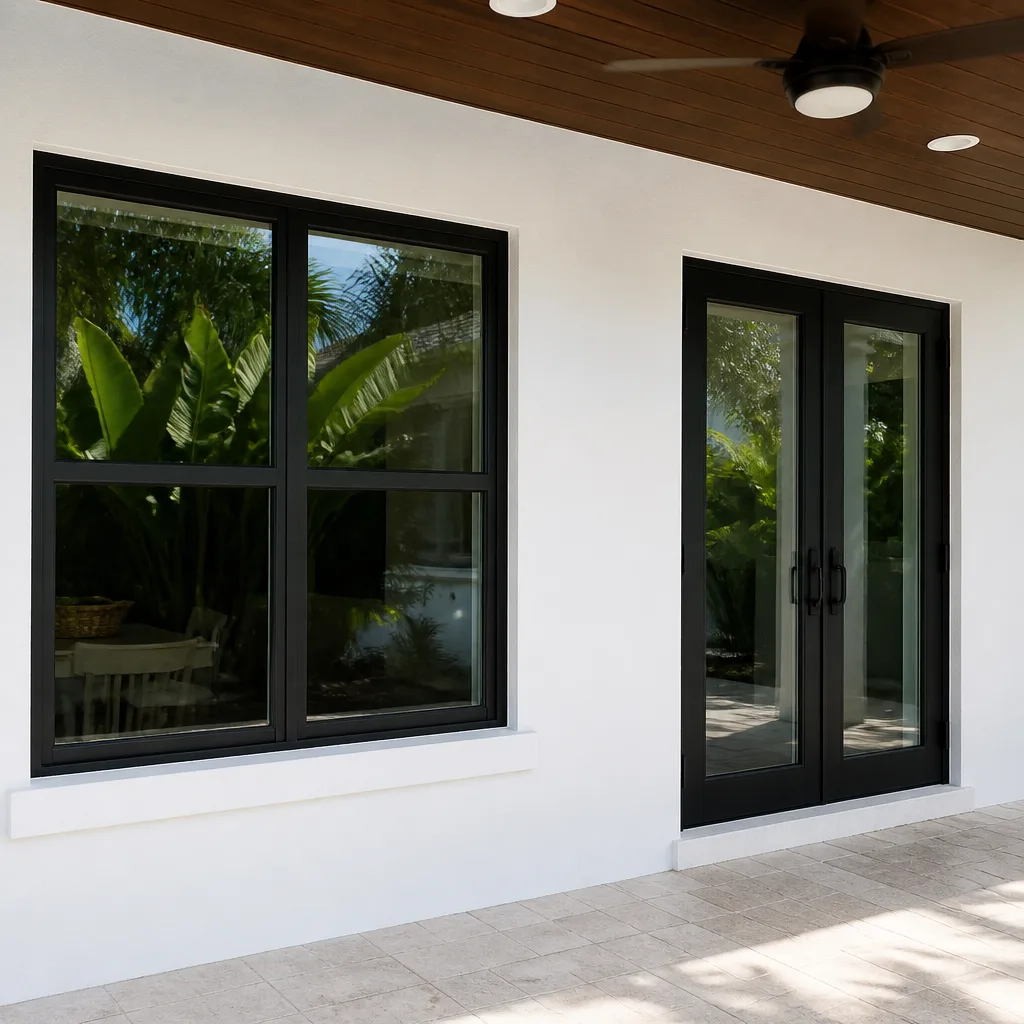 After
AfterUV-Blocking & Fade Protection in Miami, FL
UV-blocking windows in Miami use low-emissivity coatings and laminated or tinted glazing to filter out 95-99% of the ultraviolet radiation that bleaches flooring, fades upholstery, and breaks down wood finishes. Most homeowners in Miami notice the difference within the first summer. TruePane Windows & Doors installs factory-coated glass from manufacturer lines we are authorized to sell and warrant – so the protection is built into the unit itself, not applied as an afterthought.
If you have lived in your home for two decades or more, you have already watched Miami’s sun do its slow work. The rug by the sliding door has gone from burgundy to a washed-out rust. The leather sectional near the east-facing window feels brittle before it should. The hardwood in the sunroom – the floor you paid to have refinished in 2019 – is showing faint but unmistakable bleaching where the light pools in the afternoon. That damage is real, and it accumulates faster here than in almost any other metropolitan market in the country because Miami averages well over 250 days of intense sunshine per year. Ordinary clear glass blocks almost none of the UV spectrum. It was not designed to.
This page covers what UV-blocking glazing actually does, when you need it, how we install it, and what you should expect to pay in the Miami market. If you want to understand where this sub-service fits within a broader upgrade, the full picture is on our Energy-Efficient Windows in Miami page. Or call us directly at (561) 956-2754 – a live person picks up, any hour of the day.
Why Miami Makes UV Protection a Different Conversation
The physics are the same everywhere, but the numbers in South Florida are not. Miami sits at roughly 25 degrees north latitude, which means the sun angle is higher for more of the year than it is in Atlanta, Charlotte, or Houston. Combined with the reflectivity of light bouncing off Biscayne Bay and the white concrete and stucco construction common throughout Coral Gables, Coconut Grove, and Pinecrest, you are dealing with a UV load that is genuinely punishing on interior furnishings.
There is also the insurance dimension. Since 2005, Miami-Dade and Broward counties have enforced some of the most stringent glazing codes in the United States. Any window replacement here must meet Miami-Dade Notice of Acceptance (NOA) standards for impact resistance, which means the glass units being installed to meet those codes are often already laminated. Insulated laminated glass happens to be an excellent UV filter – typically blocking 99% of UV-A and UV-B when manufactured with the appropriate interlayer. So if you are upgrading for impact protection, you may be getting fade protection as part of the same unit. What varies is how good that protection is, which is determined by the specific interlayer chemistry and any additional low-e coating on the glass surface.
This is where the conversation gets specific. A window salesperson who quotes you “impact glass” as if it automatically solves your fading problem is not giving you the full picture. Some laminated units use a basic PVB interlayer that filters UV reasonably well. Others use SGP (SentryGlas Plus) interlayers designed primarily for structural performance, with UV filtration as a secondary benefit. And some products layer a spectrally selective low-e coating over laminated glass to handle both UV and infrared heat at the same time, making them true energy-efficient windows. The product your house actually needs depends on orientation, room use, and what you are trying to protect.
We carry lines from PGT and ES Windows that are made in Florida and tested to Miami-Dade code. ES Windows in particular produces units with a range of glass package options – from their standard laminated clear up through spectrally selective configurations – and we can quote those options side by side on paper so you see exactly what each one blocks and what each one costs.
When You Need UV-Blocking & Fade Protection
- Your flooring is showing uneven color near windows. In Pinecrest and South Miami homes with east-facing great rooms, this typically appears as a gradient – darker where furniture blocks the light, bleached where the sun hits directly. Once wood or tile grout discolors from UV exposure, no amount of refinishing fully restores the original tone. Preventing further damage is cheaper than remediating it.
- Upholstered furniture near glass-heavy walls is aging faster than pieces in interior rooms. If the sofa closest to the window looks two years older than the identical piece in your bedroom, the glass is not doing its job. Standard clear glass transmits nearly all UV-A radiation, which degrades dyes and polymers at the molecular level.
- You have a sunroom, Florida room, or west-facing living area that gets afternoon heat. In Kendall and Westchester, west-facing additions built in the 1980s and 1990s often have single-pane or early double-pane glass that provides almost no UV filtration. These rooms are typically the first to show severe fading.
- You are replacing windows for another reason and want to solve the fading problem at the same time. If a seal failure, storm damage, or age is already bringing us to your home, adding UV-filtering glass packages at the time of replacement costs far less than a separate project later. The labor is already on site.
- You have artwork, antique rugs, or heirloom furniture that cannot be replaced. Some homeowners in Coral Gables and Coconut Grove have pieces that carry real monetary or sentimental value. Museum-quality UV protection – glass that blocks 99% of the UV spectrum – is not an upgrade for everyone, but for those protecting irreplaceable items, it is the right specification.
- Your current windows have a film applied over the glass and the film is bubbling or peeling. After-market window film is a temporary solution. It degrades under Miami’s heat and humidity, typically within five to eight years, and it can void the IGU warranty on the glass beneath it. Purpose-built UV-filtering glass is the permanent correction.
Our UV-Blocking & Fade Protection Process
- Room-by-room orientation assessment. Before we recommend any glass package, we walk the home and document which elevations take direct sun, at what times of day, and for how long. A north-facing bedroom in Brickell needs a different specification than a west-facing sunroom in Palmetto Bay. This step is where experience matters – Dale Kessler has been making these calls on Miami homes for years, and the assessment shapes everything that follows.
- Glass package comparison, on paper, side by side. We pull specifications for the relevant units from the lines we are authorized to install – which include PGT, CGI, ES Windows, and others – and lay out the UV transmittance percentage, the solar heat gain coefficient (SHGC), the visible light transmission (VLT), and the price, per opening, for each option. You see the tradeoffs clearly. A lower VLT blocks more UV but also dims the room. A spectrally selective coating can split that difference. We explain it in plain language, not in glazier shorthand.
- Miami-Dade NOA verification before any unit is ordered. Every product we install in Miami carries a valid Miami-Dade Notice of Acceptance. We confirm this before the order is placed, not as an afterthought. A UV-filtering glass package that is not code-compliant in Miami-Dade County is not a solution – it is a liability.
- Precision measurement of every opening. Our technicians measure each opening twice, independently. In homes built before 1990 – common in Coconut Grove, Coral Gables, and Little Havana – out-of-square rough openings are the rule, not the exception. We account for those tolerances at the measurement stage so the unit arrives ready to set true. If the pane is not true, the job is not done.
- Factory-sourced installation, single visit where possible. We do not subcontract installation to a third party. Our uniformed, background-checked technicians do the work. Most residential UV-window replacements in Miami are completed in a single visit. We do not leave your home mid-job and schedule a second appointment to finish.
- Warranty registration before the truck leaves. Under The Keystone Standard, both manufacturer warranty layers – the glass unit and the frame – are registered in writing before we pull out of the driveway. You receive documentation that states the coverage duration plainly. There is no paperwork chase later, no argument about whether registration happened.
UV-Blocking & Fade Protection Pricing in Miami
UV-filtering window replacement in Miami is priced per opening, and the range is wide because the variables are real. Glass package specification, frame material, opening size, and the condition of the existing rough frame all affect the final number. The figures below reflect typical market conditions for residential replacements in Miami-Dade County. They are not guaranteed quotes – your home may fall above or below these ranges depending on specifics.
| Glass Package Type | Typical Per-Opening Range (Installed) | UV Filtration |
|---|---|---|
| Laminated impact glass, standard PVB interlayer | $400 – $750 | ~95% UV block |
| Laminated impact glass with low-e coating | $650 – $1,100 | ~98% UV block |
| Spectrally selective low-e, laminated (premium) | $950 – $1,600 | 99%+ UV block |
| Large fixed picture windows or custom openings | $1,200 – $3,000+ | Depends on spec |
What moves the number up: larger openings, historic or non-standard frame profiles common in older Coconut Grove and Coral Gables homes, structural work needed on the rough frame, and higher-specification glass packages. What keeps the number lower: standard residential sizing, accessible single-story installation, and combining multiple openings in one project visit.
Seniors and veterans receive a standing 5% discount on all TruePane work, and any repair job over $250 qualifies for $50 off. Estimates are free, upfront, and itemized – no surprise line items when the bill arrives.
Call (561) 956-2754 to schedule a free estimate. We will measure your openings, specify the glass package that fits your actual situation, and give you a written number before any work is authorized.
What Affects UV Performance Beyond the Glass Itself
The glass unit is the primary filter, but installation quality determines whether it performs as specified. A unit that is not set level and plumb develops stress on the IGU seal over time, particularly in Miami’s thermal cycling – cool air-conditioned interior, hot humid exterior, repeated daily. A compromised seal allows moisture into the airspace and, in units that use argon or krypton fill for added insulation, allows gas to escape. Neither failure is visible at first. Both degrade performance gradually.
This is why TruePane’s founding rule exists: if the pane is not true, the job is not done. A UV-filtering glass unit installed out of true in a Miami home will underperform its specification within a few years, regardless of what the manufacturer’s label says. We do not rush the set. We do not leave a shimmed-but-not-plumb unit because the next job is waiting.
Frame condition also matters. In homes throughout Westchester, Kendall, and South Miami that were built in the 1970s and 1980s, we regularly find rotted wood bucks behind aluminum frames, deteriorated sealant that allowed water infiltration, and settlement in the rough frame that leaves the opening out of square by as much as half an inch. We note these conditions at measurement, quote the correction if it is needed, and do not hide the problem until the day of installation.
Key Takeaways
- Miami’s sun angle and annual sunshine hours make UV-blocking glass a practical necessity for any home with valuable flooring, furniture, or art near windows.
- Laminated impact glass already provides meaningful UV filtration – the question is which interlayer and coating combination matches your room’s orientation and what you are protecting.
- Miami-Dade NOA compliance is non-negotiable for any replacement glass in the county. Every unit TruePane installs carries a valid NOA.
- After-market film is a temporary fix. Purpose-built UV-filtering glass is the permanent one.
- Installation quality determines whether the glass performs to spec. A unit set out of true degrades faster than the warranty period.
- Estimates are free. The Keystone Standard means both warranty layers are registered in writing before we leave your property.
FAQs – UV-Blocking & Fade Protection
How much does UV-blocking window glass cost in Miami?
Installed pricing for UV-blocking windows in Miami typically runs $400 to $1,600 per opening depending on glass package and opening size, with custom or large fixed windows running higher. A standard laminated impact unit with a low-e coating – the most common specification for Miami residential work – generally falls in the $650 to $1,100 range per opening for ENERGY STAR replacement windows. Call (561) 956-2754 for a free, itemized estimate on your specific openings – we measure before we quote.
Does impact glass automatically block UV rays?
Impact glass blocks a significant portion of UV radiation – typically 95% or more – because the laminated interlayer required for Miami-Dade code compliance is itself a UV filter. But not all laminated units are equivalent. The specific interlayer material and any additional low-e coating on the glass surface determine the final UV transmittance percentage. We will tell you exactly what each unit blocks before you decide.
Can you just add window film instead of replacing the glass?
After-market window film does block UV, but it degrades under Miami’s heat and humidity – typically within five to eight years – and it can void the manufacturer’s warranty on the insulated glass unit beneath it. Purpose-built UV-filtering glass from a manufacturer like ES Windows or PGT performs consistently over the warranty period and does not introduce a warranty conflict. If your windows are already due for replacement, the right answer is the glass, not the film.
How long does UV-blocking glass last in Miami’s climate?
The low-e coatings used on modern UV-filtering glass are applied to an interior surface of the IGU and are not exposed to the weather, so they do not degrade from humidity or sun exposure. Manufacturer warranties on the glass unit itself typically run 10 to 20 years depending on the product line. Under TruePane’s Keystone Standard, both warranty layers are registered in writing before we leave your property, so the duration is documented and not subject to interpretation later.
Talk to TruePane About Protecting What Miami Sun Is Already Costing You
Fading is gradual, which makes it easy to ignore until the damage is obvious. By the time a rug looks clearly bleached or a hardwood floor shows visible color variation, the UV has already done years of work. The correction at that point is expensive and imperfect. The prevention – purpose-built UV-filtering glass installed correctly in true openings – is a straightforward project for a company that has been doing this work on Miami homes for over 42 years.
TruePane Windows & Doors installs UV-blocking glass packages from manufacturer lines including PGT, CGI, and ES Windows, all compliant with Miami-Dade NOA requirements, all covered by The Keystone Standard. Our 90-Day Done Right Promise means that if anything about the installation is not right, we make it right – no arguing, no fine print, no paperwork fight. Every job comes with upfront pricing, a written estimate before work starts, and both warranty layers registered before the truck pulls away.
For a free, no-obligation estimate, call (561) 956-2754. A live person answers every call. We will schedule a measurement visit, specify the glass package your home actually needs, and give you a written quote you can hold us to. Seniors and veterans receive a standing 5% discount on all work.
You can also learn more about how UV-blocking glass fits within a complete window upgrade by visiting our home page, or by reading our full Energy-Efficient Windows in Miami overview.
Written by Dale Kessler, Owner at TruePane Windows & Doors, serving Miami.
Six Reasons Homeowners Choose TruePane Windows & Doors
Impact systems engineered to design pressures up to +/-100, matched to your wind zone - your openings hold when the storm arrives.
Low-E insulated impact glass from our manufacturer lines commonly cuts monthly cooling bills 20-30%.
Laminated impact glass shuts out up to 40% of outside noise - traffic, neighbors, weather.
Monitoring services run $30-90 a month. Laminated impact glass resists forced entry around the clock, with no subscription.
Florida homeowners average around 25% savings on the windstorm portion of their policy after protecting every opening - some homes qualify for more.
A full impact package upgrades curb appeal, buyer confidence and appraised value in one project.