Free in-home measure and quote - PGT, CGI and CWS impact lines compared on your actual openings, style by style
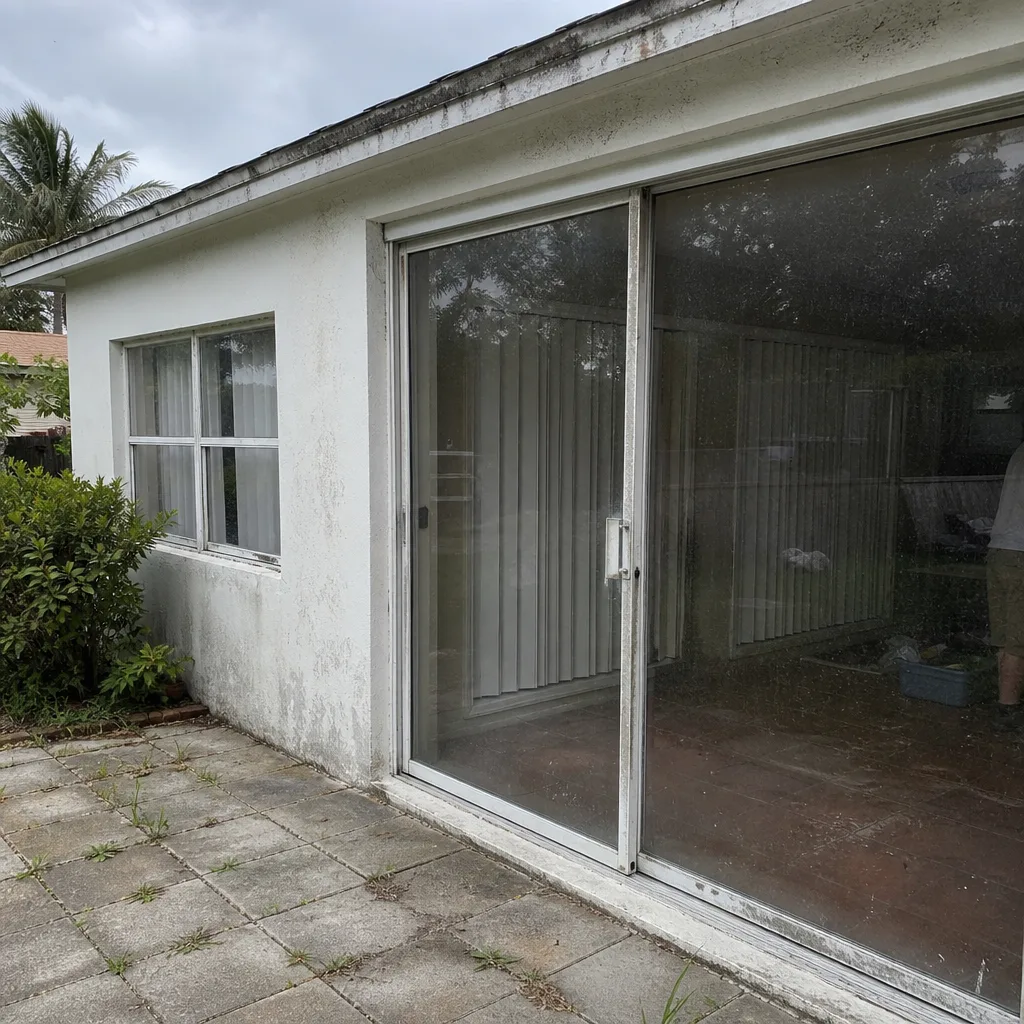 Before
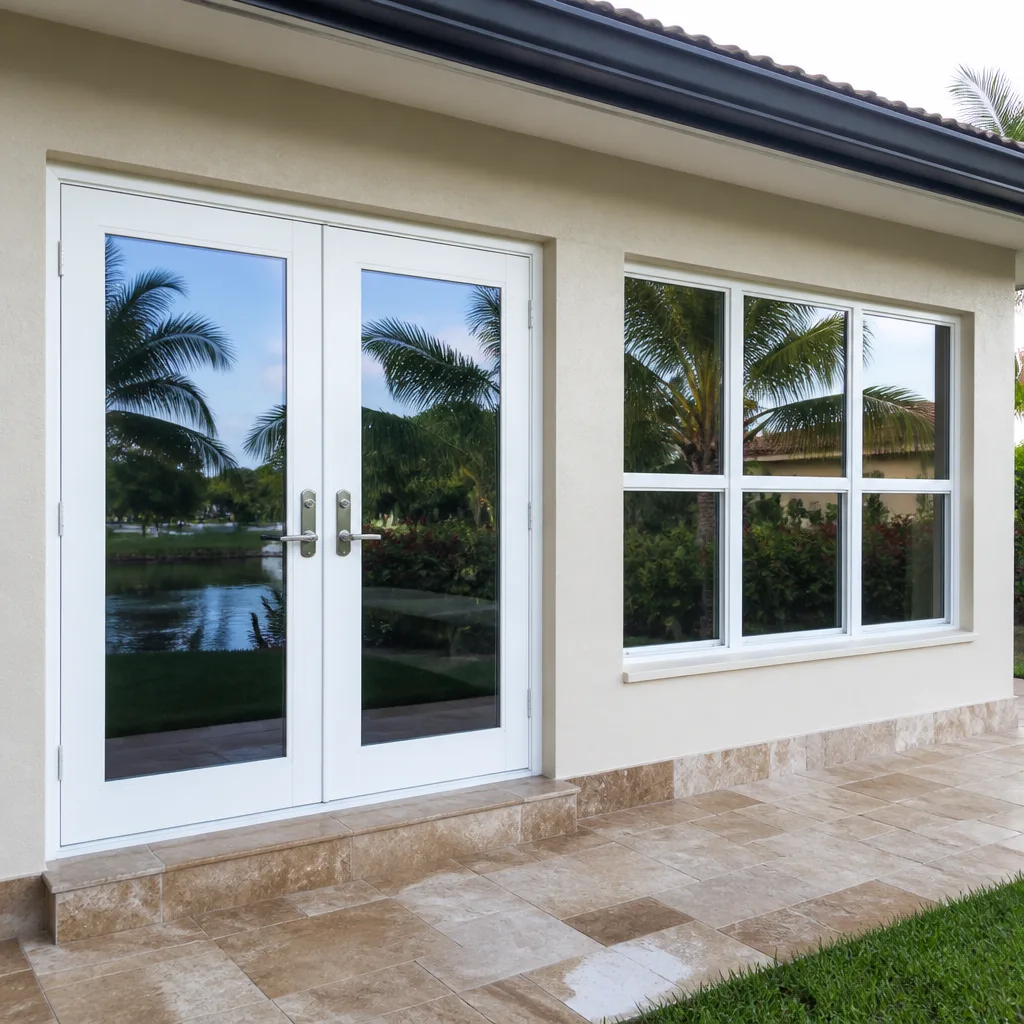 After
After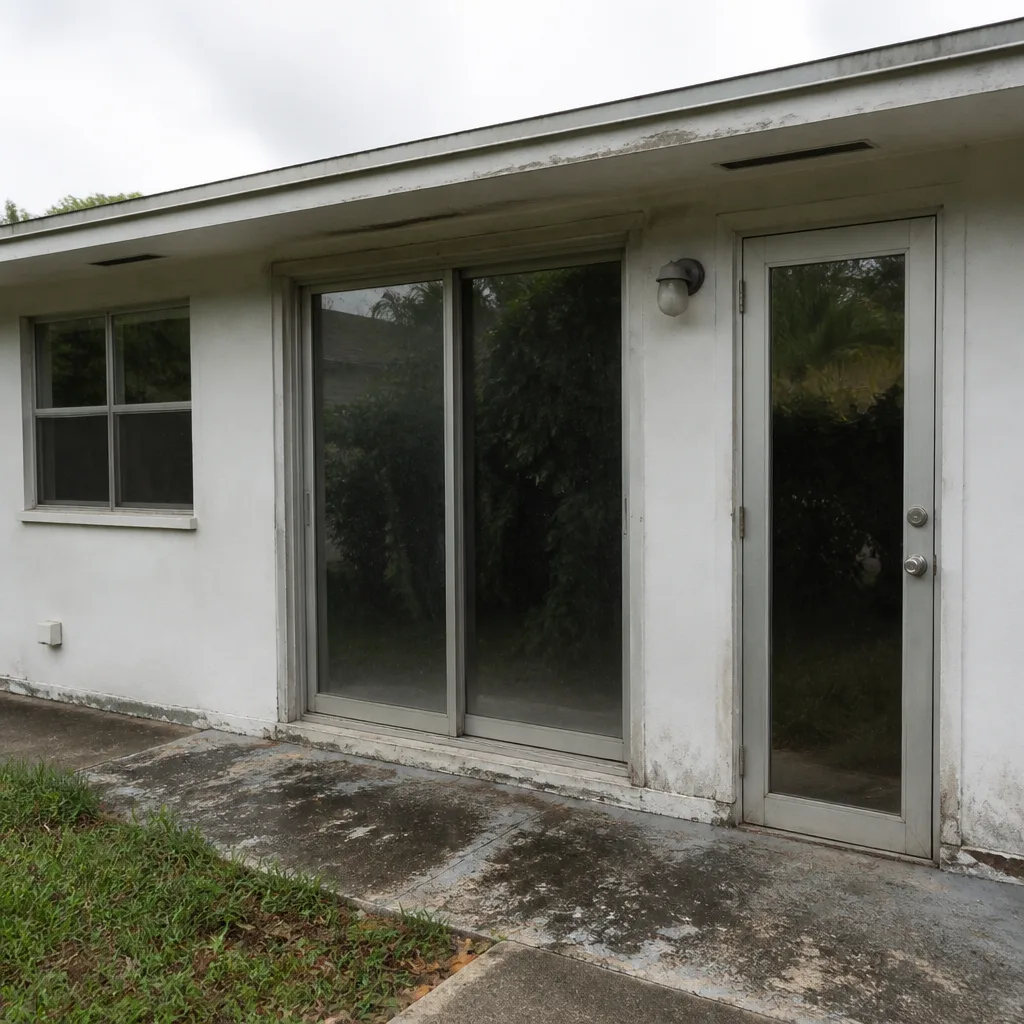 Before
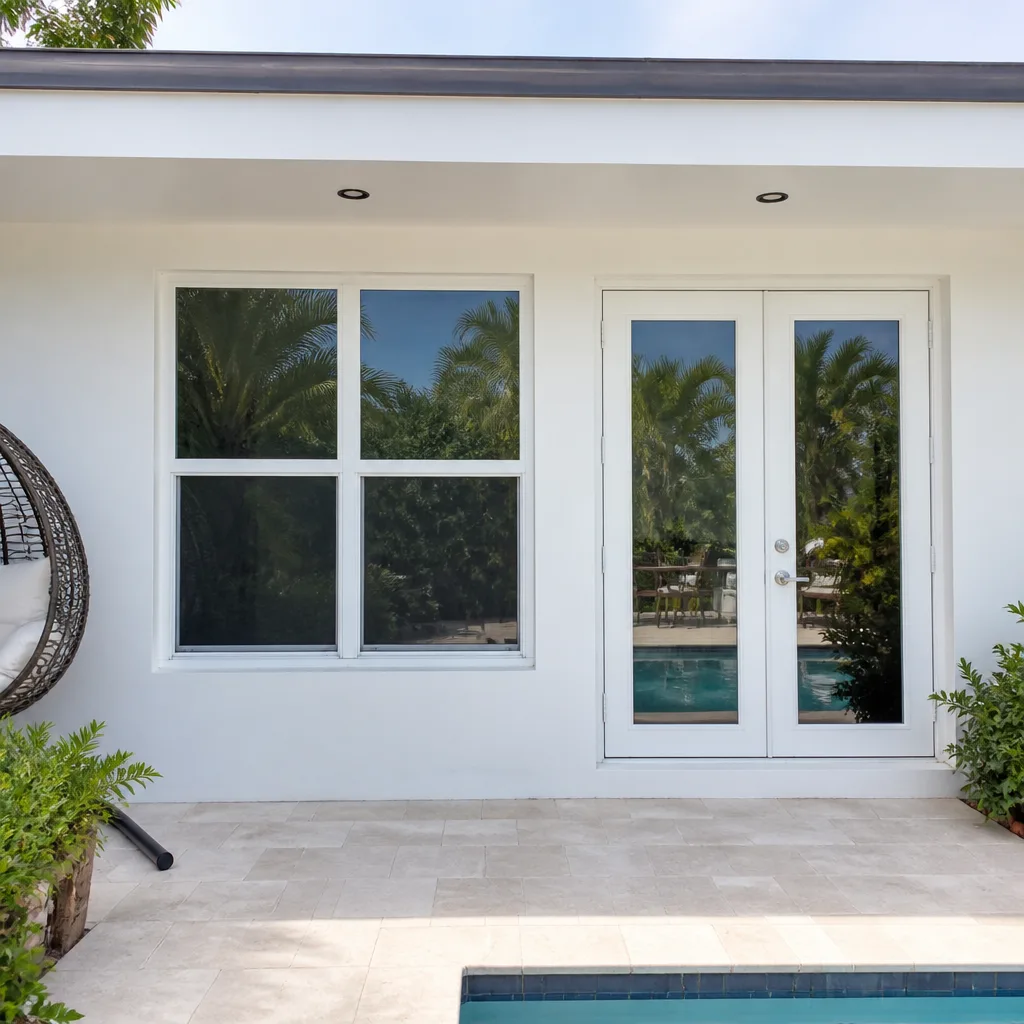 After
After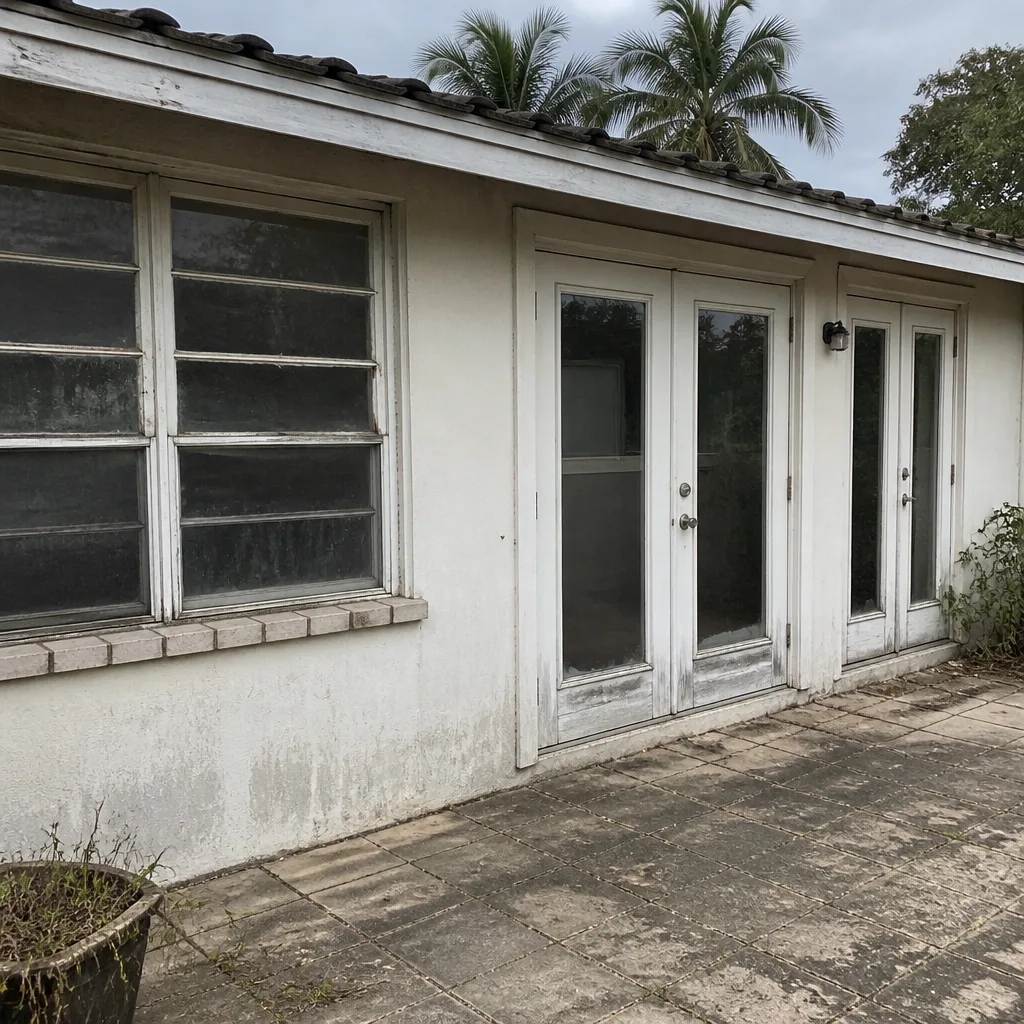 Before
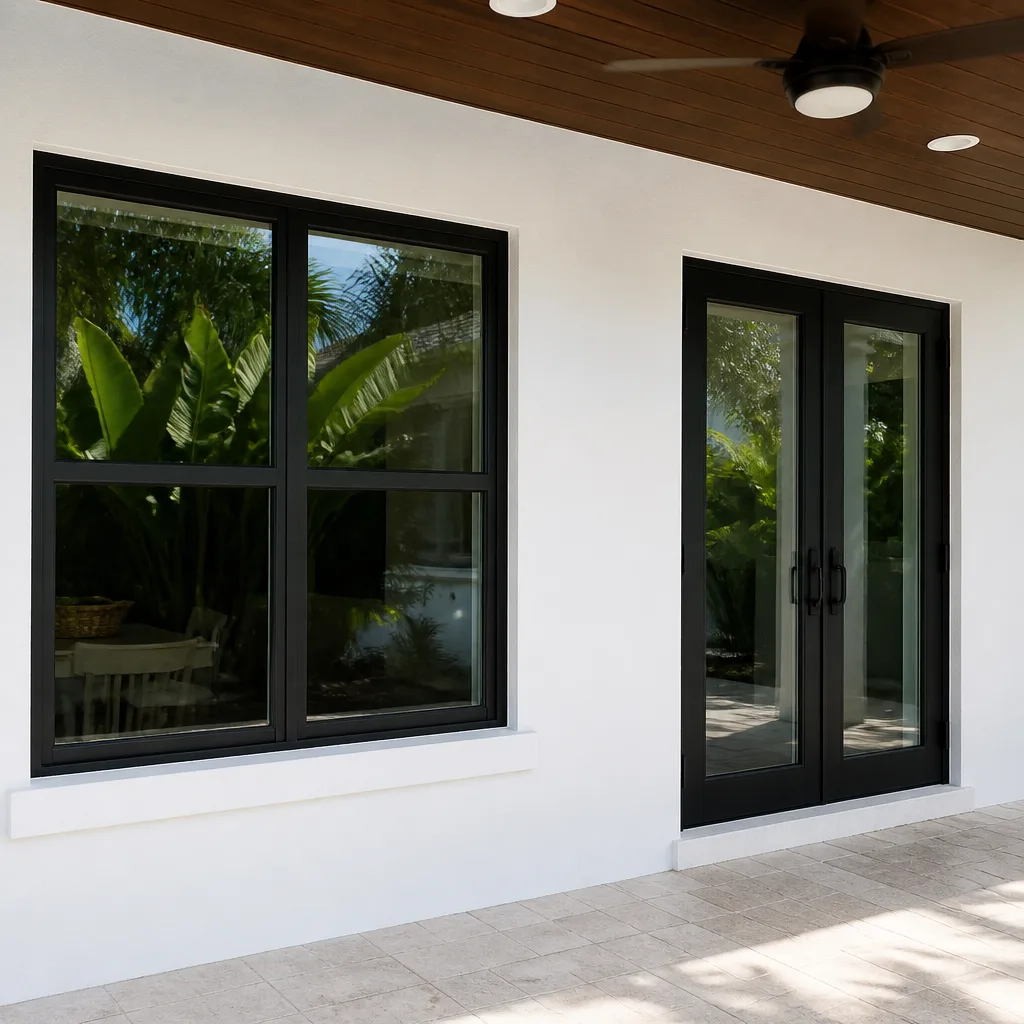 After
AfterCasement Windows in Miami, FL | TruePane Windows & Doors
Casement windows are side-hinged, crank-operated windows that swing outward like a door, and in Miami they’re one of the smartest choices a homeowner can make. The full compression seal on our impact casements pulls the sash tight against the frame when closed, which means less air leakage, fewer drafts, and a quieter home during afternoon thunderstorms. TruePane Windows & Doors installs these across South Florida with a level of care that most crews don’t bring to the job. If you’re pricing casement windows for a home in Coral Gables, Kendall, or anywhere in Miami-Dade, call (561) 956-2754 and we’ll walk you through your options.
Product Overview - Casement Windows
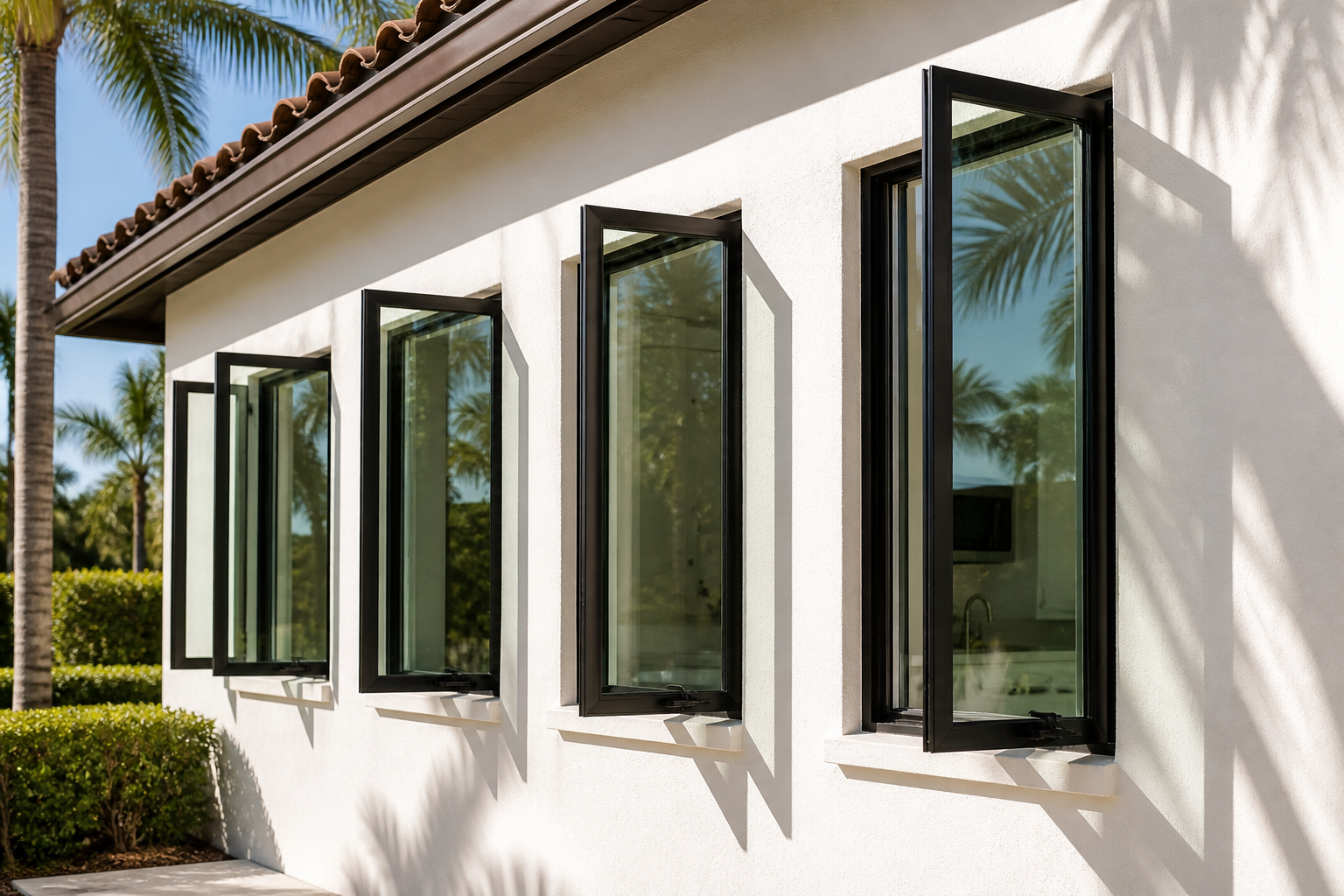
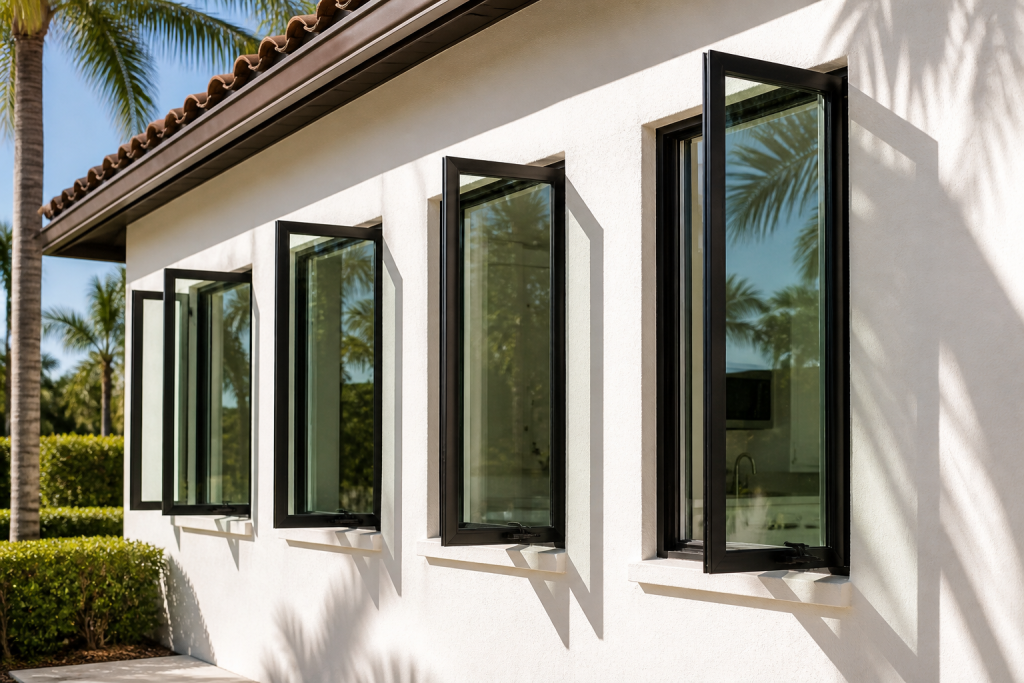
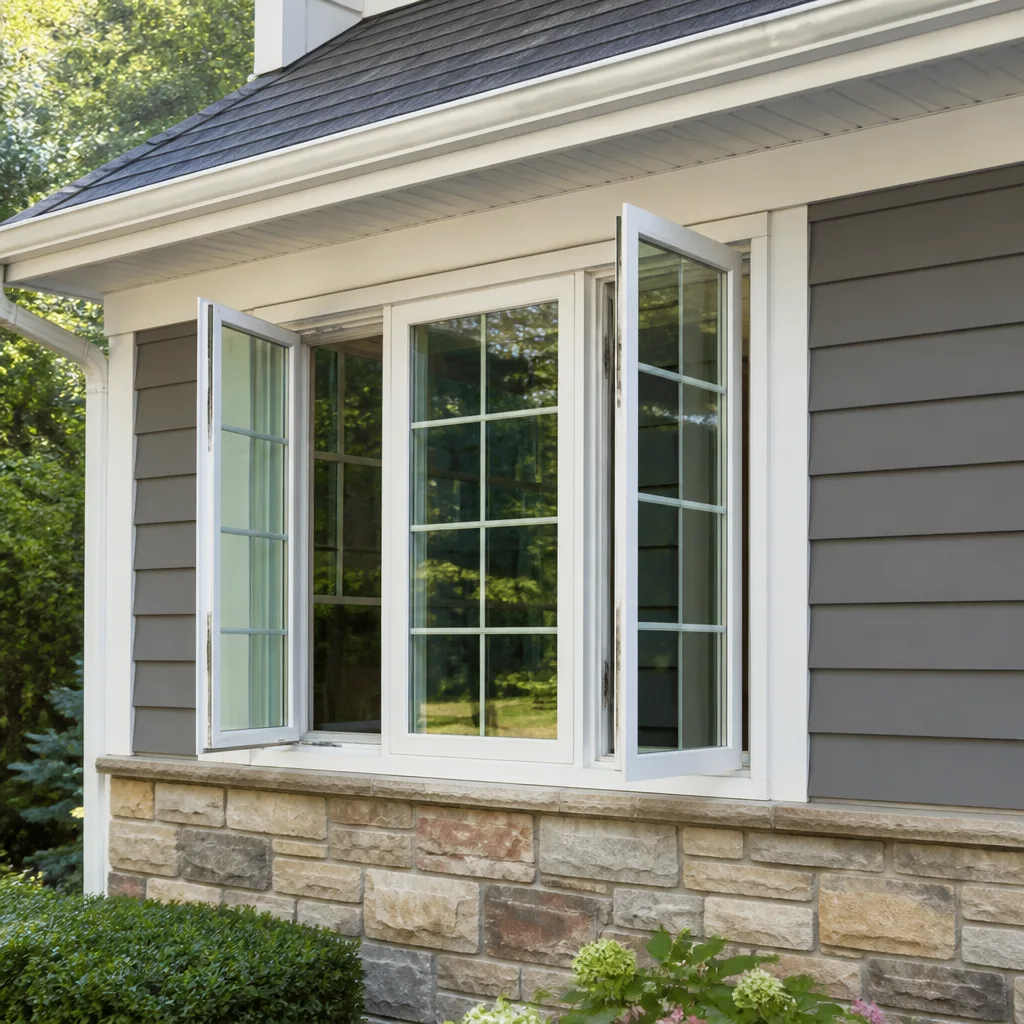
Casement windows operate on a hinge mounted at the side of the frame. You turn a crank handle, and the sash swings outward, giving you full top-to-bottom ventilation when you want it and an airtight seal when you don’t. That’s the appeal in Florida: cross-breezes matter here, and a casement window captures side wind better than a sliding window ever can.
The impact-rated version we install in Miami is built around the same principle but engineered for what a Category 4 storm can throw at your house. The frame is available in aluminum or vinyl, both of which hold up to Miami’s salt air and humidity. The glass is laminated impact glass, which means a PVB interlayer is bonded between panes so that if something hits the window, the glass cracks but stays in the frame. That’s the core of hurricane protection, and it’s non-negotiable for homes in the HVHZ.
Architecturally, casements work beautifully in Miami’s older Mediterranean and Spanish-style homes, as well as in modern coastal builds where clean lines and big glass matter. They’re a natural fit over kitchen sinks, in bathrooms where you want easy reach, and anywhere you want a window that opens fully rather than sliding halfway. TruePane Windows & Doors has installed casement windows from Homestead to North Miami Beach, and we’ve seen how well this profile performs in every wind zone Miami-Dade throws at a structure.
Technical Specifications
Here’s how the casement window line breaks down by material, glass, finish, and screen configuration. Every window is built to order for your opening, so these are the choices you’ll make during the quoting process:
- Frame materials: Aluminum or vinyl. Aluminum is the go-to for most Miami homes because of its strength-to-weight ratio and how well it takes a powder-coat finish. Vinyl is a solid energy-conscious option and resists the salt corrosion that coastal properties near Biscayne Bay deal with.
- Glass options: Laminated impact glass with a PVB interlayer, Low-E insulated glass, tinted glass, or clear glass. You can combine Low-E with laminated impact glass for a window that protects and insulates.
- Finish options: White, almond, bronze, black, and tan. These colors cover most of what we see across Miami, from the white trim on Coconut Grove cottages to the bronze frames on newer Sunrise Harbour condos.
- Screen options: Fixed screen or retractable screen. Fixed screens are the most common choice for casements because they sit on the interior and don’t interfere with outward operation.
- Design pressure: Matched to your specific wind zone, rated up to +/-100. We never oversell a design pressure higher than what your home actually requires.
Hurricane & Compliance Performance
Casement windows in Miami have to do more than open and close. They have to meet Miami-Dade County’s strictest building standards. Here’s what that means for the windows we install:
Laminated Impact Glass
Impact casements use laminated glass with a PVB interlayer. When debris hits the glass at speed, the glass may crack, but it stays adhered to the interlayer. Your window remains a barrier. That’s the difference between a broken window and a breached envelope during a storm in Miami.
Miami-Dade NOA / Florida Product Approval
Miami-Dade NOA (Notice of Acceptance) and Florida Product Approval numbers are issued per configuration. We verify the numbers for your exact window size, glass type, and frame material on your quote so your permit package is accurate. No guesswork, no generic paperwork.
FBC / HVHZ Compliance
Engineered to Florida Building Code (FBC) High-Velocity Hurricane Zone (HVHZ) requirements. HVHZ is the strictest wind standard in the state, and it applies to all of Miami-Dade and Broward counties. Every casement we install in Miami is built to that code.
TAS 201 / 202 / 203 Testing Context
HVHZ-rated products are tested under the TAS protocol family: TAS 201 for large-missile impact, TAS 202 for cyclic wind-pressure loading, and TAS 203 for forced-entry resistance. These tests simulate what a real hurricane does to a window: repeated hits and repeated pressure cycles, not just a single impact.
Design Pressure for Your Wind Zone
Design pressure is matched to your wind zone, up to +/-100. Every home in Miami has a calculated design pressure requirement based on its location, height, and exposure. We match the window to that number. Never higher, because there’s no reason to pay for rating you don’t need.
Energy Performance Options
Low-E and insulated glass options are available for casements. If you’re replacing windows in an older Miami home that still has single-pane glass, upgrading to Low-E laminated glass changes the comfort level inside the house dramatically. It cuts heat gain without changing the look.
Color & Glass Options
Miami homes have a particular look, and the right casement window finish respects it. White is the default on stucco Mediterranean homes and works with almost any trim color. Almond and tan pair well with the beige and sand tones you see around Coral Gables and Pinecrest. Bronze and black are the modern choice, especially on contemporary builds and remodeled mid-century homes in Miami Shores and the Upper East Side, where dark frames against white stucco give a sharp, clean line.
Glass selection depends on what the window faces. Clear laminated impact glass is the baseline: it protects, it looks like normal glass, job done. Tinted glass helps on west-facing walls where the Miami afternoon sun is relentless. Low-E insulated glass is the best all-around choice for east- and south-facing glass because it reflects heat while still letting in light. If a casement is going in a bedroom or a room where glare matters, tinted or Low-E is worth serious consideration.
Installation by TruePane Windows & Doors in Miami
Here’s the truth about impact windows: even a Miami-Dade NOA-rated casement window is only as good as the installation around it. The NOA covers the product. The installation is what makes it perform. We’ve seen poorly installed impact windows leak air, bind when you crank them, and fail water tests because the perimeter seal was rushed. That’s why our Miami installation crews follow a consistent process on every job.
We start with a pre-install inspection. We measure the existing opening, check the condition of the rough framing, and identify any rot or water damage before the new window goes in. The new casement is set level, plumb, and square. That matters more with casements than with most window types because the crank mechanism only operates smoothly when the frame is square. A fraction of an inch off, and the sash binds at the hinge or fails to seat evenly against the compression seal.
We seal the perimeter with AAMA 812 low-expansion foam, then trim and flash per AAMA 2400/2410 installation practice. The final step is a water test to confirm the window sheds water correctly before we clean up. Because we work throughout Miami-Dade, we know the permitting requirements for HVHZ jurisdictions. If your municipality requires a Florida Product Approval or NOA submittal with the permit, we include the correct documents for your configuration. No back-and-forth with the building department, no surprises.
Coastal exposure changes things too. Homes within a few blocks of Biscayne Bay or the Atlantic face higher wind pressures and more salt in the air. We account for that when we specify the frame finish and anchor schedule. A casement on the 20th floor of a Brickell tower has a different design pressure requirement than one on a single-story house in Westchester, and our quotes reflect that.
Frequently Asked Questions - Casement Windows
Design pressure is matched to your specific wind zone, rated up to +/-100. Your home’s required design pressure depends on where in Miami you live, how tall the building is, and how exposed the opening is. We calculate that from your address and match the window to the number, never higher. Call (561) 956-2754 and we’ll spec it for your exact address.
Lead time varies by configuration, glass package, and finish. Custom colors and Low-E insulated glass add time compared to a standard white frame with clear impact glass. We give you a written lead-time estimate on your quote so you can plan your project around it. If you’re working with a contractor, share the quote with them early so the schedule lines up.
Yes, if your project is in an HVHZ jurisdiction, which includes all of Miami-Dade County. The permit package needs the NOA or Florida Product Approval number for the exact window configuration you’re installing. We provide the correct documentation with your quote. The building department will not accept a generic approval number that doesn’t match your specific window size and glass type, so don’t let anyone tell you otherwise.
Yes. Casements are built to order, so we configure them to your exact opening dimensions, glass package, finish, screen type, and hardware finish. If you have an unusual opening or want a specific combination of tinted glass and bronze frame, we can do that. The NOA and product approval are verified per configuration, which is why the quote process takes a little time. Call (561) 956-2754 to start the conversation.
Casement windows need light maintenance to keep the crank mechanism smooth and the compression seal tight. Wipe down the tracks and hinges with a dry cloth, and keep the perimeter seal free of debris. Don’t pressure-wash the frame or seal - the force can damage the weatherstripping. If the sash ever feels stiff when you crank it, call us before forcing it. A stiff casement is usually an alignment issue, and cranking harder just makes it worse.
Get a Quote - Casement Windows in Miami
If you’re replacing windows in Miami, casements deserve serious consideration. TruePane Windows & Doors will spec the right design pressure, verify the NOA for your configuration, and install it so the window performs like it’s supposed to. Call (561) 956-2754 to schedule a free on-site measurement and get a written quote on casement windows for your home.
Written by the team at TruePane Windows & Doors, serving Miami, FL with hurricane-impact window and door installation.
Six Reasons Homeowners Choose TruePane Windows & Doors
Impact systems engineered to design pressures up to +/-100, matched to your wind zone - your openings hold when the storm arrives.
Low-E insulated impact glass from our manufacturer lines commonly cuts monthly cooling bills 20-30%.
Laminated impact glass shuts out up to 40% of outside noise - traffic, neighbors, weather.
Monitoring services run $30-90 a month. Laminated impact glass resists forced entry around the clock, with no subscription.
Florida homeowners average around 25% savings on the windstorm portion of their policy after protecting every opening - some homes qualify for more.
A full impact package upgrades curb appeal, buyer confidence and appraised value in one project.
Other TruePane Windows & Doors Services
What Neighbors Say About TruePane Windows & Doors
Detailed Images