
Last updated August 28, 2026
Free in-home measure and quote - PGT, CGI and CWS impact lines compared on your actual openings, style by style

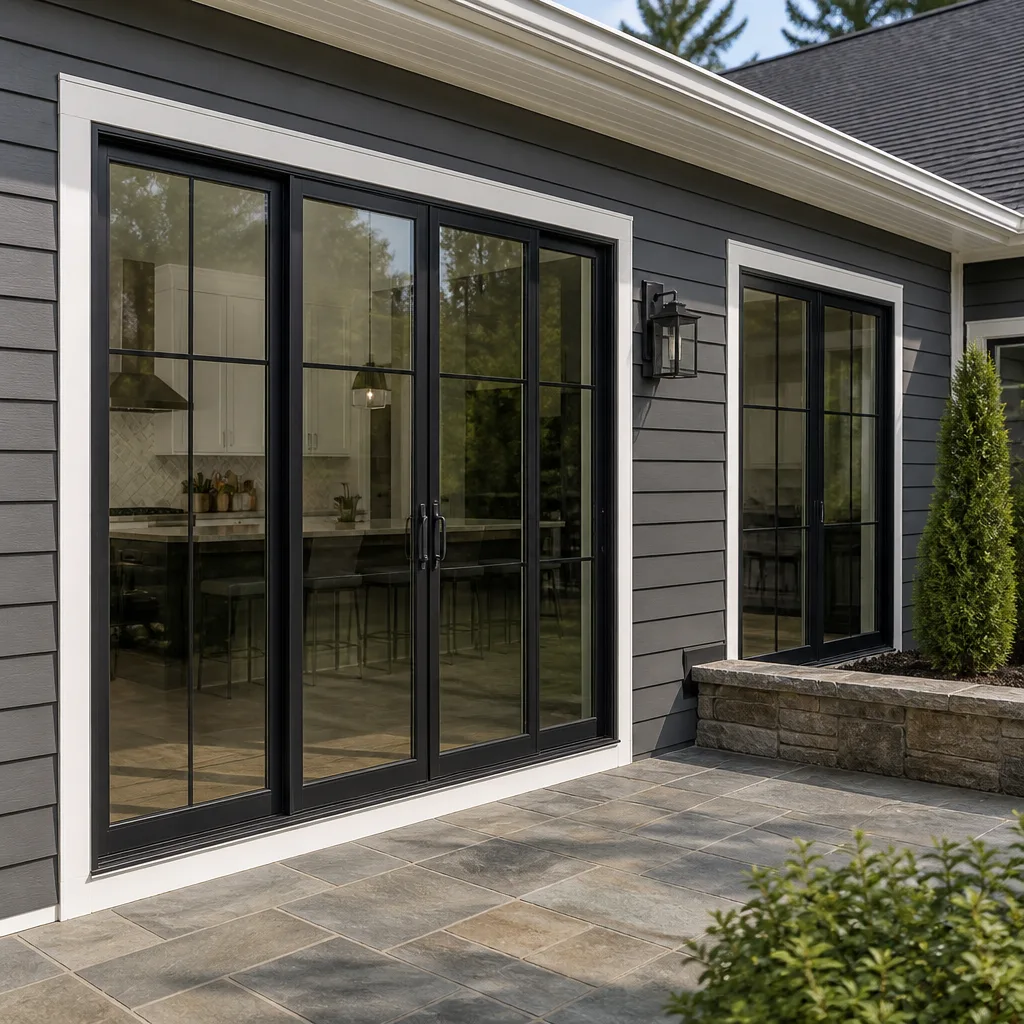
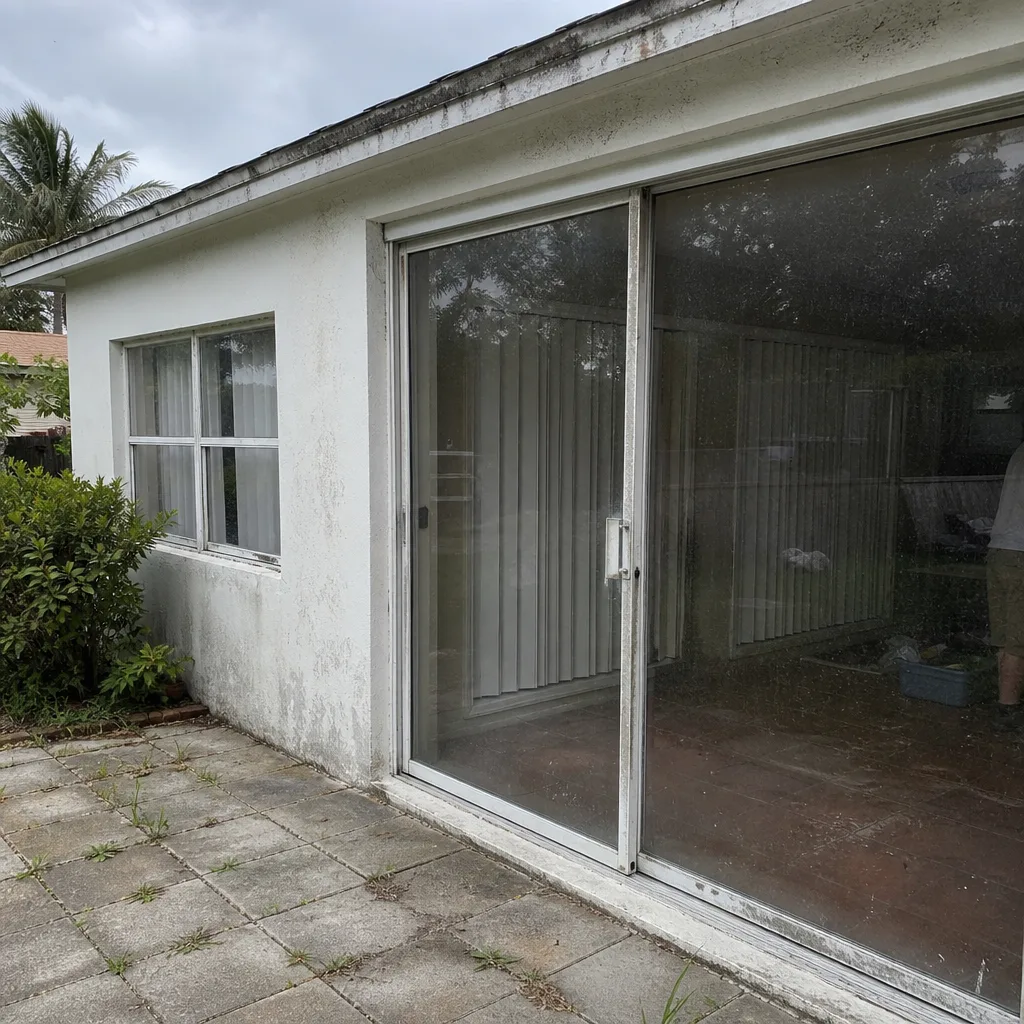 Before
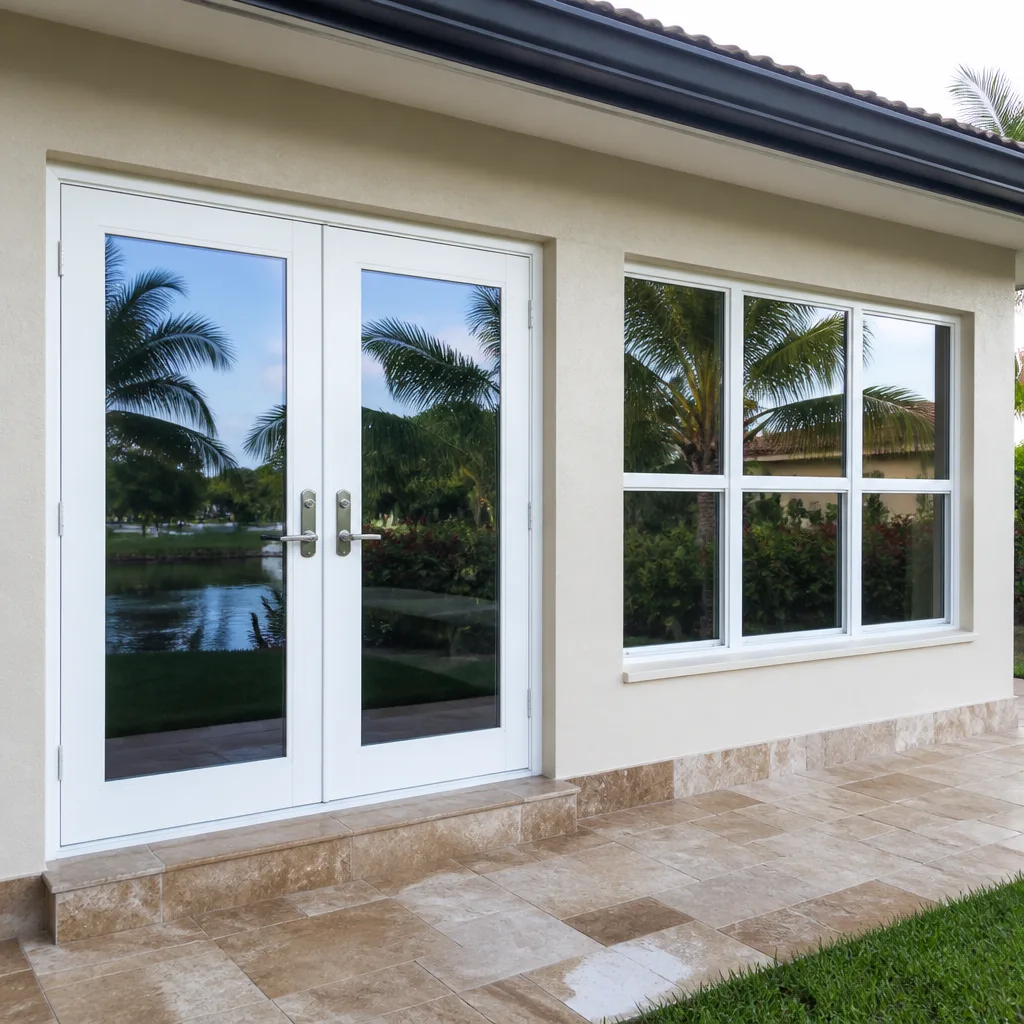 After
After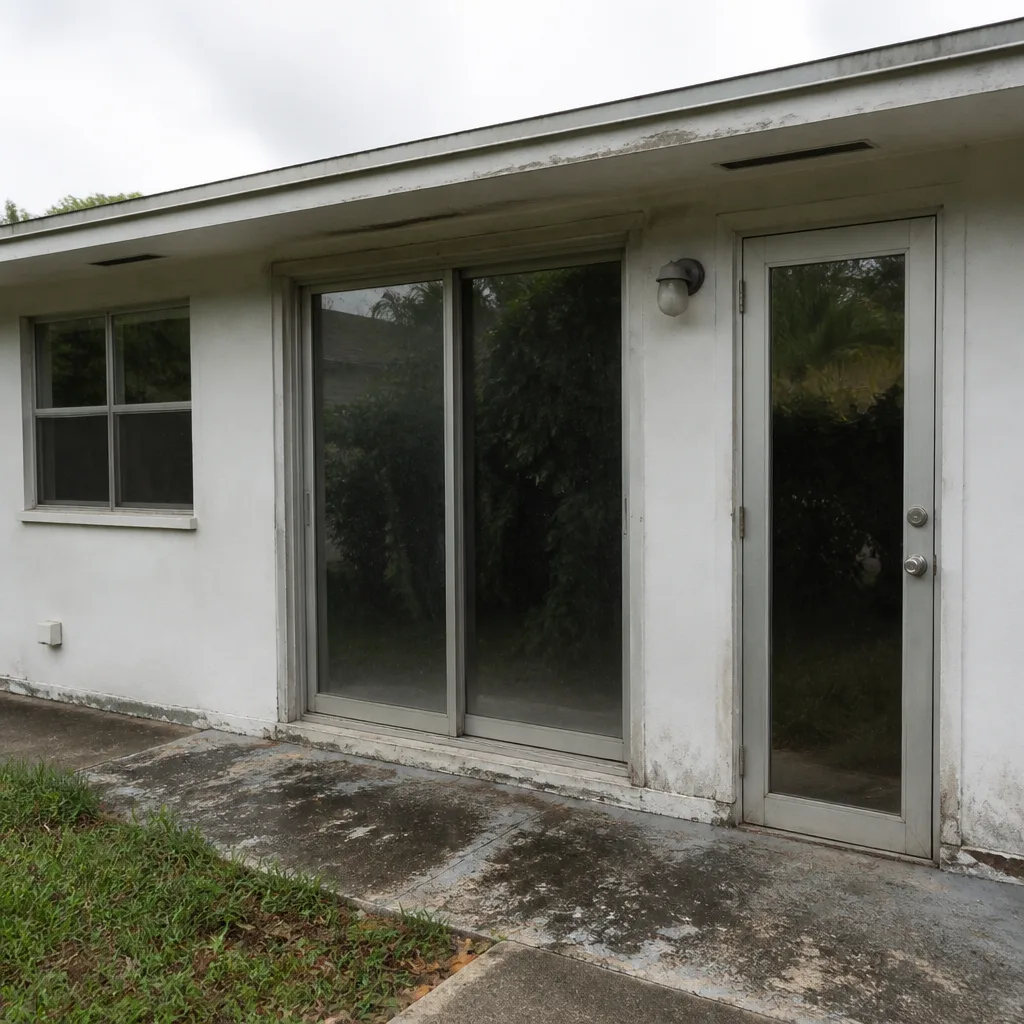 Before
 After
After Before
 After
AfterDIY vs Professional Windows & Doors: The Miami Homeowner’s Decision Guide
Miami is among the only places in America where a homeowner’s decision to install their own window can void their hurricane insurance before the first storm arrives. Florida Statute 489 says you can act as your own contractor on a primary residence, but Miami-Dade’s High Velocity Hurricane Zone adds a layer that most general DIY advice never mentions: the unit must carry a current NOA, it must be inspected mid-installation, and the installer must document every step against the approved method. This guide walks through exactly what a Miami homeowner can legally do alone, what requires a licensed specialist, and where the costs actually land in 2026.
Quick Answer
For cosmetic maintenance like caulking, weatherstripping, and hardware adjustment, a Miami homeowner can handle the work without a permit. For any window or door replacement in Miami-Dade County, especially anything rated for impact, the practical and legal answer is a licensed professional, because mid-installation inspections, NOA documentation, and wind policy compliance are not weekend skills. A failed inspection does not mean you fix a detail; it can mean the unit comes out and the process starts over at your expense. Call TruePane Windows & Doors home at (561) 956-2754 for a free estimate before you commit to the DIY route.
Table of Contents
- The Legal Line: What a Miami Homeowner Can Actually Do
- Why Miami Is Different From the Rest of Florida
- Insurance Consequences: How a Self-Install Affects Your Wind Policy
- The True Cost of a DIY Replacement in Miami-Dade
- Installation Steps That Require a Second Pair of Trained Hands
- When a Handyman Makes Sense vs. a Glazing Specialist
- What a Failed Mid-Installation Inspection Actually Costs
- The DIY Skills Worth Learning for Miami Homeowners
The Legal Line: What a Miami Homeowner Can Actually Do
Florida law draws a sharper line than most homeowners realize, and Miami-Dade draws it sharper still. Under Florida Statute 489.103(7), a homeowner may act as their own contractor on a primary residence without holding a license, provided the work is done for their own use and not for sale or lease within one year. That sounds generous until you read the local amendments.
In Miami-Dade, any replacement of an exterior window or door in the High Velocity Hurricane Zone requires a permit pulled by a licensed contractor or a properly qualified owner-builder. The owner-builder path exists, but it carries a specific burden: you must personally appear at the building department, sign an affidavit stating you understand the liability, and demonstrate that the work will comply with the Florida Building Code, including HVHZ requirements. The county does not ask whether you’re handy. It asks whether you can document compliance.
Here is where the line sits in practice.
What a Miami homeowner can legally self-perform without a permit
- Caulking and resealing around existing windows and doors, provided the frame and fasteners remain unchanged
- Replacing weatherstripping, sweeps, and door gaskets
- Adjusting hinges, handles, locks, and operators on existing units
- Cleaning tracks and applying lubrication to rollers and hardware
- Replacing a window screen or a sliding door screen assembly
- Tightening loose interior trim, casing, or interior stops
What requires a permit and a licensed professional in Miami-Dade
- Removal and replacement of any exterior window or door, including same-size swaps
- Installation of any impact-rated window, door, or shutter system
- Any change to the rough opening, header, or structural framing
- Replacement of a window that changes the glazing type or design pressure rating
- Any work that touches the exterior water-resistive barrier or stucco return
- Installation of doors wider than 36 inches or any sliding door assembly
We’ve watched capable homeowners take on a same-size window swap in Kendall and Coral Gables, only to stop when the inspector asks for the fastener schedule and the NOA page signed by the engineer. The code treats your window as part of the building envelope. Installed wrong, it becomes a three-by-five-foot hole in the wind load path. For a deeper look at what a compliant installation entails, see Window Installation in Miami.
Why Miami Is Different From the Rest of Florida
A homeowner in Tampa can pull an owner-builder permit for a window replacement and face a standard inspection at the end. A homeowner in Miami faces something closer to a performance audit. Miami-Dade sits inside the High Velocity Hurricane Zone, the only such zone in the continental United States east of the Mississippi. The county’s building code is not a suggestion layered on the state code; it is a separate chapter with its own approval system for every window model installed in the county.
The Notice of Acceptance, called an NOA, is the central document. Every window installed in Miami-Dade must carry a current NOA issued by the county’s Product Control Division. The NOA is not a manufacturer’s warranty card. It is an engineering approval that includes the exact installation method, the approved anchors and fasteners, the required spacing for those fasteners, the sealant specifications, and the design pressure rating for the specific size opening. If the window you buy is an inch too large for the NOA’s approved dimensions, it cannot legally be installed, even if it is the same brand and series as one that can.
This creates a specific problem for the DIY buyer. The big-box stores sell windows in Miami that carry NOAs, but the paperwork does not walk you through the tables. A homeowner who buys a PGT or CGI unit on sale at a supply house receives a product with an approval number stamped on it, not a lecture on which anchors to use at the corners versus the jambs. The installation method is a separate document, and the inspector will check your work against it.
Miami’s climate adds another layer. The combination of salt air along the coast, annual rainfall measured in feet rather than inches, and summer humidity that can hover near 90 percent means that sealant choices matter in ways they do not in Orlando. A window set with the wrong sealant might pass the day it’s inspected and leak in eighteen months. In our experience across Miami neighborhoods, from Cutler Bay to Aventura, the failures we’re called to fix are rarely the glass; they’re the perimeter.
The county also requires mid-installation inspections that most other Florida jurisdictions do not. After the rough opening is prepared and the unit is set, but before the interior trim and stucco work close everything up, an inspector must verify the anchoring. Wait until the end like you would in Sarasota, and you’ll be pulling trim off so the inspector can see what he should have seen two weeks earlier.
Insurance Consequences: How a Self-Install Affects Your Wind Policy
The least understood risk of a DIY window replacement in Miami is what happens to your wind policy when the claim arrives. Florida residential insurance policies, including Citizens Property Insurance Corporation policies and most private carriers writing in the state, contain language that conditions coverage on the dwelling having been constructed and maintained in compliance with applicable building code at the time of the loss. That clause gets cited more often than any other in denied window claims.
Here is how it plays out. A homeowner replaces a front window himself, does careful work, and six months later a late-season storm throws a branch through it. The adjuster arrives, asks for the permit history on the replacement, and finds that the window was installed under an owner-builder permit that never received a final inspection, or was never permitted at all. The claim is now not about the broken glass. It is about whether the opening complied with HVHZ requirements at the time of the loss.
Insurers do not need to prove the window failed because it was installed wrong. They need to show that the installation creates a compliance question, and that shifts the burden to you. In Citizens policy forms, the relevant section is typically the “Concealment, Misrepresentation, or Fraud” and “Duties After Loss” provisions, but the operational language most adjusters cite appears in the policy’s compliance and building ordinance clauses. A homeowner who cannot produce a final inspection and a signed NOA confirmation has a hard time proving the window met code at the time of the storm.
There is a second issue: wind mitigation credits. Many Miami homeowners carry a wind mitigation inspection report that entitles them to premium discounts for impact-rated openings. If you replace a window yourself and the work does not match the installation method on the NOA, your next wind mitigation inspection may downgrade the credit. The premium difference on a three-bedroom home in Miami-Dade can be several hundred dollars a year, every year, for the life of the policy.
We tell homeowners this not to frighten them but to make the math honest. The money saved on labor becomes a liability on the policy. Some homeowners do fine. The ones who don’t call us after the claim is denied, and by then the fix costs more than the original install. For more context on how replacement choices affect long-term value, read Window Replacement in Miami.
The True Cost of a DIY Replacement in Miami-Dade
The honest cost comparison for a Miami-Dade window replacement looks different from the national DIY savings charts. Those charts assume the only cost of DIY is the window and a Saturday. In Miami, the DIY column has extra rows that most calculators leave out.
Line-item cost comparison, single impact window, Miami-Dade 2026
- Impact window unit with NOA, 48 x 48, mid-grade: $650 to $1,100 at retail
- Owner-builder permit application fee: typically 1 to 2 percent of job value, with a minimum that runs around $150 to $250 in most Miami-Dade municipalities
- Mid-installation inspection fee: included in the permit fee in some municipalities, separate at $75 to $150 in others
- Disposal of old unit: $25 to $60 at the transfer station unless you have a bulk pickup window
- Fasteners, sealant, flashing, and shims to match the NOA: $80 to $180 at contractor-grade pricing
- Professional installation for the same unit, permitted and inspected: $350 to $650 labor, depending on access, floor height, and existing condition
The spread is not as wide as the national charts suggest, and that is before you count a failed inspection. When a homeowner sets the window with the right fasteners but the wrong pattern, the inspector issues a correction notice. The homeowner now pays a reinspection fee, which in Miami-Dade runs around $75 to $125 per visit, and loses the weekend. If the correction cannot be verified because the perimeter is closed up, the trim comes off, the stucco patch is opened, and the labor cost of doing it twice erases the savings entirely.
There is also the cost of buying a window without a direct relationship to a supplier. A licensed contractor buying PGT or CGI units in volume pays a different price than a homeowner buying one unit at a supply counter. We see homeowners pay retail prices that are 15 to 25 percent higher than what the same unit costs through a trade account. The savings on labor can disappear in the materials markup before the first fastener goes in.
Installation Steps That Require a Second Pair of Trained Hands
Even if a homeowner clears every legal hurdle and understands the NOA, there are physical steps on an impact window install that should not be attempted alone. This is not about skill. It is about weight, geometry, and the way a 150-pound unit behaves when it is half in the opening and the wind picks up.
A 48-by-60 impact window can weigh 140 to 190 pounds depending on the glass and frame. Setting it from the exterior of a second-floor opening with a ladder underneath you is a maneuver that has injured careful men. We have been called to finish jobs that started with a homeowner and a neighbor carrying a unit up a rented scaffold, and the out-of-true frame was the least of the problems. For a full picture of how a professional crew handles these jobs, see Impact Windows in Miami.
- Setting the unit in the rough opening. Miami-Dade’s installation methods prescribe a minimum shim pattern and a level tolerance that is tighter than general construction practice. Holding a 150-pound unit level while shimming the corners is a two-person job, and one of those people needs to know when the frame has loaded correctly on the sill.
- Fastening to the prescribed schedule. The NOA specifies spacing, edge distance, and anchor type. On a concrete block or poured concrete opening, this means drilling into masonry with a hammer drill and setting the right anchors at the right torque. A homeowner with a consumer-grade drill will struggle to make clean holes in 50-year-old Miami block, and an anchor that spins in the hole means a new hole.
- Applying the sealant system. Miami-Dade inspections look at the sealant joint dimension, the backer rod, and the type of sealant against the NOA. This step is unforgiving in Miami’s humidity, and it is the one where DIY work fails most often, not immediately, but at the first storm season when wind-driven rain finds the gap.
- Interior and exterior trim and flashing integration. The window is not done when the screws are in. The flashing, the water-resistive barrier tie-in, and the trim work all have to shed water the way the engineer drew it. This step determines whether the wall rots around the window in five years.
A second pair of hands, trained in the installation method from the NOA and experienced enough to recognize when an opening needs more attention than the drawing showed, changes the risk profile of every one of those steps. That is the difference between a contractor who installs windows every week and a homeowner who reads the instructions once.
When a Handyman Makes Sense vs. a Glazing Specialist
There is a narrow middle ground in Miami where a licensed handyman or general contractor is the right call, and it is narrower than most homeowners think. The key is scope: the moment the work touches the building envelope, the glazing specialist becomes the only defensible choice.
A licensed handyman is appropriate for interior work that does not affect the water barrier or the structural fastening. Replacing interior door hardware, adjusting a sliding door roller, swapping interior door slabs, patching drywall around a previous window opening, painting window trim. These are tasks where the handyman’s general competence is sufficient, and the county does not care who does them.
The boundary is the exterior skin. In Miami-Dade, anyone installing or replacing an exterior window or door that requires a permit must be a licensed contractor with the appropriate qualifying scope. A general contractor can pull the permit and may sub the work to a glazing specialist, but the responsibility lands on the permit holder. A handyman who says he’s done windows for years but cannot show you a Florida contractor’s license with a glass and glazing or building specialty should not be setting a PGT unit in your wall.
The brands involved matter too. Miami homeowners who want PGT, CGI, CWS, or ES Windows units installed under the full manufacturer warranty need an installer authorized by the manufacturer. A general contractor who buys a window at a supply house and installs it without the manufacturer’s authorization does not necessarily void the product warranty, but the installation warranty and the labor coverage often only apply when the factory trains and certifies the installer. The homeowner who assumes the product warranty covers the installation learns otherwise when the service call arrives.
Our position, after four decades in the trade, is simple: interior hardware, a handyman is fine. Anything that keeps wind and water out of the house, use a glazing specialist who installs that manufacturer’s units every month. The cost difference is modest. The risk difference is the wall.
What a Failed Mid-Installation Inspection Actually Costs
The mid-installation inspection in Miami-Dade is where the DIY decision gets expensive. A homeowner who fails this inspection is not asked to fix a detail. The inspector issues a correction notice describing what does not match the approved installation method, and the homeowner must respond with proof that the problem is resolved.
The most common failures are anchor spacing that does not match the NOA, the wrong sealant, missing flashing, or a unit that was not shimmed level before anchoring. The corrections range from simple to structural.
- Anchor correction. If the anchor pattern is wrong, the inspector must see the corrected pattern. That means pulling the trim and sometimes removing interior casing so the anchors are visible. The homeowner pays for the reinspection, typically $75 to $125 in Miami-Dade municipalities.
- Sealant correction. If the wrong sealant is in the joint, the old bead is cut out, the joint is cleaned, and the right product is applied per the NOA. On a hot Miami afternoon, this is a full day of mess and a hundred dollars in materials.
- Flashing correction. If the flashing is missing or wrong, the perimeter may need to be opened, the water barrier corrected, and the wall patched. This can double the labor of the original install.
- Full removal. If the unit is set so far out of level or plane that shimming cannot correct it, or the anchor holes are so compromised that the frame cannot be properly fastened, the inspector can require the unit to come out. The opening is repaired, and a new unit is installed. The homeowner eats the cost of the first unit, the disposal, the permit amendment, and the second installation.
The math on a full removal is brutal. A $700 window becomes a $2,000 story, and the homeowner now has a failed inspection on the property record that must be explained at resale. Miami’s real estate market is sophisticated enough that buyers and their inspectors look for unpermitted work, and open permits or correction notices are red flags on a disclosure form.
The DIY Skills Worth Learning for Miami Homeowners
None of this means a Miami homeowner should be helpless around their windows and doors. The right DIY education is about maintenance, not installation, and the annual work is where a homeowner can genuinely save money and extend the life of the units.
Our advice after years in this market: learn the maintenance skills thoroughly, leave the installation to the glazier, and treat the maintenance as the place where your attention pays off. Here is what we recommend every Miami homeowner know how to do.
- Cleaning tracks and weep holes. Miami’s wind-driven rain moves soil and debris into the tracks. Weep holes that clog become drainage failures, and a $10 bottle of cleaner and a toothbrush prevent a $400 service call.
- Checking and replacing weatherstripping. The rubber and foam gaskets on Miami windows degrade in the UV and salt air within three to five years. Replacing them is a 20-minute job per window and keeps the seal tight.
- Adjusting sliding door rollers. A door that binds in July is almost always a roller adjustment, not a door replacement. The adjustment screws are accessible with basic tools, and the fix costs nothing.
- Lubricating locks and hinges. Coastal salt air corrodes hardware faster than most homeowners expect. A silicone lubricant applied twice a year keeps locks from seizing and hinges from squeaking.
- Inspecting caulk lines annually. Walk the perimeter of every window and door in October, before the dry season ends, and look for cracked or separated sealant. Catching it early means a recaulk instead of a water intrusion claim.
These are the jobs where a careful homeowner saves real money and keeps the home healthy. They carry no permit requirement, no inspection, and no insurance consequence. They also make the professional’s job easier when the replacement day comes, because the openings are clean, the hardware is maintained, and the homeowner understands how the unit is supposed to perform.
Common Mistakes to Avoid
- Assuming the Florida owner-builder exemption applies in Miami-Dade without reading the county’s HVHZ rules. The state statute and the county code are two different documents, and the county code is the one the inspector enforces. A homeowner who pulls an owner-builder permit without understanding the NOA requirement will fail the first inspection.
- Buying a window on price without checking the NOA dimensions. A unit that is outside the approved size range for that model cannot be installed legally in Miami-Dade, no matter how good the deal was. The window sits in the garage and the homeowner starts over.
- Skipping the mid-installation inspection on the theory that the final inspection will catch everything. Miami-Dade requires the mid-installation inspection for a reason. Closing up the wall before the inspector sees the anchors means opening it back up on your own dollar.
- Using standard silicone sealant where the NOA specifies a polyurethane or hybrid. The joint looks fine for a season, then fails in the first real storm. We see this on homes from Homestead to North Miami.
- Hiring a handyman who “does windows” without verifying the license and manufacturer authorization. In Miami-Dade, anyone installing an exterior window that requires a permit must hold a contractor’s license. The savings disappear when the claim arrives and the paperwork does not hold up.
- Ignoring the wind mitigation credit on your policy. A homeowner who replaces windows without documentation loses the premium discount on renewal, and the annual difference compounds for as long as the policy is in force.
- Treating a window replacement as a single-unit project when the home has multiple aging units. Miami’s climate ages windows on the same schedule. Replacing them one at a time means paying permit fees multiple times and never getting the full wind mitigation benefit.
When to Call a Professional
Call a professional when the work requires a permit, when the unit is impact-rated, when the opening is above the first floor, or when the wall has water damage that needs correcting before the window goes in. Call when you do not have a second trained person to help carry and set the unit, and call when the NOA instructions read like a different language. None of those are signs of defeat. They are signs of a homeowner who understands that Miami-Dade treats windows as part of the structural envelope, not as a household project. TruePane Windows & Doors offers free estimates in Miami, and our team has set thousands of impact units under NOA-approved methods, from the first measurement to the final inspection. For more guides & resources, explore our blog, or call (561) 956-2754 for an honest assessment of your openings and your options.
Frequently Asked Questions
A Miami-Dade homeowner can replace a window under an owner-builder permit, but the window must carry a current NOA, the installation must follow the approved method exactly, and a mid-installation inspection is required. Most homeowners find the documentation and inspection burden exceeds the labor savings once reinspection fees and correction time are counted.
Professional installation labor for a standard impact window in Miami-Dade typically runs $350 to $650 per unit, depending on access, floor height, and the existing condition of the opening. The permit, inspection, and materials are additional, and a full replacement project for an average home runs between $8,000 and $25,000 depending on unit count and brand. Call (561) 956-2754 for an exact quote on your openings.
A DIY window replacement without a final inspection and NOA documentation creates a compliance question that insurers can and do cite when denying wind claims. The policy language conditioning coverage on code compliance means the burden falls on you to prove the window met HVHZ requirements at the time of the loss.
An NOA, or Notice of Acceptance, is a Miami-Dade County engineering approval that specifies the window model, the approved sizes, the fasteners, the sealants, and the installation method for that product. Every window installed in the county must carry a current NOA, and the inspector checks the installation against that document.
A handyman can perform interior work like hardware adjustment, trim work, and door slab swaps, but any replacement of an exterior window or door in Miami-Dade requires a licensed contractor with the appropriate scope. Manufacturer warranties on impact brands like PGT, CGI, and ES Windows typically require installation by an authorized installer for full labor coverage.
A single window replacement by an experienced crew takes one day, including setup, removal, installation, and cleanup. Full-home replacement of 10 to 15 windows typically runs 2 to 4 days, with the mid-installation and final inspections scheduled by the contractor. Larger projects or those with stucco repair and trim work can extend the timeline.
The Bottom Line
The DIY window replacement question in Miami is not about skill or pride. It is about jurisdiction, and Miami-Dade’s jurisdiction is among the strictest in the nation for a reason. A homeowner who reads the NOA, pulls the owner-builder permit, and passes the inspection has earned the right to say they did it. The ones who skip a step find the savings were imaginary. For every other homeowner, the professional route costs more upfront and less over time, keeps the insurance policy intact, and leaves a documented, inspectable installation that holds up at resale. We stand behind that standard, and we have for over 42 years.
Written by Dale Kessler, Owner at TruePane Windows & Doors, serving Miami since 2008.
Six Reasons Homeowners Choose TruePane Windows & Doors
Impact systems engineered to design pressures up to +/-100, matched to your wind zone - your openings hold when the storm arrives.
Low-E insulated impact glass from our manufacturer lines commonly cuts monthly cooling bills 20-30%.
Laminated impact glass shuts out up to 40% of outside noise - traffic, neighbors, weather.
Monitoring services run $30-90 a month. Laminated impact glass resists forced entry around the clock, with no subscription.
Florida homeowners average around 25% savings on the windstorm portion of their policy after protecting every opening - some homes qualify for more.
A full impact package upgrades curb appeal, buyer confidence and appraised value in one project.