
Free in-home measure and quote - PGT, CGI and CWS impact lines compared on your actual openings, style by style
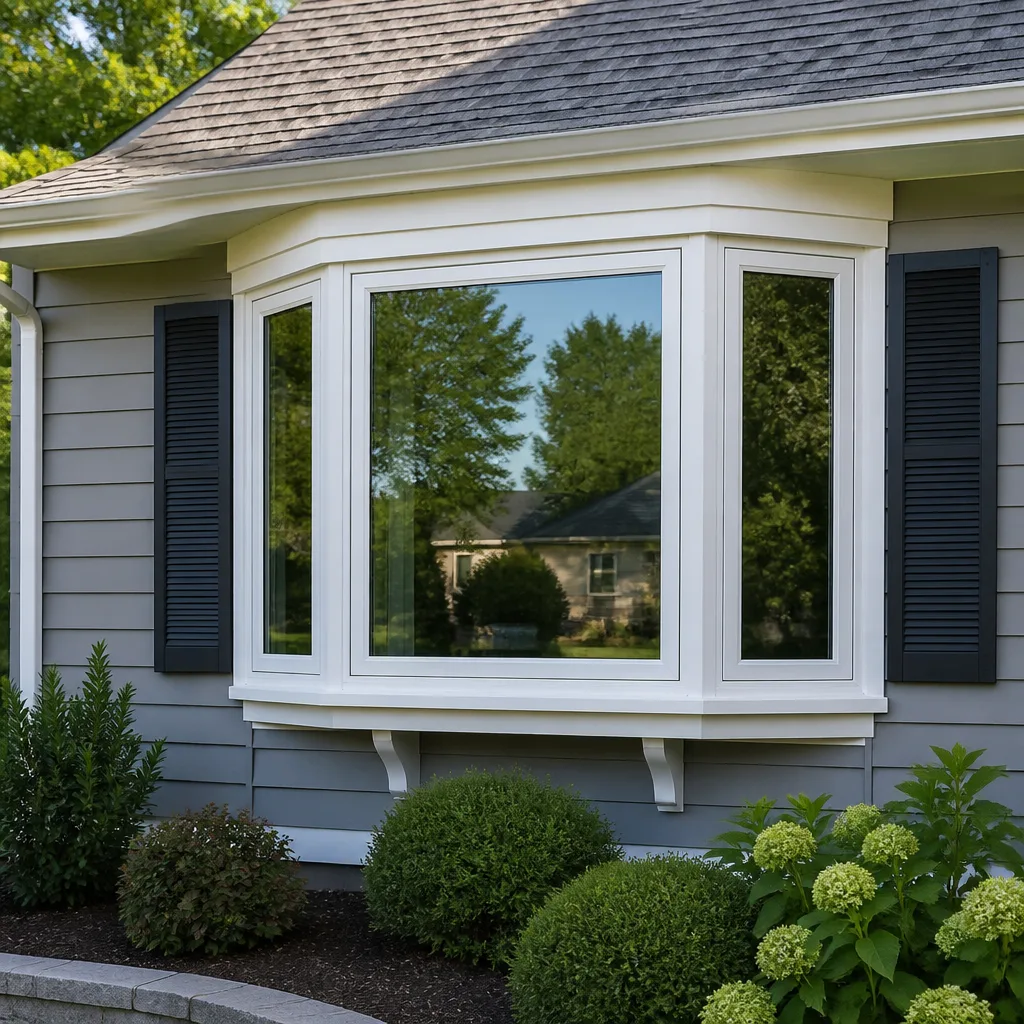
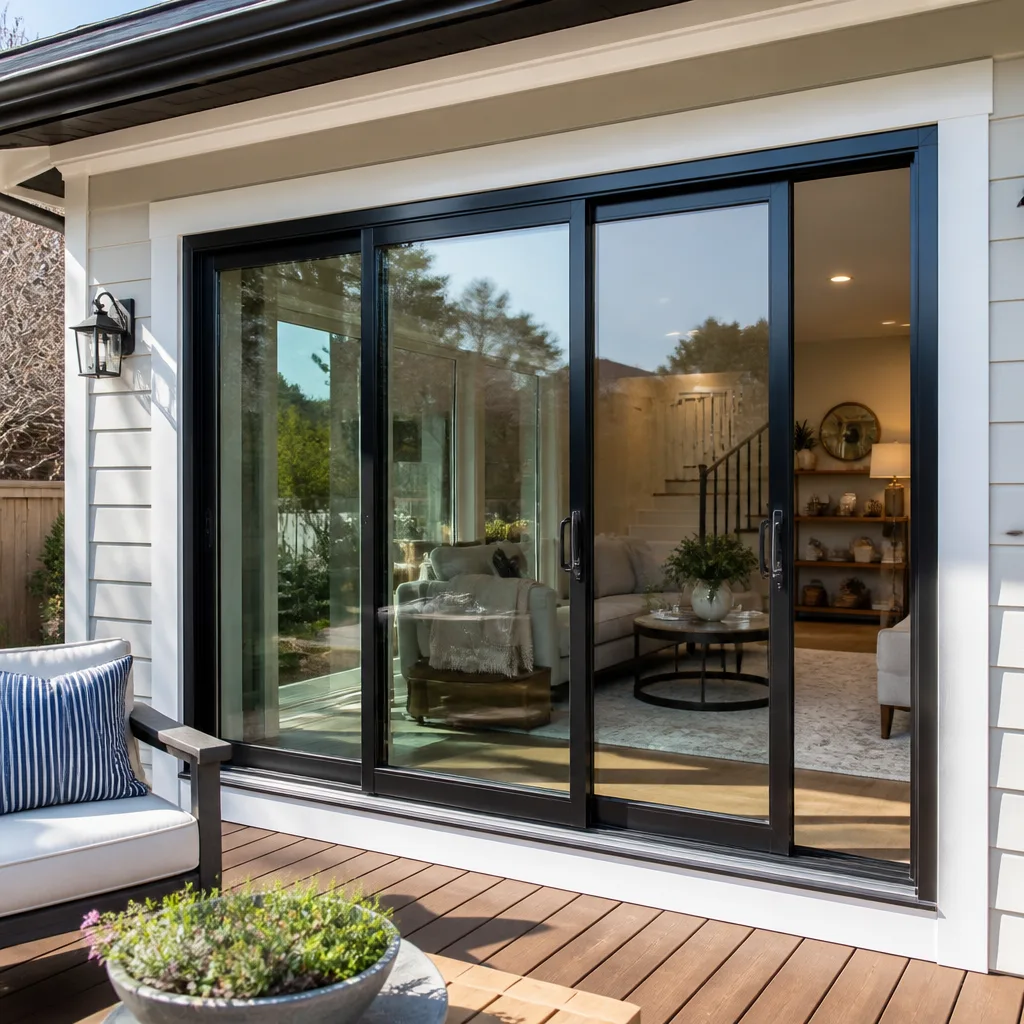
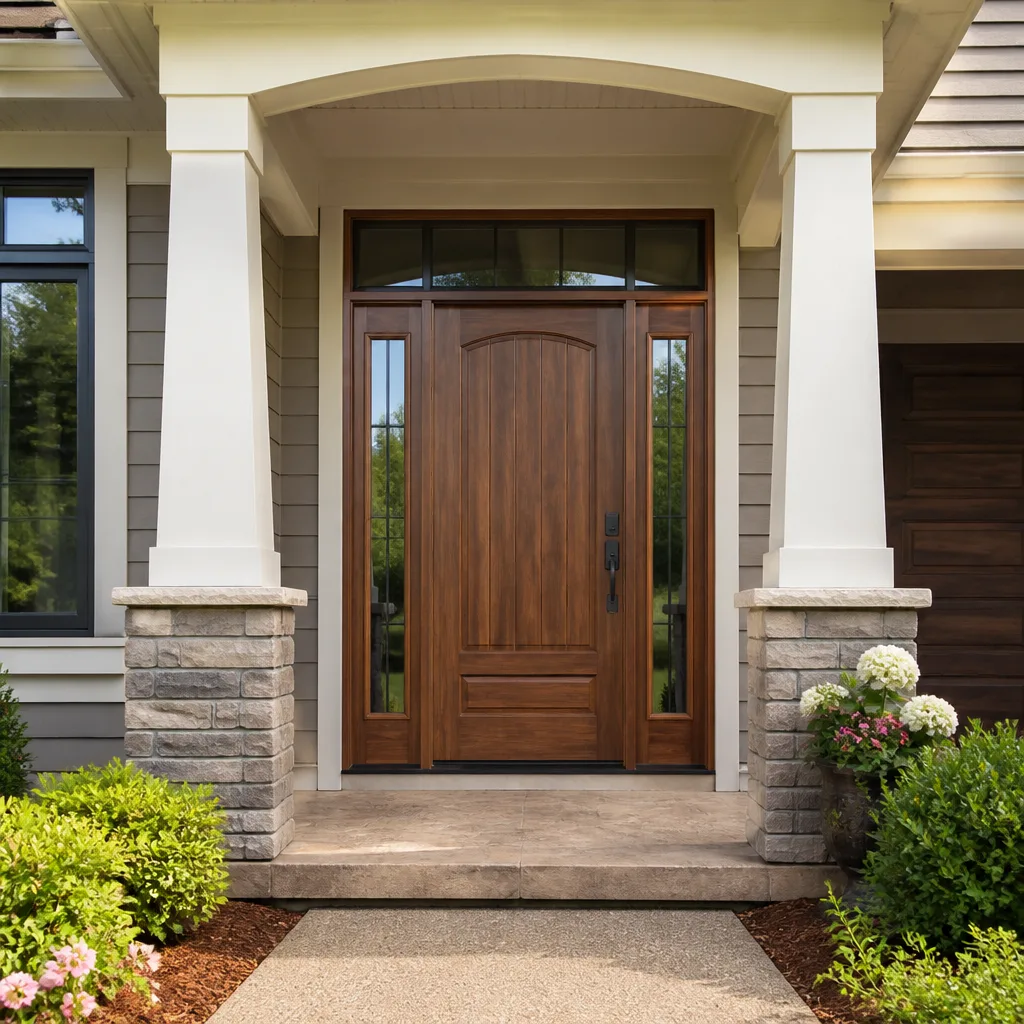
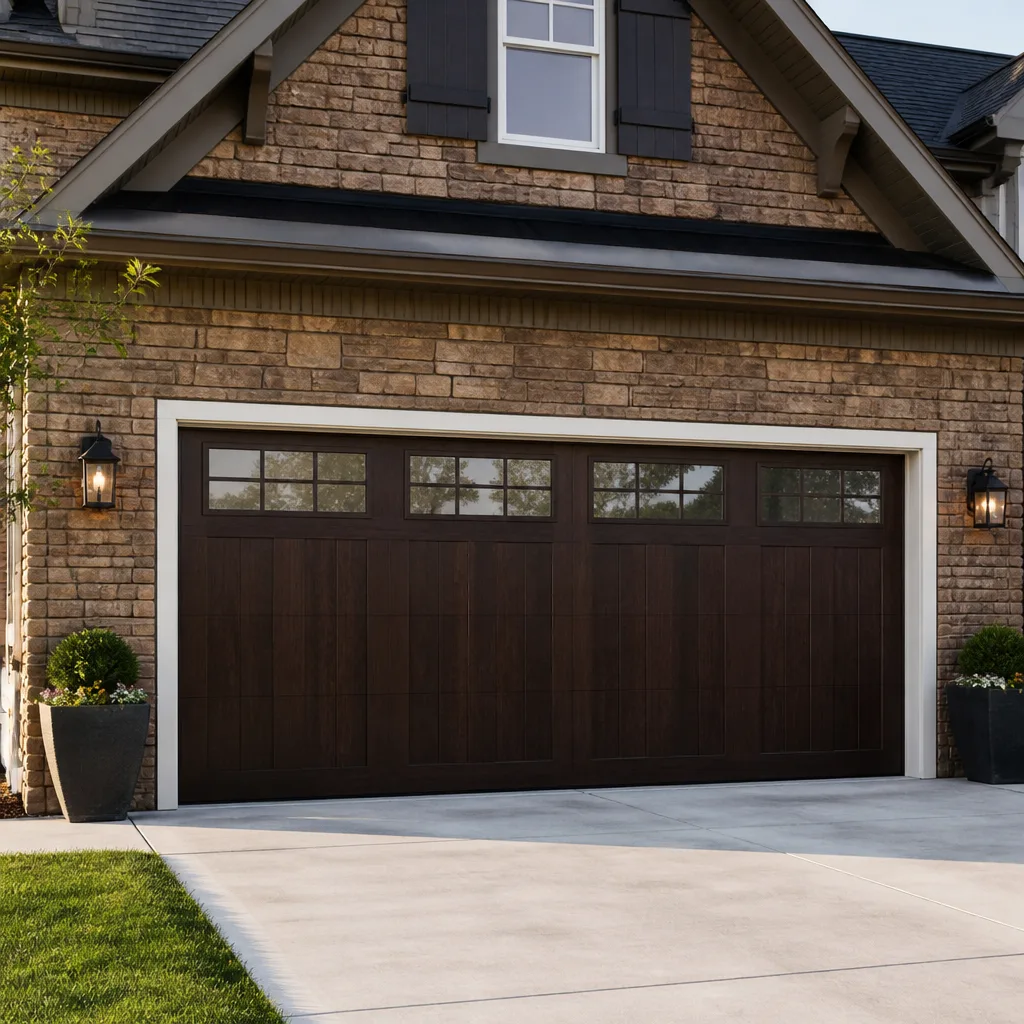
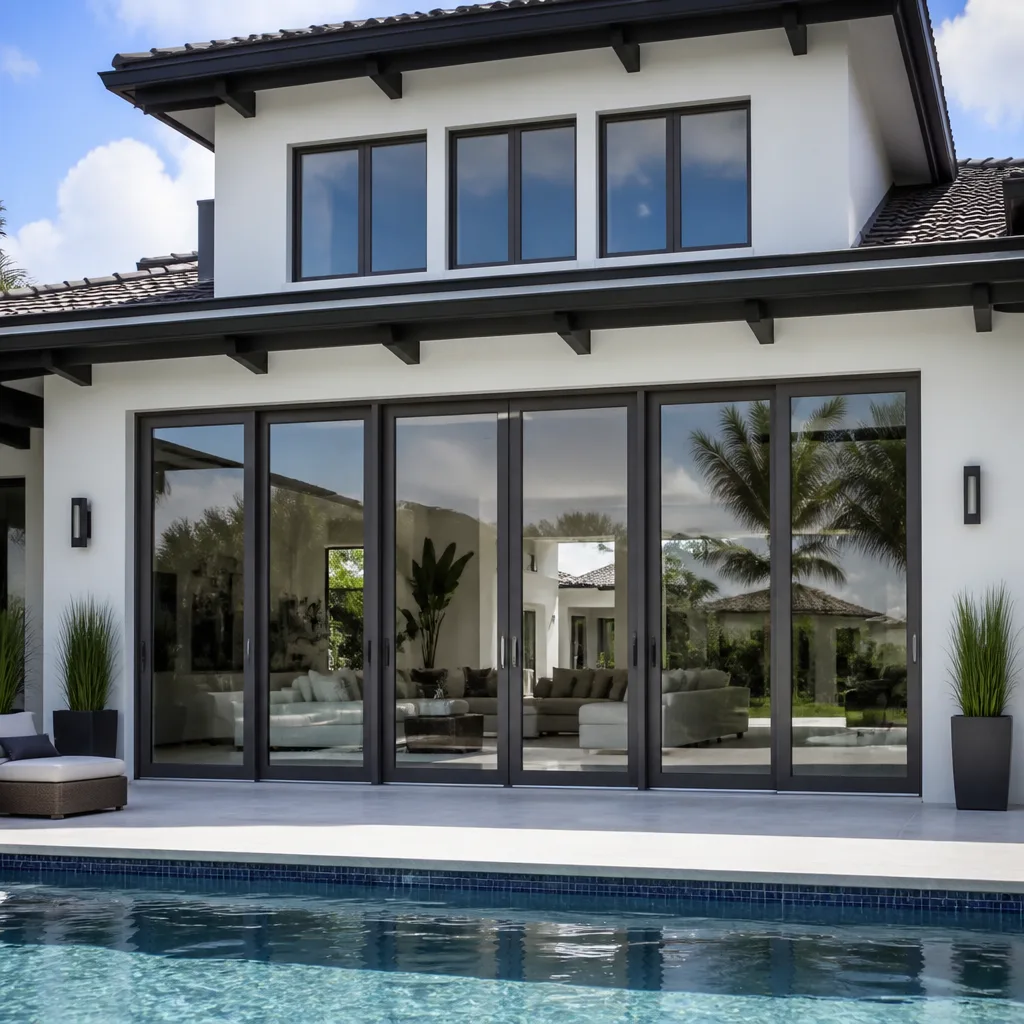
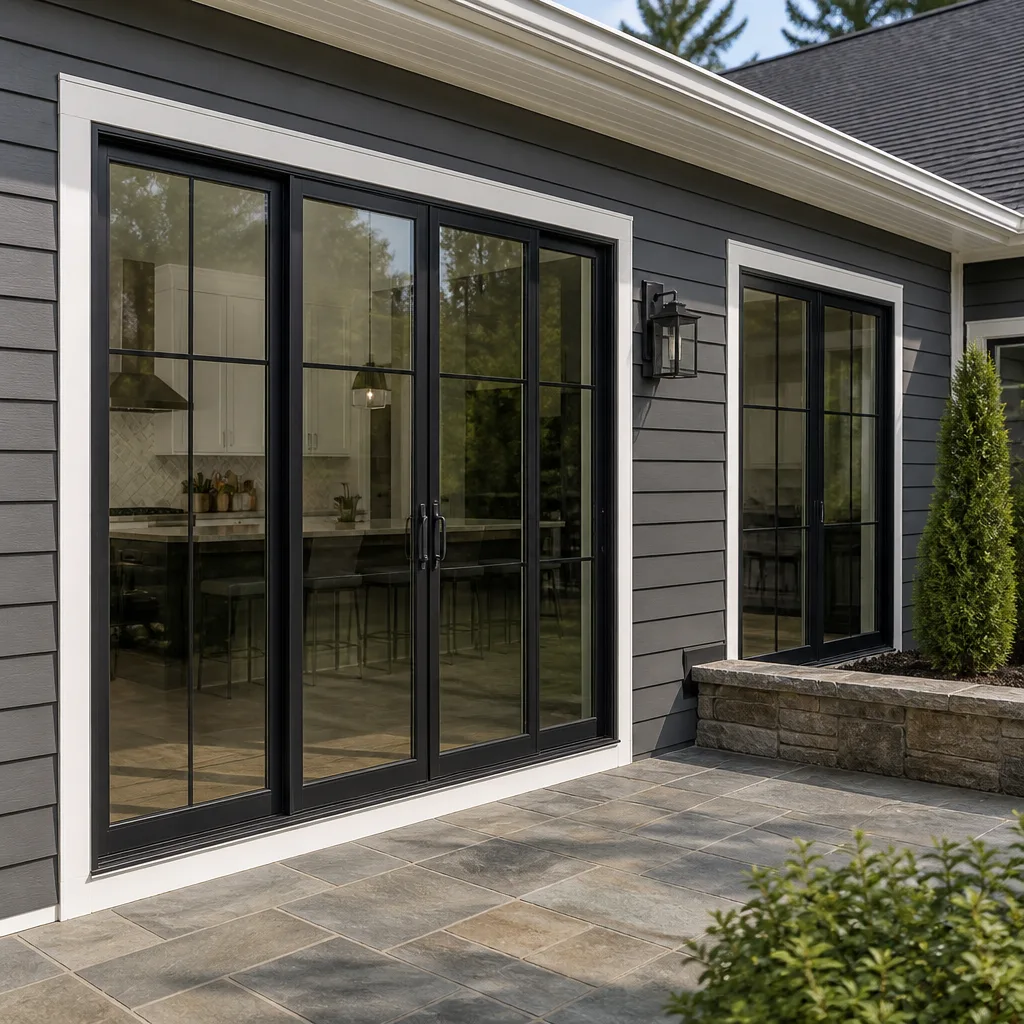
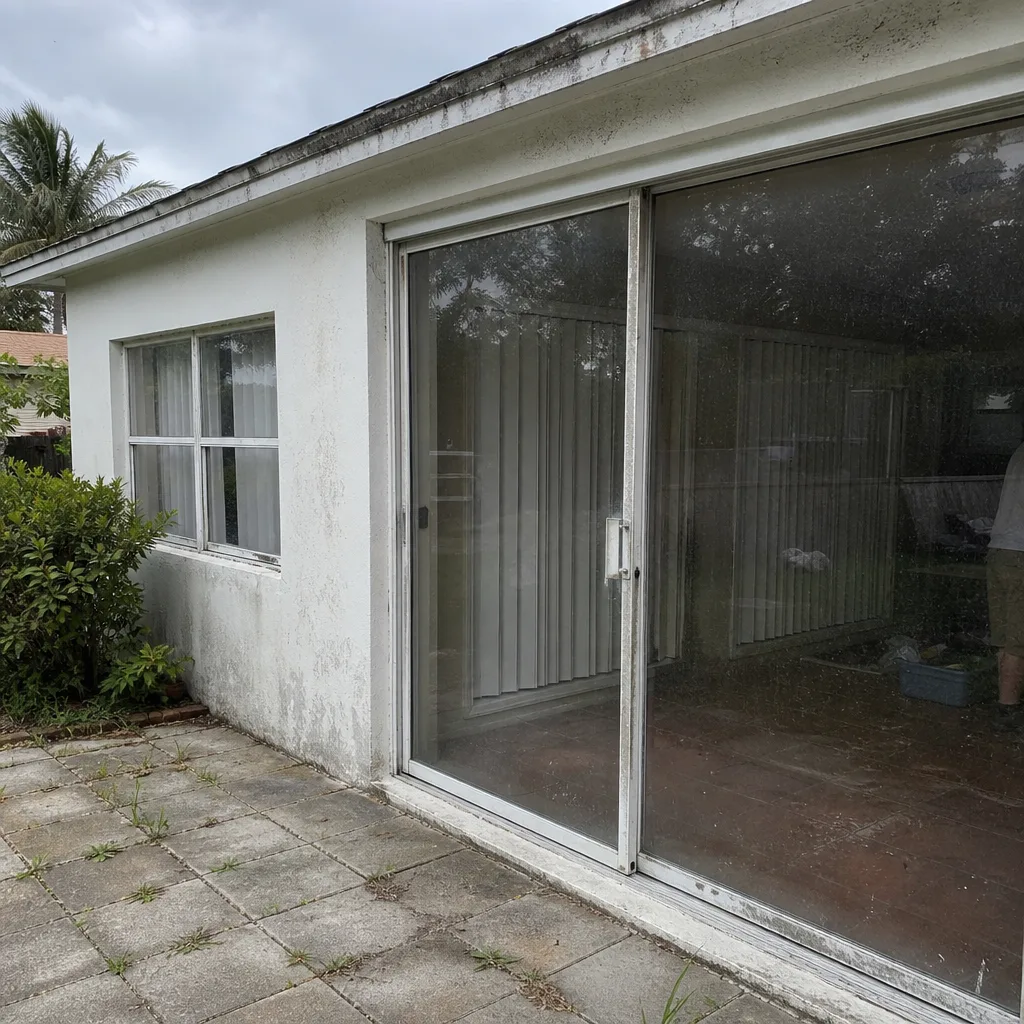 Before
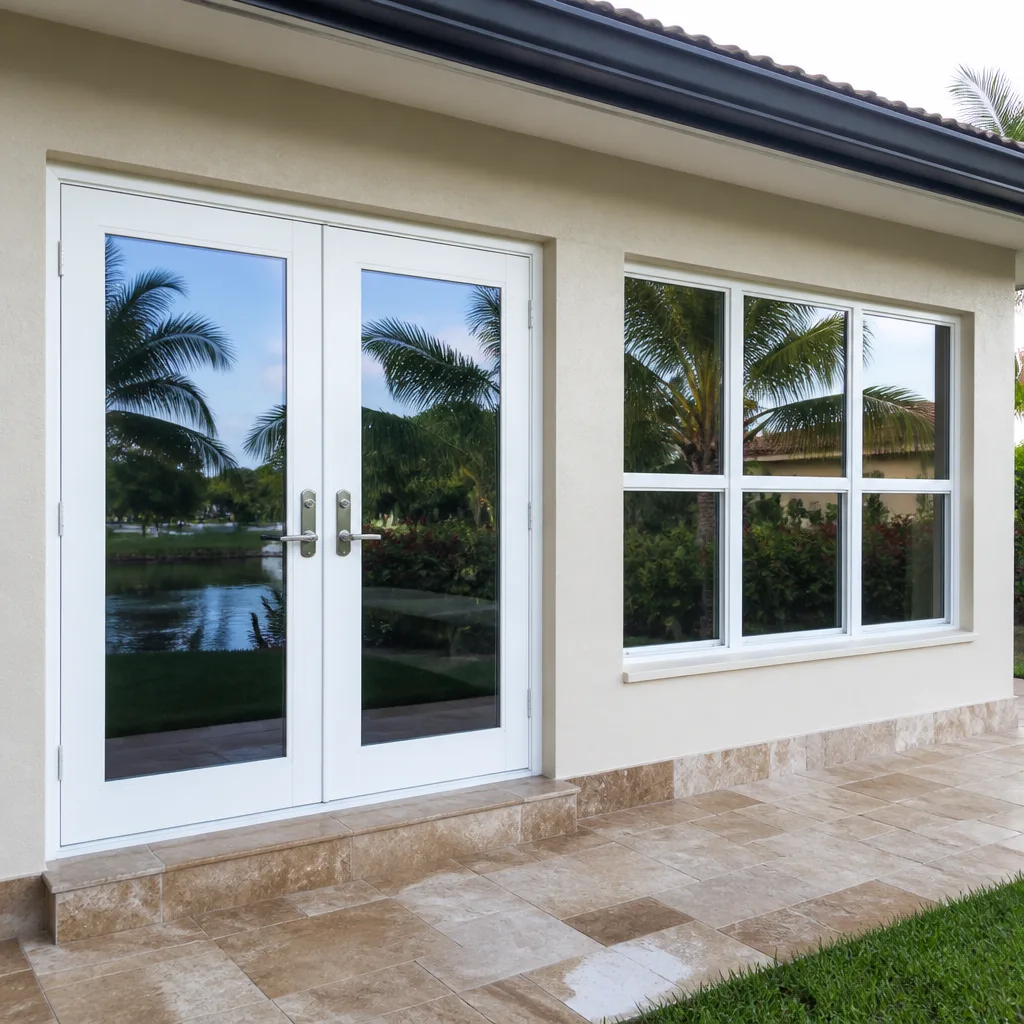 After
After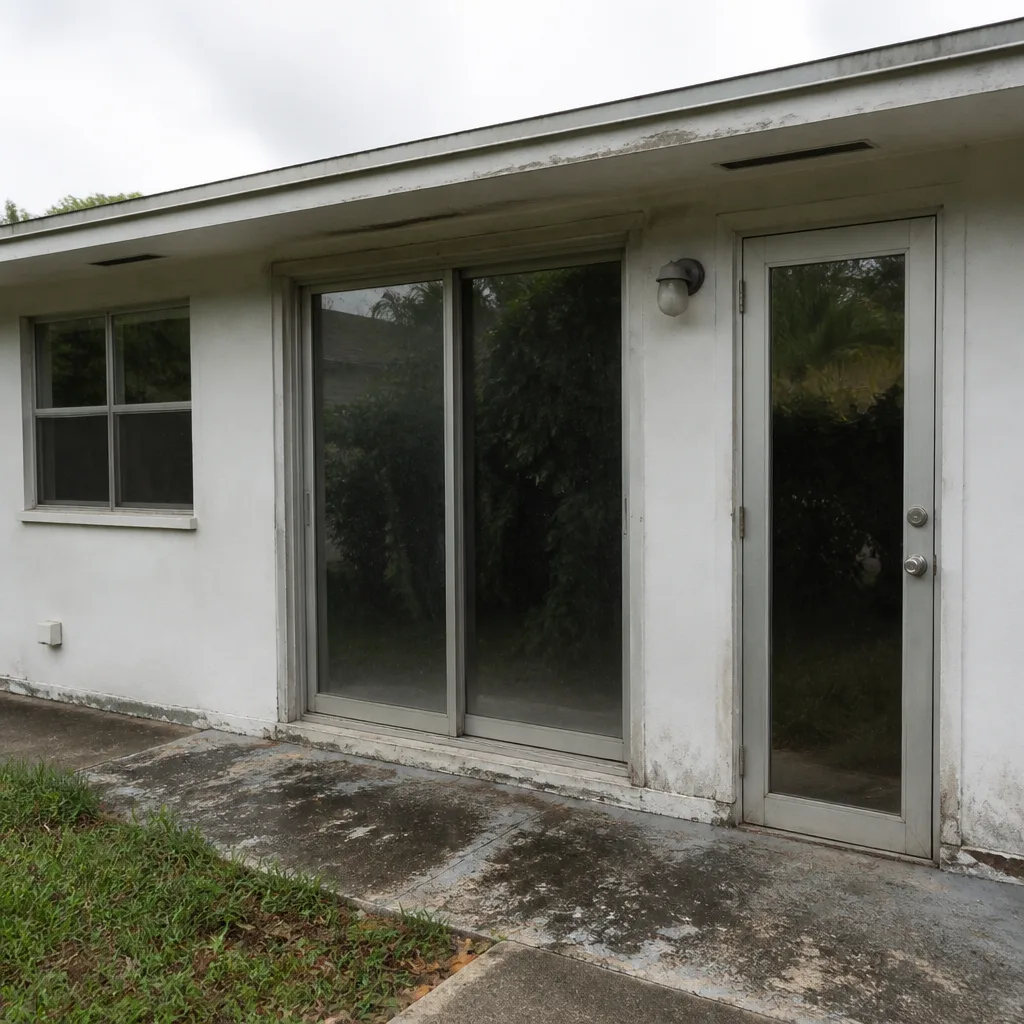 Before
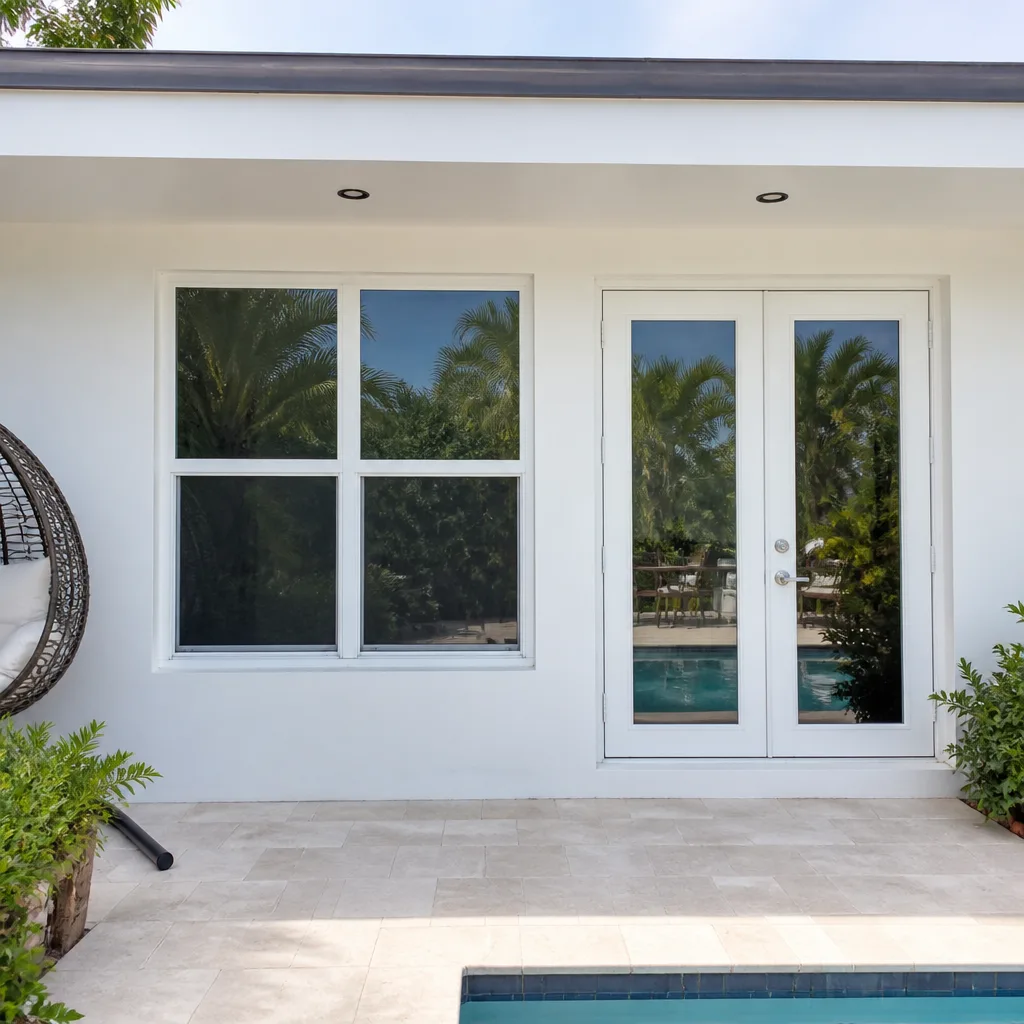 After
After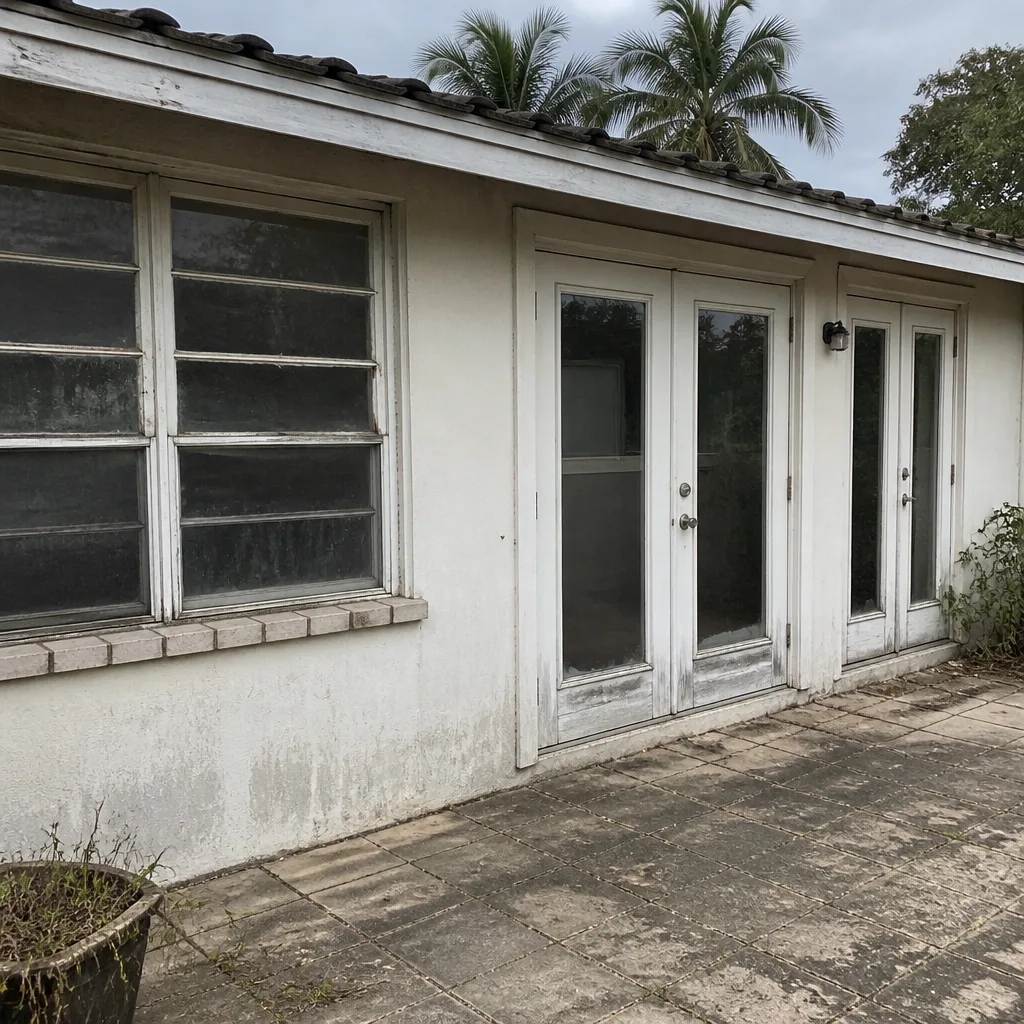 Before
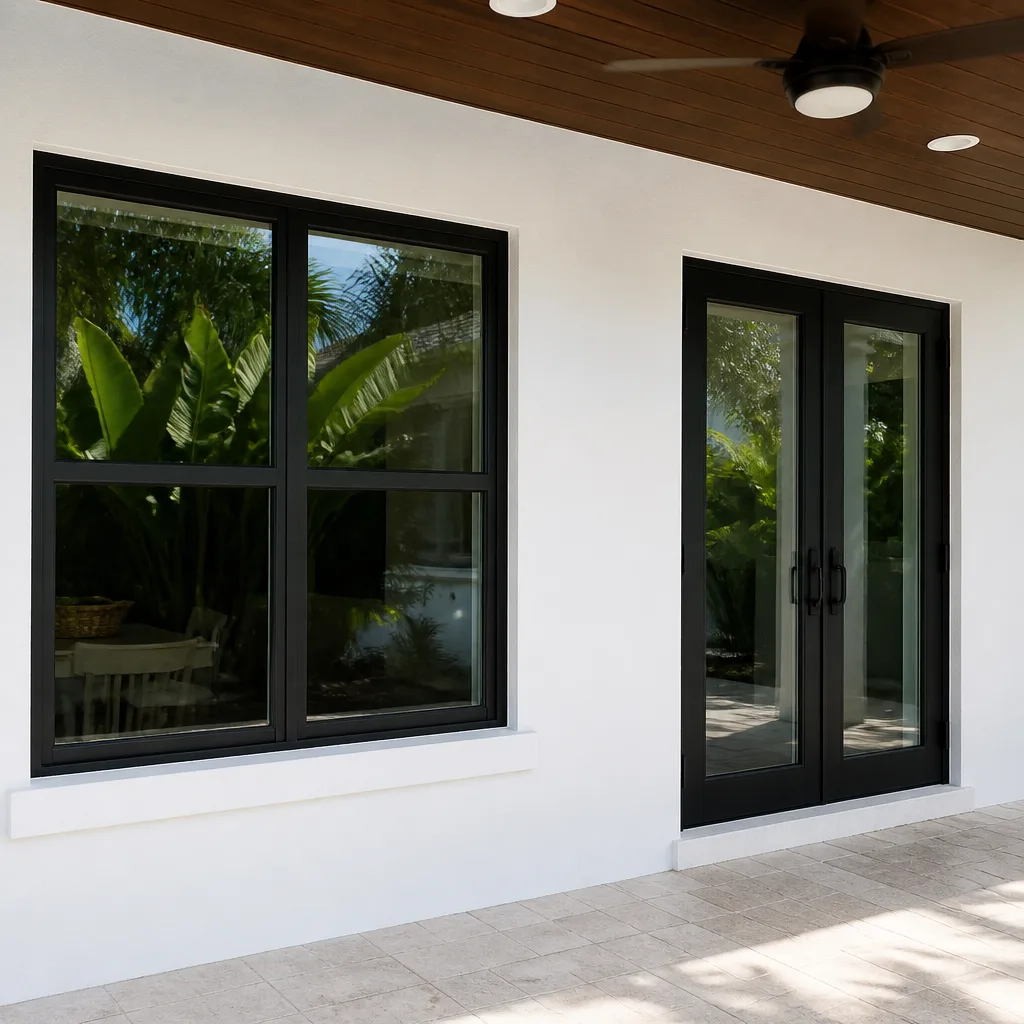 After
AfterCGI Energy-Efficient Windows in Miami: What to Know First
CGI energy-efficient window service in Miami typically runs between $85 and $140 per window for a full diagnostic, reseal, and hardware adjustment. If the glass itself needs replacement, you’re looking at $400 to $900 per window depending on the series and whether you’re replacing with OEM or quality aftermarket insulated glass. We’re an independent CGI service provider, not a factory warranty center, which means we tell you straight when a repair makes sense and when a replacement does. This page is written for homeowners in Miami who own CGI windows and want to know what’s actually happening to them, what it costs to fix, and who can be trusted to do the work. Call (561) 956-2754 for a free estimate.
How CGI Products Fail - and How We Fix Them
CGI makes a solid impact window, but Miami’s combination of salt air, humidity, and sun puts every window through a stress test no factory in Ohio or Texas can fully replicate. Here are the failure patterns we see on CGI lines across Miami, from Coral Gables to Kendall to Pinecrest.
- CGI Estate Series: failed Low-E coating near the frame edge. The Estate Series uses a Low-E coating that degrades first where the glass meets the aluminum frame, especially on west-facing elevations. Miami’s afternoon sun heats that aluminum frame to 140 degrees and the thermal cycling breaks down the coating bond. You’ll see a hazy, bronze-tinted band around the perimeter of the glass. The window still functions, but the energy performance is gone. We pull the sash, order replacement IGUs with properly spaced Low-E, and reset the glazing.
- CGI Tropic Series: desiccant failure causing interior fog. The Tropic Series ships with a desiccant-filled spacer that has a shorter service life in Miami than the factory literature suggests. When that desiccant saturates, the window fogs from the inside and no amount of wiping clears it. That fog is condensation trapped between the glass panes. We replace the IGU and upgrade to a warm-edge spacer that holds up better in our humidity.
- CGI Sentinel Series: worn weatherstripping and misaligned interlocks. These are the most common energy leaks we find on Sentinel windows in older Miami homes. The interlocking meeting rails get forced over years of use and the weatherstripping compresses unevenly. Air moves through the gap, the AC works harder, and your electric bill climbs in August. We re-align the sashes, replace the weatherstripping with a higher-density EPDM material, and test the seal with a smoke pencil before we call the job done.
- CGI Commercial Series: frame weep holes clogged with Miami grime. Weep holes on the Commercial Series are smaller than on residential lines, and Miami’s mix of pollen, salt spray, and construction dust clogs them fast. Water pools in the track, and over time that pooled water wicks into the glazing channel and compromises the seal on the glass. We clear the weeps, flush the track, and confirm drainage before anything else.
- CGI fixed windows: failed glazing tape on the original install. When we pull a fixed CGI window that wasn’t set by a glazier who knew what they were doing, we often find the glazing tape wasn’t bedded properly at the factory or on the original installation. Heat, moisture, and vibration work the glass loose over a decade. The window doesn’t fall out, but it develops micro-movement that lets conditioned air escape. We re-bed the glass with proper setting blocks and fresh structural tape.
Our CGI Energy-Efficient Windows Process
Every CGI job we run in Miami follows the same sequence, whether it’s one fogged sash or a whole elevation of tired glass.
- 1
We inspect and measure. Our technician arrives in uniform, walks the entire window line, and measures every opening twice. We note the CGI series, the glass type, the frame condition, and the direction the window faces. West-facing windows get different recommendations than north-facing ones in Miami.
- 2
We diagnose before we quote. We test the seal with a smoke pencil, check the Low-E coating with a UV light, and document everything on paper. You get a written quote that shows options side by side: OEM CGI glass versus quality aftermarket IGU, with the price difference stated clearly.
- 3
We order the right glass. For CGI windows that are still under their original warranty, we order directly through CGI supply channels to keep that warranty intact. For windows out of warranty, we spec aftermarket IGUs from suppliers we’ve used for years, matched to the original glass thickness, tint, and Low-E placement.
- 4
We install with the Keystone Standard. The old glass comes out, the frame gets cleaned and inspected, and the new IGU is set with fresh glazing tape and proper setting blocks. Both warranty layers get registered in writing before the truck leaves your driveway.
- 5
We test and show you the result. Before we leave, we run the same smoke pencil test and walk you through what changed. You see the seal working. You get the documentation. No mystery.
- 6
We stand behind it for 90 days. If something isn’t right, we come back and fix it. No paperwork fights, no arguing.
What CGI Energy-Efficient Windows Costs in Miami
Here are the numbers we quote most often for CGI energy-efficient window work in Miami:
| Work Performed | Typical Cost Range |
|---|---|
| Full diagnostic and window tune-up (per window) | $85-$140 |
| Weatherstripping replacement (per window) | $65-$110 |
| IGU replacement, aftermarket (per window) | $400-$700 |
| IGU replacement, OEM CGI glass (per window) | $600-$900 |
| Full window replacement, CGI energy-efficient (per window) | $1,100-$2,400 installed |
What moves the price: series (Sentinel and Commercial run higher than Tropic and Estate), glass size, Low-E type, and whether the window is on a second story requiring lift work. The honest posture is this: if your glass is fogged or your Low-E is failed, a new IGU is usually the right call. If the frame is tired and the window is 20 years old, you may be better served by a full replacement. We’ll quote both and let you decide. Call (561) 956-2754 for an exact quote. Estimates are free.
Why Miami Homeowners Call TruePane Windows & Doors for CGI Work
We’ve been doing this work in Miami long enough to know that a CGI window is only as good as the hands that set it. Dale Kessler built this company on a rule that still hangs over the shop whiteboard: if the pane is not true, the job is not done. Every CGI window we touch gets the same treatment, whether it’s a $85 weatherstripping fix or a whole-house glass replacement.
Our technicians are background-checked, uniformed, and trained on CGI’s product line specifically. We measure twice, quote manufacturer lines side by side on paper, and register both warranty layers before we leave. And if you call at 7:45 PM on a Wednesday, a live person answers. Not a voicemail tree, not a callback form. Someone who can actually help. We also service PGT, CWS, ES Windows, and ECO Window Systems, so if your home has mixed brands, one crew handles all of it.
FAQs
No, not when the work is done properly and with compatible parts. As an independent CGI service provider, we follow warranty-safe practices: OEM glass for in-warranty units, documented installation notes, and both warranty layers registered in writing. Your original warranty stays intact. Call (561) 956-2754 and we’ll walk you through exactly what your specific CGI warranty covers.
OEM CGI glass typically takes 2 to 4 weeks to arrive in Miami, depending on the series and glass config. Aftermarket IGUs from our local glazing suppliers usually take 5 to 10 business days. We order the day you sign the quote. Call (561) 956-2754 for a specific timeline on your window.
If the frame is square, the hardware is sound, and the only issue is failed glass or compromised weatherstripping, repair is almost always the better financial move. A new IGU costs $400 to $900; a full replacement runs $1,100 to $2,400. But if your CGI window is over 20 years old and the frame shows corrosion or stress cracking, we’ll tell you straight that replacement is the smarter long-term investment. Call (561) 956-2754 and we’ll give you both numbers on paper.
Morning fog on the inside of the glass is normal Miami condensation. Fog between the panes means the seal has failed and the desiccant in the spacer is saturated. That won’t dry out on its own. The IGU needs to be replaced. Call (561) 956-2754 and we’ll confirm it with a 10-minute inspection.
Yes. We work across Miami, Coral Gables, Kendall, Pinecrest, Cutler Bay, and up through the Biscayne corridor. Our techs know which CGI series show up in which neighborhoods and what to expect before we arrive. Call (561) 956-2754 to schedule.
Written by Dale Kessler, Owner, TruePane Windows & Doors at TruePane Windows & Doors, serving Miami and nearby areas.
Six Reasons Homeowners Choose TruePane Windows & Doors
Impact systems engineered to design pressures up to +/-100, matched to your wind zone - your openings hold when the storm arrives.
Low-E insulated impact glass from our manufacturer lines commonly cuts monthly cooling bills 20-30%.
Laminated impact glass shuts out up to 40% of outside noise - traffic, neighbors, weather.
Monitoring services run $30-90 a month. Laminated impact glass resists forced entry around the clock, with no subscription.
Florida homeowners average around 25% savings on the windstorm portion of their policy after protecting every opening - some homes qualify for more.
A full impact package upgrades curb appeal, buyer confidence and appraised value in one project.