Free in-home measure and quote - PGT, CGI and CWS impact lines compared on your actual openings, style by style
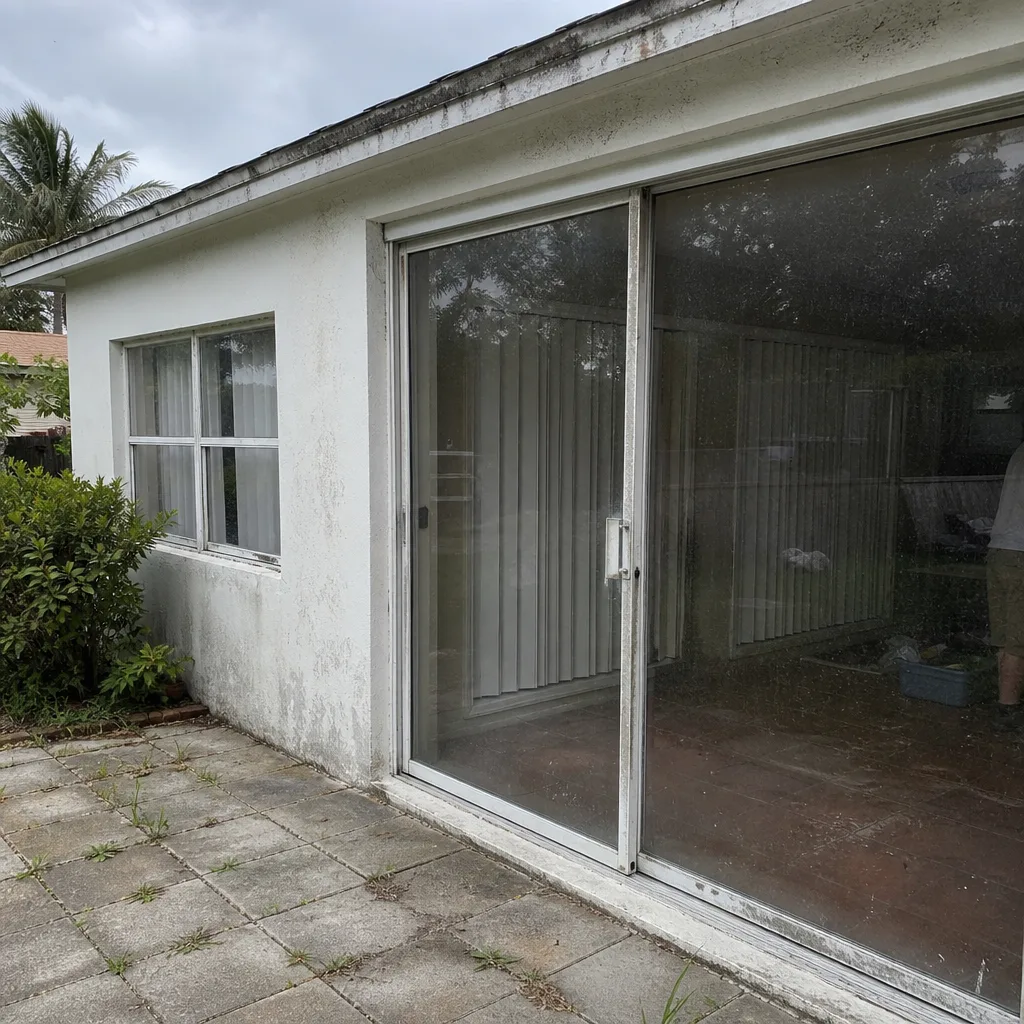 Before
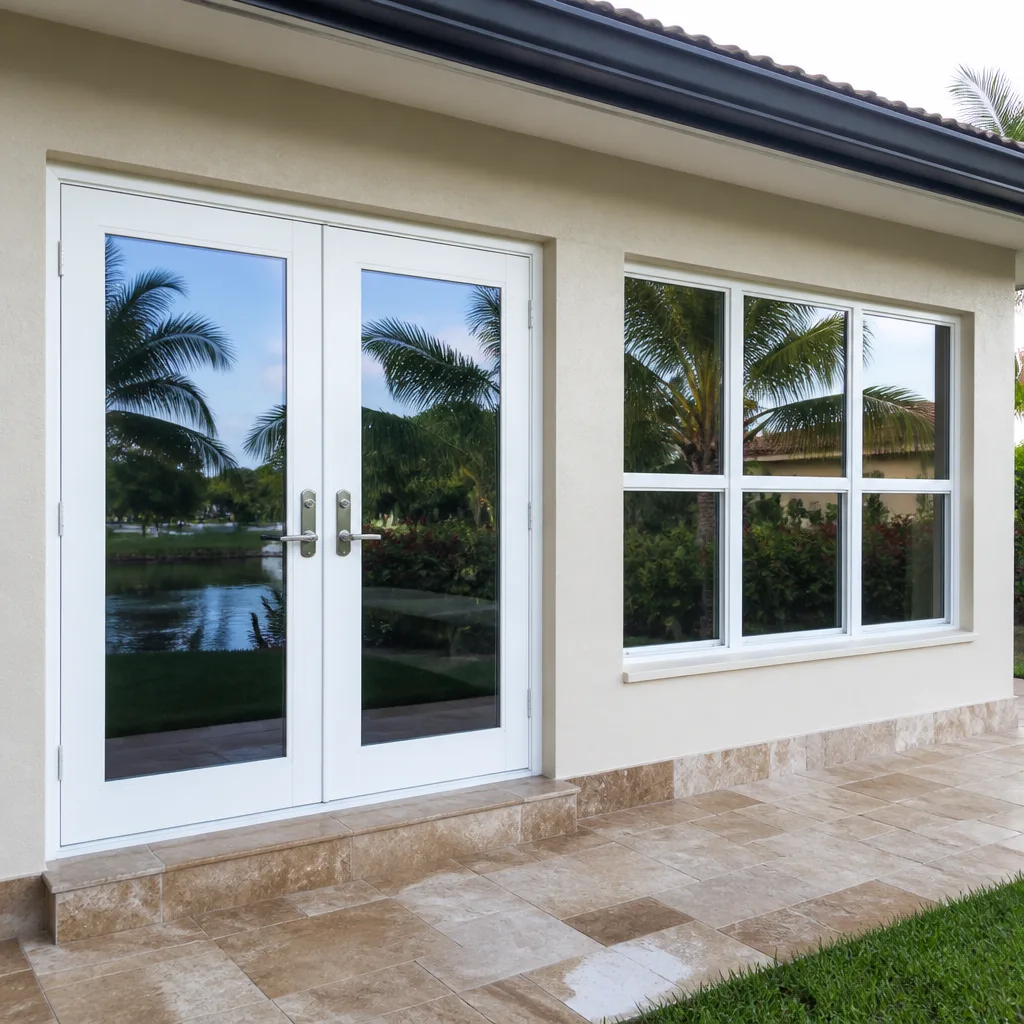 After
After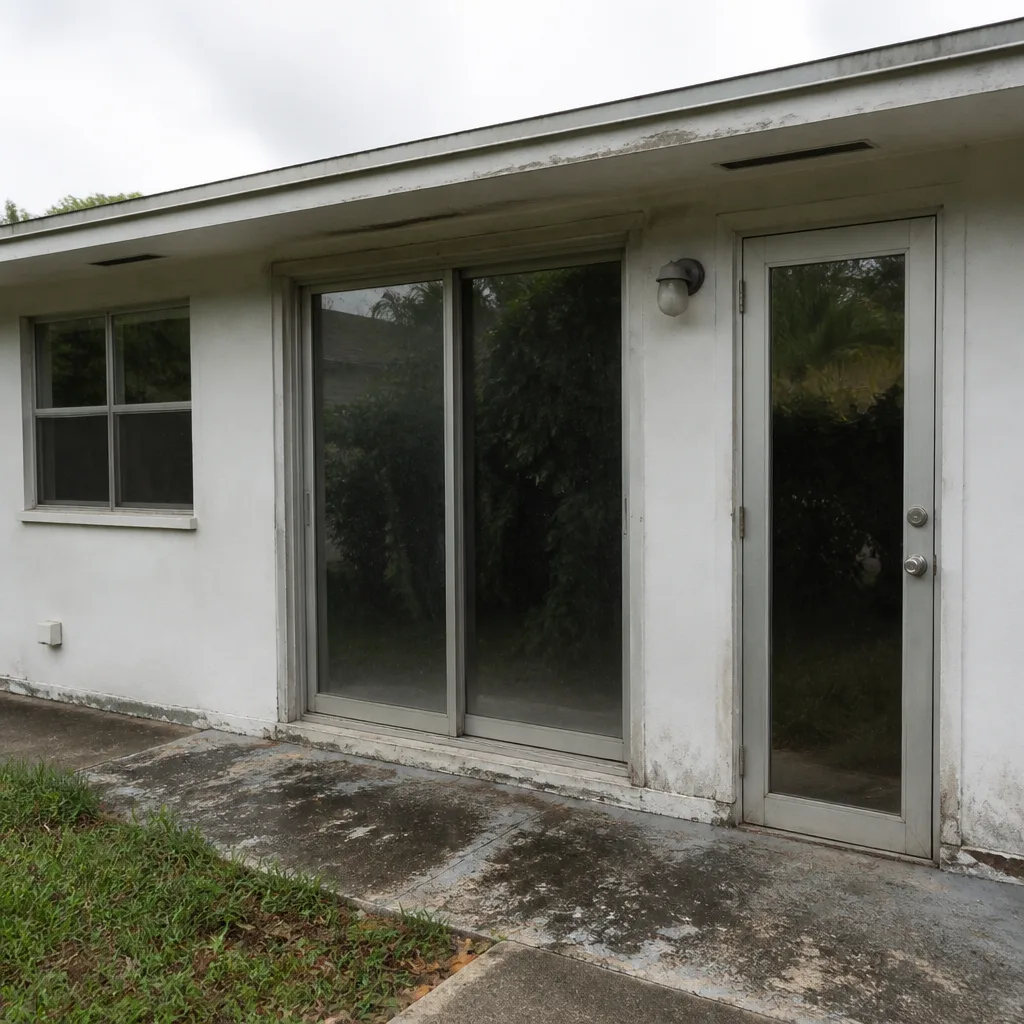 Before
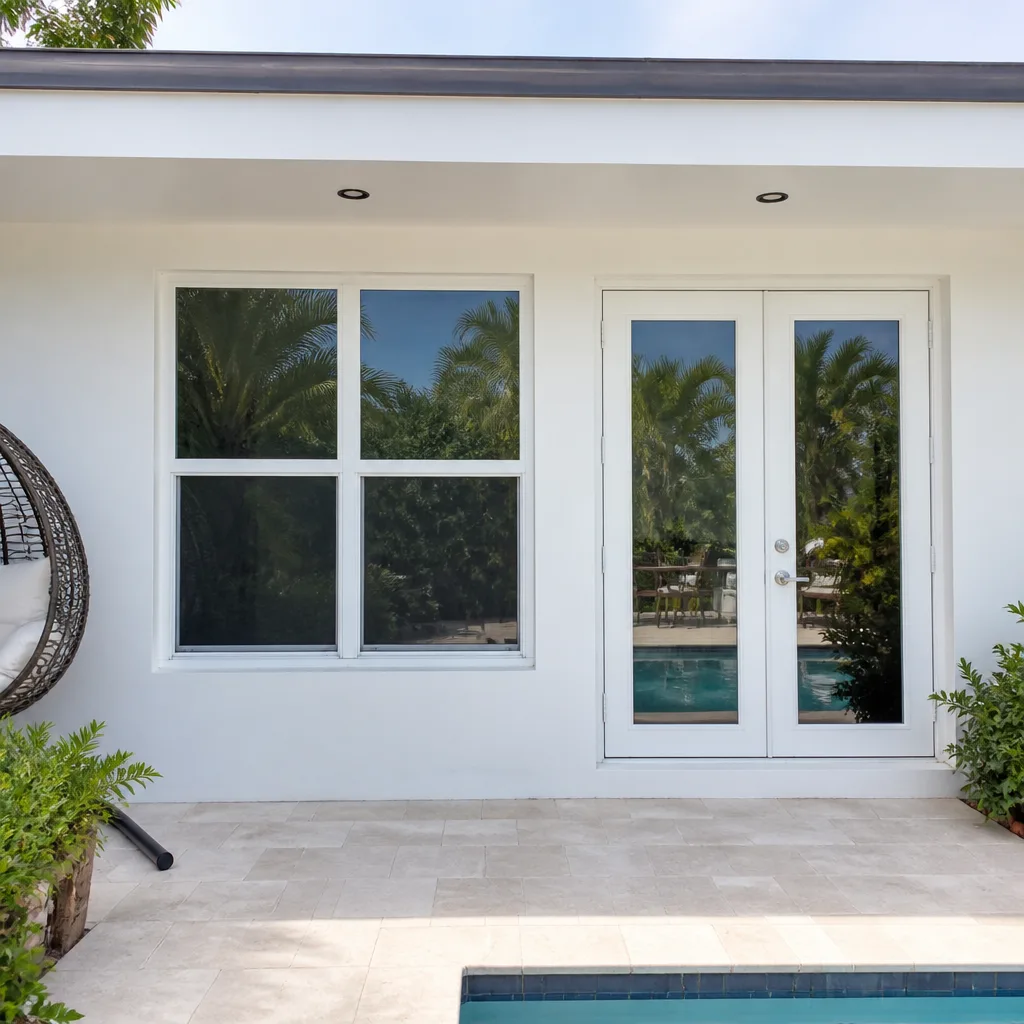 After
After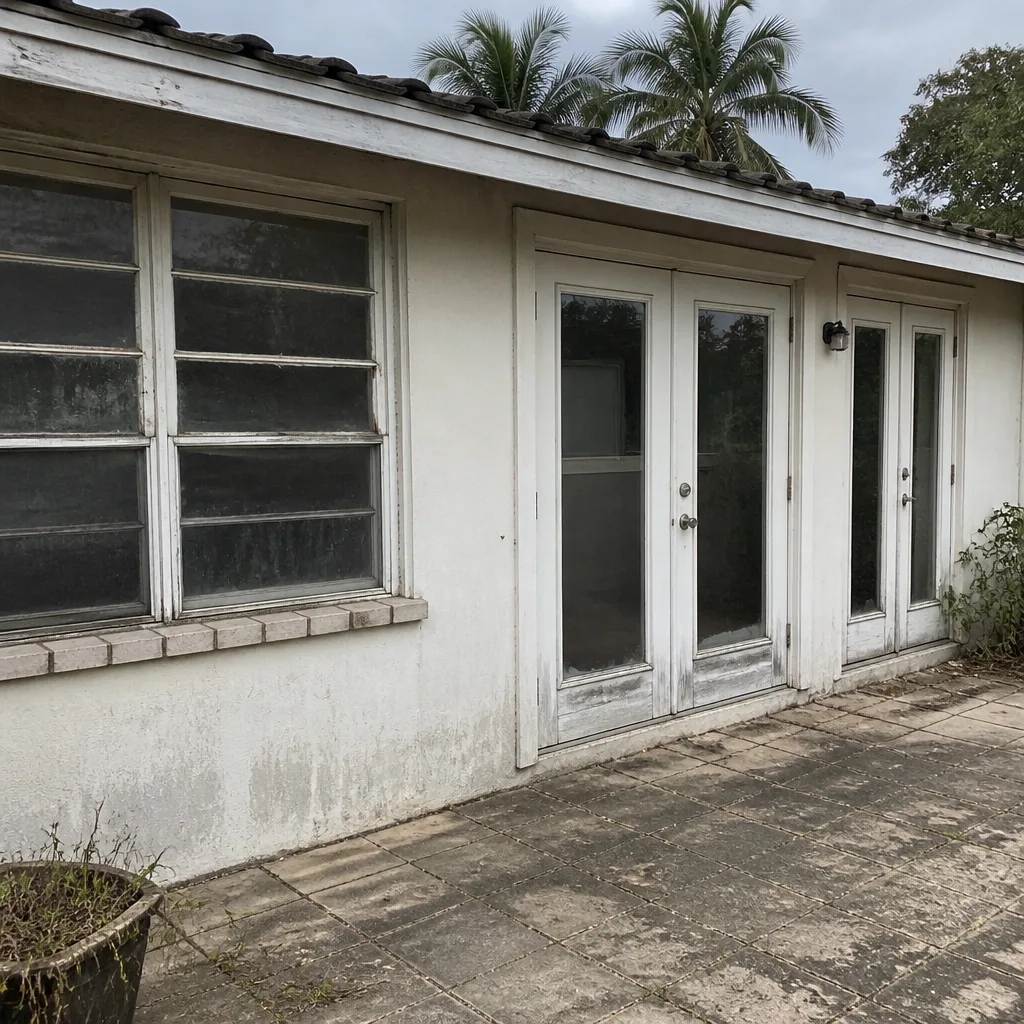 Before
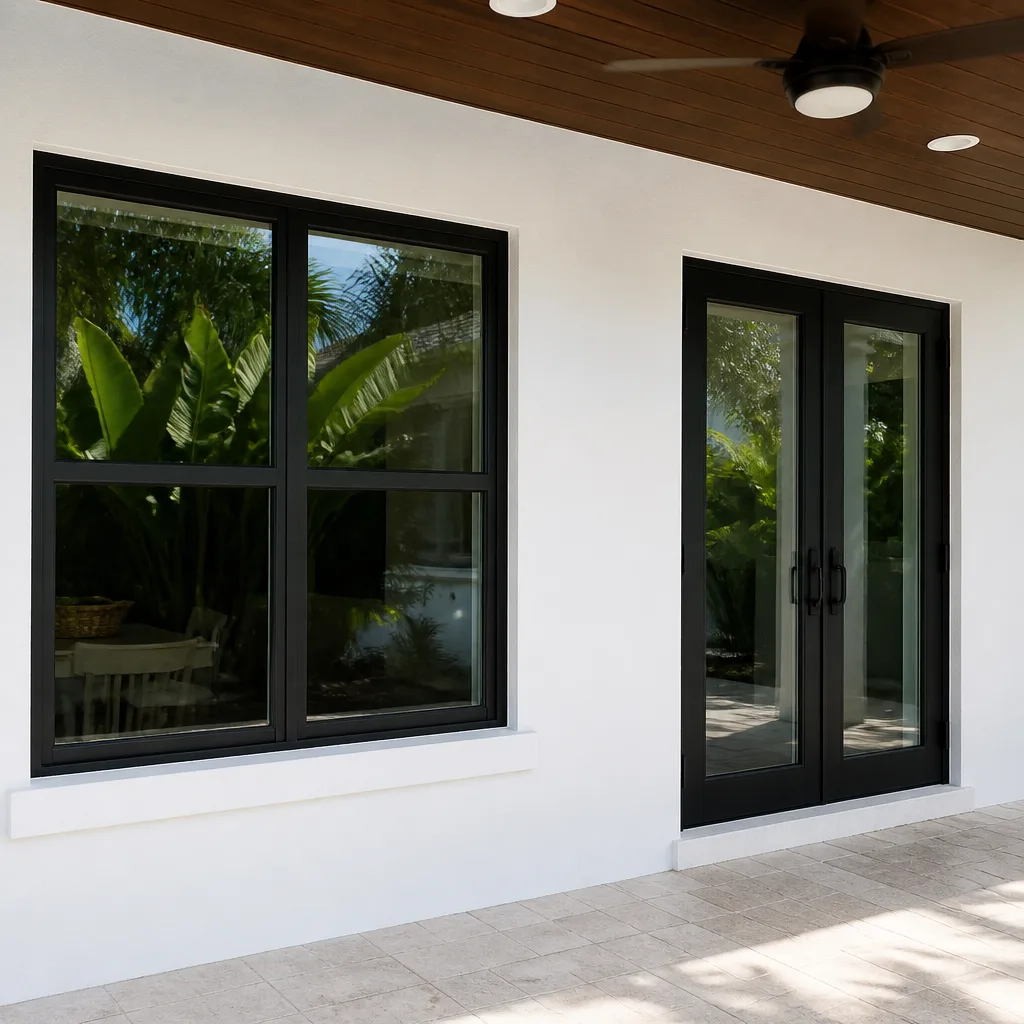 After
AfterAwning Windows in Miami, FL | TruePane Windows & Doors
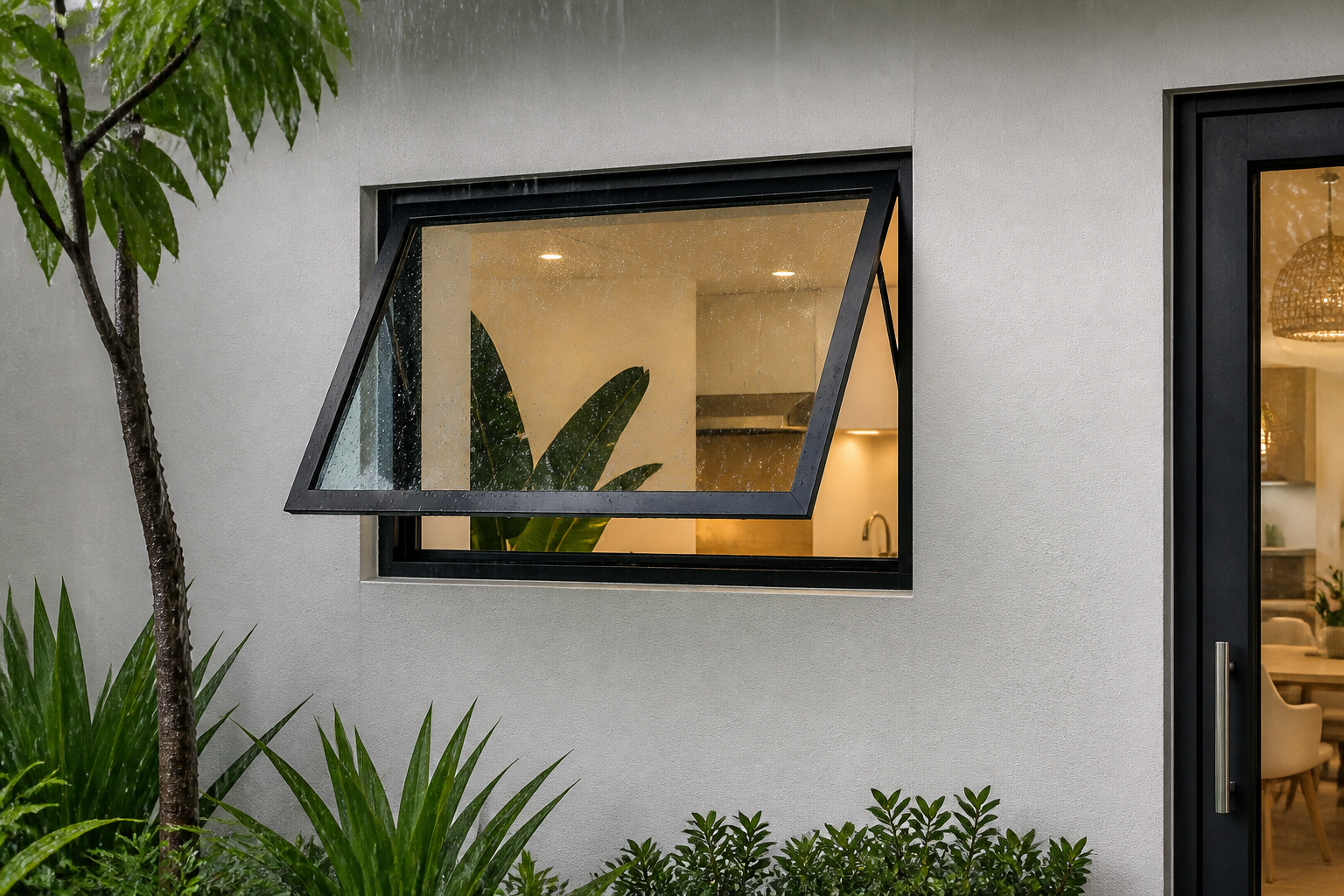
Awning windows are the workhorse of Florida coastal ventilation. They hinge at the top and crank outward from the bottom, so you can leave them cracked open during an afternoon storm and let the breeze move through without pulling rain inside. That alone explains why they show up in so many Miami homes, from 1950s ranches in Shenandoah to new concrete-block builds in Pinecrest. TruePane Windows & Doors supplies and installs impact-rated awning windows across our PGT, CGI, CWS, ES Windows, ECO, and Mr-Glass lines, and we have been setting them level, plumb, and square in Miami for years. Call (561) 956-2754 to talk about your openings.
Product Overview - Awning Windows
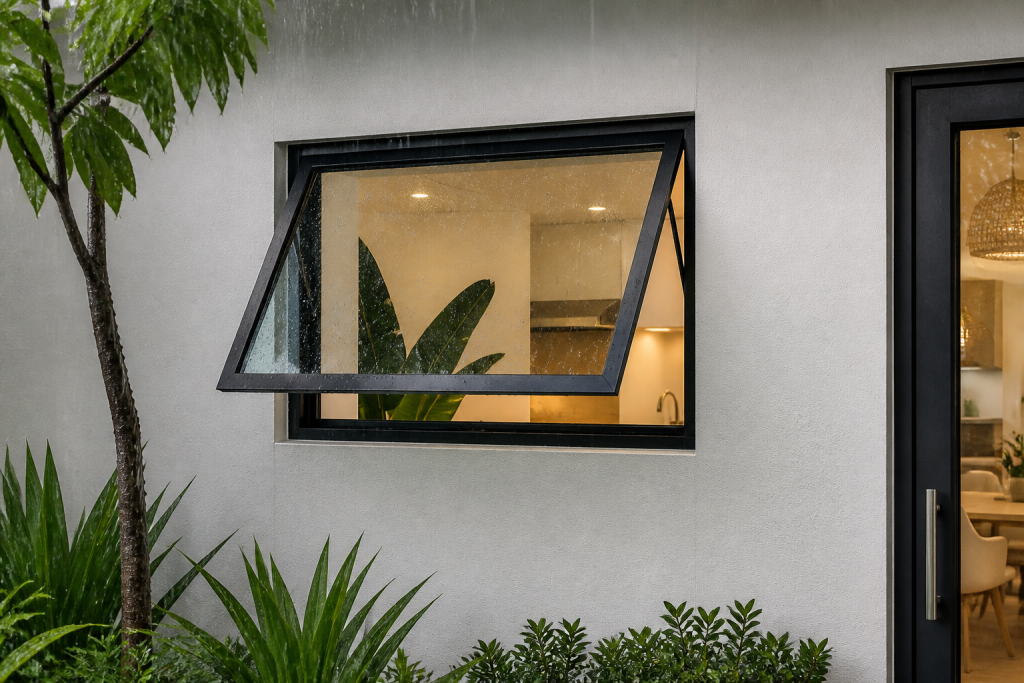
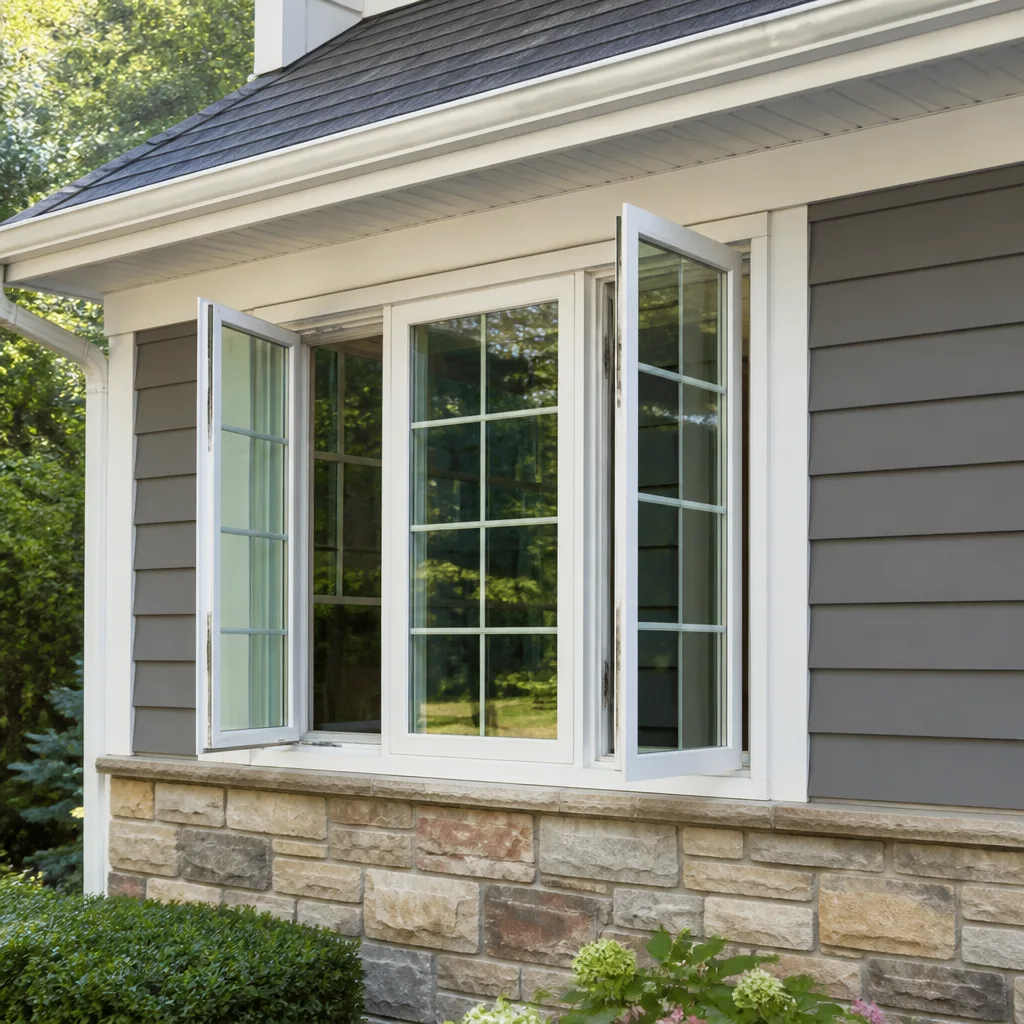
An awning window is a top-hinged sash that opens outward with a crank mechanism. In hurricane-prone construction, that simple geometry matters more than people expect. Because the sash presses against the frame when the wind hits it, an awning window closes tighter under pressure instead of flexing open. Pair that with laminated impact glass and a reinforced frame, and you have a unit that belongs on the windward side of a Miami house, above a kitchen sink, in a bathroom, or stacked high on a wall where a casement would feel too bulky.
What we are describing is a top-hinged, crank-out impact window that sheds rain while cracked open for ventilation, built around laminated impact glass in a weathertight frame. The crank and hinge hardware is designed to hold the weight of laminated glass over thousands of cycles, and the multi-point locking system pulls the sash into the weatherstripping at every closure. In Miami’s humidity, that seal matters as much as the impact rating. A window that closes loosely is a window that leaks air and runs up the cooling bill, and we see that problem constantly in homes where a cheap builder-grade unit was put in twenty years ago.
Architecturally, awning windows carry a clean horizontal line that fits the low-slung, mid-century and Mediterranean profiles common across Coral Gables, Coconut Grove, and the Roads. They are also the practical choice for openings that sit close to walkways or patios, since they open outward without swinging into the space. TruePane Windows & Doors has installed these in everything from a three-story stucco home in Morningside to a modest 1950s efficiency in Allapattah, and the profile works in all of them.
Technical Specifications
Here is what we order and install in Miami, reworded in the terms we actually use on site:
- Frame materials: Aluminum or vinyl. Aluminum carries the larger spans and holds a finish longer in coastal exposure. Vinyl offers a lower price point and excellent thermal performance for smaller openings.
- Glass options: Laminated impact glass with a PVB interlayer, Low-E insulated glass, tinted glass, or clear glass. Laminated impact is the baseline for any HVHZ-rated opening. Low-E insulated is the energy-conscious upgrade.
- Finish options: White, almond, bronze, black, and tan. These cover nearly every stucco and trim color in Miami-Dade.
- Screen options: Fixed screens or retractable screens. Retractable screens are the cleaner look when the window is in a focal wall; fixed screens cost less and hold up fine in low-traffic spots.
- Sill and hardware: Multi-point locks, crank operators, and corrosion-resistant hardware are specified per unit. Coastal exposure in places like Key Biscayne or Surfside pushes us toward the stainless hardware upgrades.
Hurricane & Compliance Performance
Every performance claim on this page is tied to the specific compliance path these windows follow in Florida. Here is what that means, feature by feature.
Laminated Impact Glass
The core of the window’s storm rating. Laminated impact glass uses a PVB (polyvinyl butyral) interlayer bonded between two panes. When something hits the glass, the interlayer holds the fragments in the frame instead of letting them enter the house. That is the fundamental difference between a real Miami impact window and a tempered-glass unit that will shatter on first contact. The PVB interlayer also cuts down on UV and helps with sound, though we do not quote percentages here.
Miami-Dade NOA / Florida Product Approval
Products we supply under this line carry Miami-Dade NOA (Notice of Acceptance) and Florida Product Approval numbers issued per configuration. What that means practically: the specific size, glass package, and frame combination you order has been approved for use in HVHZ and WBDR jurisdictions in Florida. We verify the exact approval number that applies to your configuration on your quote, because a different size or glass change can carry a different approval document.
FBC / HVHZ Compliance
These awning windows are engineered to Florida Building Code (FBC) High-Velocity Hurricane Zone (HVHZ) requirements. HVHZ is the strictest wind-borne debris region in the state, and it is the standard that applies to Miami-Dade and Broward County. A window that is only rated for general Florida use is not enough here. We only install HVHZ-compliant configurations in Miami.
TAS 201, 202, and 203 Testing Context
HVHZ-rated products are tested under a specific protocol family: TAS 201 for large-missile impact, TAS 202 for cyclic wind-pressure loading, and TAS 203 for forced-entry resistance. Think of TAS 201 as the test that fires a 2×4 at the glass, TAS 202 as the test that hammers the unit with thousands of pressurization cycles, and TAS 203 as the test that checks whether the locked window holds against a physical break-in attempt. These three together are what makes the NOA meaningful.
Design Pressure for Your Wind Zone
Design pressures are matched to your wind zone, up to +/-100, never higher. Design pressure is a PSF rating, not a wind speed, so we do not quote an mph number on this page. What we do is verify the required design pressure for your specific property location prior to ordering. A home in Overtown needs a different rating than a condo line in Golden Beach, and we match it exactly rather than overselling a rating you do not need.
Energy Performance Options
Low-E and insulated glass packages are available for energy performance. In a Miami summer, a single-pane clear window turns a west-facing room into an oven. Low-E coatings reflect a meaningful portion of solar heat, and insulated glass units add a thermal break and reduce condensation. On a north-facing shaded wall, clear laminated glass is often the right call for looks and budget. We spec per opening based on exposure.
Color & Glass Options
The finish choices are white, almond, bronze, black, and tan. In Miami, we see white and almond on the older concrete-block and stucco homes where the window needs to disappear into the wall. Bronze and black have become the default on modern and renovated homes, especially the Miami Modern and coastal-contemporary builds in the Upper Eastside and along Old Cutler Road. Tan works on homes with a warmer stucco body, which is common in Coral Gables and Westchester where the Mediterranean palette dominates.
On the glass side, clear laminated impact glass gives the truest view and the lowest cost. Tinted glass cuts glare in rooms that catch afternoon sun, which any Miami homeowner with a west-facing den will appreciate. Low-E insulated glass is the best choice for energy-conscious buyers and for rooms where the AC runs constantly. The PVB interlayer is present in every laminated option we offer on this line, so you are not trading away storm protection when you choose a performance glass package.
Installation by TruePane Windows & Doors in Miami
An impact window is only as good as its installation. We say that on every job, because it is the truth. A properly engineered NOA-rated window set in a poorly flashed opening will leak water and fail inspection, and it may not hold its design pressure when it is tested by a real storm. That is why TruePane Windows & Doors controls the full installation process on every Miami project.
We start with a pre-install inspection of the opening. We check the rough opening dimensions, the condition of the surrounding masonry or wood framing, and the existing flashing. On older Miami homes, we regularly find rotted bucks, out-of-square openings, or old aluminum frames set in concrete that has spalled. We address those before a new window goes in. Then we set the unit level, plumb, and square, shimmed correctly, and anchored per the spec in the product approval documents. Perimeter sealing follows AAMA 812 practice using low-expansion foam sealant, then we run a full exterior sealant bead and a final water test on the opening. The installation follows AAMA 2400/2410 standard practice for flashing and perimeter sealing of fenestration installations.
Miami-specific considerations matter here: coastal exposure drives the choice of anchors and sealants, the HVHZ wind zone sets the design pressure requirement, and the permitting authority in your municipality determines exactly what approval documentation your building department needs. Most Miami-Dade, Coral Gables, Miami Beach, and Pinecrest projects require the NOA or Florida Product Approval sheets to be submitted with the permit package. We provide those for the exact configuration quoted. Improper installation compromises the tested system, and a failed system is not covered by anyone. Call (561) 956-2754 to schedule a measurement.
Frequently Asked Questions - Awning Windows
Design pressures are matched to your specific wind zone in Miami, up to +/-100 PSF, never higher. We verify the required design pressure for your property location before we order, and we spec each opening to meet or slightly exceed that number. Call (561) 956-2754 and we will check your address against the current wind zone map.
Lead times run on a per-manufacturer and per-configuration basis, and they shift throughout the year. A standard white aluminum unit with clear laminated glass is typically the fastest. Custom sizes, bronze or black finishes, and Low-E insulated packages can add time. We confirm the lead time on your written quote before you commit, so there are no surprises. Call (561) 956-2754 for current production timelines on the line you are interested in.
In most Miami-Dade municipalities, yes. The building department will ask for the approval documents that correspond to the exact windows you are installing. We provide the NOA or Florida Product Approval sheet for your specific configuration with your quote and permit package. You do not have to chase those documents down yourself. Call (561) 956-2754 and we will explain what is required for your specific city.
Awning windows are manufactured to the opening, not pulled off a shelf. Within each product line’s approved size matrix, we can match custom widths and heights, combine fixed and operable units, and configure mulled assemblies. The approval documents apply to each specific configuration, which is why we verify the NOA number per opening rather than giving you a blanket statement. Call (561) 956-2754 with your rough opening dimensions.
Wash the frames with mild soap and water, and keep the weep holes clear. In Miami’s salt air, especially east of US-1 or on the barrier islands, hardware should be wiped down periodically and lightly lubricated. Check the weatherstripping once a year for compression. None of this is difficult, but salt and humidity are hard on hardware, and a small maintenance habit extends the life of the crank and lock. For anything beyond routine cleaning, call (561) 956-2754 and we will send a tech out.
Get a Quote - Awning Windows in Miami
If you are pricing awning windows for a Miami home, we will measure your openings, verify the design pressure for your location, and give you a written quote on the exact configuration, finish, and glass package. No pressure, no generic pricing. Call TruePane Windows & Doors at (561) 956-2754 to schedule a free on-site measurement and get your project started.
Written by the team at TruePane Windows & Doors, serving Miami, FL and surrounding Miami-Dade communities.
Six Reasons Homeowners Choose TruePane Windows & Doors
Impact systems engineered to design pressures up to +/-100, matched to your wind zone - your openings hold when the storm arrives.
Low-E insulated impact glass from our manufacturer lines commonly cuts monthly cooling bills 20-30%.
Laminated impact glass shuts out up to 40% of outside noise - traffic, neighbors, weather.
Monitoring services run $30-90 a month. Laminated impact glass resists forced entry around the clock, with no subscription.
Florida homeowners average around 25% savings on the windstorm portion of their policy after protecting every opening - some homes qualify for more.
A full impact package upgrades curb appeal, buyer confidence and appraised value in one project.
Other TruePane Windows & Doors Services
What Neighbors Say About TruePane Windows & Doors
Detailed Images