Free in-home measure and quote - PGT, CGI and CWS impact lines compared on your actual openings, style by style
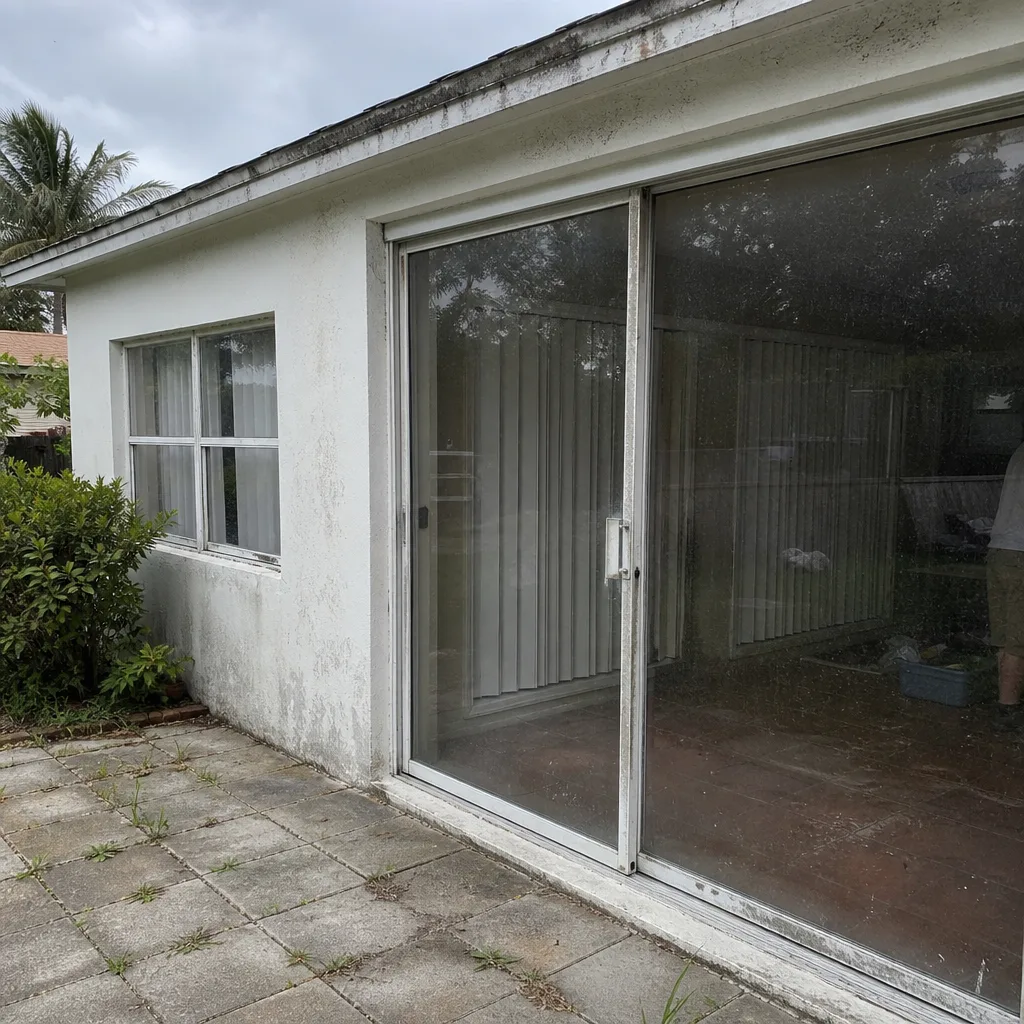 Before
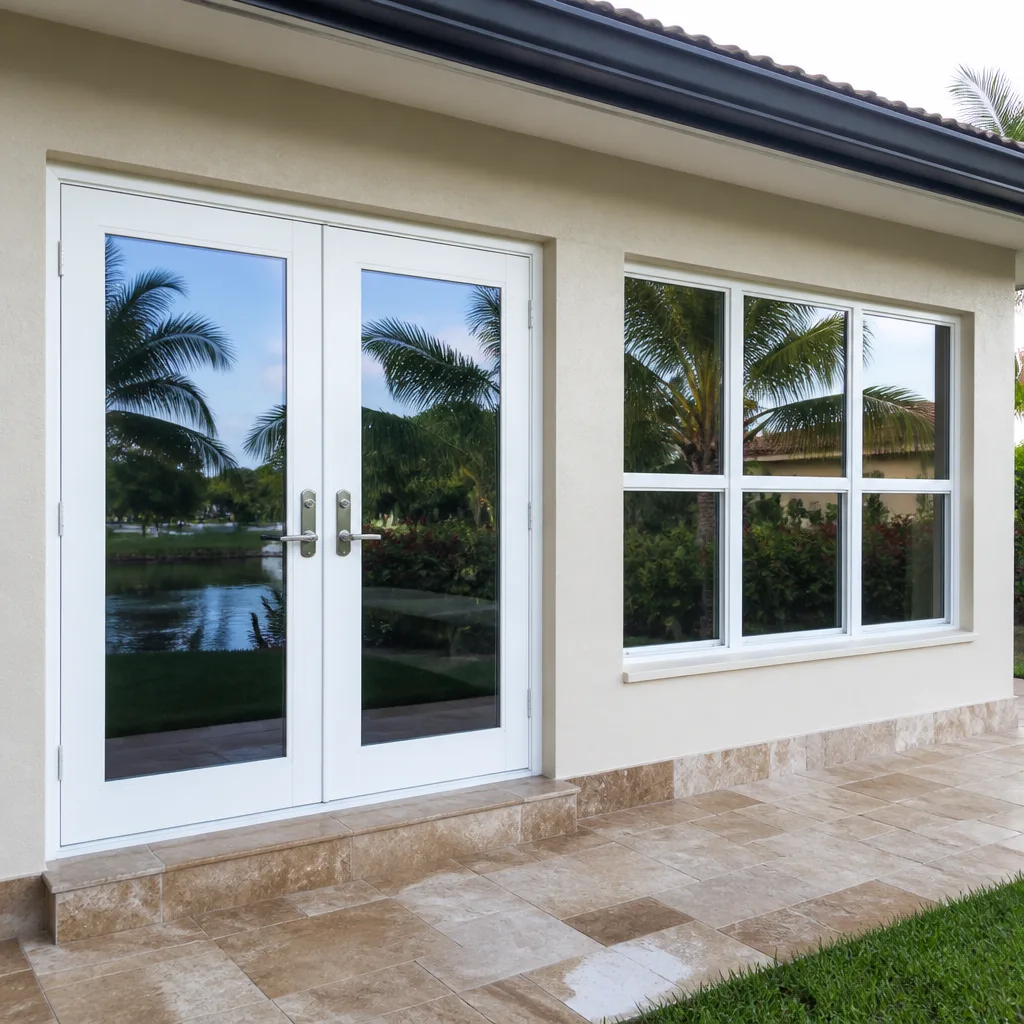 After
After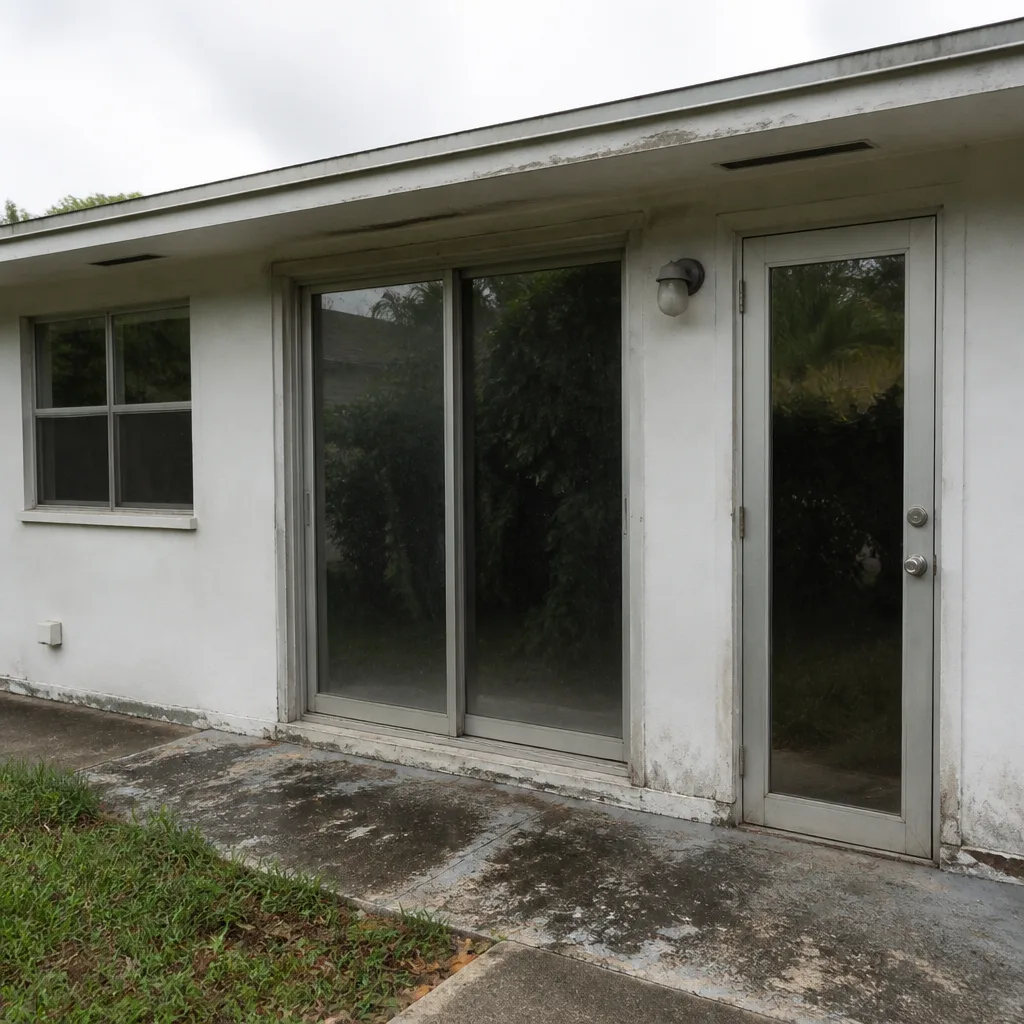 Before
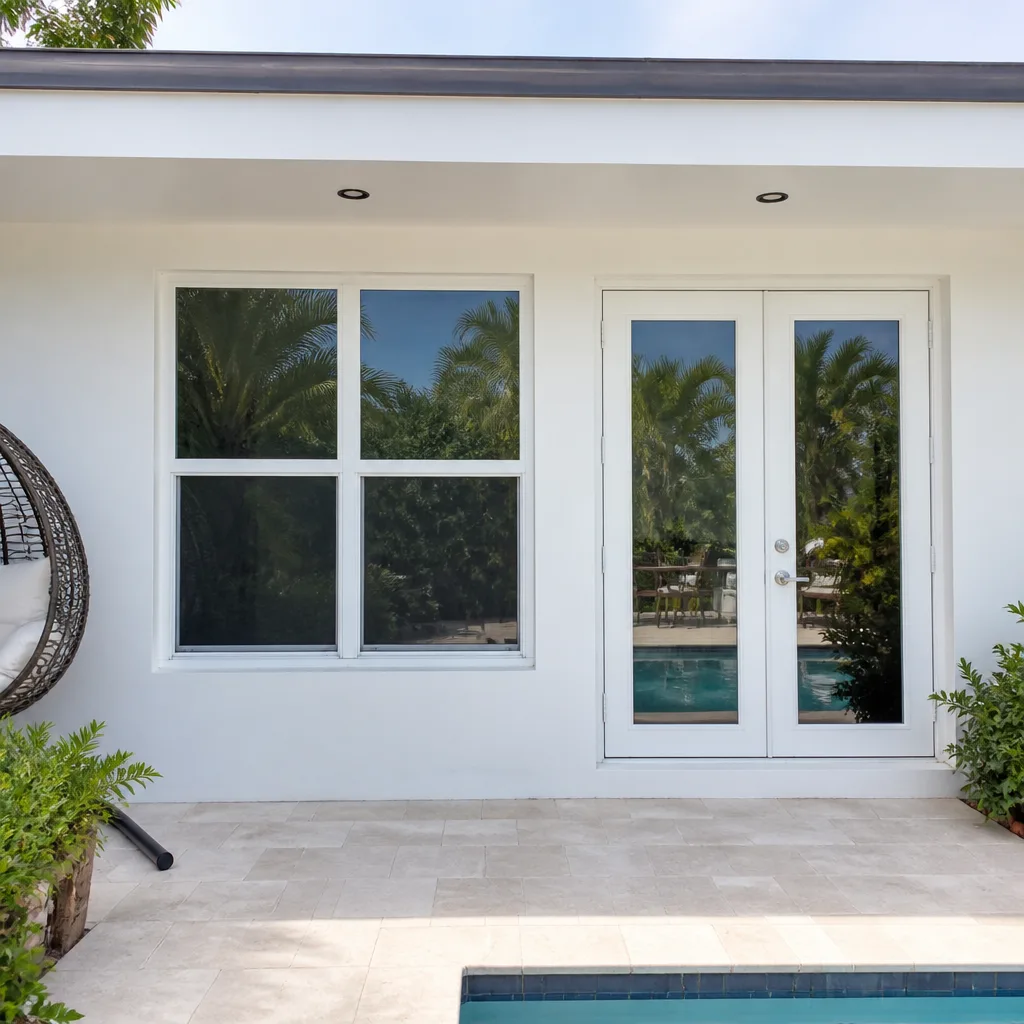 After
After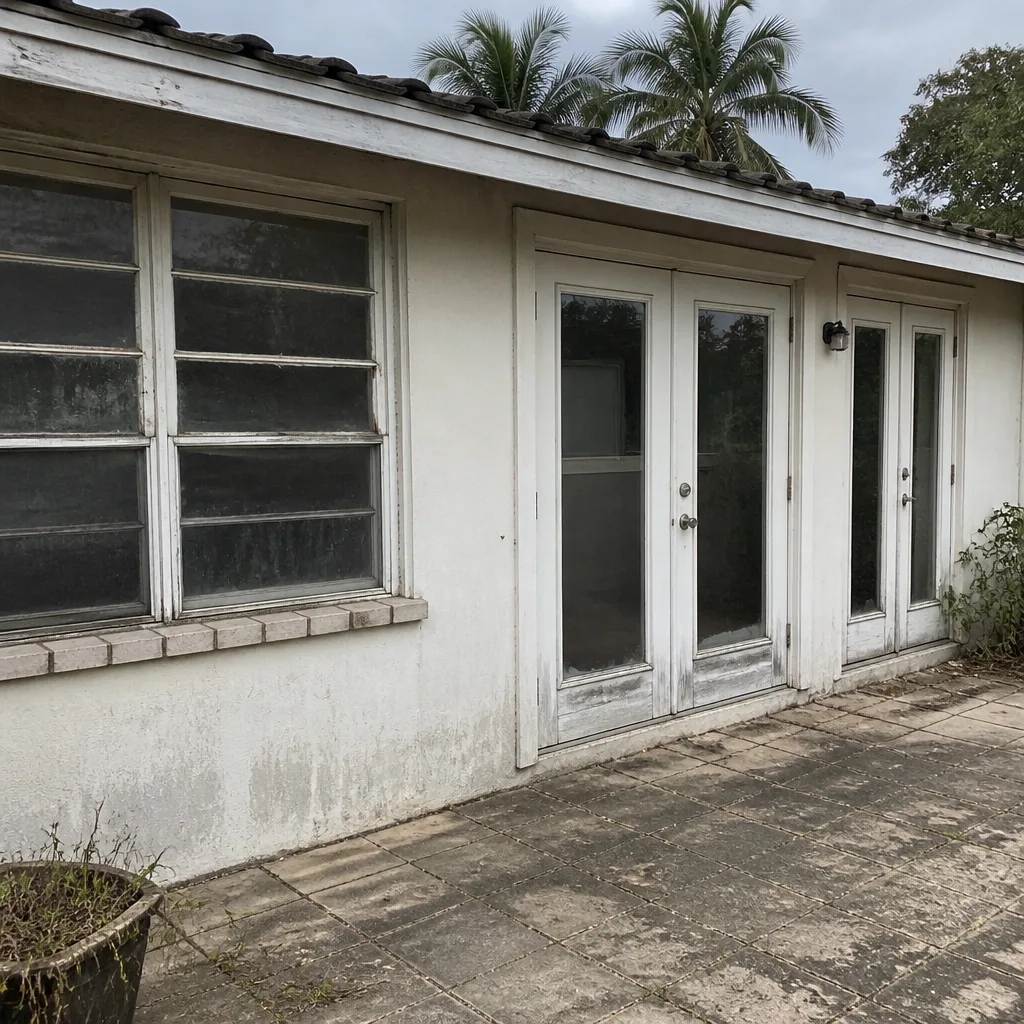 Before
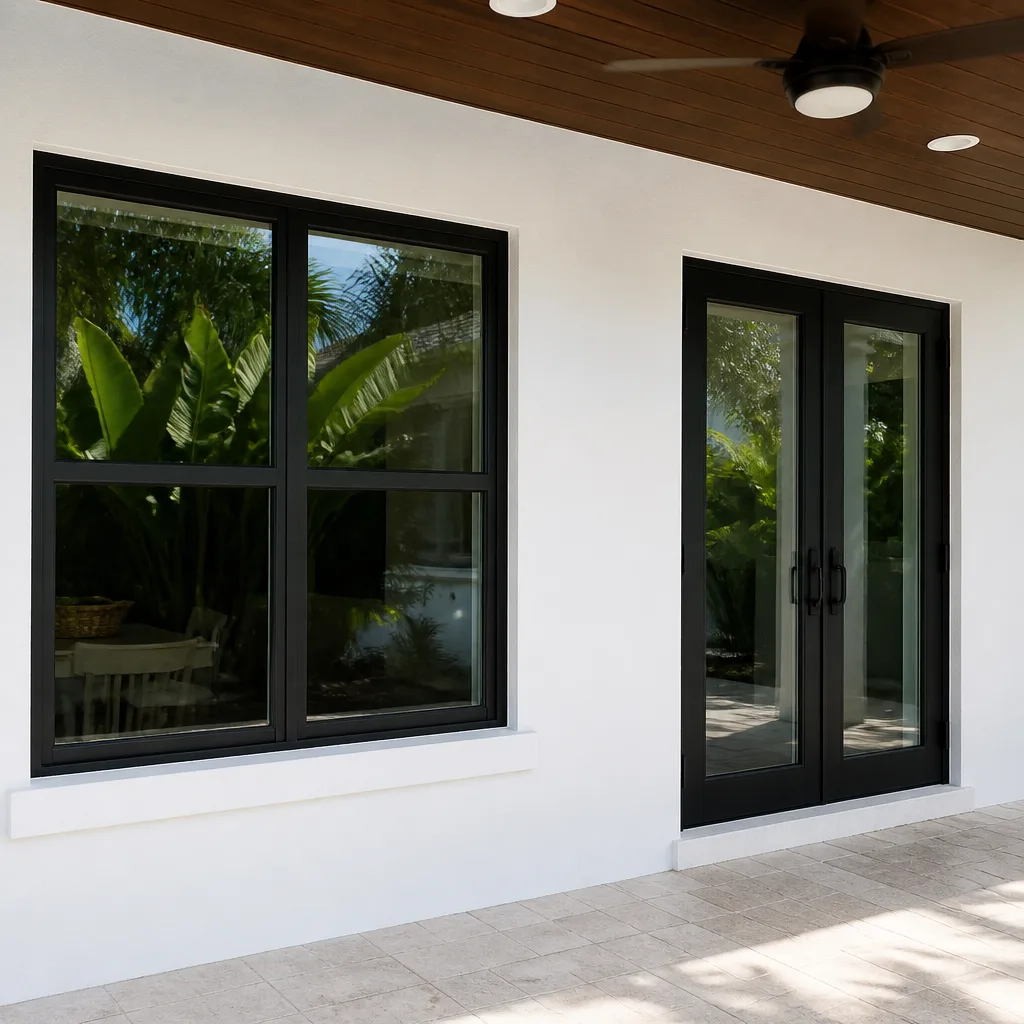 After
AfterHopper Windows in Miami, FL | TruePane Windows & Doors
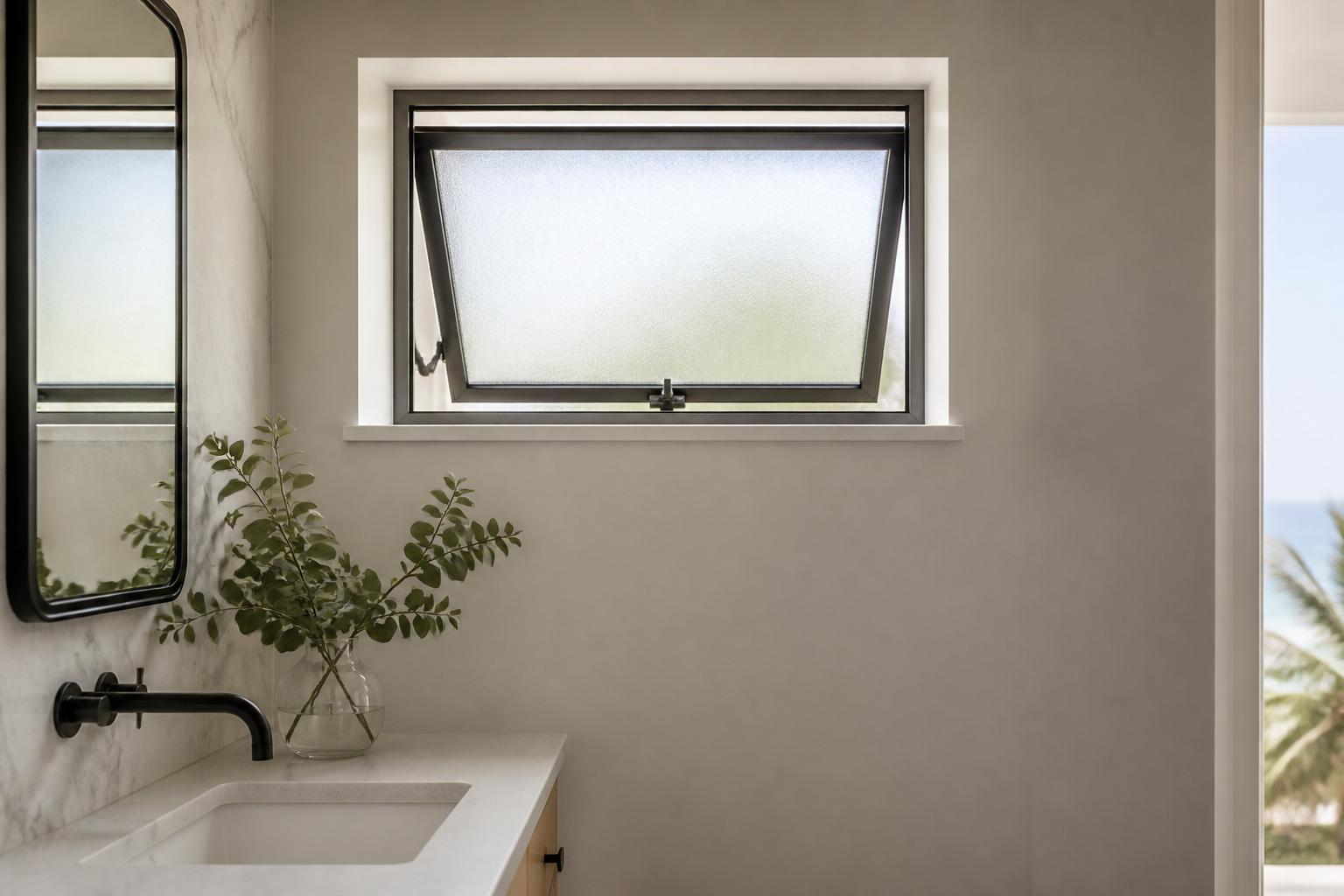
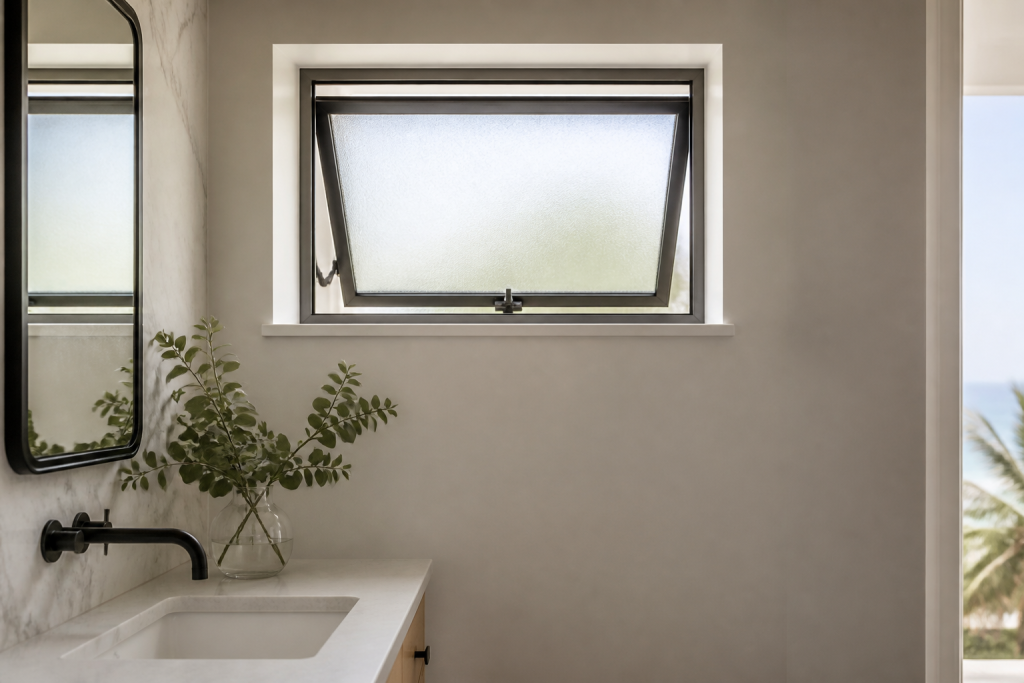
Hopper windows are the compact, bottom-hinged workhorses of Florida construction. They open inward from the top, which makes them a natural fit for bathrooms, utility rooms, and foundation-level spaces where a traditional sliding or casement window would be awkward or unsafe. In Miami, where every window opening is also a potential breach point during hurricane season, these small units carry serious engineering weight. TruePane Windows & Doors supplies and installs impact-rated hopper windows across Miami with frames in vinyl, aluminum, or composite. If you’re planning a replacement or new build, call (561) 956-2754 and we’ll walk you through what actually fits your opening and your wind zone.
Product Overview - Hopper Windows
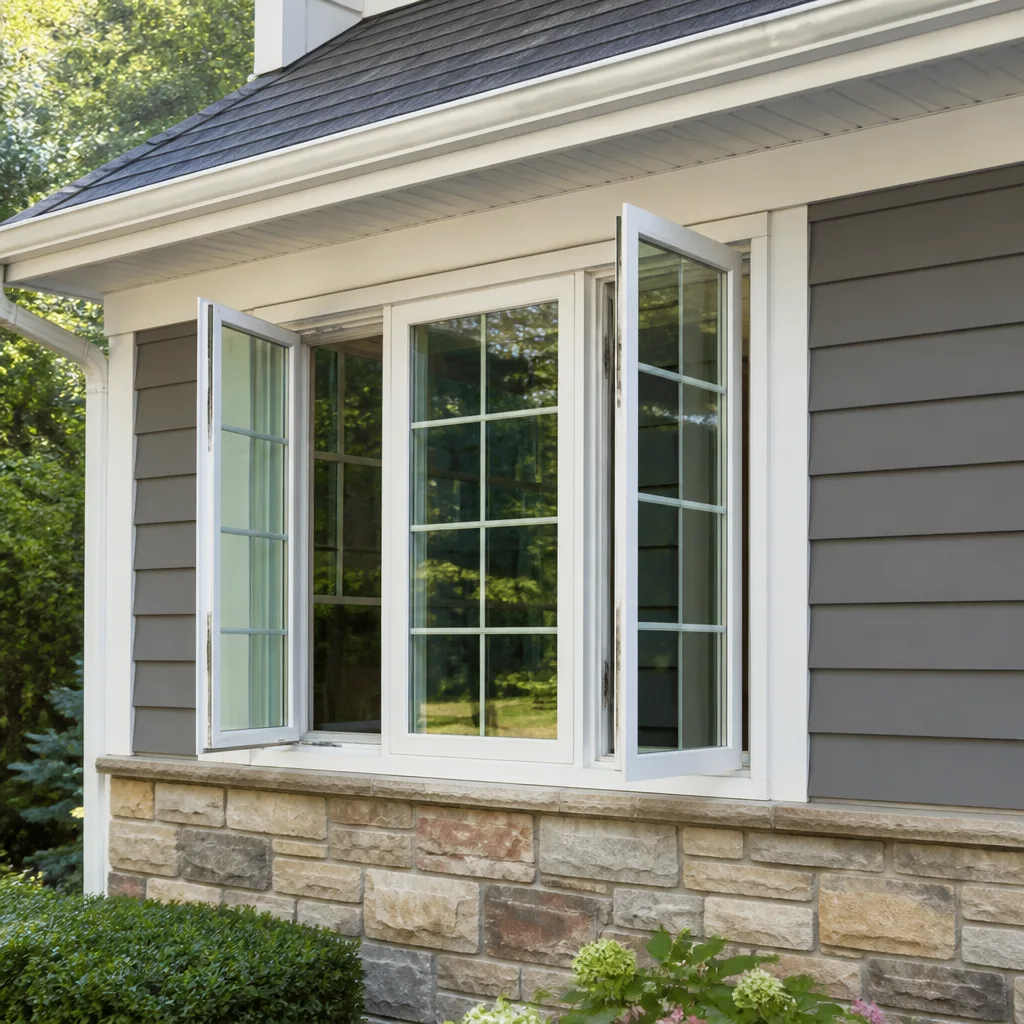
A hopper window hinges at the bottom and tilts inward, usually operated by a simple crank or push-out mechanism. That geometry gives you ventilation while keeping rain out, and it uses vertical wall space efficiently, which is exactly why you see these in Miami powder rooms, laundry closets, garage side walls, and basement-level utility spaces. Unlike an awning window that pushes outward, the hopper directs airflow upward and inward. In humid South Florida, that placement also helps keep the interior sill dry during afternoon storms.
The impact-rated version of this window is a different animal from a standard residential hopper. The laminated glass and reinforced frame are engineered to take a direct hit from windborne debris and hold together. That’s the whole point of HVHZ-rated glazing in Miami-Dade County, and it’s why a hopper window that looks simple from the street is actually a structural component. TruePane Windows & Doors installs these units from PGT, CGI, CWS, ES Windows, ECO, and Mr-Glass lines, and we carry them in vinyl, aluminum, and composite frame materials. Each material changes the performance profile, the finish durability, and the price, so the right call depends on where in Miami the window is going: a beachfront condo in Brickell, a 1950s ranch in Westchester, or a new build in Doral.
We see hopper windows specified most often in utility spaces, but they also work well as secondary ventilation in kitchens and as code-required egress openings in certain below-grade applications. The compact profile means the visible glass area is modest, which matters when you’re trying to balance natural light against wall space in a small Miami bathroom. Call (561) 956-2754 if you want us to look at your opening and tell you whether a hopper is your best option, or whether a casement or fixed impact unit serves the room better.
Technical Specifications
Hopper window specifications vary by manufacturer line and by what Miami-Dade’s building department will accept for your specific address. The table below covers the options we configure most often for Miami replacements and new construction. We verify every configuration against its NOA or Florida Product Approval before we quote it, because the paper trail matters as much as the glass.
- Frame materials: Vinyl, aluminum, or composite. Vinyl offers low maintenance and solid thermal performance. Aluminum gives you slimmer sightlines and higher structural rigidity, which is why it dominates in coastal Miami high-rises. Composite splits the difference with good dimensional stability and a paintable surface.
- Glass options: Laminated impact glass with a PVB interlayer, Low-E insulated glass, tinted glass, or clear glass. Impact-rated laminated glass is the non-negotiable for any opening required to meet HVHZ code.
- Finish options: White, almond, bronze, black, and tan. Powder-coated aluminum finishes hold up better against salt air than painted vinyl, which fades faster on direct east- and west-facing walls in Miami.
- Configuration: Bottom-hinged, inward-opening. Manual crank or push-out operation depending on the line. Insect screens mount to the interior side.
- Design pressure: Matched to your wind zone, up to +/-100 PSF. We do not upsell anyone to a higher rating than their building requires.
- Compliance documentation: Miami-Dade NOA and Florida Product Approval numbers issued per configuration. We include the relevant documents with your permit submittal.
Hurricane & Compliance Performance
Laminated Impact Glass - The glass in these units is built with a PVB (polyvinyl butyral) interlayer sandwiched between two panes. When a projectile hits, the glass may crack but the interlayer holds the shards in the frame, keeping wind and rain out of the room. That containment is what Miami-Dade inspectors are looking for.
Miami-Dade NOA / FL Product Approval - Every hopper configuration we sell carries either a Miami-Dade NOA (Notice of Acceptance) or a Florida Product Approval number. These are issued per configuration, not per product family, so we verify the exact number on your specific quote before you sign. Your permit package needs that document.
FBC / HVHZ Compliance - Hopper windows from our impact lines are engineered to Florida Building Code High-Velocity Hurricane Zone requirements. HVHZ is the strictest wind-borne debris standard in the state, and it applies to most of Miami-Dade County. Anything less is not legal for new construction or full replacement.
TAS 201 / 202 / 203 Testing Context - The protocol family these products are tested under includes TAS 201 for large-missile impact, TAS 202 for cyclic wind-pressure loading, and TAS 203 for forced-entry resistance. That trio is the backbone of HVHZ product qualification, and it’s the lens through which Miami-Dade evaluates every impact product.
Design Pressure Matched to Your Wind Zone - We size the design pressure to your actual wind zone, up to +/-100 PSF, and no higher. A house in Cutler Bay doesn’t need the same rating as a condo balcony on Key Biscayne. Paying for excess rating adds cost without adding protection your structure requires.
Energy Performance Options - Low-E and insulated glass configurations are available for hopper windows where the room has real conditioning load, like a finished utility room or a bathroom that opens to an interior hallway. Miami’s cooling season runs most of the year, so Low-E on the right openings makes a measurable difference in afternoon heat gain.
Color & Glass Options
Hopper window finishes in white and almond remain the most common choices for Miami interiors, especially in older homes with painted wood trim or stucco openings. Bronze and black have grown sharply in demand for Mediterranean and contemporary builds across Coral Gables, Pinecrest, and the Upper East Side. Tan sits somewhere in between and tends to blend well with Miami’s earth-toned stucco palette. If the window faces direct salt exposure, we steer clients toward powder-coated aluminum frames, which hold their color longer than painted vinyl in coastal air.
On the glass side, clear laminated impact glass is the default for utility spaces where the goal is simply passing code and keeping the room dry. Tinted glass cuts glare and solar gain, which is useful for west-facing bathroom windows that heat up in the late afternoon. Low-E insulated glass makes sense when the hopper serves a conditioned space you actually spend time in, and it pairs fine with the impact interlayer. We’ll spec the glazing based on orientation, room function, and your air-conditioning reality, not a one-size-fits-all recommendation.
Installation by TruePane Windows & Doors in Miami
An impact window is only as good as the opening it’s sealed into. We’ve pulled failed units out of Miami homes where the glass was fine but the perimeter leaked because the original installer rushed the rough opening or skipped the sealant. That’s the gap between a product with an NOA and a window that actually performs like one. Our installation practice follows AAMA 2400/2410 standards, which govern window installation in the field, and we use AAMA 812 low-expansion foam around the perimeter. The foam seals the frame to the substrate without distorting it, which matters for aluminum frames especially.
Every hopper we install in Miami starts with a pre-install inspection of the rough opening. We check for rot on older wood-framed homes, movement cracks in block, and out-of-square conditions that will fight the window for its service life. We set the frame level, plumb, and square, shimming where needed and anchoring to the structural opening, not just the stucco. After the foam cures, we apply the exterior sealant per manufacturer spec and run a water test on the opening before we call the job done. Cleanup is same-day, and we leave the permit paperwork with you if the jurisdiction required one.
Miami-specific conditions shape how we install. Coastal wind zones put more uplift and lateral pressure on smaller openings than people expect. Salt air shortens the life of cheap fasteners. And HVHZ jurisdictions don’t accept verbal assurances; they want the NOA or Florida Product Approval documents in the permit file. We handle that submittal work as part of the project. If you’re replacing windows in an older Miami home without current permits, we recommend getting the opening inspected before ordering product, because a rough opening that’s been settling for forty years can change the size you need to order.
Frequently Asked Questions - Hopper Windows
Design pressure is matched to your wind zone, up to +/-100 PSF, and we never specify a rating above what your building requires. Your quote will state the exact design pressure for your address and configuration.
Lead time depends on the manufacturer line and your finish and glass selections. Custom-size hoppers and non-stock finishes add time. We give you a written lead time on your quote and update you if the manufacturer changes their schedule before we install.
Yes, for most Miami-Dade municipalities replacing or installing an impact window, the permit package must include the NOA or Florida Product Approval for your exact configuration. We pull those documents and include them with the submittal, and we verify the approval number matches the product we’re installing.
Within the manufacturer’s approved size range for the line, yes. Custom sizes are available on most of our impact lines, though they cost more and take longer. We’ll confirm what’s approvable for your specific configuration before you commit to an order.
Wash the glass and frame with mild soap and water, and rinse the track or hinge area to keep salt and grit from building up. Lubricate the crank mechanism once or twice a year with a silicone-based lubricant. In Miami’s coastal air, aluminum frames benefit from an annual rinse to remove salt film before it etches the powder coat.
Get a Quote - Hopper Windows in Miami
Whether you need one hopper window for a bathroom in Coconut Grove or a full run of utility windows for a new build in Hialeah, we’ll measure, spec, and install it right. Call (561) 956-2754 to schedule a free on-site measurement and get a written, line-item quote. We’ll confirm your design pressure, pull the right compliance documents, and handle the rest.
Written by the team at TruePane Windows & Doors, serving Miami, FL with hurricane-impact window and door installations across PGT, CGI, CWS, ES Windows, ECO, and Mr-Glass product lines.
Six Reasons Homeowners Choose TruePane Windows & Doors
Impact systems engineered to design pressures up to +/-100, matched to your wind zone - your openings hold when the storm arrives.
Low-E insulated impact glass from our manufacturer lines commonly cuts monthly cooling bills 20-30%.
Laminated impact glass shuts out up to 40% of outside noise - traffic, neighbors, weather.
Monitoring services run $30-90 a month. Laminated impact glass resists forced entry around the clock, with no subscription.
Florida homeowners average around 25% savings on the windstorm portion of their policy after protecting every opening - some homes qualify for more.
A full impact package upgrades curb appeal, buyer confidence and appraised value in one project.
Other TruePane Windows & Doors Services
What Neighbors Say About TruePane Windows & Doors
Detailed Images