Free in-home measure and quote - PGT, CGI and CWS impact lines compared on your actual openings, style by style
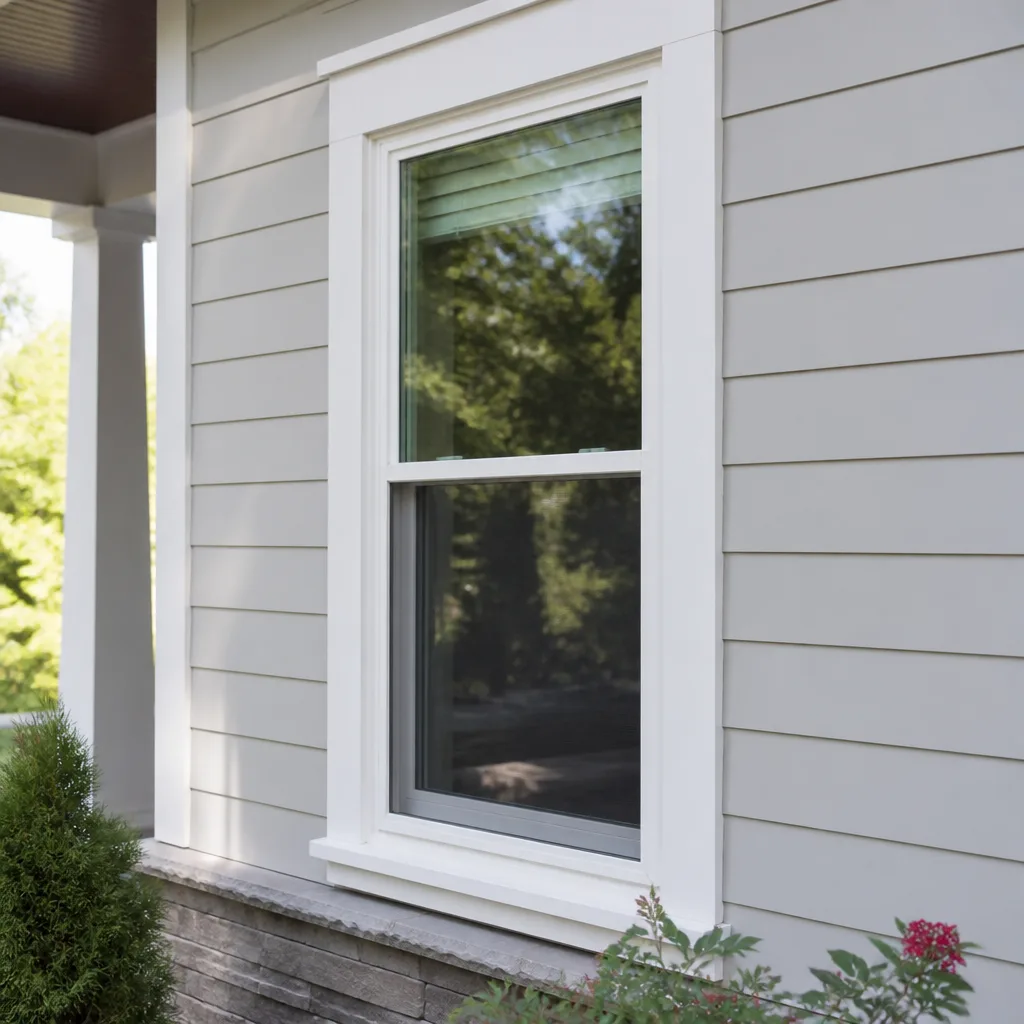
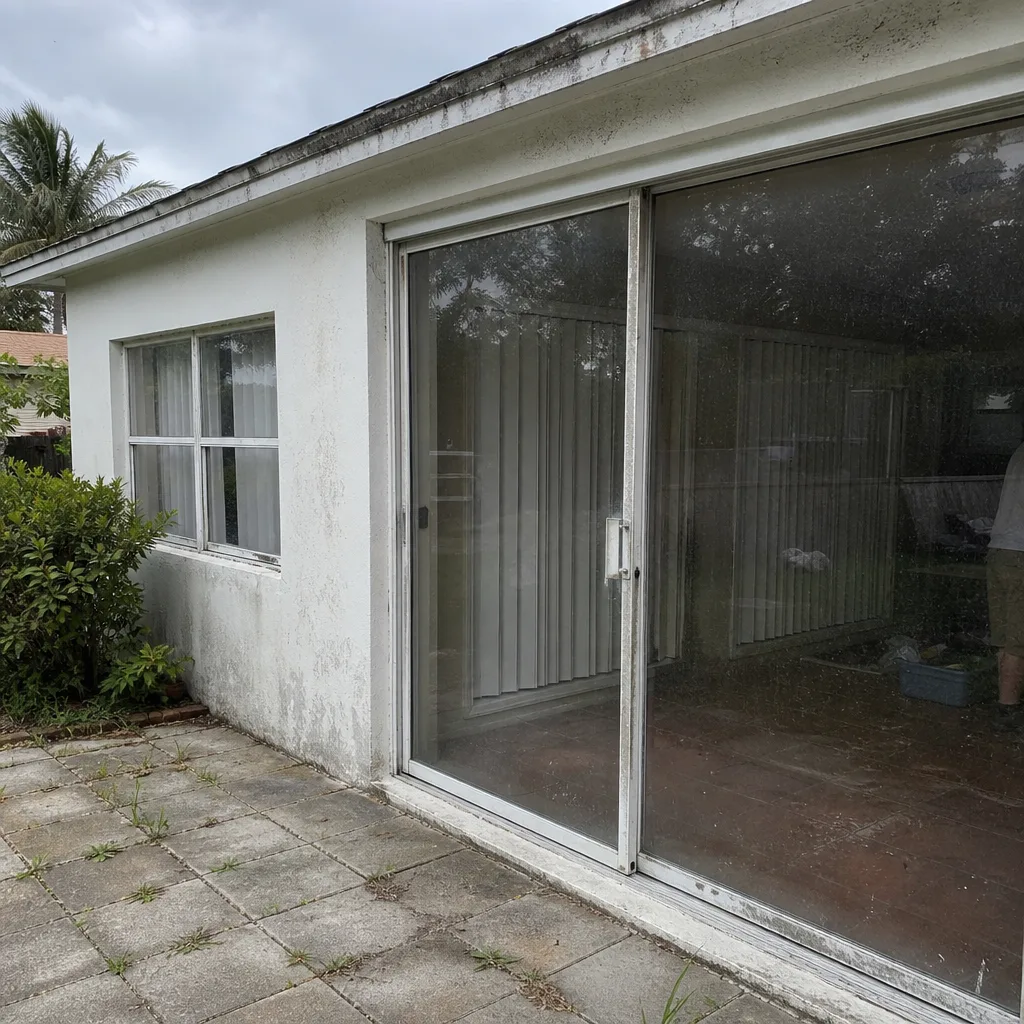 Before
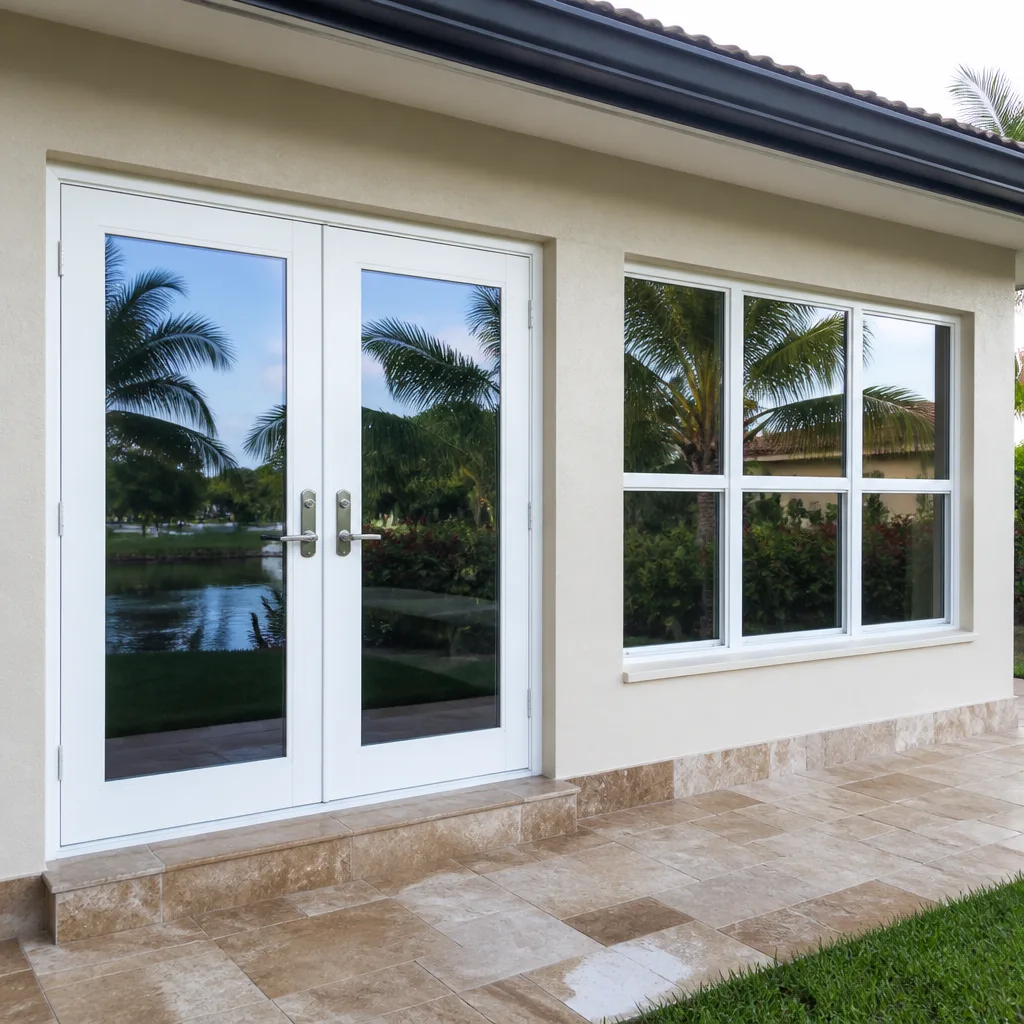 After
After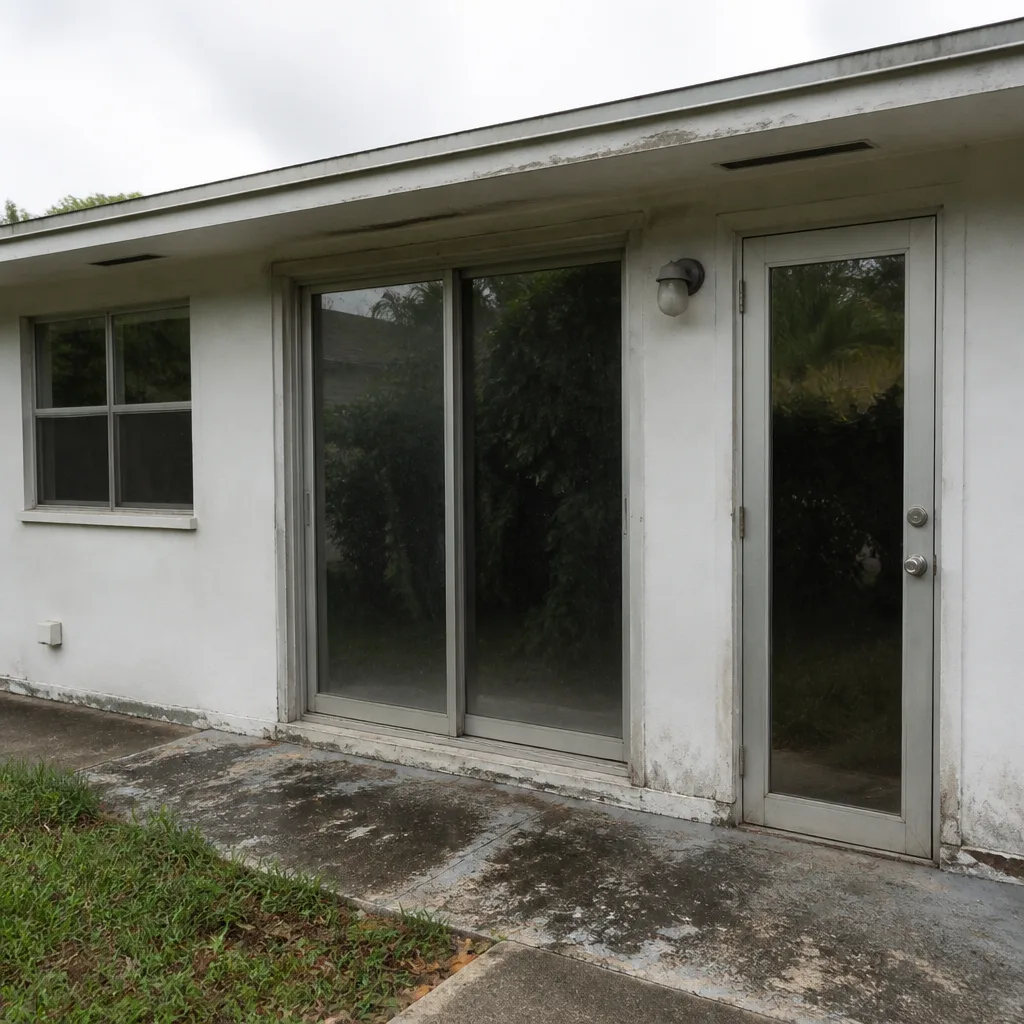 Before
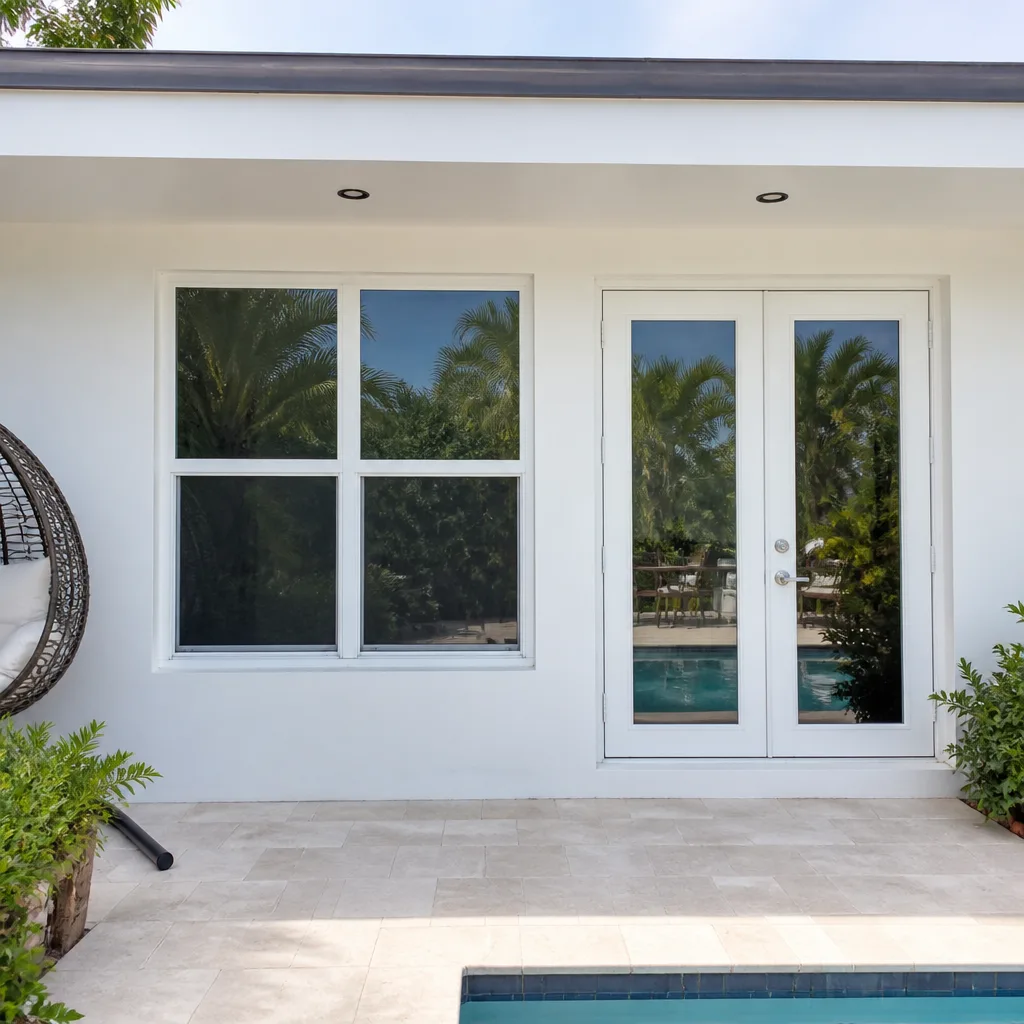 After
After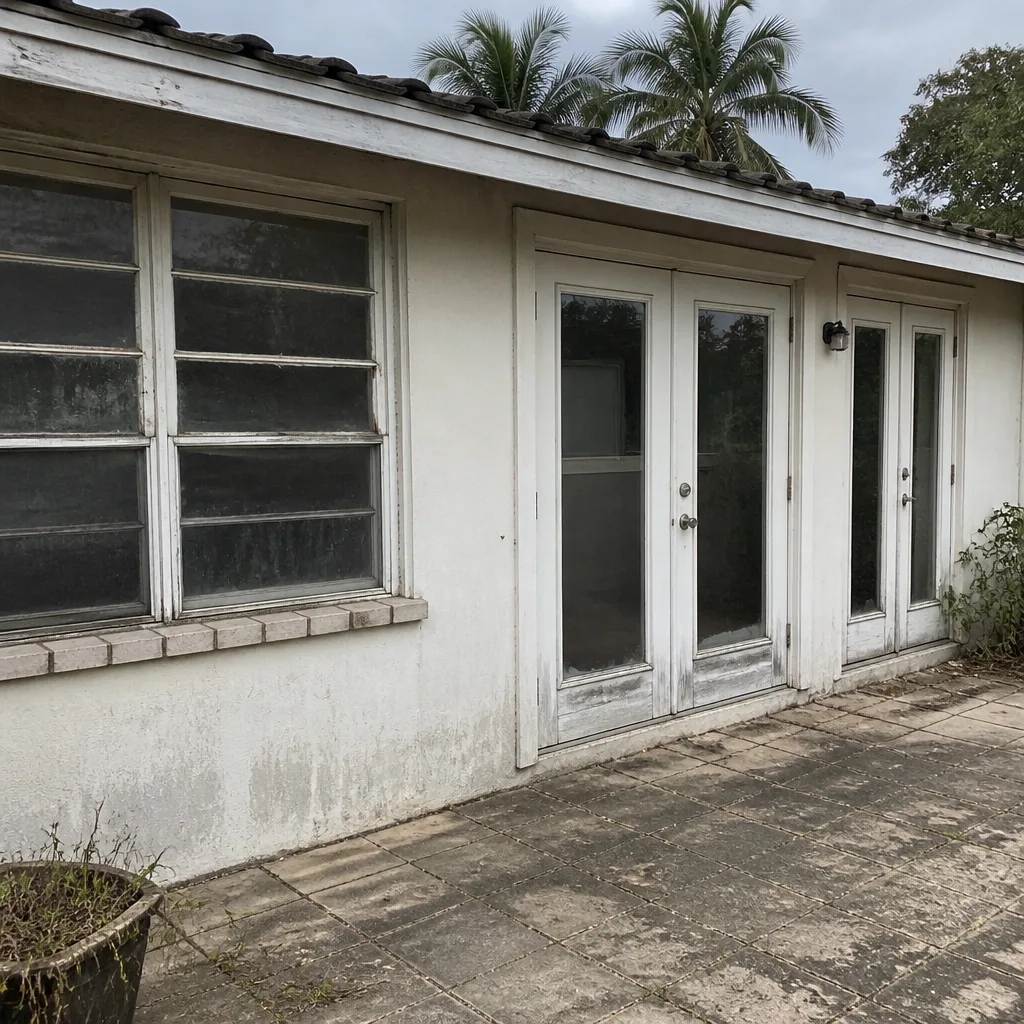 Before
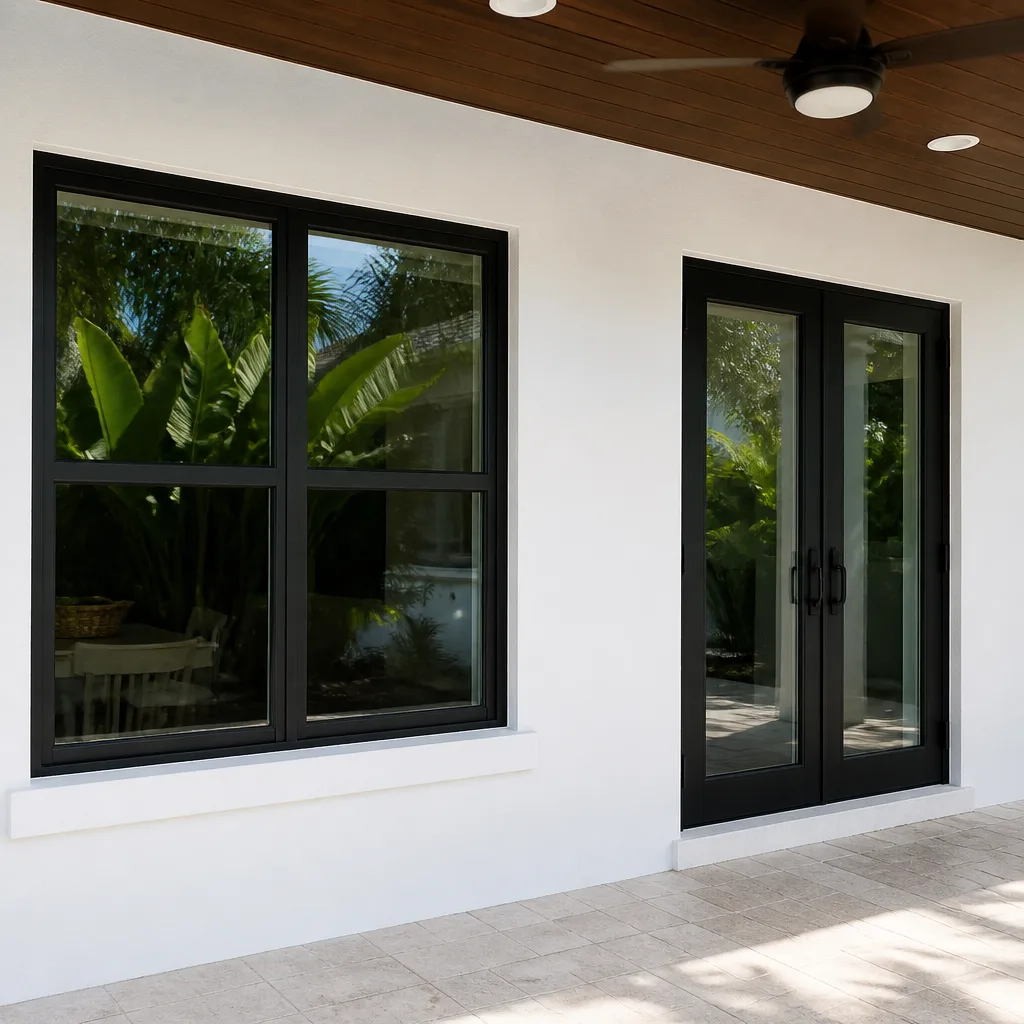 After
AfterPicture & Fixed Windows in Miami, FL | TruePane Windows & Doors
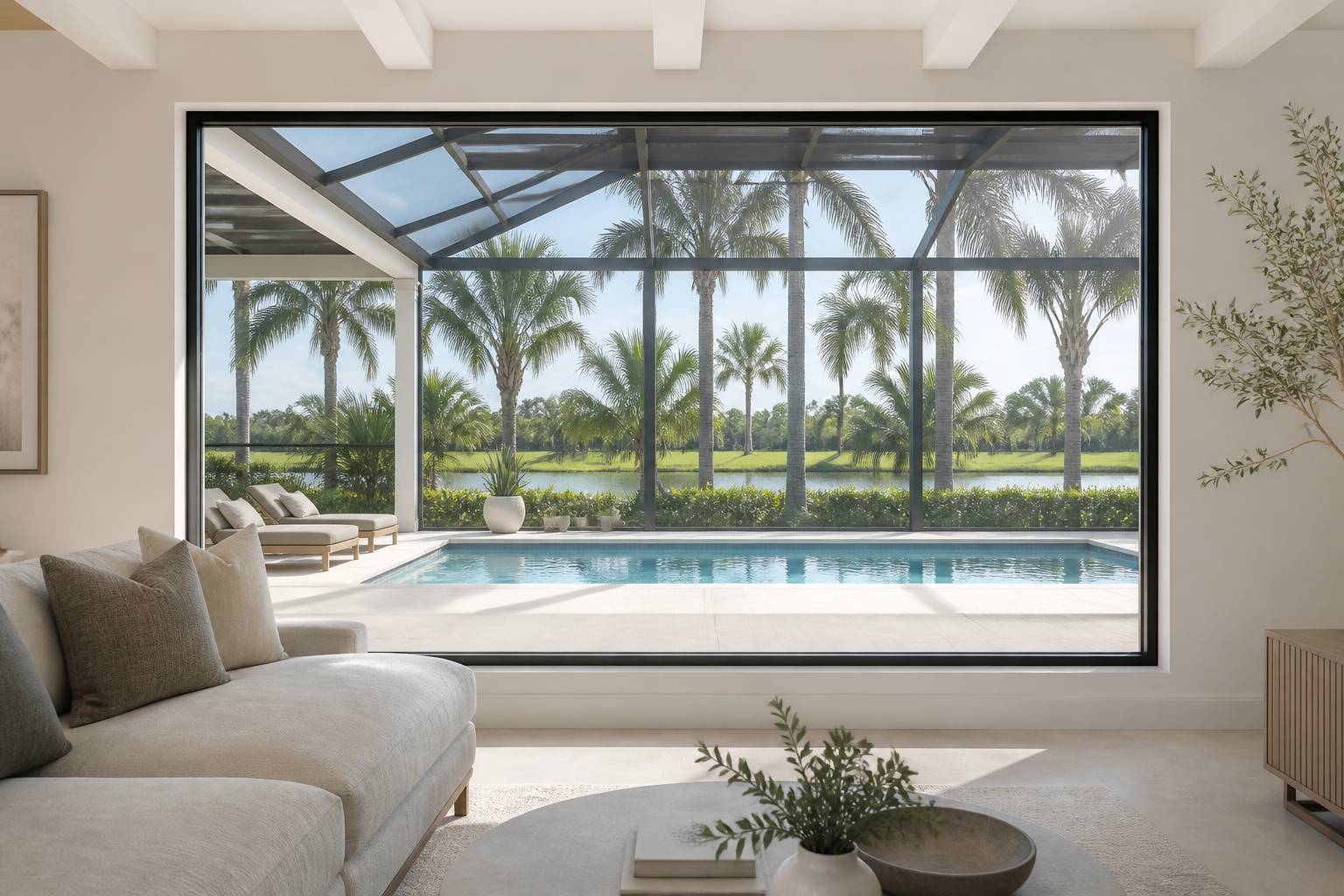
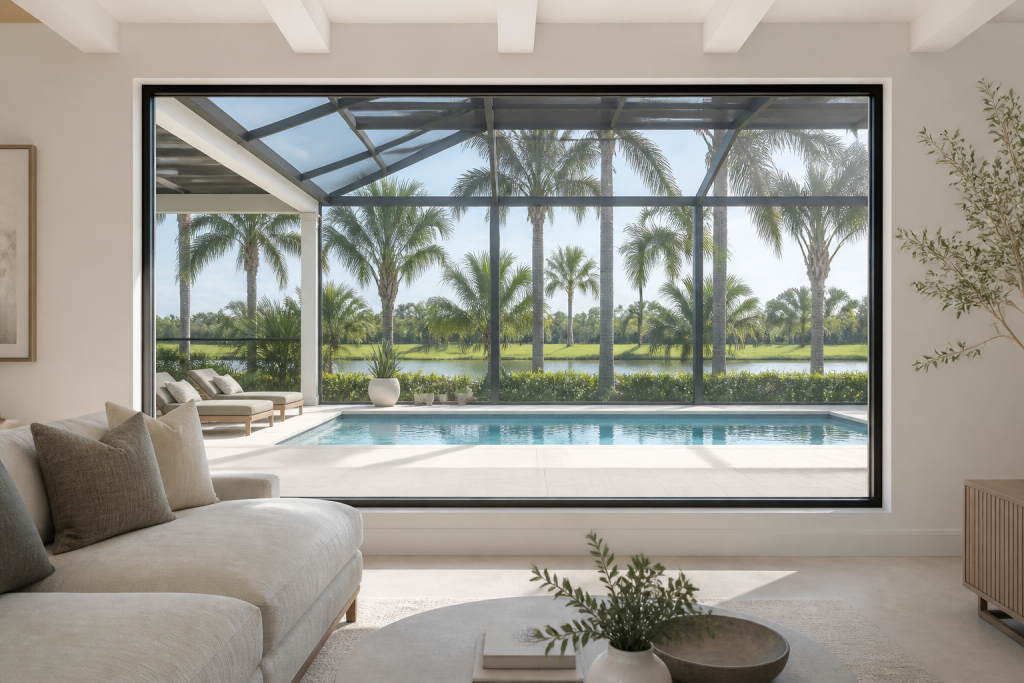
Picture and fixed windows are the non-operable workhorses of Florida hurricane design. They don’t open, they don’t slide, and that’s exactly the point: a solid laminated impact glass panel gives you the largest possible view of Biscayne Bay, your Coconut Grove garden, or a Coral Gables courtyard without a single mullion interrupting the sightline. TruePane Windows & Doors installs picture and fixed windows across Miami-Dade County, engineered to High-Velocity Hurricane Zone standards, and paired with PGT, CGI, CWS, ES Windows, ECO, and Mr-Glass product lines. Call (561) 956-2754 to discuss your project or schedule a free on-site measurement.
Product Overview - Picture & Fixed Windows
A picture window is a fixed pane of glass set into a frame that never moves. No sashes, no tracks, no cranks. In Miami, that simplicity is a structural advantage. Because the glass doesn’t need to slide or swing, the frame can be stronger, the seal tighter, and the glass area larger than what you’d get from an operable window of the same rough opening. These units are built with laminated impact glass, which uses a PVB (polyvinyl butyral) interlayer sandwiched between glass panes. When a storm hurls a 2×4 at the window, the glass cracks but the interlayer holds the shards in place. The window stays in the frame. That’s the entire job of an impact window, and a fixed unit does it more efficiently than anything with moving parts.
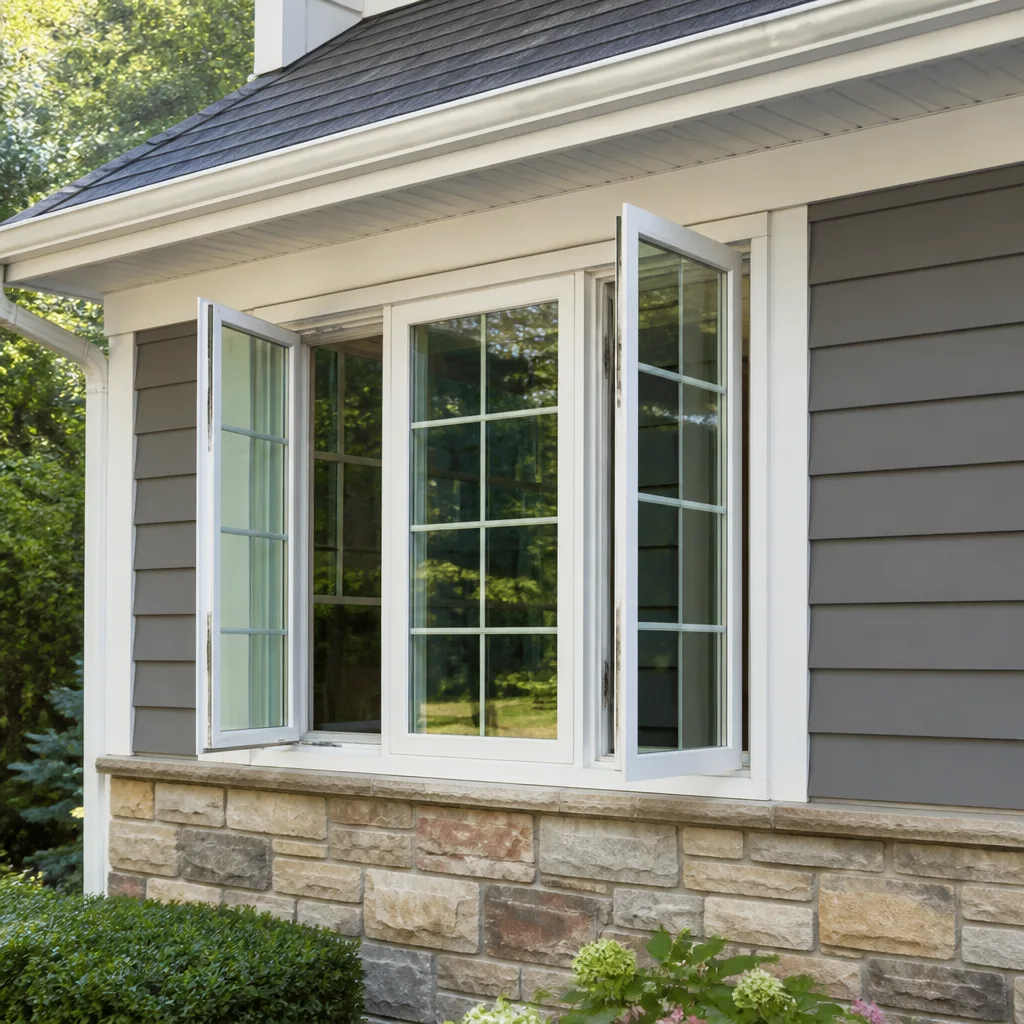
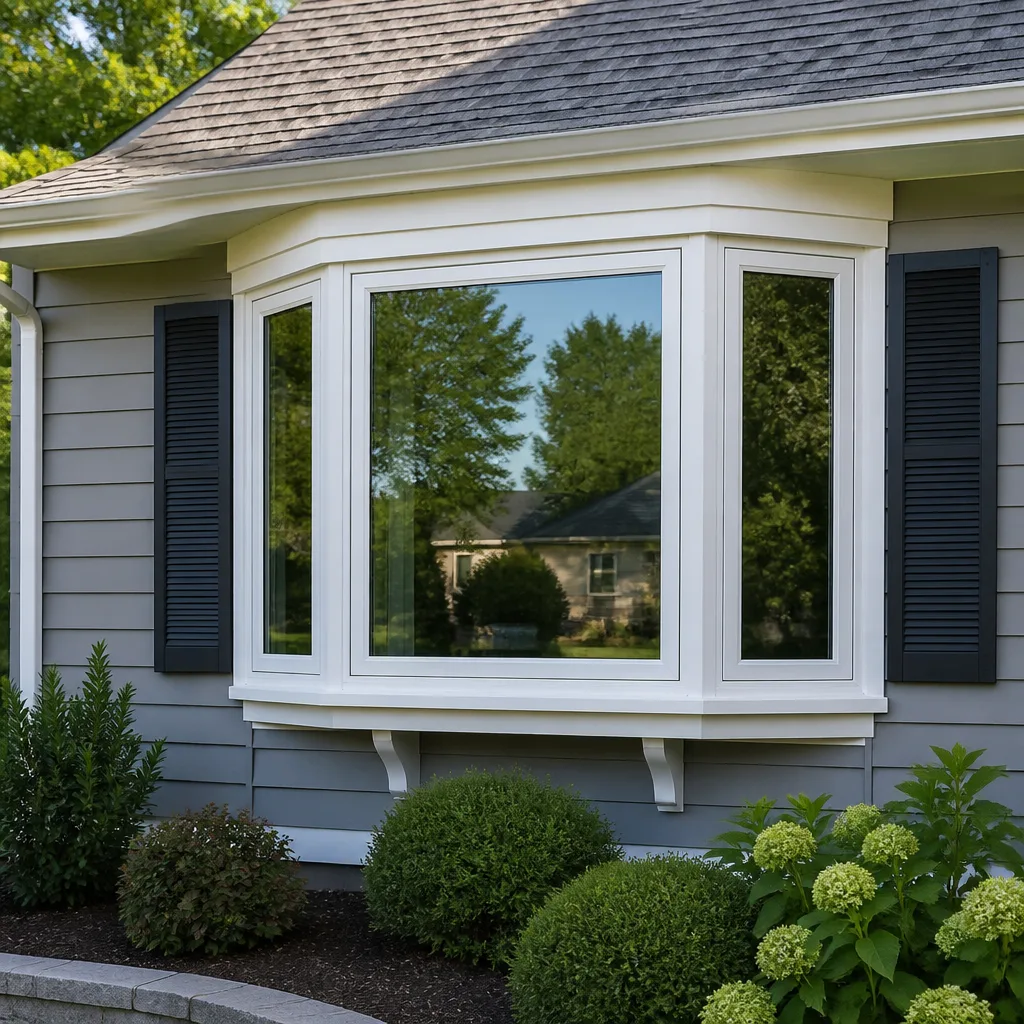
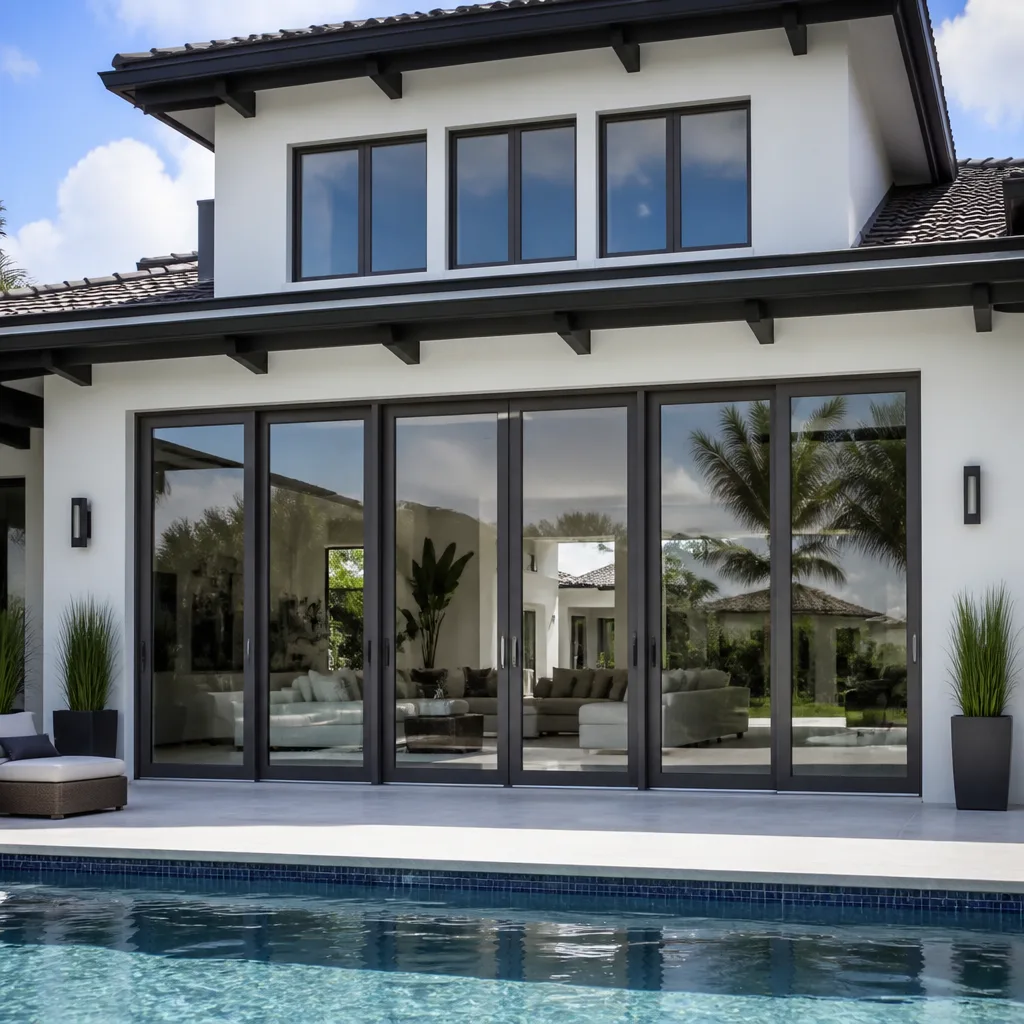
Architecturally, picture windows are rarely used alone. The classic Miami configuration pairs a large fixed center panel with operable units on either side: casements, single-hungs, or awning windows that let the trade winds through when the weather’s good. You see this pattern all over South Florida, in mid-century ranches in Kendall, Mediterranean revival homes in Coral Gables, and modern concrete builds in Edgewater. The fixed center panel is the view; the operable sides are the ventilation. TruePane Windows & Doors installs both, and we make sure the whole assembly shares one continuous sightline and one consistent finish.
Frame materials matter here. We offer aluminum and vinyl frames, each with different strengths. Aluminum carries more glass weight at larger spans, which is why a 120-inch picture window almost always calls for it. Vinyl offers better thermal performance at a lower cost, and today’s multi-chamber vinyl profiles are far sturdier than the hollow extrusions people remember from the 1990s. Both materials hold Miami-Dade NOA-approved impact glass. Both can be ordered in finishes that match your home. We’ll help you decide which one fits the span, the exposure, and the budget. Call (561) 956-2754 and we’ll talk through the options.
Technical Specifications
Here’s what you’re actually buying when you spec a picture or fixed window from TruePane Windows & Doors in Miami:
- Frame materials: Aluminum or vinyl, depending on span and exposure.
- Maximum size: Up to 120 inches wide. Large fixed panes like this need reinforced framing and careful glazing; we handle both.
- Glass options: Laminated impact glass with PVB interlayer, Low-E insulated glass, tinted glass, or clear glass. Laminated impact is the default for any opening that has to meet HVHZ code; insulated or Low-E can be added for energy performance.
- Finish options: White, almond, bronze, black, and tan. All are architectural-grade finishes, not paint.
- Design pressure: Matched to your wind zone, up to +/-100 PSF, never higher. We don’t sell you a heavier rating than your building needs.
- Compliance documentation: Miami-Dade NOA and Florida Product Approval numbers available per configuration. We provide the right paperwork for your permit package.
- Hardware: Fixed units have no operating hardware by definition, but we specify installation anchors, shims, and perimeter sealant rated for the design pressure of the opening.
Hurricane & Compliance Performance
What actually makes a picture window “hurricane impact” rated in South Florida? Six things. Here’s each one, in plain language.
Laminated Impact Glass
The heart of the system. Two panes of glass bonded to a PVB interlayer. Under impact, the glass fractures but doesn’t fall out of the frame. The interlayer stretches and holds. That keeps wind, rain, and debris outside where they belong. It’s the same technology used in car windshields, just thicker and tested to a much higher standard.
Miami-Dade NOA / FL Product Approval
Every configuration we sell carries a Miami-Dade Notice of Acceptance or Florida Product Approval number. These are not generic stamps. They’re issued per specific size, frame, and glass combination, after the product passes the full HVHZ test protocol. We verify the approval on your exact quote before we order anything. No exceptions.
FBC / HVHZ Compliance
Miami-Dade and Broward sit inside the Florida Building Code’s High-Velocity Hurricane Zone, the strictest wind code in the state. The windows we install are engineered to that standard, not to a generic coastal code. If you’re pulling a permit in Miami, your window submittal has to satisfy the HVHZ reviewer. Ours do.
TAS 201 / TAS 202 / TAS 203 Testing Context
These are the Florida test protocols that HVHZ-rated products are judged against. TAS 201 fires a large missile at the glass. TAS 202 cycles wind pressure against the unit, positive and negative, thousands of times. TAS 203 tests forced-entry resistance, which matters for ground-floor windows. The approvals we reference exist because products passed this battery. It’s the protocol family, not a marketing badge.
Design Pressure for Your Wind Zone
Design pressure, or DP, is a PSF rating that tells you how much wind load the window can withstand. We match the DP to your property’s specific wind zone, up to +/-100, and we never spec higher than the building requires. Over-engineering sounds impressive, but it adds cost and weight for zero benefit. Tell us your address and we’ll confirm the zone and the right DP.
Energy Performance
Low-E and insulated glass options are available on fixed picture units. In Miami, the solar load is the big challenge: afternoon sun on a west-facing window can spike your cooling bill. Low-E coatings reject a meaningful share of that heat while preserving visible light. Insulated units add a second air space for still better thermal performance. We spec these based on orientation, not habit.
Color & Glass Options
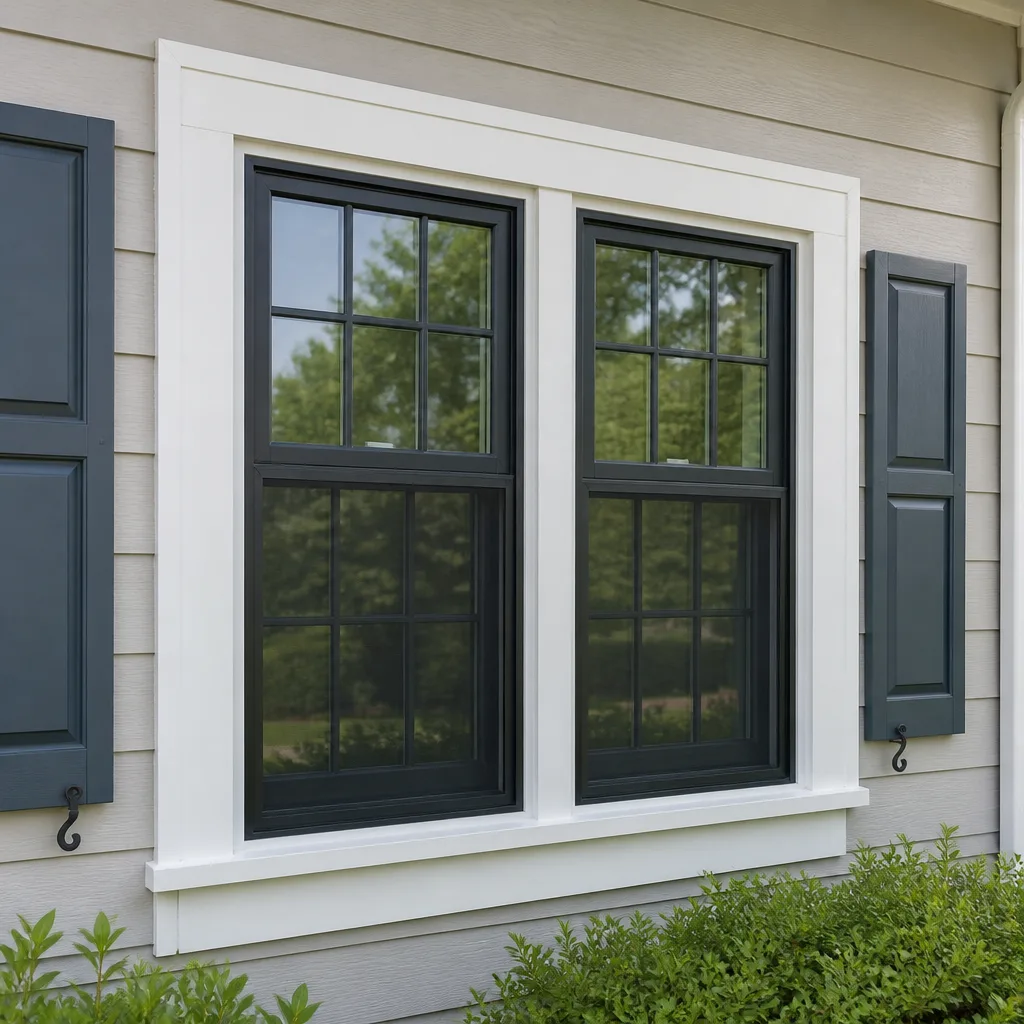
Finishes. White is the default for most Miami homes, and it works on nearly any architecture from Little Havana’s Spanish-style casitas to new construction in Doral. Almond reads warmer and hides dust well on large spans. Bronze and black are popular on modern homes, where dark frames make the glass disappear and put the view at the center. Tan suits the sandy, earth-tone palette of Miami’s coastal cottages and older ranch homes. All five finishes are architectural-grade and carry the same NOA approval.
Glass. Clear laminated impact is the baseline: maximum light transmission, full impact rating, no tint to alter colors. Tinted glass cuts glare and solar heat, which matters on east and west exposures; the trade-off is a slightly darker view from inside. Low-E insulated glass adds a thermal barrier plus heat-rejecting coating, the best choice for air-conditioned rooms with large fixed glass. We’ll help you balance view quality, heat gain, and code compliance for each opening. Call (561) 956-2754 to walk through it with a real installer, not a call center.
Installation by TruePane Windows & Doors in Miami
A window’s NOA rating means nothing if the installation is sloppy. The approval covers the product as installed per its anchoring and sealing requirements. Cut corners on the perimeter seal, or set the frame out of square, and the rating is void. That’s why TruePane Windows & Doors treats installation as part of the engineering, not an afterthought.
Every project starts with a pre-install inspection. We measure the rough opening, check the substrate for rot or masonry deterioration, and confirm the specified product matches the wall condition. Then we set the frame level, plumb, and square. We don’t shim a corner and call it good. We check every axis before anchoring.
Perimeter sealing follows AAMA 812 practice: low-expansion foam sealant around the full perimeter, then exterior-grade sealant at the jamb-to-wall transition. We install per AAMA 2400/2410 guidelines, which govern the practice of fenestration installation. The frame is anchored at intervals specified by the product approval, using fasteners rated for the substrate. After the unit is secured, we run a water test on the perimeter before any trim goes up. If water gets in, we find out on our watch, not during the first summer thunderstorm.
Coastal exposure changes the calculation. Salt air corrodes cheap fasteners and pitted aluminum. Condo work in high-rise buildings has its own anchoring challenges. Miami-Dade permitting requires the right NOA documentation, and we include that in your submittal package. If you’re replacing windows in a historic district like Miami Beach’s Art Deco zone, we flag that early so there are no surprises at plan review. Improper installation compromises the NOA-rated system, and that’s a code risk we won’t put on a homeowner. If you want the job done once, call (561) 956-2754.
Frequently Asked Questions - Picture & Fixed Windows
The design pressure is matched to your property’s specific wind zone, up to +/-100 PSF, and we never spec higher than your building actually requires. Miami sits in the HVHZ, which is the most demanding wind zone in Florida. Give us your address and we’ll confirm the zone and the right DP for your elevation and exposure.
Lead time depends on the manufacturer, the glass package, and whether the size calls for a custom configuration. Laminated impact glass is not something we keep on a shelf. You should plan for several weeks from order to install, and longer during hurricane season when manufacturers are at peak capacity. We’ll give you a written estimate of the timeline with your quote. Call (561) 956-2754 and we’ll check current lead times for your exact spec.
Yes. Any impact window installed in Miami-Dade requires an approved product submittal with the permit application. The NOA or Florida Product Approval number has to match the exact frame, glass, and size you’re installing. TruePane Windows & Doors provides the correct documentation with every quote and install. If a contractor can’t produce the approval numbers before you sign, walk away.
Up to 120 inches wide, yes. Within that limit, we order to your rough opening. Larger spans need reinforced framing and sometimes a different frame material, aluminum rather than vinyl, to carry the glass weight. If you want a fixed panel flanked by operable windows, we spec all three units together so the sightlines and finishes match. Call (561) 956-2754 and we’ll measure it in person.
Wash the glass with mild soap and water. Rinse the frame, especially in salt-air areas near Biscayne Bay or the ocean, where airborne salt can pit anodized aluminum over time. Check the exterior perimeter sealant once a year, before hurricane season. If you see cracking or separation, have it re-sealed. The window itself has no moving parts to lubricate or adjust, which is one of the reasons a fixed impact window is the lowest-maintenance opening in your house.
Get a Quote - Picture & Fixed Windows in Miami
We work across Miami-Dade, from Pinecrest to Aventura, and we’d rather show up and measure than guess over the phone. Tell us what you’re replacing, what’s driving the project, and we’ll spec the right fixed window for your openings, your wind zone, and your permit package. Call (561) 956-2754 to schedule your free on-site measurement and get a written, line-item quote.
Written by the team at TruePane Windows & Doors, serving Miami, FL.
Six Reasons Homeowners Choose TruePane Windows & Doors
Impact systems engineered to design pressures up to +/-100, matched to your wind zone - your openings hold when the storm arrives.
Low-E insulated impact glass from our manufacturer lines commonly cuts monthly cooling bills 20-30%.
Laminated impact glass shuts out up to 40% of outside noise - traffic, neighbors, weather.
Monitoring services run $30-90 a month. Laminated impact glass resists forced entry around the clock, with no subscription.
Florida homeowners average around 25% savings on the windstorm portion of their policy after protecting every opening - some homes qualify for more.
A full impact package upgrades curb appeal, buyer confidence and appraised value in one project.
Other TruePane Windows & Doors Services
What Neighbors Say About TruePane Windows & Doors
Detailed Images