
Last updated August 28, 2026
Free in-home measure and quote - PGT, CGI and CWS impact lines compared on your actual openings, style by style
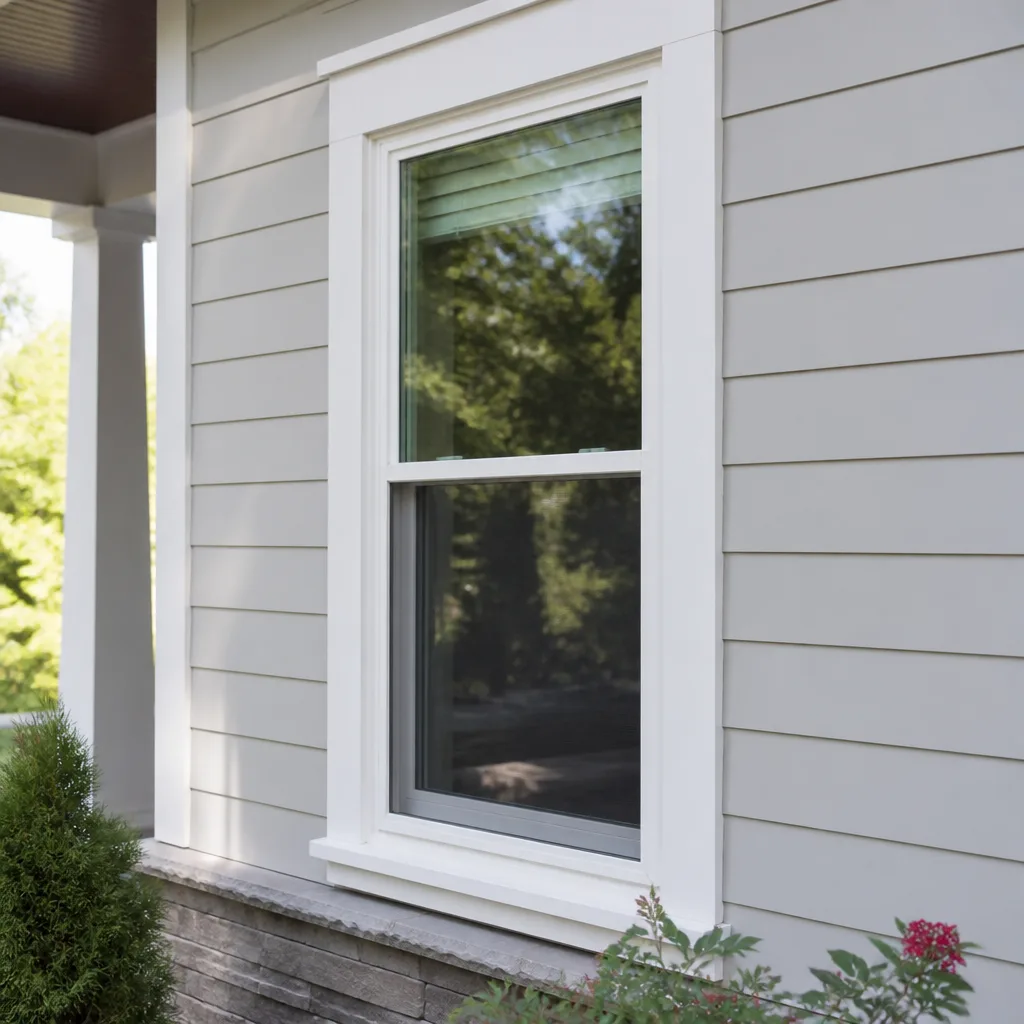
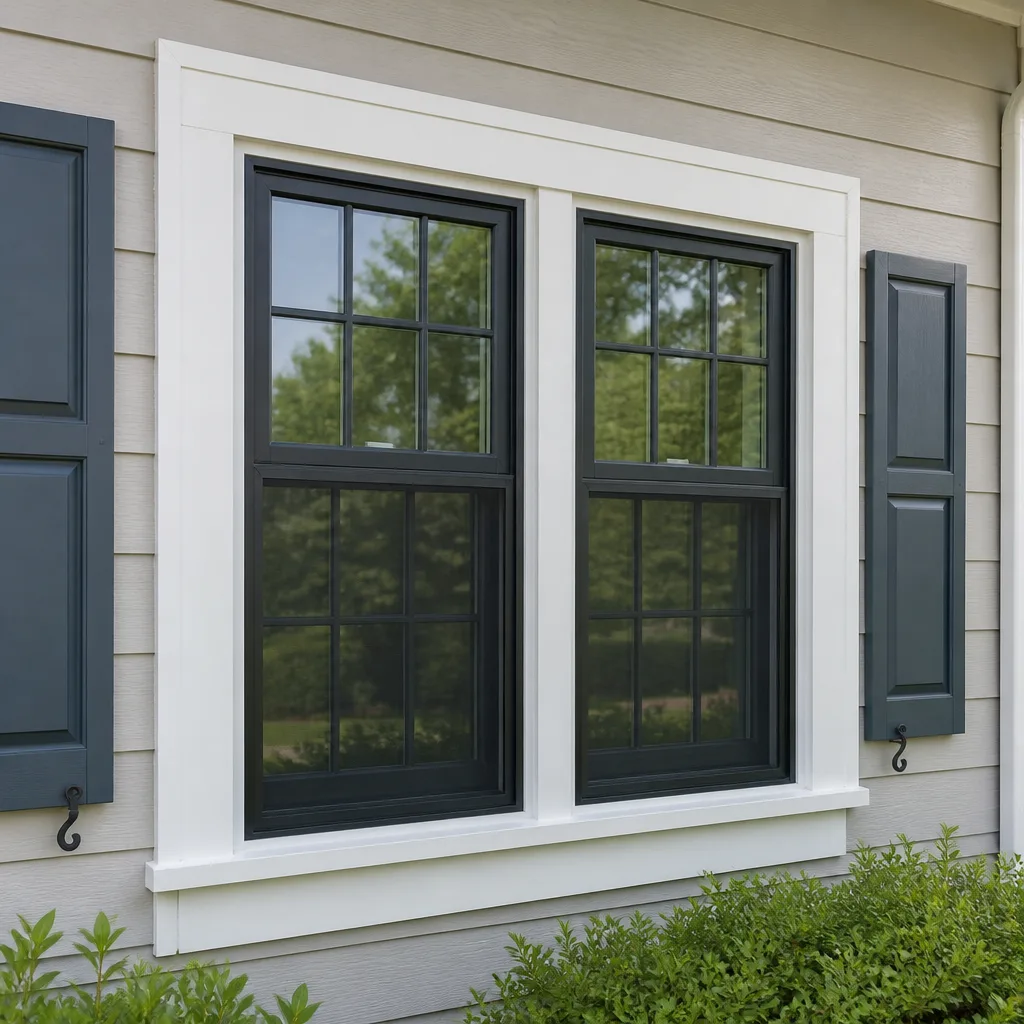
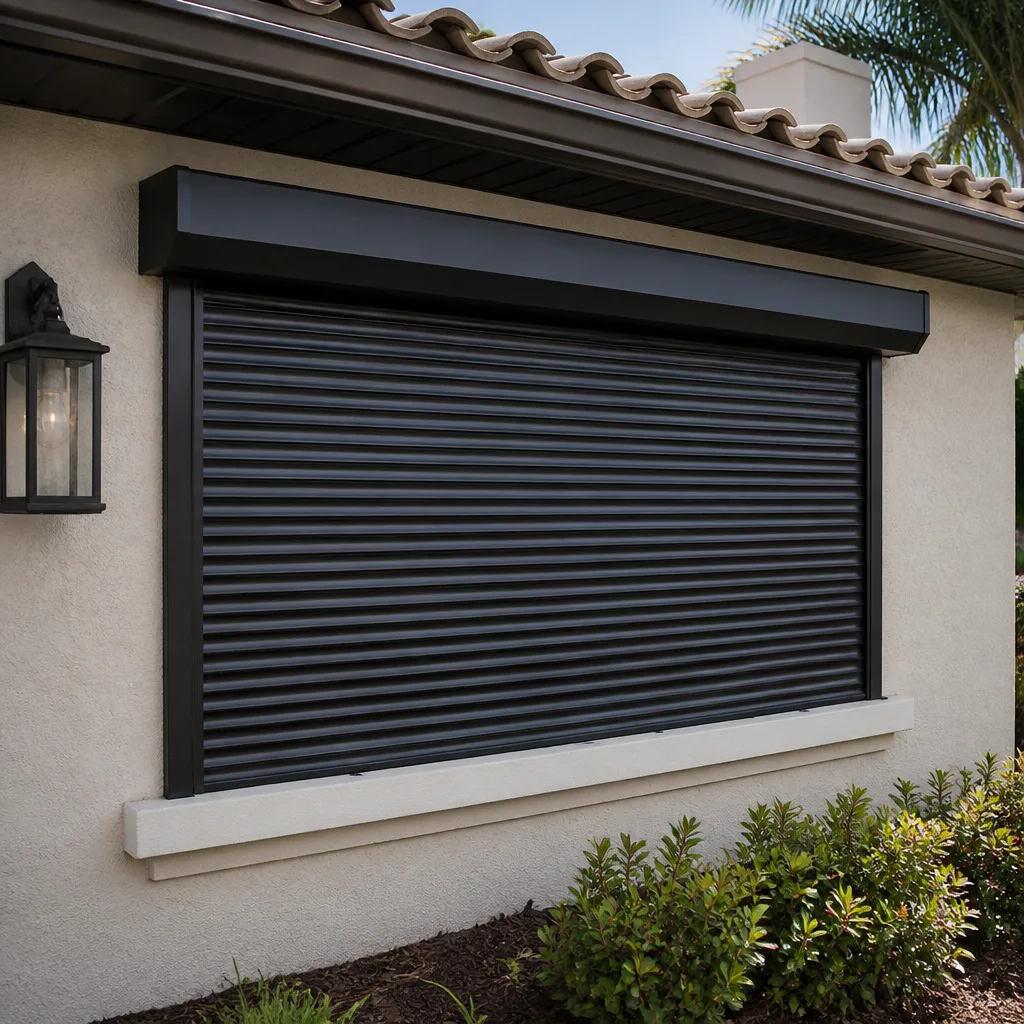
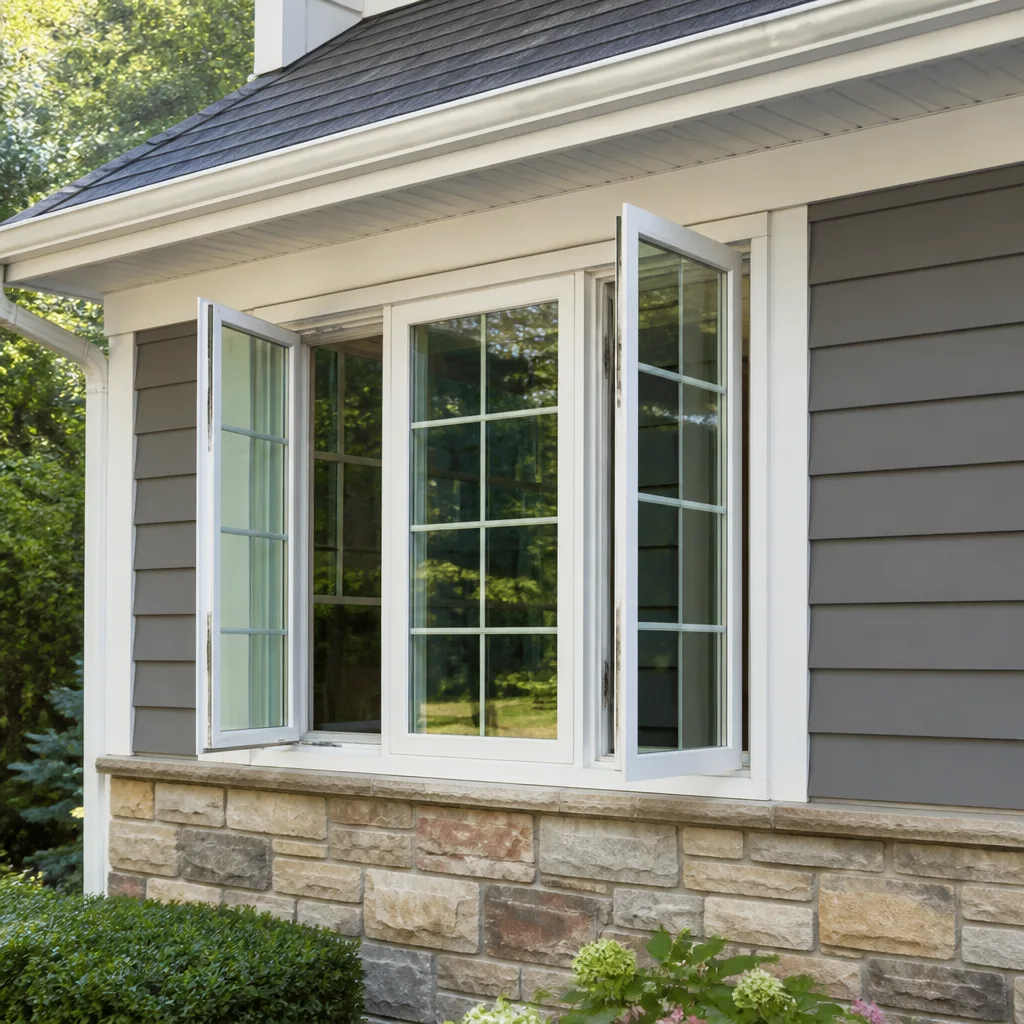
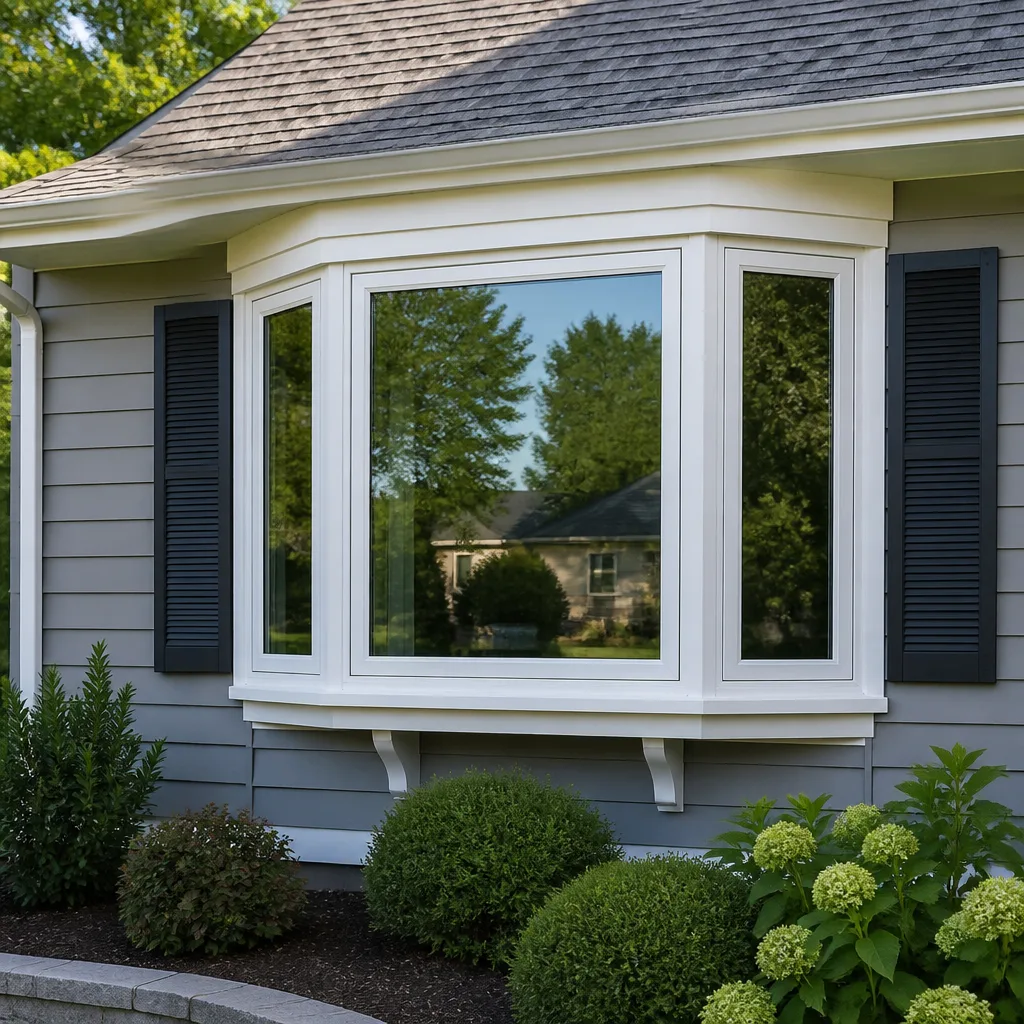
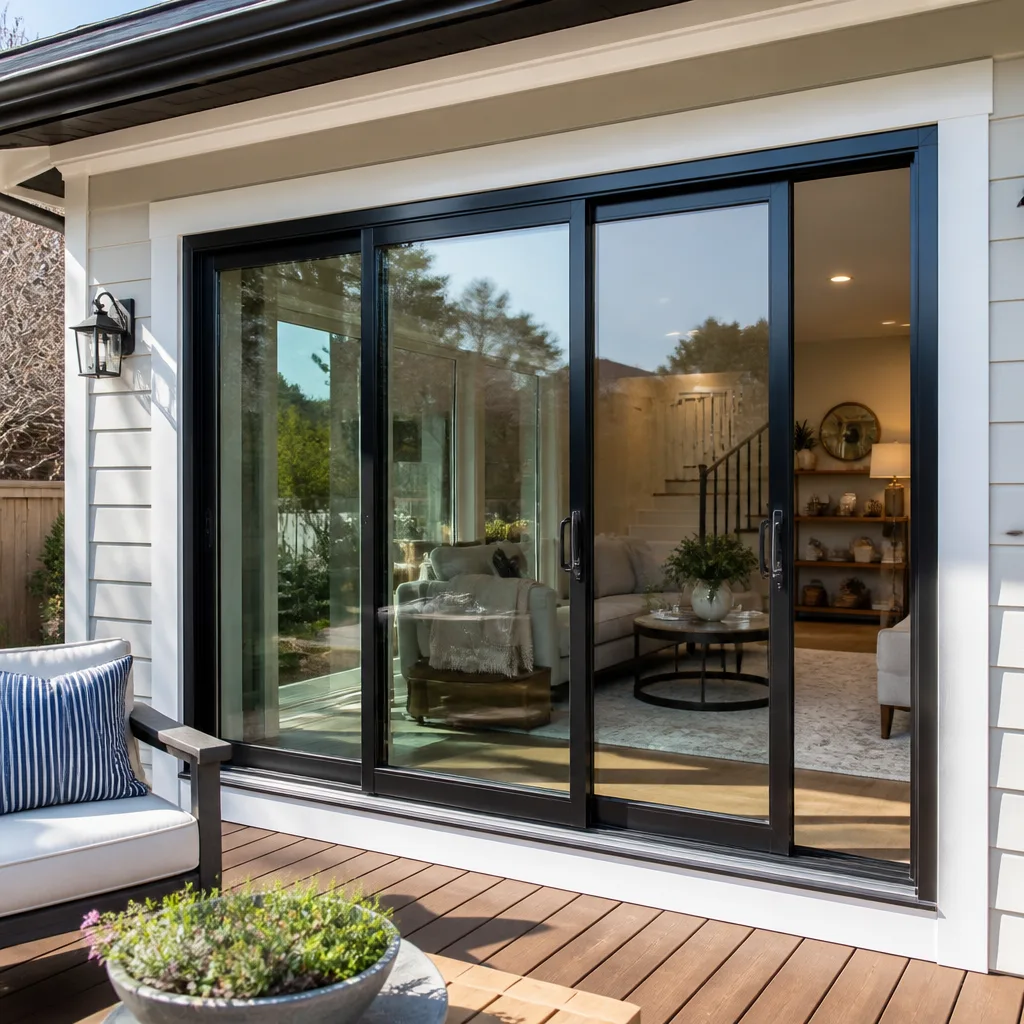


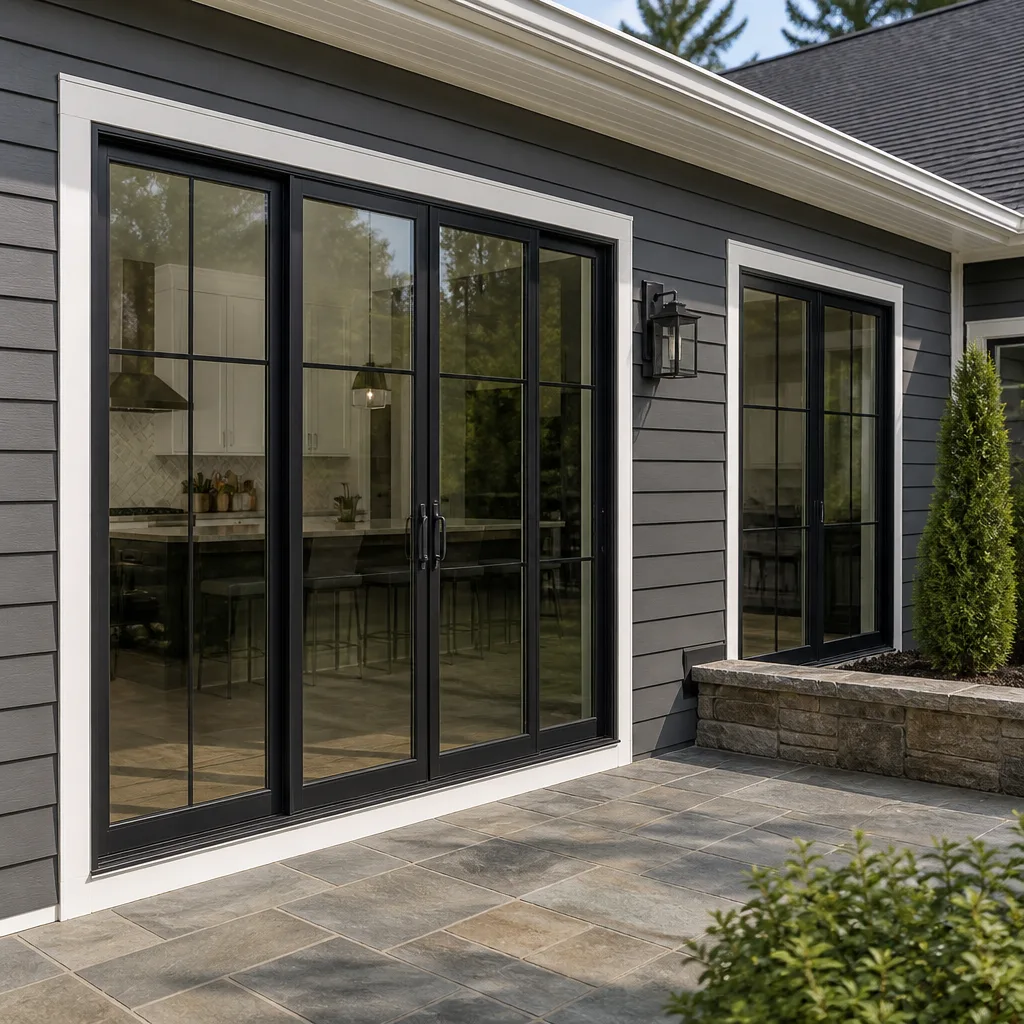
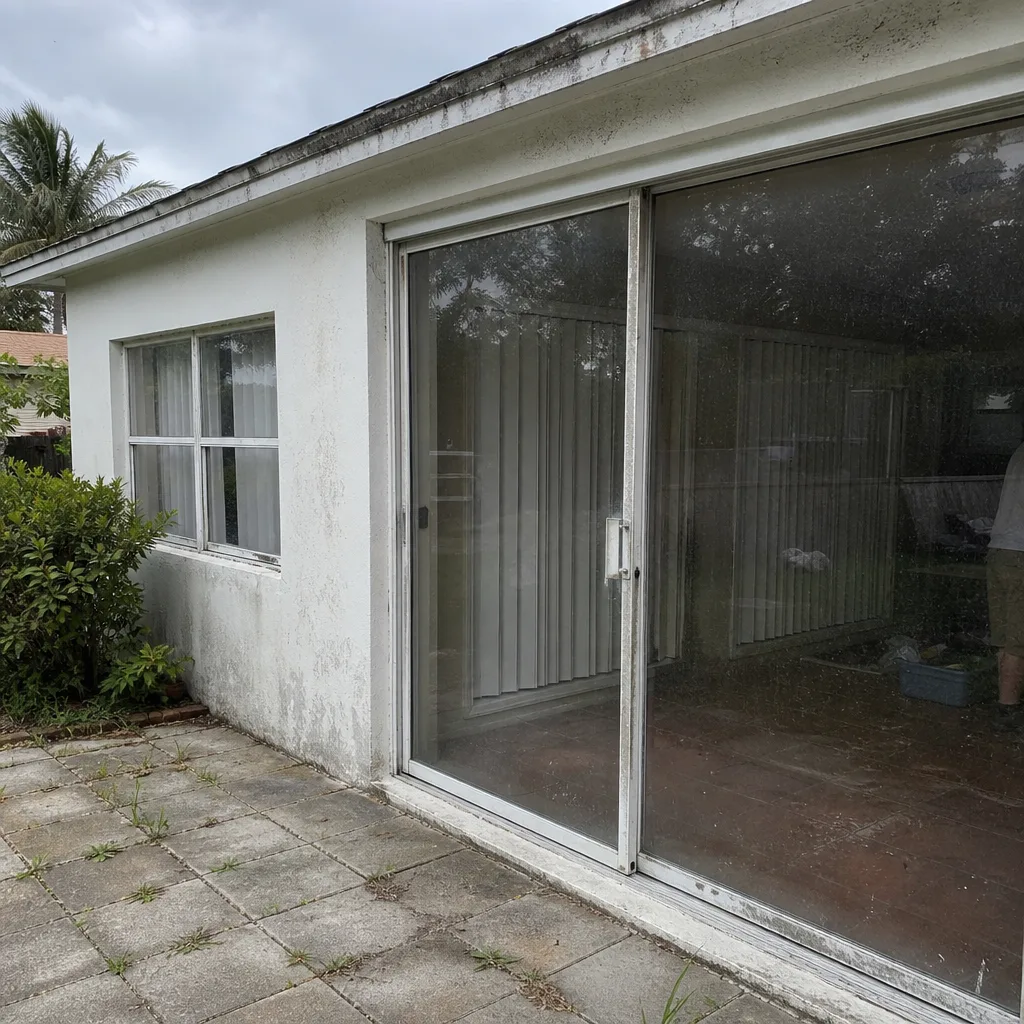 Before
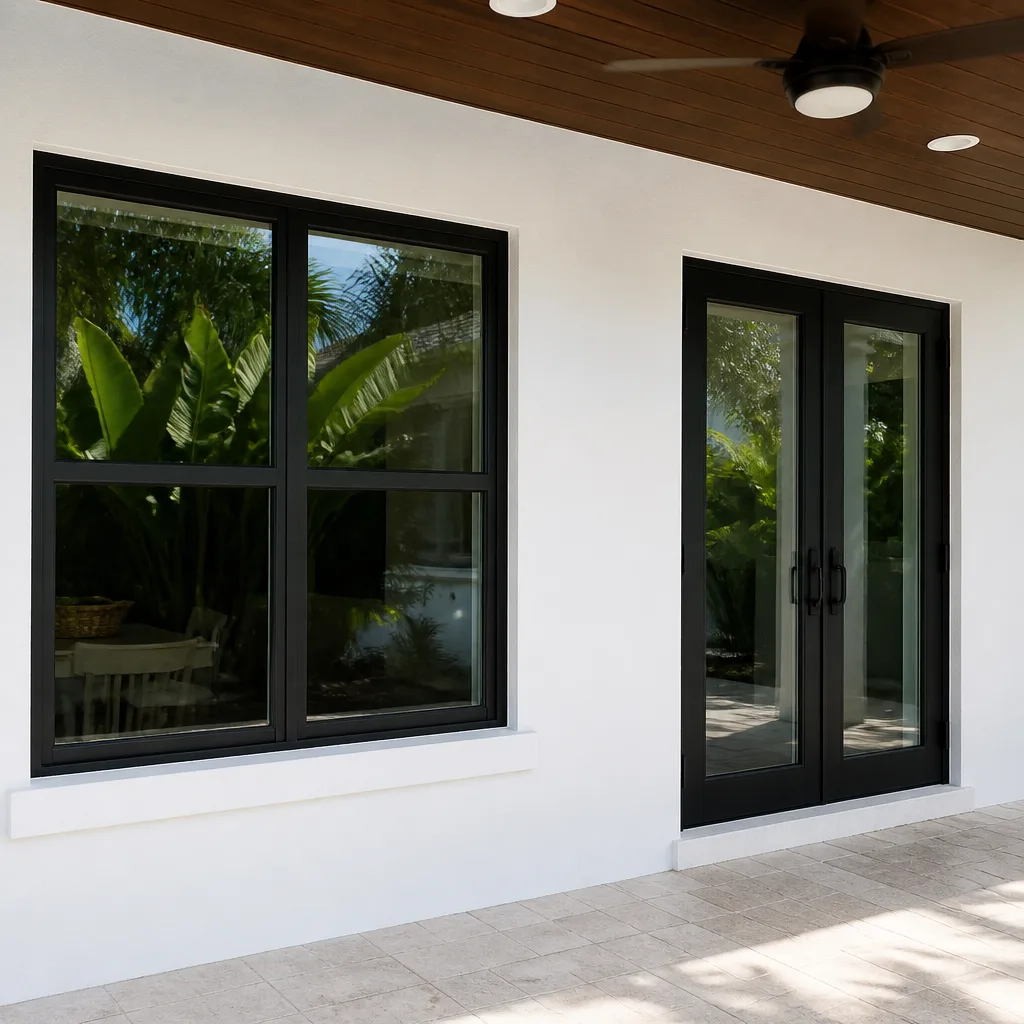
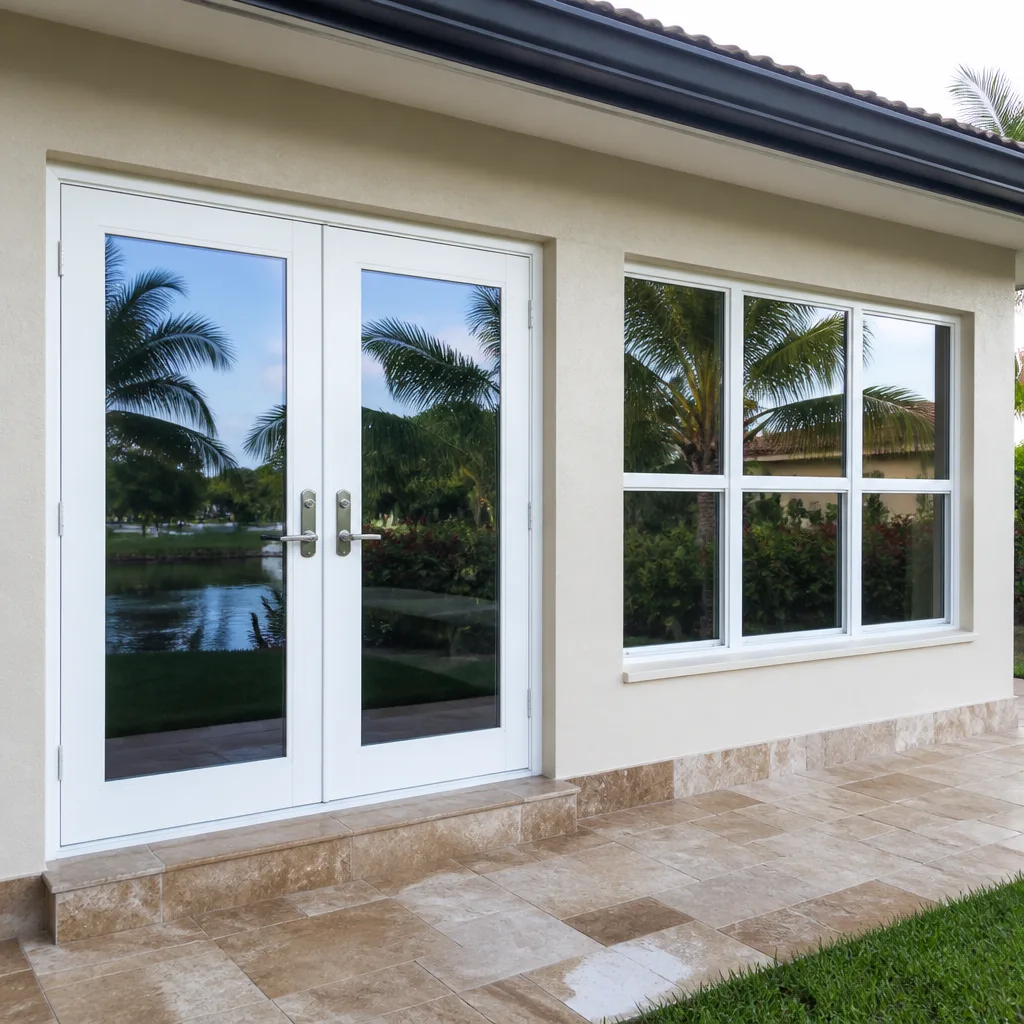 After
After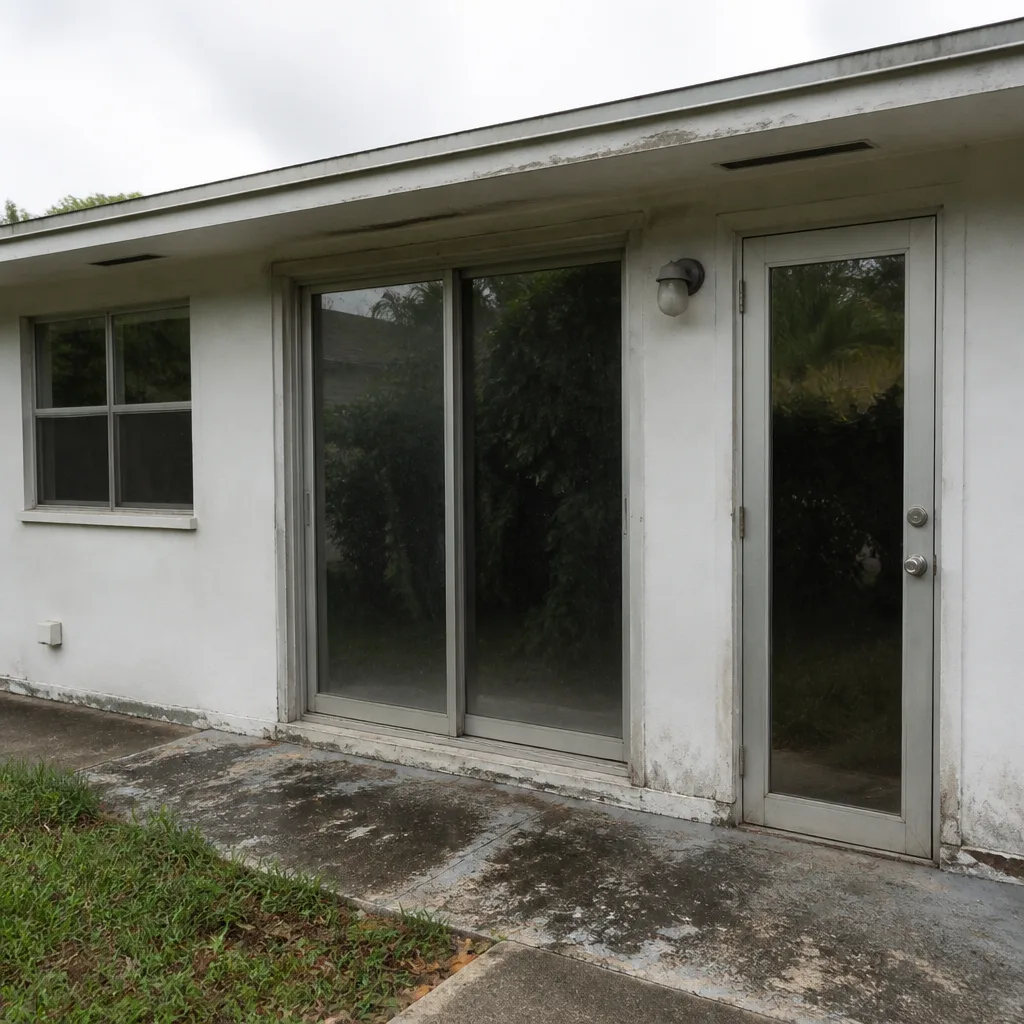 Before
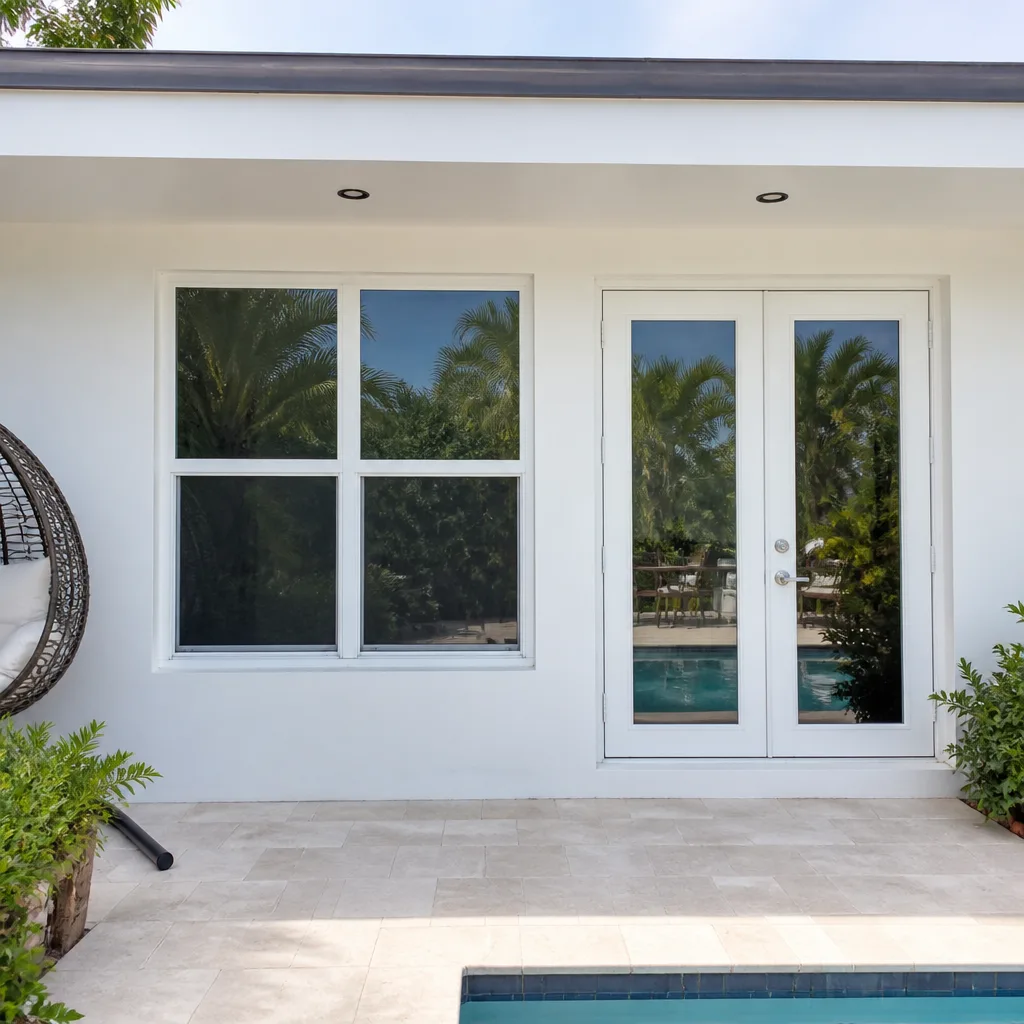 After
After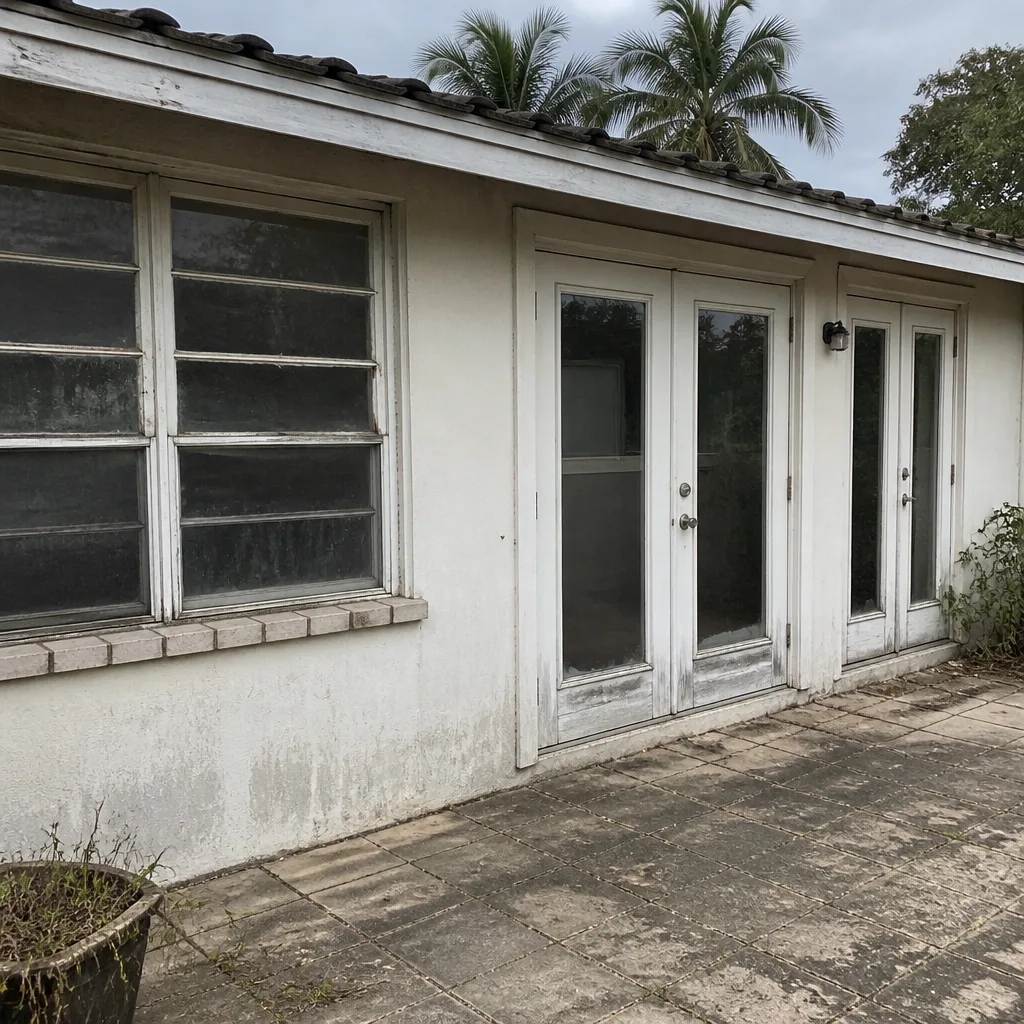 Before
 After
AfterHow to Hire a Windows & Doors Contractor in Miami: A Step-by-Step Guide
Here is the fact most Miami homeowners learn too late: Florida lets a licensed general contractor install windows and doors without holding a specialty glazing license. That means the crew removing your old single-pane sliders and setting a $4,000 impact unit may never have pulled a glazing permit in their career. The proposal looks the same. The price looks the same. The difference shows up later, in a permit record filed under the contractor’s name instead of yours, a warranty registration that was never mailed in, or a callback no one answers. This guide walks you through how to surface that gap before you write a deposit check, using the records, documents, and questions that separate a craft installer from a middleman in Miami, and points you to more guides & resources for protecting your investment.
Quick Answer
To hire a windows and doors contractor in Miami, verify their state license category on the Florida DBPR portal and confirm it matches the work being done, check the Miami-Dade permit record to ensure it is pulled in your property’s name, request three separate warranty documents in writing (manufacturer product warranty, manufacturer installation warranty, contractor workmanship warranty), and read the proposal line-by-line for scope gaps like disposal, stucco repair, and final inspection sign-off. A legitimate contractor will show you all of this before you sign, not after the deposit clears.
Table of Contents
- Step 1: Verify the License Category on the Florida DBPR Portal
- Step 2: Understand What a Permit Pull Actually Looks Like in Miami-Dade
- Step 3: Demand All Three Warranty Documents in Writing
- Step 4: Read the Proposal Line-by-Line for Scope Gaps
- Step 5: Ask the Questions That Reveal Who You Are Actually Hiring
- Common Mistakes to Avoid
- When to Call a Professional
- Frequently Asked Questions
- The Bottom Line
Step 1: Verify the License Category on the Florida DBPR Portal
Before you schedule a single quote, pull the contractor’s license number and run it through the Florida Department of Business and Professional Regulation (DBPR) portal. The portal is public, free, and takes about four minutes to use. What you are looking for is not just whether the contractor is licensed, but what category of license they hold. This is where the Miami market separates in ways that matter for your home.
Florida issues a broad “Certified Building Contractor” license that permits a general contractor to perform most residential construction work, including window and door installation. But the state also issues a specialty “Glass and Glazing” license, which exists specifically for the trade of setting glass, installing window units, and working with impact-rated frames. A contractor holding only the building contractor license may be legally permitted to install your windows, but that permission is not the same as demonstrated specialty competence. The glazing license requires passing trade-specific exams covering flashing, anchoring, water management, and impact product handling. The building contractor license does not test for any of that at that depth.
In Miami’s climate, that distinction matters more than it does in Orlando or Tampa. Our salt air, hurricane wind loads, and afternoon thunderstorms punish installation errors quickly, which is why we follow an Impact Windows Maintenance Checklist for Miami Homeowners on every project. A window that is flashed incorrectly will not fail in the first month. It will fail in the third year, after the stucco has discolored and the wood buck has started to rot, and by then the installer who did the work has cycled through three phone numbers. We have repaired enough of those jobs to know the pattern.
Here is what to do on the DBPR portal:
- Go to the DBPR website and select “Verify a License.”
- Enter the contractor’s name or license number.
- Look at the “License Type” field. Note whether it says “Certified Building Contractor,” “Certified Glass and Glazing Contractor,” or both.
- Check the license status. “Active” is what you want. “Delinquent” or “Revoked” is a hard no.
- Check the complaint and discipline history. One old complaint may have an explanation. Three recent ones do not.
Most homeowners skip this step entirely. The contractors know that. The ones who build their business on repeat referrals and warranty work in Miami neighborhoods like Coral Gables, Pinecrest, and Palmetto Bay will hand you their license number before you ask. The ones who do not want you looking are telling you something by their hesitation.
We hold ourselves to this standard on every job. When you call TruePane Windows & Doors for a quote, our license information is available before the truck arrives. It is not a favor we are doing you. It is the baseline.
Step 2: Understand What a Permit Pull Actually Looks Like in Miami-Dade
A permit is not a formality. It is the county’s record that work was done, inspected, and approved. In Miami-Dade County, a building permit for window and door replacement is required for nearly every job, including same-size replacements. Some contractors will tell you a permit is not needed for a swap-out. They are wrong for almost every scenario that involves removing the existing unit and setting a new one.
What you need to understand is whose name appears on the permit. A legitimate contractor pulls the permit in the property owner’s name, with the contractor listed as the qualifier. That is how the county record ties the work to your address permanently. A contractor who pulls the permit in their own name, or under a shell company name, has created a record that is harder for you to access later if something goes wrong. You want the permit tied to your property, at your address, with your name on it as owner.
Here is what a proper permit pull looks like in Miami-Dade:
- The contractor files the permit application with Miami-Dade’s Building Department before any demolition begins.
- The permit lists the property address, the owner’s name, the contractor’s license number, and the scope of work in specific terms: “replace 6 impact windows and 2 doors, N.O.C. not required.”
- The contractor or a representative picks up the approved permit and posts it on site during the work.
- An inspection is scheduled after the installation is complete. The inspector checks the anchoring, flashing, and product approval numbers.
- The inspection result is recorded in the county system, and you can verify it by searching your address on the Miami-Dade Building Department’s permit search tool.
- Manufacturer Product Warranty: This covers defects in the window or door unit itself: fogged glass, failed seals, warped frames, defective hardware. It comes from the manufacturer, not the installer. Duration varies by brand and product line. Andersen, Pella, Marvin, Milgard, PGT, and CGI all have different terms for different series, and the fine print matters. A vinyl window from one line may carry a 10-year glass warranty, while an impact-rated line from the same manufacturer carries 20 years. Get the specific duration in writing for your specific product.
- Manufacturer Installation Warranty: This is the layer most homeowners have never heard of. Several manufacturers offer a separate installation warranty that covers failures caused by improper installation, but only when the installer is an authorized dealer for that brand and only when the installer registers the warranty with the manufacturer. If the contractor skips the registration, this coverage does not exist, no matter what the proposal says.
- Contractor Workmanship Warranty: This covers the installer’s labor: the flashing, the caulking, the anchoring, the trim work. It comes from the contractor, not the manufacturer. The duration is whatever the contractor puts in writing. Ours is the 90-Day Done Right Promise, and we back it with The Keystone Standard: both manufacturer warranty layers registered in writing, with durations stated, before the truck leaves the driveway.
- Disposal of existing units: Old windows and doors are heavy, sharp, and expensive to haul. If the proposal does not state that disposal is included, the crew may leave the old units stacked in your driveway. A dump run for construction debris in Miami-Dade costs $100 to $200, and that is if you have a vehicle that can carry the load.
- Stucco repair at the rough opening: Removing a window in a Miami concrete block home often chips the stucco around the opening. The new window will not cover the damage. If stucco repair is not in the scope, you are looking at a separate contractor call or a patch job that looks like a patch job.
- Interior trim and casing: Some installations leave the interior untouched. Others require new casing, sill work, or drywall patching. The proposal should say who does that work and whether it is included.
- Final inspection sign-off responsibility: The contractor should state in writing that they will schedule, attend, and close out the final inspection. If it is not in the proposal, you may find yourself chasing a county inspector with an unsigned permit and a contractor who has moved on to the next job.
- Product model numbers and line specifics: “Impact window, 48×60” is not a quote. It is a placeholder. The proposal should list the manufacturer, the product line, the specific model, the glass package, the frame material, and the DP rating. Otherwise, you cannot compare bids because you are comparing different products.
- Who will be on the job site, and are they your employees? If the answer is “my guy” or “my crew” without names and an employment relationship, ask again. There is a difference between a company with background-checked, uniformed technicians and a broker who subs everything out.
- Will you pull the permit in my name and provide the permit number before work starts? Any hesitation here is disqualifying. There is no legitimate reason in Miami-Dade to avoid the permit process.
- Can you show me an example of a completed warranty registration for a recent job? This is the question that separates companies that do the paperwork from companies that talk about the paperwork.
- What does this proposal not include? Every proposal has exclusions. The honest contractor states them. The dishonest one lets you discover them later.
- How long have you been working in Miami, and can I see a recent job in my neighborhood? A company that has been serving local communities for decades has a track record you can verify. A company that incorporated last year has a website.
- Hiring on price alone. A bid that is thousands below the others is not a bargain. It is a scope gap wearing a costume. The missing permit fee, warranty registration, or disposal charge will find you eventually, and it will find you at the worst time.
- Signing without running the DBPR license check. Four minutes on the state portal beats four months of chasing a contractor who was never licensed to begin with.
- Accepting “same-size replacement, no permit needed” as a statement of fact. In Miami-Dade, building permits for window replacements are the rule, not the exception. An installer who claims otherwise is not doing you a favor; they are doing themselves one.
- Taking warranty promises verbally. A spoken warranty is a rumor. The three-document system (product warranty, installation warranty, workmanship warranty) exists in writing or it does not exist at all.
- Not verifying the permit record after the job is done. Search your address on the Miami-Dade permit portal and confirm the final inspection shows as passed and closed. A permit that was pulled but never closed is a problem waiting for you at resale.
- Ignoring the “who does the work” question. A company that cannot or will not tell you who will be in your home is a company that does not want you to know.
- Skipping the stucco and disposal line items. These are the two most common surprise costs in Miami window replacement, and both are avoidable with a line-item proposal.
We will be direct about this: if a contractor tells you a permit is not needed for your window replacement in Miami, thank them for their time and move on. The permit is your only permanent record that the work met code. Without it, a future insurance claim, resale inspection, or dispute has no foundation.
Step 3: Demand All Three Warranty Documents in Writing
A window or door installation should come with three separate warranties, and each one covers something different. In our experience, fewer than one in ten Miami homeowners can name all three, because most contractors never explain them. That is not an accident. It is easier to keep warranty terms vague when the customer does not know what to ask for.
Here are the three warranty layers you should have in hand before the crew packs up the truck:
What we are describing is not a theoretical checklist. It is the difference between a warranty claim that gets honored and one that gets bounced between the contractor and the manufacturer while your window leaks. The manufacturer says it was a bad install. The contractor says it was a bad product. You are in the middle. The three-document system exists to keep you out of that position.
Ask this question in the quote meeting: “Can you show me what the warranty registration confirmation looks like when you file it?” A contractor who registers warranties as standard practice will have a sample or a recent confirmation to show you. A contractor who does not will start talking in circles.
Step 4: Read the Proposal Line-by-Line for Scope Gaps
The phrase “supply and install” appears on proposals across Miami, and it means less than you might think. It means the contractor will bring the window and set it in the opening. It does not necessarily mean they will haul away the old unit, repair the stucco they damaged during removal, replace the interior trim, repaint, or handle the final inspection sign-off. Each of those is a line item that should be explicit, and each of those is a place where a low bid hides costs you will pay later.
Here is what a missing line item actually costs you in the real world:
We write line-item quotes on paper, side by side, because that is how a homeowner in Coral Gables or Kendall should be able to see what they are buying. A square deal means the price on the proposal is the price on the bill, and nothing in between is a surprise.
Step 5: Ask the Questions That Reveal Who You Are Actually Hiring
The person who shows up to give the quote may not be the person who does the work. In Miami’s contractor market, that is not a rare occurrence; it is a business model. A salesperson sells the job. A subcontractor who has never met you installs it. When something goes wrong, the salesperson has left the company and the subcontractor was paid in cash.
These questions, asked directly in the quote meeting, will tell you more than a Yelp review ever will:
We answer these questions every week. Dale Kessler founded TruePane Windows & Doors home company in 2008 on a principle he learned as a second-generation glazier: out-of-true installs and voided warranties are problems worth fixing permanently. That means the person who measures your opening is the person who knows what a true pane looks like, and the person who answers the phone when you call back is someone who works here, not a call center in another state.
Common Mistakes to Avoid
When to Call a Professional
You are ready to call a professional when the proposal in front of you raises more questions than it answers, or when the contractor across the table cannot produce a license number, a permit plan, or a warranty registration sample without blinking. Those are not small red flags. They are the whole flag. Impact windows and doors in Miami are not a place to learn by doing. A unit that fails during a storm is not a lesson; it is a liability. If you are replacing windows in a home you plan to live in for the next twenty years, this is the one project where the cheap bid costs more than the honest one. TruePane Windows & Doors offers free estimates in Miami, with Impact Windows in Miami quoted line by line from manufacturer lines like Andersen, Pella, Marvin, PGT, and CGI. Call (561) 956-2754 to schedule yours.
Frequently Asked Questions
Window replacement in Miami typically runs from $600 to $1,800 per opening for standard vinyl or aluminum windows, and $1,200 to $3,500 per opening for impact-rated units from lines like PGT, CGI, ES Windows, or ECO Window Systems, depending on size, frame material, glass package, and permitting. For a deeper look at how these factors add up, see our Windows & Doors Cost Breakdown: The Miami Homeowner’s Reference for 2026. These are installed prices including basic trim work but excluding stucco repair or disposal, which are separate line items. Call (561) 956-2754 for a line-item quote so you know exactly what you are paying for before work begins.
Yes, Miami-Dade County requires a building permit for nearly all window and door replacements, including same-size swaps, and the permit should be pulled in the property owner’s name with the contractor listed as the qualifier. The final inspection must be scheduled and passed for the permit to close, and you can verify the record by searching your address on the county’s permit portal. If a contractor tells you the permit is not needed, find a different contractor.
A “Glass and Glazing” specialty license in Florida requires passing trade-specific exams covering window setting, flashing, anchoring, water management, and impact product handling, while a “Building Contractor” license permits general construction work including windows but does not test for specialty glazing competence at the same depth. Both licenses may legally allow window installation, but the glazing license represents demonstrated knowledge of the specific trade. In Miami’s hurricane climate, that distinction shows up in how the window performs in year three, not year one.
A legitimate window contractor in Miami should provide three separate warranty documents: the manufacturer product warranty covering defects in the unit itself, the manufacturer installation warranty covering failures caused by improper installation (valid only if registered), and the contractor workmanship warranty covering the installer’s labor. Ask to see the specific durations in writing for all three. We register both manufacturer warranty layers in writing before the truck leaves the driveway, and our 90-Day Done Right Promise covers our workmanship with no paperwork fights.
A typical Miami window replacement of five to ten units takes one to three days for the installation itself, with permit approval time and inspection scheduling adding anywhere from a few days to two weeks depending on county workload and whether the plans require review. Impact windows and doors, especially in older concrete block homes where rough opening repairs are common, may add a day or two for stucco work and trim finishing. For year-round guidance on keeping these systems in top condition, refer to our Seasonal Windows & Doors Care for Miami: Year-Round Homeowner’s Guide. Get a realistic timeline in writing before you sign, not an optimistic one.
The proposal should list specific product model numbers, frame materials, glass packages, and DP ratings for each unit, state whether disposal of existing units is included, state whether stucco repair at the rough opening is included, name who performs interior trim work, and assign responsibility for final inspection sign-off in writing. “Supply and install” without those details is not a quote; it is an opening to a negotiation you did not know you were having. Call (561) 956-2754 for a line-item written quote with no surprise charges.
The Bottom Line
Hiring a windows and doors contractor in Miami is not about finding the lowest number on a proposal. It is about verifying the license category on the DBPR portal, confirming the permit is pulled in your name, demanding all three warranty documents in writing, and reading the proposal closely enough to see the gaps before they become expenses. The contractors who do this work right in Miami share the same habits: they pull permits, register warranties, show up with their own crew, and answer the phone when you call back. Get a quote from Window Installation in Miami experts who measure every opening twice and register both warranty layers in writing before the truck leaves, and see the difference for yourself by Window Replacement in Miami standards that have served this city for over 42 years. Call (561) 956-2754 for your free estimate.
Written by Dale Kessler, Owner at TruePane Windows & Doors, serving Miami since 2008.
Six Reasons Homeowners Choose TruePane Windows & Doors
Impact systems engineered to design pressures up to +/-100, matched to your wind zone - your openings hold when the storm arrives.
Low-E insulated impact glass from our manufacturer lines commonly cuts monthly cooling bills 20-30%.
Laminated impact glass shuts out up to 40% of outside noise - traffic, neighbors, weather.
Monitoring services run $30-90 a month. Laminated impact glass resists forced entry around the clock, with no subscription.
Florida homeowners average around 25% savings on the windstorm portion of their policy after protecting every opening - some homes qualify for more.
A full impact package upgrades curb appeal, buyer confidence and appraised value in one project.