
Last updated August 28, 2026
Free in-home measure and quote - PGT, CGI and CWS impact lines compared on your actual openings, style by style
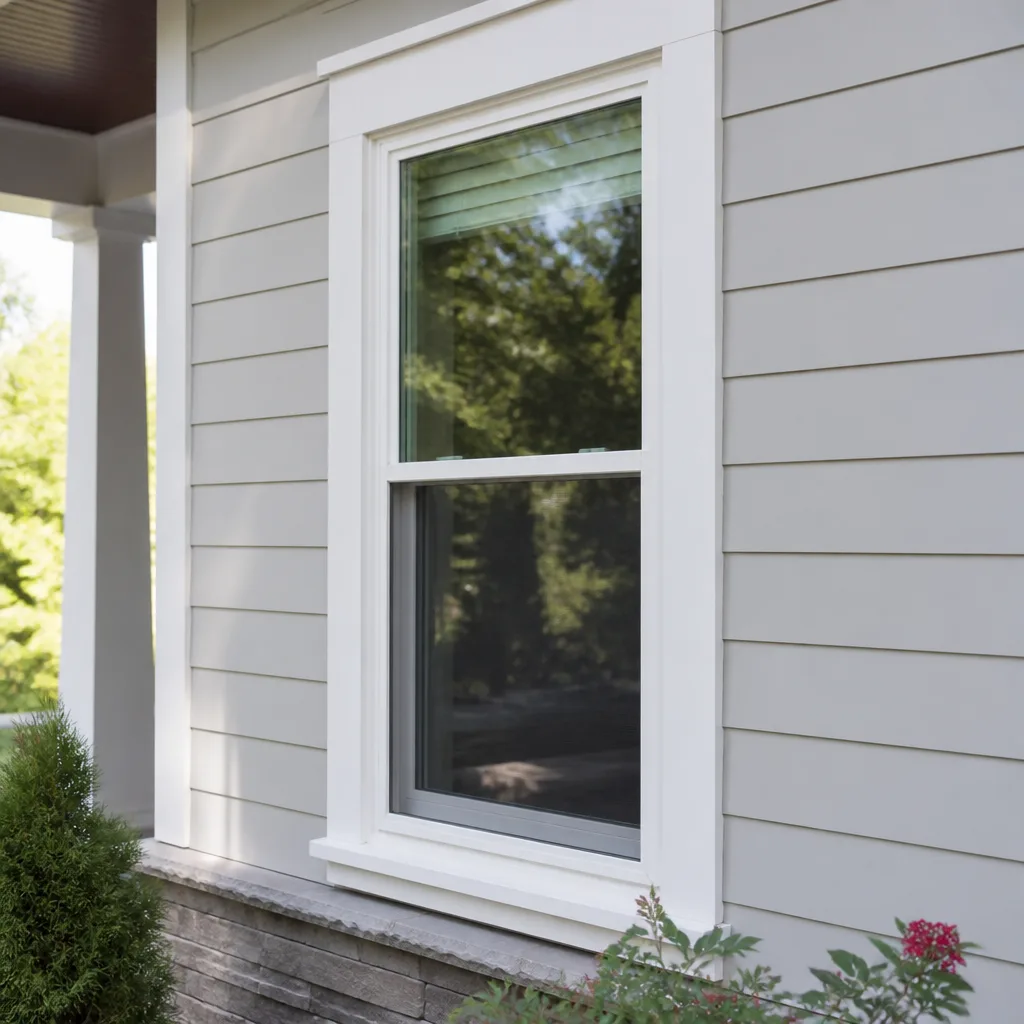
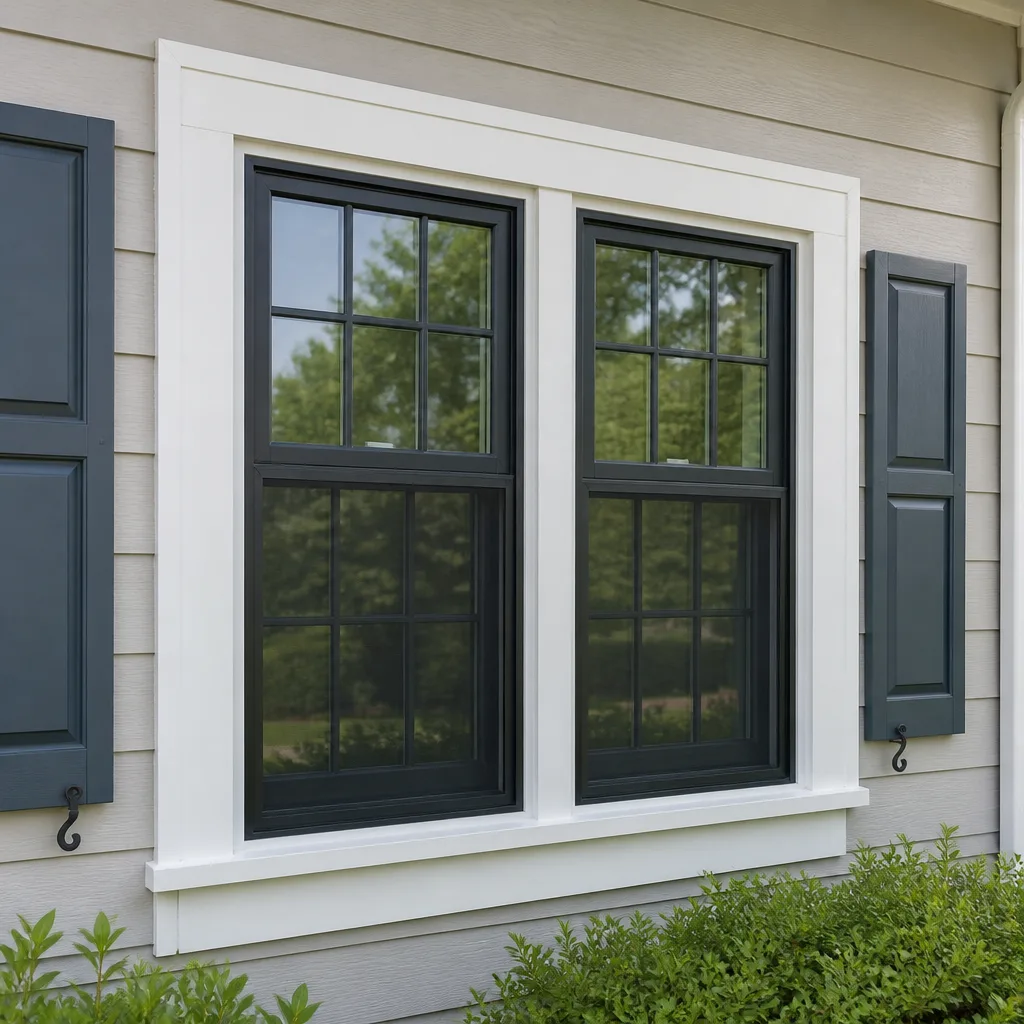
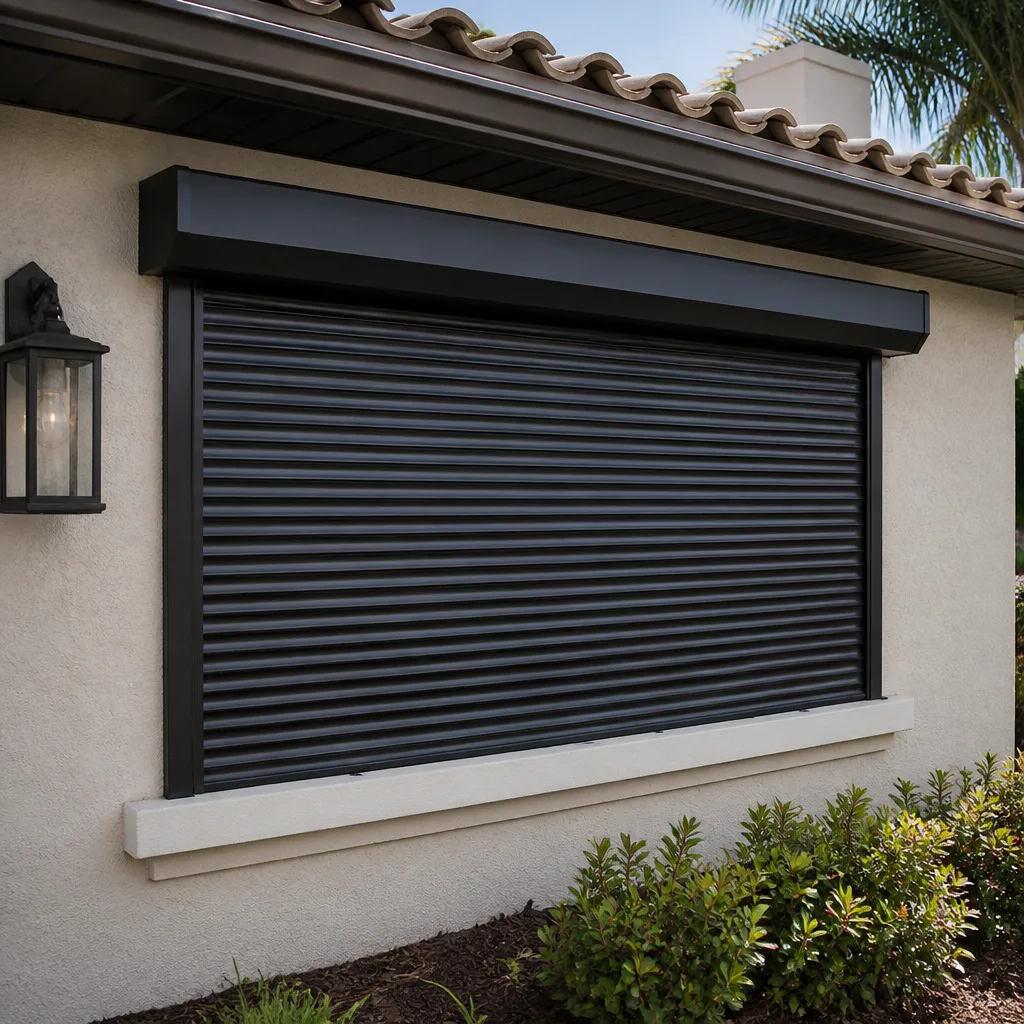
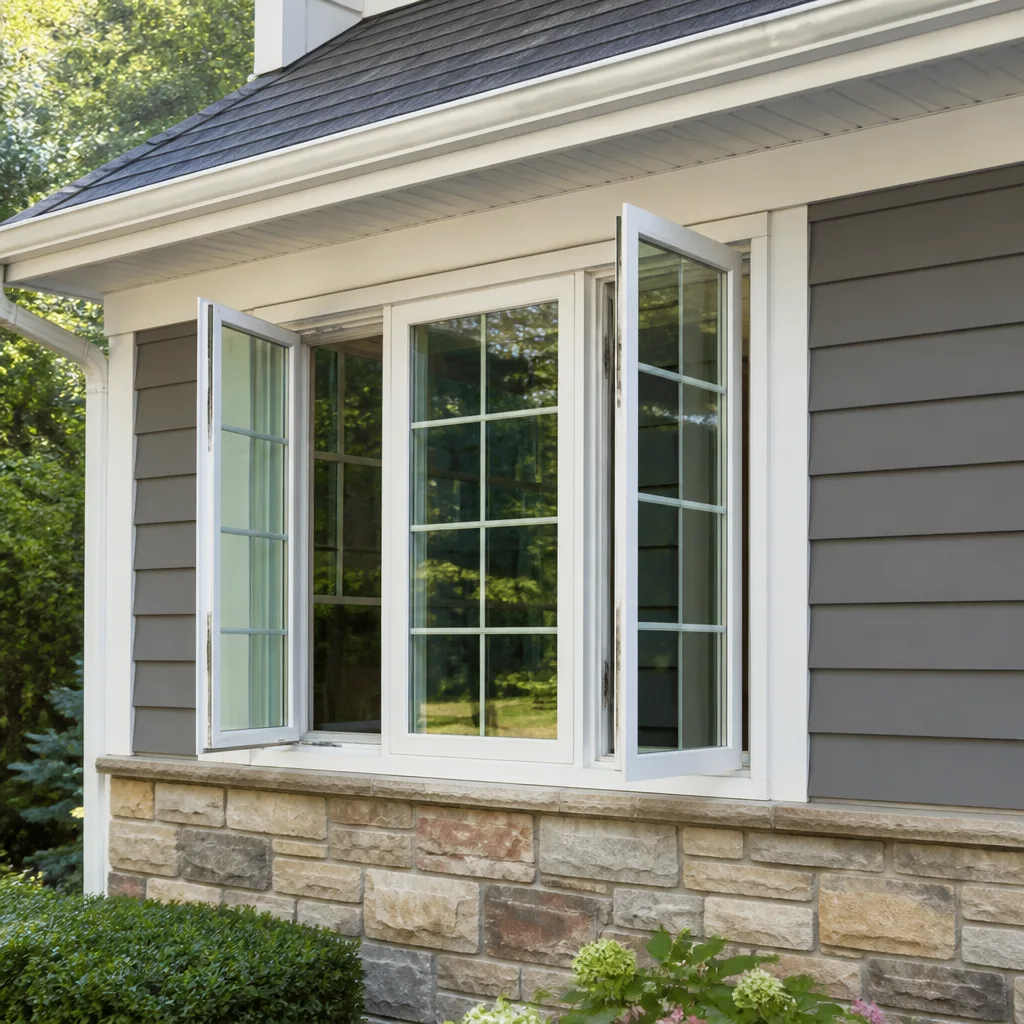
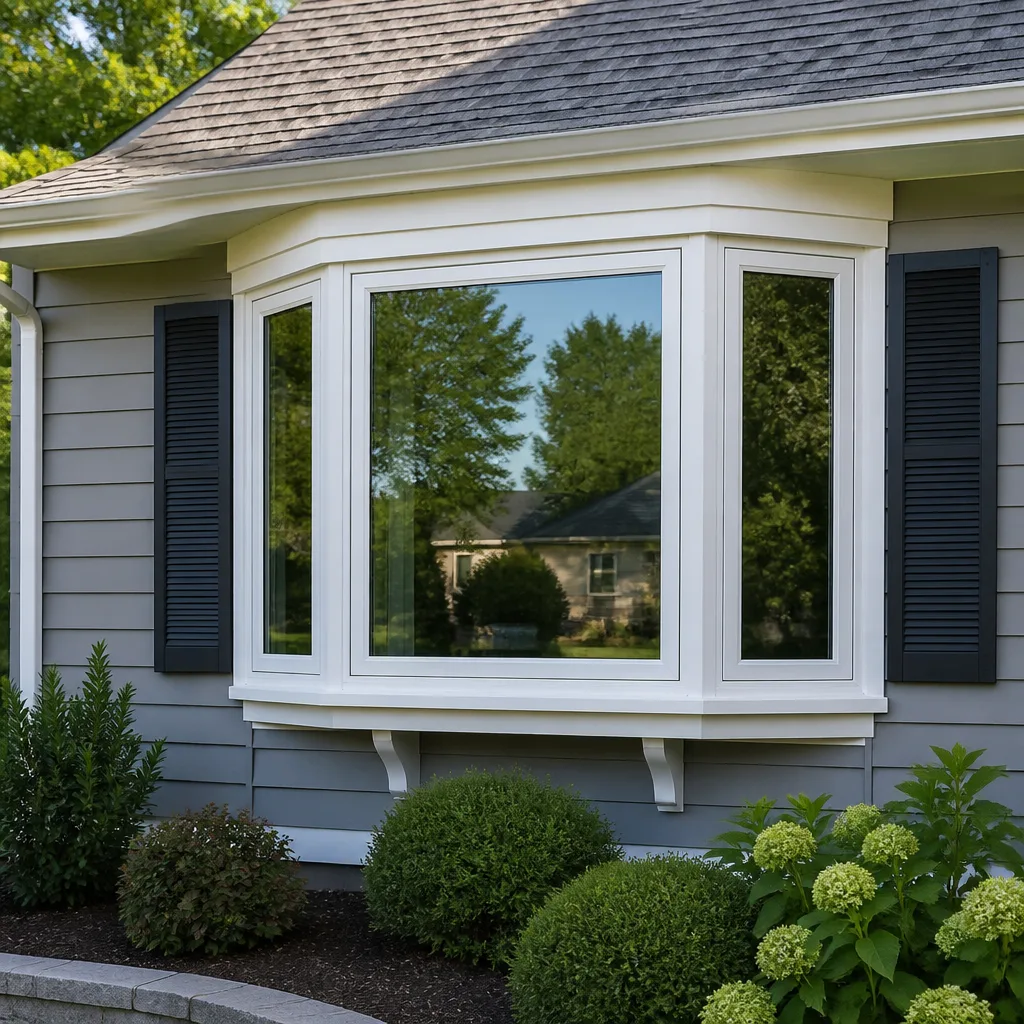
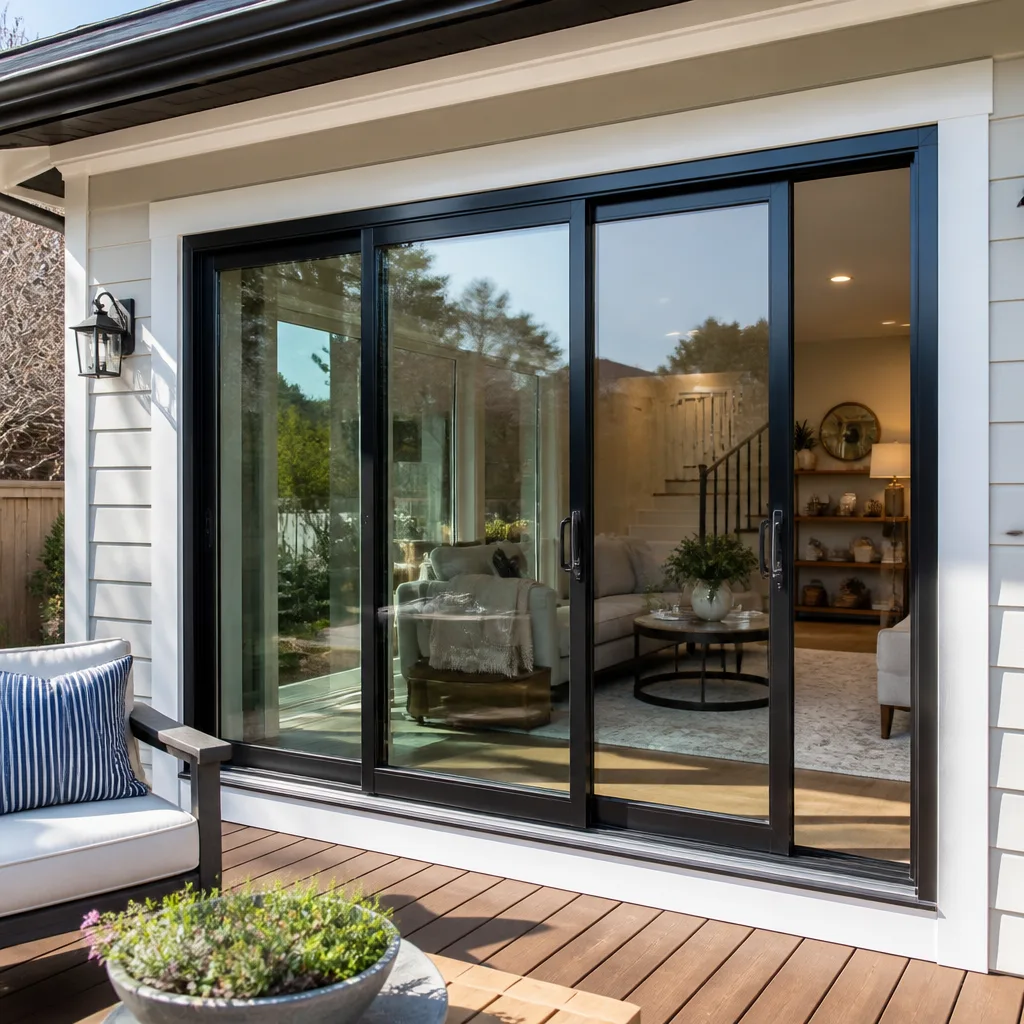
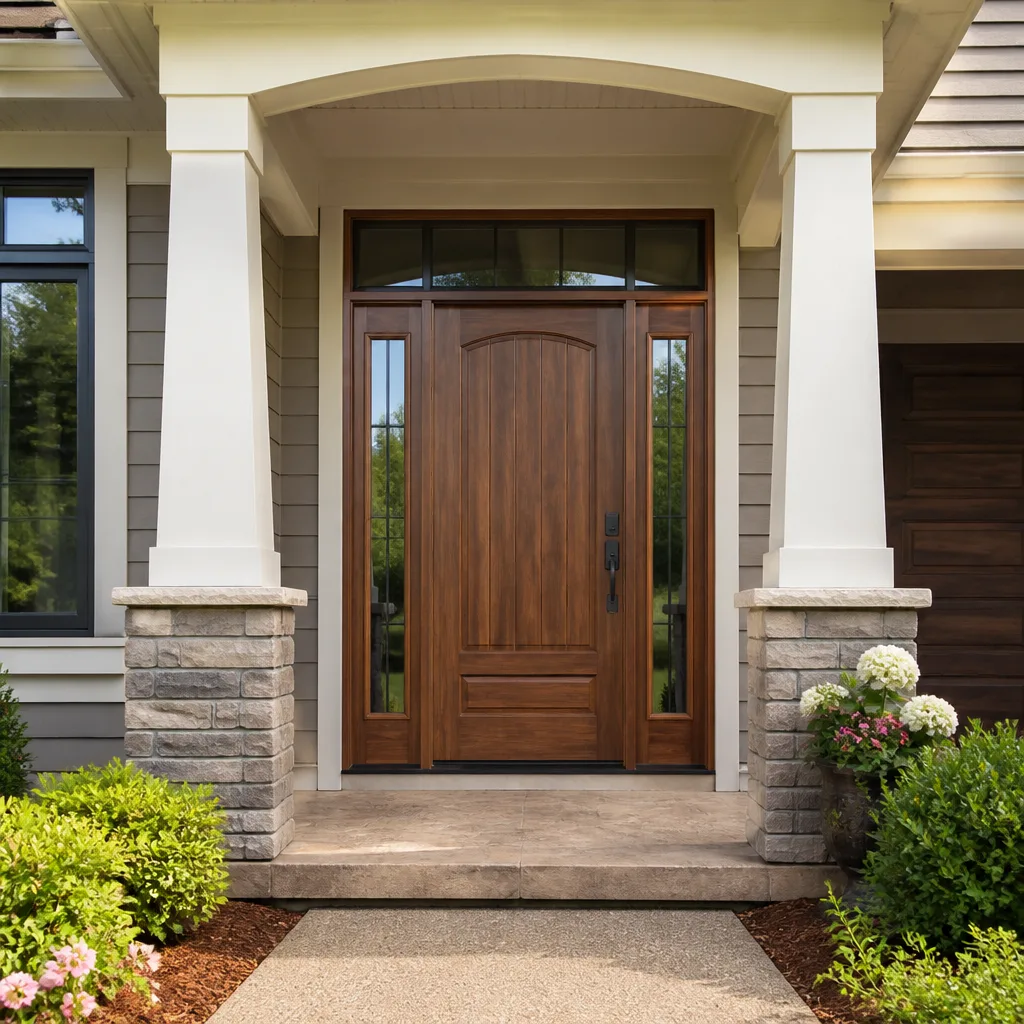
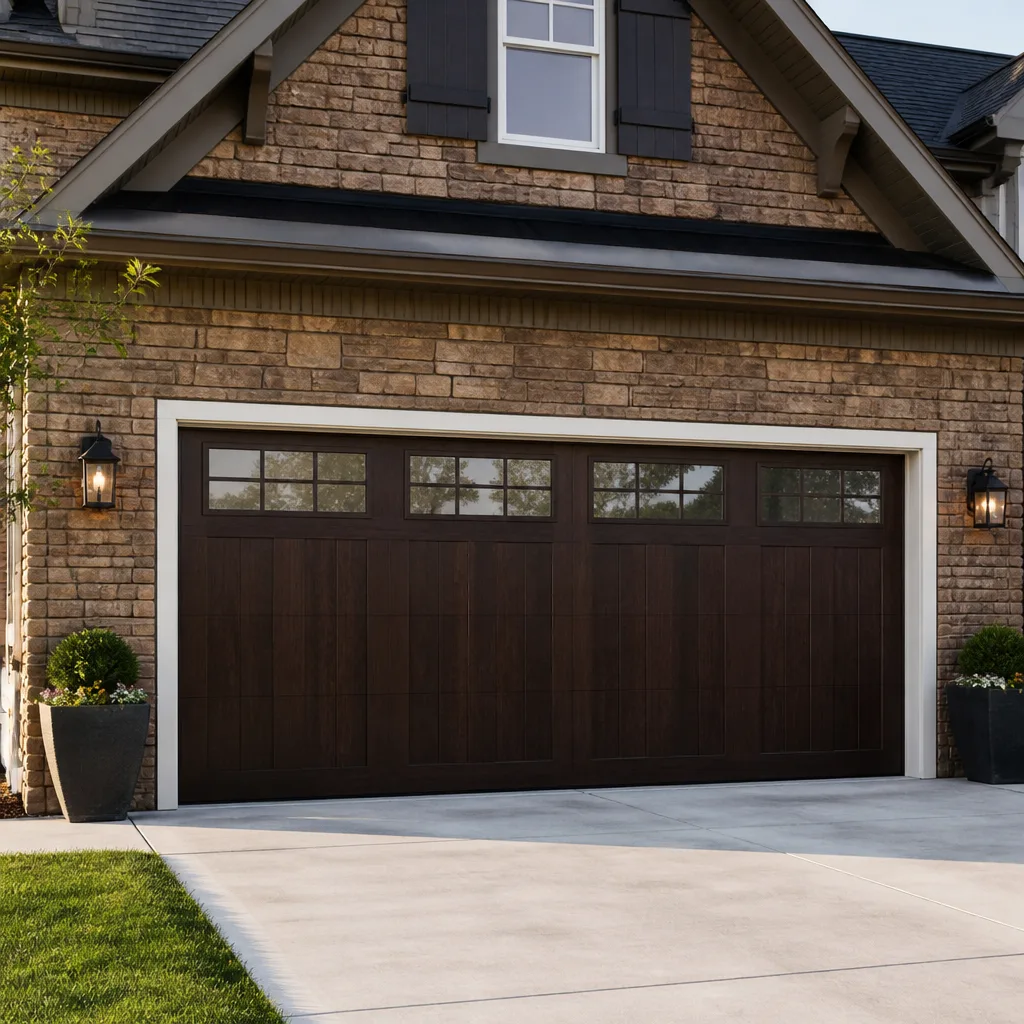
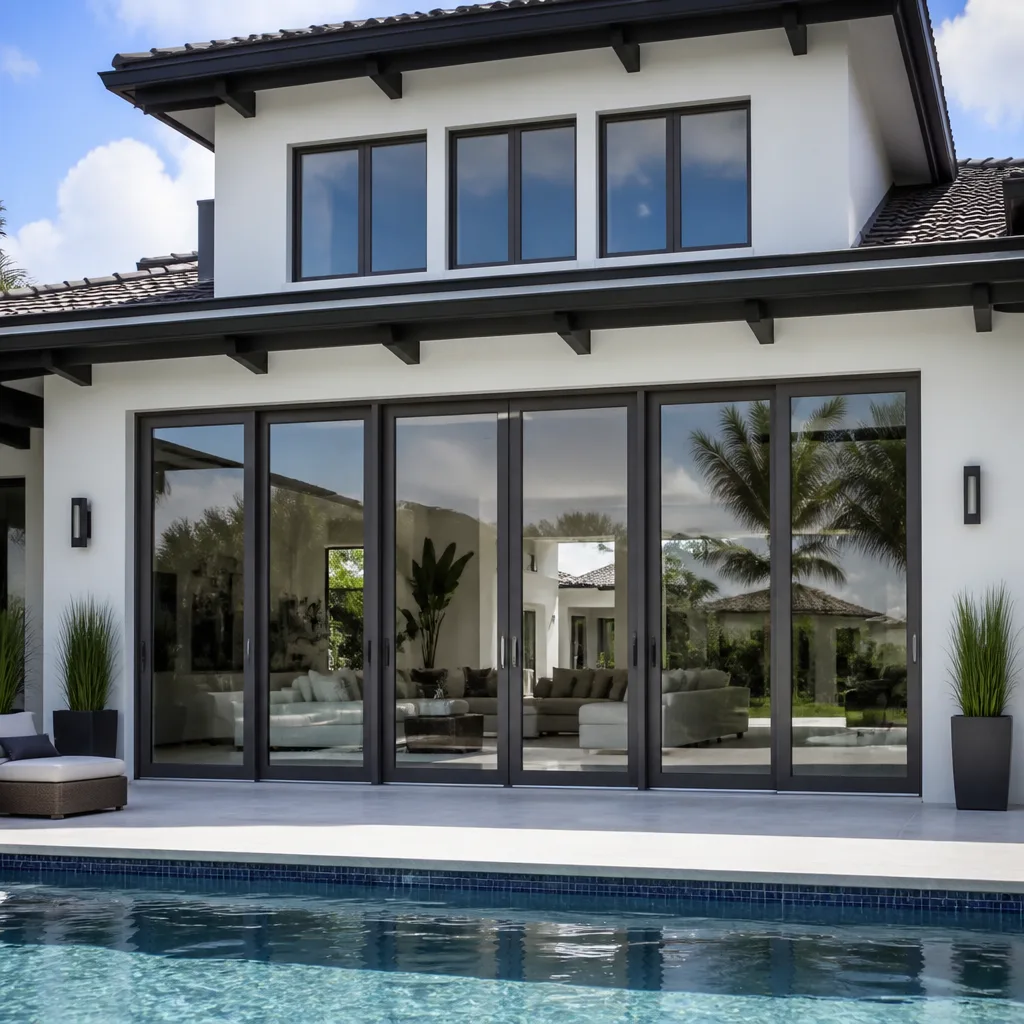
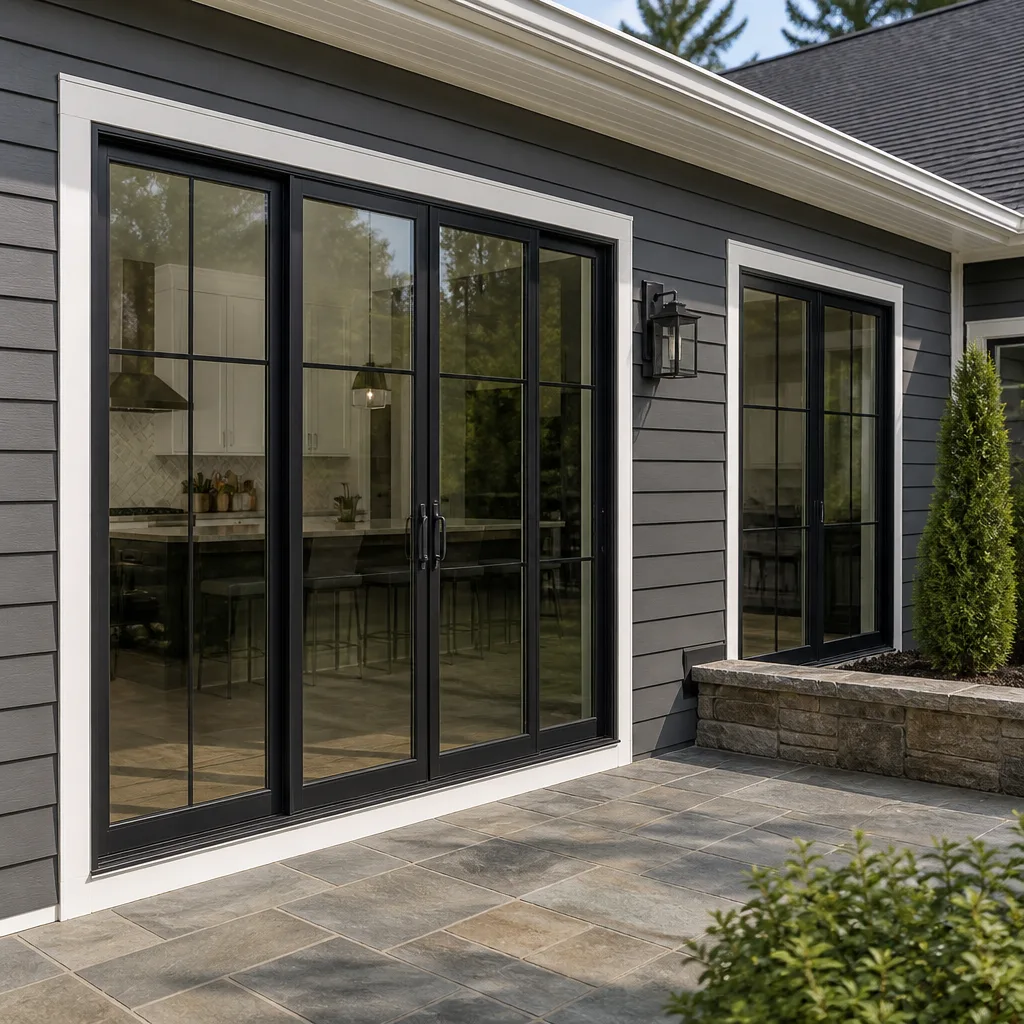
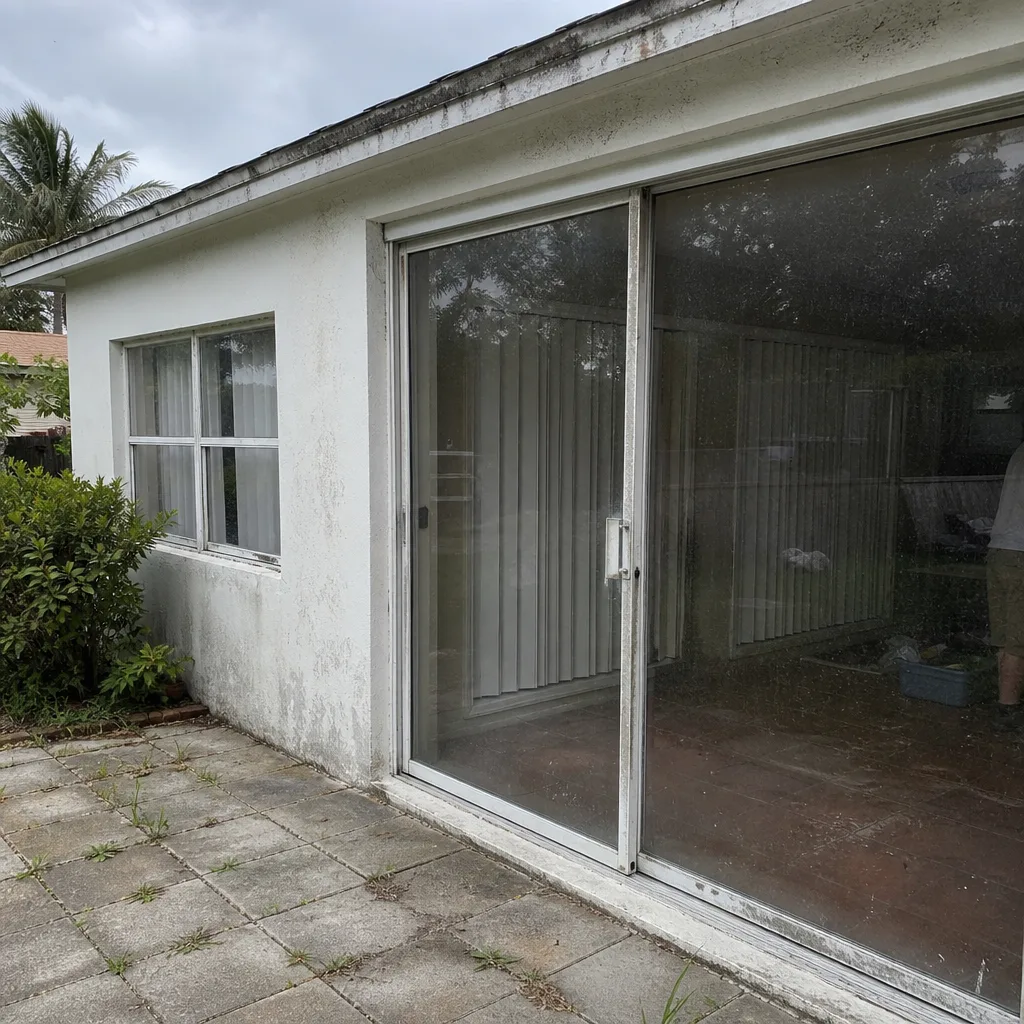 Before
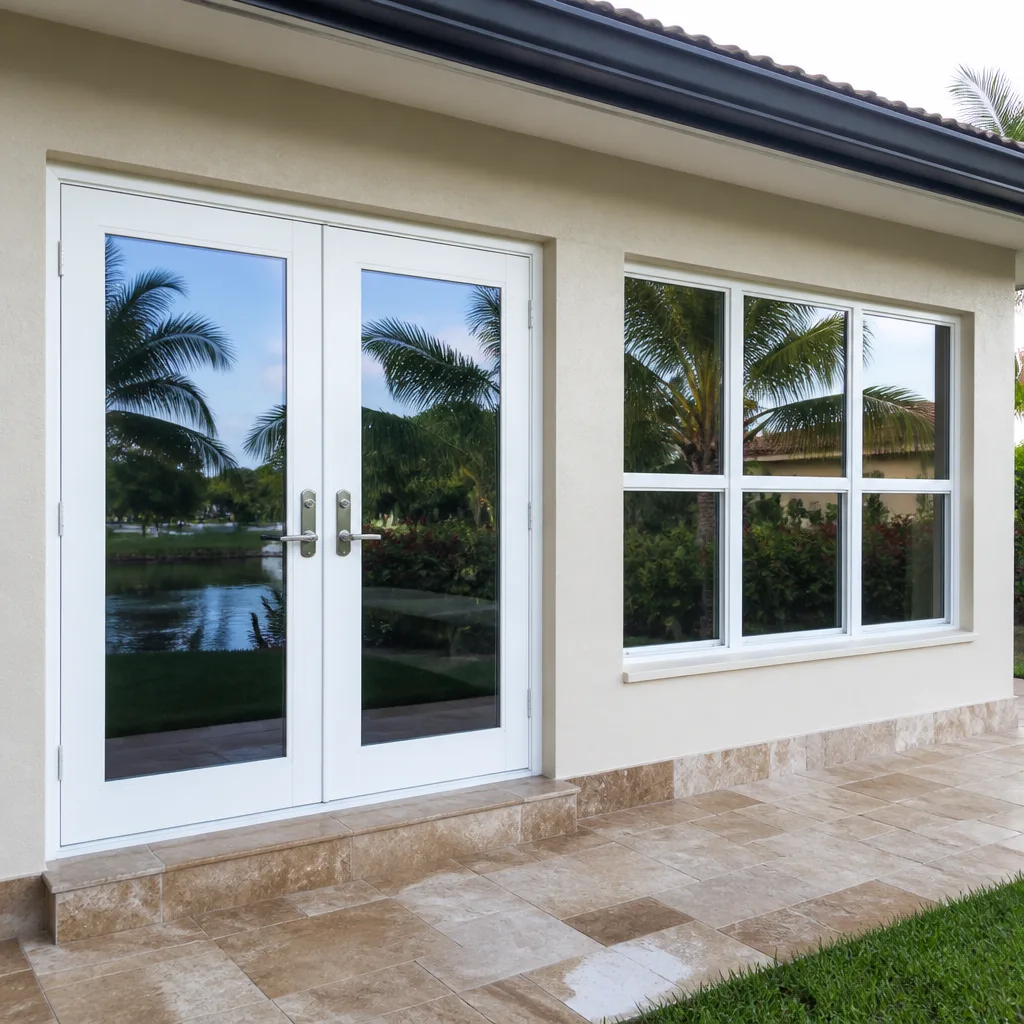 After
After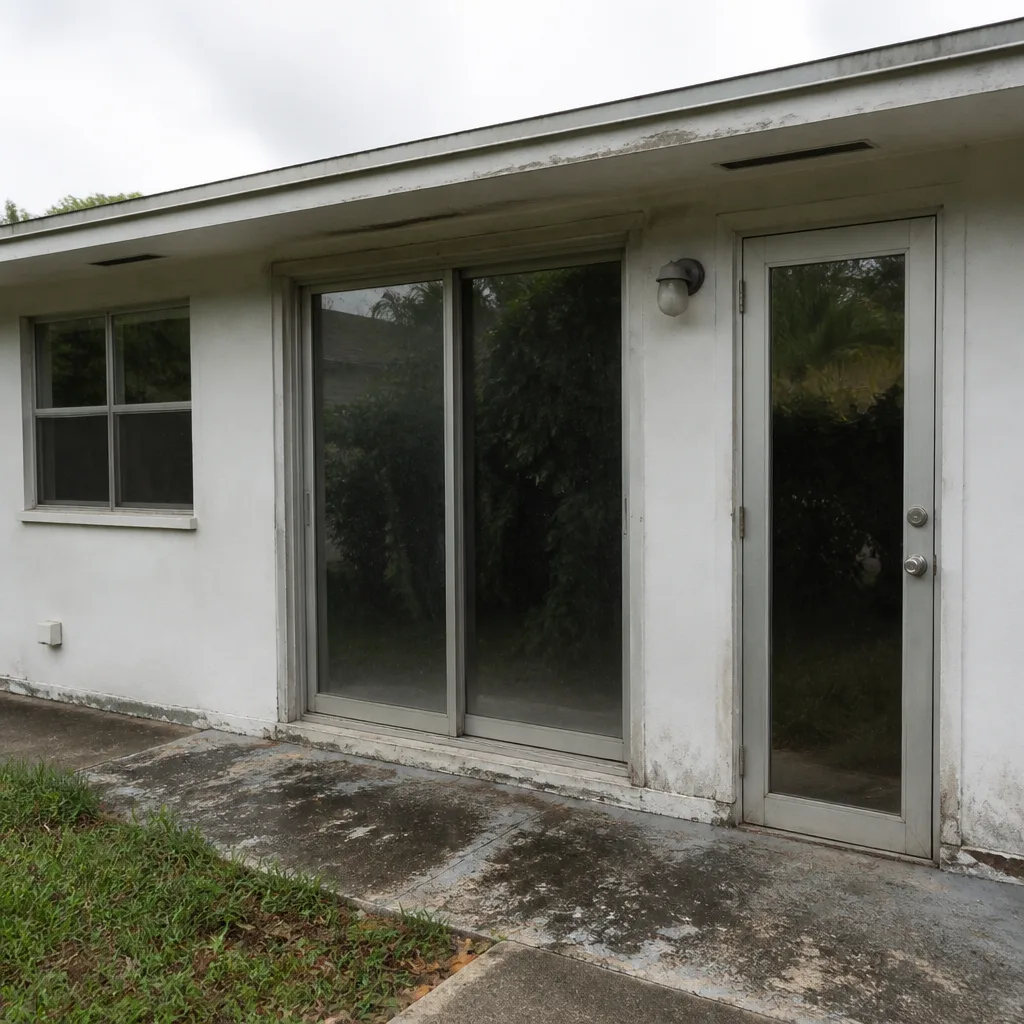 Before
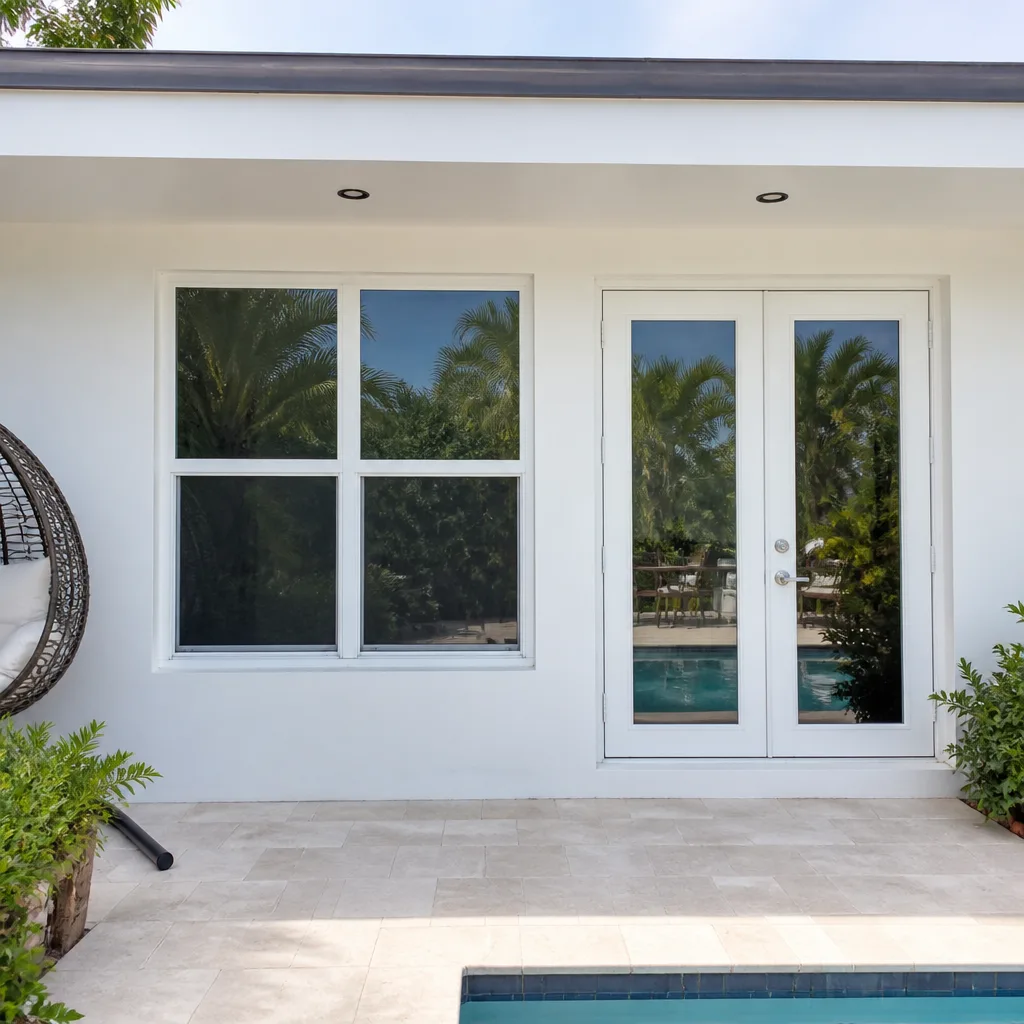 After
After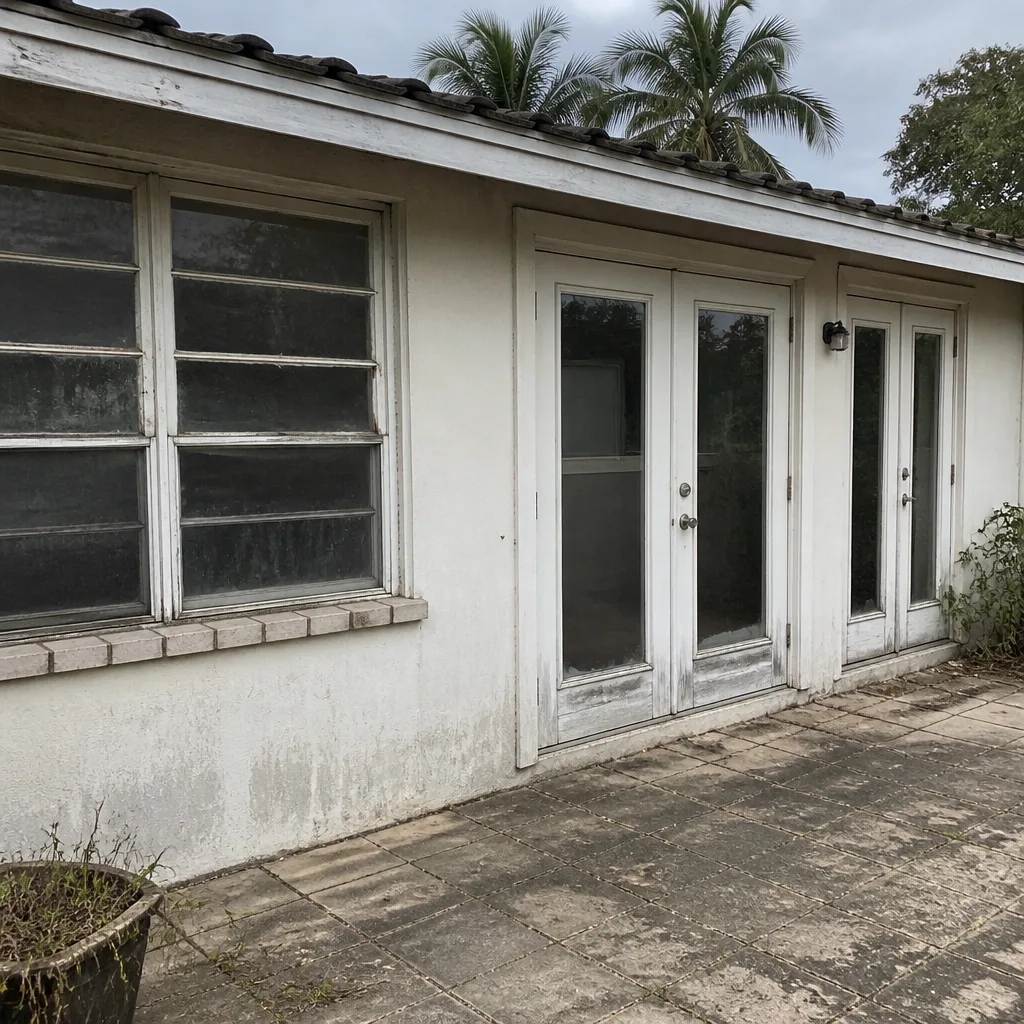 Before
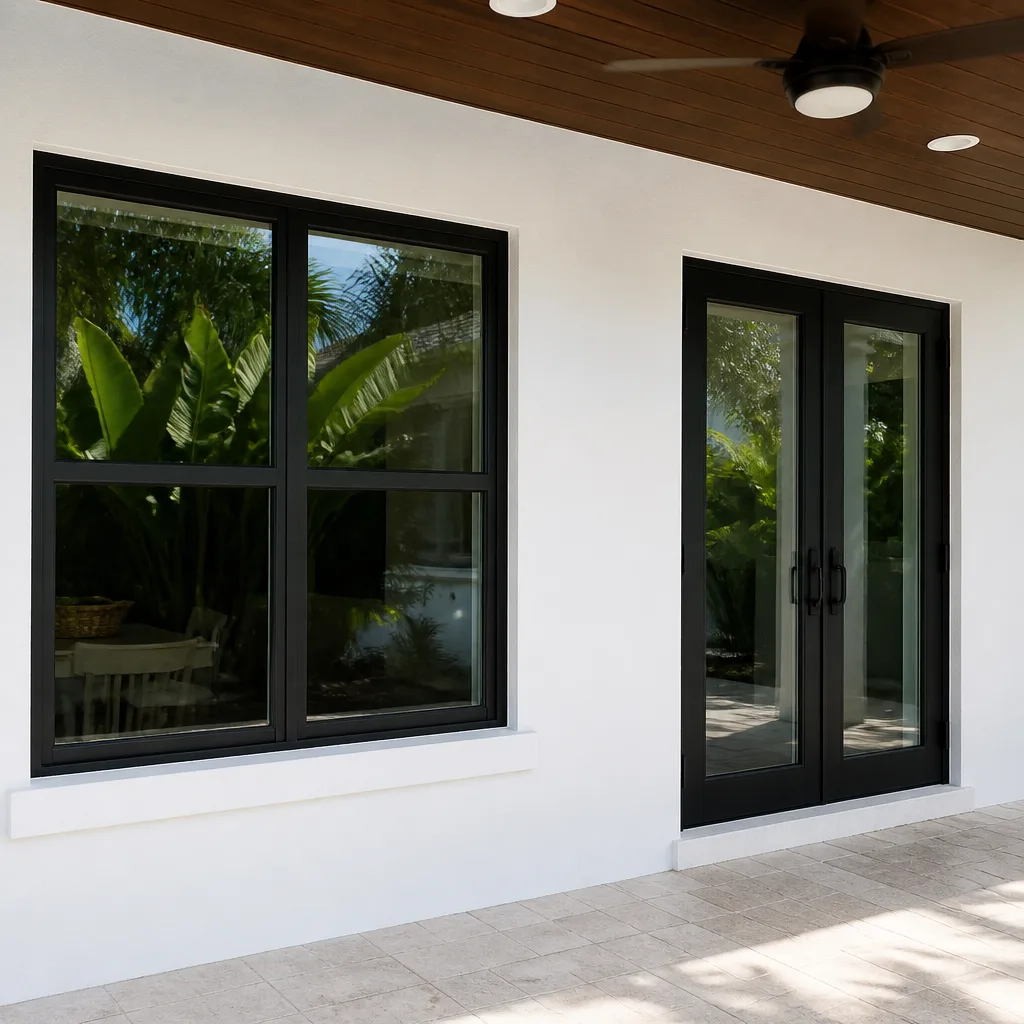 After
AfterWindows & Doors Cost Breakdown: The Miami Homeowner’s Reference for 2026
Ask five Miami window companies to price the same three-bedroom house and you’ll get five numbers that barely resemble each other. One quote lands at $14,000, another at $22,000, and both are for the same manufacturer’s impact window in the same rough openings. The difference is rarely the glass. It’s what each contractor chose to include, exclude, bury, or wave away in the fine print. This guide-along with our complete guide to windows & doors in Miami-breaks down where the money actually goes on a 2026 window and door project in Miami, line by line, so you can compare proposals that look nothing alike on paper and understand exactly what you’re paying for before you sign anything.
Quick Answer
A mid-size window and door replacement in Miami, Florida typically runs $18,000 to $45,000 in 2026 depending on unit count, frame material, glass package, and whether the project requires Miami-Dade County impact certification. Per unit, you’re looking at $850 to $1,900 for standard impact-rated windows, $1,400 to $2,800 for impact sliding glass doors, and $800 to $2,500 in additional line items like permits, stucco repair, and haul-away that cheaper bids often leave out. The single most important number to verify is not the sticker price but the warranty registration structure, because an unregistered manufacturer warranty is worth exactly nothing when a sealed unit fogs in year three.
Table of Contents
- What Windows and Doors Actually Cost in Miami in 2026
- Miami-Dade Permit Fees vs Broward vs Monroe: What You Should Really Pay
- The Three Installation Labor Components and Which One Varies Most
- How Stories, Window Size, and Frame Condition Change the Labor Cost
- Warranty Registration Fees: The Line Item That Tells You Everything
- Frame Material and Glass Package: A Pricing Table That Makes Sense
- Common Mistakes to Avoid
- When to Call a Professional
- Frequently Asked Questions
- The Bottom Line
What Windows and Doors Actually Cost in Miami in 2026
Miami-Dade County has the strictest building code in the continental United States. Every impact-rated window and door installed here must meet High Velocity Hurricane Zone standards, which means the product testing, the glass lamination, the frame reinforcement, and the installation method all carry a cost premium you will not find in Orlando or Tampa. We see this every week at TruePane Windows & Doors home when homeowners bring us quotes from out-of-county contractors who priced the job without factoring in Miami-Dade product approvals.
Here is a realistic per-unit cost breakdown for 2026, based on what we quote and what we see in the Miami market:
| Unit Type | Frame Material | Glass Package | Installed Cost Range (Per Unit) |
|---|---|---|---|
| Single-hung impact window (36″ x 60″) | Aluminum | Standard laminated impact | $850 – $1,350 |
| Single-hung impact window (36″ x 60″) | Vinyl | Standard laminated impact | $900 – $1,450 |
| Casement impact window (36″ x 60″) | Aluminum | Low-E laminated impact | $1,100 – $1,700 |
| Casement impact window (36″ x 60″) | Vinyl | Low-E laminated impact | $1,150 – $1,800 |
| Impact sliding glass door (72″ x 80″) | Aluminum | Standard laminated impact | $1,400 – $2,200 |
| Impact sliding glass door (72″ x 80″) | Vinyl | Low-E laminated impact | $1,600 – $2,800 |
| Impact French door (60″ x 80″) | Aluminum | Standard laminated impact | $1,900 – $3,200 |
| Impact French door (60″ x 80″) | Vinyl | Low-E laminated impact | $2,100 – $3,600 |
These ranges assume standard rough openings with no structural surprises. Add 15 to 25 percent if the existing frames are rotted, out of square, or built before 1994 without hurricane straps. We’ll get into why frame condition matters this much later in this guide.
What drives the spread within each range? Three things: the manufacturer line (PGT and CGI tend to run higher than ES Windows and ECO Window Systems for comparable glass packages), the complexity of the opening (a window surrounded by stucco and tile always costs more than drywall), and the installation method the contractor uses. A direct-set install costs less than a full frame-out, and a full frame-out is what Miami-Dade code requires in most retrofit situations where the existing frame cannot be verified as structurally sound.
For a comprehensive look at what a full project involves, see our guide to Window Installation in Miami.
Miami-Dade Permit Fees vs Broward vs Monroe: What You Should Really Pay
The lowest bid on a Miami impact window job frequently excludes permit fees, stucco repair at the rough opening, and haul-away of the existing units. Those three line items can add $800 to $2,500 to a mid-size project once the work is underway and you have no leverage. This is not a hypothetical. We have walked into kitchens in Kendall, Palmetto Bay, and Coral Gables where the homeowner showed us a signed contract that quietly listed “permit fees to be determined at time of inspection” and then received a bill for $1,900 they never budgeted for.
Here is what permit fees actually cost in South Florida in 2026:
- Miami-Dade County (unincorporated): $180 to $450 for a typical window and door replacement permit, plus a $50 to $150 review fee depending on the product approval documentation. Total: $230 to $600.
- City of Miami: Similar base fees, but the city adds a separate building department surcharge and a solid waste assessment. Total: $250 to $650.
- Broward County: Generally 10 to 20 percent lower on base fees. Total: $180 to $500.
- Monroe County (Florida Keys): Higher due to environmental review overlays and limited inspection routes. Total: $350 to $900.
How do you verify the contractor is not marking up the permit as a profit line? Ask to see the permit application with the municipality’s fee schedule attached. The permit fee is a pass-through cost: what the county charges is what you pay. If the proposal line says “Permit Fee: $850” for a City of Miami job with eight windows, that number is inflated by $200 to $600. A square deal means the contractor shows you the receipt and charges you exactly that, nothing more.
One more thing worth knowing: some contractors in Miami will tell you a permit is not required for a “like-for-like” replacement. (For the full picture, see our guide to windows & doors permits, codes & inspections in FL.) That is true for simple glass replacement, but not for a full window or door replacement where the frame is being removed and reset. If you are changing the unit, the opening, or the structural connection, Miami-Dade requires a permit. A contractor who suggests otherwise is asking you to carry the liability.
The Three Installation Labor Components and Which One Varies Most
Installation labor on a Miami window or door job is never one line item, no matter how the proposal is written. It is three separate operations, and each one has its own cost driver. Understanding this is the difference between comparing three quotes and comparing three apples to three oranges.
- Frame removal. The existing unit comes out. On a straightforward job, this is the fastest step. On an older Miami home with original 1960s aluminum frames set into concrete block with tap-cons and mortar, it is slow, dusty, and difficult. Frame removal runs $75 to $200 per opening, but the variance depends almost entirely on what is behind the stucco.
- New unit setting. The new window or door goes into the rough opening, gets shimmed, leveled, and secured. This is the step where craft matters most. A properly set window is plumb, square, and sealed with the correct anchoring pattern per Miami-Dade product approval. This runs $150 to $400 per opening and varies based on the installation method, the weight of the unit, and whether the contractor is using direct-set or full frame-out.
- Finish work. Stucco repair, caulking, trim, and interior drywall return. This is the line item that swings the most dramatically between Miami contractors, from $50 per opening for a quick caulk job to $400 per opening for full stucco restoration and repainting. A cheap finish job looks fine for six months, then cracks open in the first hard rain.
The frame removal step is where we see the widest discrepancy in quoted labor. Some Miami contractors price frame removal assuming every opening is a clean pop-out. Others price it assuming every opening will fight back. Neither assumption is safe. A contractor who measures every opening twice and notes the existing frame condition before quoting is the one whose number will hold up when the work starts.
If you’re deciding between repairing existing units and replacing them outright, our guide to Window Replacement in Miami walks through the math.
How Stories, Window Size, and Frame Condition Change the Labor Cost
No square-foot estimate can capture what actually drives installation labor in Miami. The three variables that matter are the number of stories, the unit size, and what the existing frame looks like once the stucco comes off. Here is how each one moves the number.
Number of stories
A single-story Miami ranch in Westchester costs less to work on than a two-story 1980s colonial in Pinecrest, and not just because of ladder work. Second-story openings require fall protection, lift equipment for heavy impact units, and more time per opening. We typically add 15 to 20 percent to the labor line for second-story work. If the home is three stories, that becomes 25 to 30 percent. This is the same reason a sliding glass door on a second-floor balcony in Brickell costs more than the identical door on a ground-floor patio in Cutler Bay.
Window size
Impact glass is heavy. A standard 36-by-60 laminated unit weighs 60 to 80 pounds depending on the frame. A 48-by-72 picture window can weigh 150 pounds or more. Once a unit exceeds what one installer can safely handle alone, the labor cost jumps because you now need a second or third set of hands, and on upper floors, mechanical lifting. Miami-Dade code also requires larger openings to have additional anchor points, which means more drilling, more fasteners, and more time per unit.
Existing frame condition
This is the variable that turns a $1,200 window into a $1,900 window without warning. In older Miami homes-watch for the windows & doors warning signs every Miami homeowner should know-especially those built before Hurricane Andrew in 1992, the original aluminum frames are often corroded from decades of salt air exposure. The anchoring screws have rusted, the sill pan has failed, and the rough opening itself may need carpentry work before a new unit can be set properly. In neighborhoods like Shenandoah, Miami Shores, and the Roads, we regularly see openings that have been holding water against the framing for years. A contractor who quotes without inspecting the rough opening is not quoting, they are guessing, and the guess is always low.
Warranty Registration Fees: The Line Item That Tells You Everything
A warranty registration fee is a small charge, typically $50 to $150 per project, that covers the administrative cost of activating the manufacturer’s warranty in your name. It should appear on your proposal as a separate line item. If it does not appear, one of two things is happening: the contractor is burying it in the product cost, which is fine but worth knowing, or the warranty is not being registered at all, which is not fine.
Here is why this matters in Miami specifically. Humidity and salt air are hard on window and door hardware. Sealed units fail. Rollers corrode. Locks bind. When that happens in year two or year three, the manufacturer’s warranty is the only thing standing between you and a $600 replacement sash. But the manufacturer’s warranty only exists if it was registered in writing, with your name and address, at the time of installation. An unregistered warranty is a piece of paper with no legal effect.
We register both warranty layers on every job before the truck leaves the driveway. That means the manufacturer’s product warranty and our 90-Day Done Right Promise are both active, documented, and tied to your address from day one. The Keystone Standard is simple: both warranty layers registered in writing, durations stated, no arguing. If a contractor cannot tell you which warranty layers exist on your job and how they are registered, walk away.
One more note: some manufacturers offer an enhanced warranty for an additional fee, usually 10 to 15 percent of the unit cost. Whether that is worth it depends on the product. For impact windows in a coastal exposure, it often is. For a sliding glass door under a deep overhang on an inland home, it may not be. We quote both options side by side on paper so you can see the difference before you decide.
Frame Material and Glass Package: A Pricing Table That Makes Sense
Frame material and glass package are the two product variables that most directly move the per-unit price. Here is a breakdown that reflects what we see in Miami showrooms and on Miami proposals in 2026.
Frame material
- Aluminum: The traditional Miami choice. Strong, narrow sightlines, holds up in salt air, and is the standard for most impact-rated products. Runs $50 to $150 more per unit than vinyl for comparable glass. Brands like ES Windows and ECO Window Systems make aluminum products specifically engineered for the Miami-Dade market.
- Vinyl: Better thermal performance, lower initial cost, and a more flexible product for non-impact applications. But vinyl expands and contracts in Miami’s heat, which means the installation tolerances have to be right or the unit binds in July. CWS and Mr-Glass both offer vinyl lines that have performed well in our climate.
- Wood-clad: Rare in Miami for good reason. Humidity, termites, and maintenance costs make it a poor fit for this market, though we do install it occasionally on protected interior openings in historic homes.
- Composite: A middle ground. Better thermal performance than aluminum, stronger than vinyl. Priced between the two. Gaining share in Miami but still a small part of the market.
Glass package
- Clear laminated impact: The baseline for Miami-Dade compliance. Two panes of glass bonded to a plastic interlayer. Runs $0 to $150 more per unit than non-impact glass.
- Low-E laminated impact: Adds a metallic coating that reflects heat while still meeting impact standards. Runs $100 to $250 more per unit. In Miami’s climate, this is the package we recommend for east- and west-facing openings. The energy savings over five to seven years typically cover the upgrade.
- Tinted low-E laminated impact: Adds solar control for large glass walls and sliding doors. Runs $150 to $350 more per unit. Worth it on a west-facing sliding door that gets direct afternoon sun, less so on shaded north openings.
The cost difference between one glass package and another may be $150 per unit, which on a 12-window job is $1,800. That is real money. But it is a decision you should make with the numbers in front of you, not a default setting chosen by the contractor.
For Miami homeowners in hurricane zones, impact-rated products are often a requirement rather than an option. Our guide to Impact Windows in Miami covers the product approvals, the code requirements, and the insurance premium implications.
Key Takeaways
- A realistic 2026 budget for a mid-size window and door replacement in Miami is $18,000 to $45,000, with per-unit costs ranging from $850 to $3,600 depending on unit type, frame, and glass.
- Permit fees in Miami-Dade run $230 to $600 for a typical project, and a contractor should show you the municipality’s fee schedule rather than quoting a round number that includes markup.
- Installation labor is three separate operations: frame removal, unit setting, and finish work. The finish-work line is where cheap bids hide their shortcuts.
- Second-story work adds 15 to 20 percent to labor, and existing frame condition can add 15 to 25 percent to the total project cost if the openings have water damage.
- A warranty registration fee of $50 to $150 should appear on the proposal, and its absence may mean the manufacturer’s warranty is not active in your name.
Common Mistakes to Avoid
- Comparing quotes without normalizing the scope. One Miami contractor’s $22,000 quote includes full stucco repair, permit fees, and haul-away. Another’s $18,000 quote excludes all three. You are not comparing prices, you are comparing scopes. Make every contractor list the same line items before you compare totals.
- Assuming the manufacturer’s warranty is automatic. It is not. The warranty is activated by the contractor at the time of installation. If the contractor does not register it, the manufacturer has no obligation to you. Ask for written confirmation of registration before the final payment.
- Believing the “no permit needed” line. A window or door replacement in Miami-Dade almost always requires a permit. If the contractor tells you otherwise, you are carrying the liability for an unpermitted installation, which will surface at resale or during an insurance claim.
- Choosing the cheapest bid on a stucco home. Finish work on a Miami stucco home is where craftsmanship is visible for a decade. A $50-per-opening caulk job looks fine for a season and then fails in the first hurricane-season rain.
- Not asking about haul-away. Some Miami contractors leave the old windows and doors stacked in your yard. Others line-item haul-away at $50 to $150 per opening. Get it in writing from the start.
- Assuming all impact glass is the same. Clear laminated impact and low-E laminated impact look identical from a distance but differ by $100 to $250 per unit in product cost and a meaningful difference in annual cooling expense.
- Signing a proposal with “permit fees TBD.” This is an invitation for a surprise bill after the work starts. The permit fee should be a fixed number on the contract, verified against the municipality’s schedule.
When to Call a Professional
A window or door replacement in Miami is not a weekend project. The combination of Miami-Dade building code, impact product approvals, and the structural connection between the frame and the concrete block means a mistake can void a warranty, fail an inspection, or leave an opening that leaks during the next storm. Call a professional when the existing frames show signs of water damage, when the openings are out of square, when the project involves second-story work, or when you are replacing more than one or two units at a time. TruePane Windows & Doors offers free estimates in Miami, Florida, call (561) 956-2754 and a real person will answer.
Frequently Asked Questions
A full window and door replacement in Miami typically costs $18,000 to $45,000 for a mid-size home, with per-unit pricing of $850 to $1,900 for impact windows and $1,400 to $3,600 for impact doors depending on frame material, glass package, and installation complexity. Call (561) 956-2754 for a free written estimate with a line-item breakdown specific to your home.
Miami-Dade permit fees for a typical window and door replacement run $230 to $600 including base permit and review fees, while Broward County runs slightly lower and Monroe County runs higher. A legitimate contractor will show you the municipality’s fee schedule and charge you exactly that amount with no markup.
Miami window quotes vary by 40 percent or more because the difference lives in installation scope, permitting, and warranty structure rather than in the glass unit itself. The glass costs roughly the same from contractor to contractor, but frame removal labor, finish work, permit handling, and warranty registration all swing widely.
A warranty registration fee is a $50 to $150 administrative charge that activates the manufacturer’s warranty in your name and should appear as a separate line item on your proposal. If it does not appear, the contractor may be absorbing it into the product cost, which is fine, or the warranty may not be registered at all, which means the manufacturer has no obligation to you when a sealed unit fails.
Second-story window installation in Miami typically costs 15 to 20 percent more in labor than ground-floor work due to fall protection requirements, lift equipment for heavy impact units, and additional time per opening. Three-story work adds 25 to 30 percent to the labor line.
Yes, a permit is required for any window or door replacement in Miami-Dade County where the frame is being removed and reset, with fees typically running $230 to $600. Simple glass-only replacement in an existing frame may not require a permit, but a full unit replacement almost always does, and a contractor who claims otherwise is asking you to carry the risk.
The Bottom Line
A window and door project in Miami is a five-figure investment where the quoted price means nothing until you know what is included. The glass unit is the one part of the job where prices are relatively stable across contractors. The variance lives in frame removal, finish work, permit handling, and warranty registration, and those are exactly the line items that cheap bids omit and then add back as change orders. When you compare proposals, demand line-item clarity, verify the permit fee against the county schedule, insist on written warranty registration, and choose a contractor who measures twice and stands behind the work. For more guides & resources, visit our blog. If the pane is not true, the job is not done.
Call TruePane Windows & Doors at (561) 956-2754 to schedule a free estimate. We will walk the job with you, measure every opening twice, and quote manufacturer lines side by side on paper so you see exactly what you are buying and exactly what it costs, before the work starts.
Written by Dale Kessler, Owner at TruePane Windows & Doors, serving Miami since 2008.
Six Reasons Homeowners Choose TruePane Windows & Doors
Impact systems engineered to design pressures up to +/-100, matched to your wind zone - your openings hold when the storm arrives.
Low-E insulated impact glass from our manufacturer lines commonly cuts monthly cooling bills 20-30%.
Laminated impact glass shuts out up to 40% of outside noise - traffic, neighbors, weather.
Monitoring services run $30-90 a month. Laminated impact glass resists forced entry around the clock, with no subscription.
Florida homeowners average around 25% savings on the windstorm portion of their policy after protecting every opening - some homes qualify for more.
A full impact package upgrades curb appeal, buyer confidence and appraised value in one project.