
Last updated August 28, 2026
Free in-home measure and quote - PGT, CGI and CWS impact lines compared on your actual openings, style by style

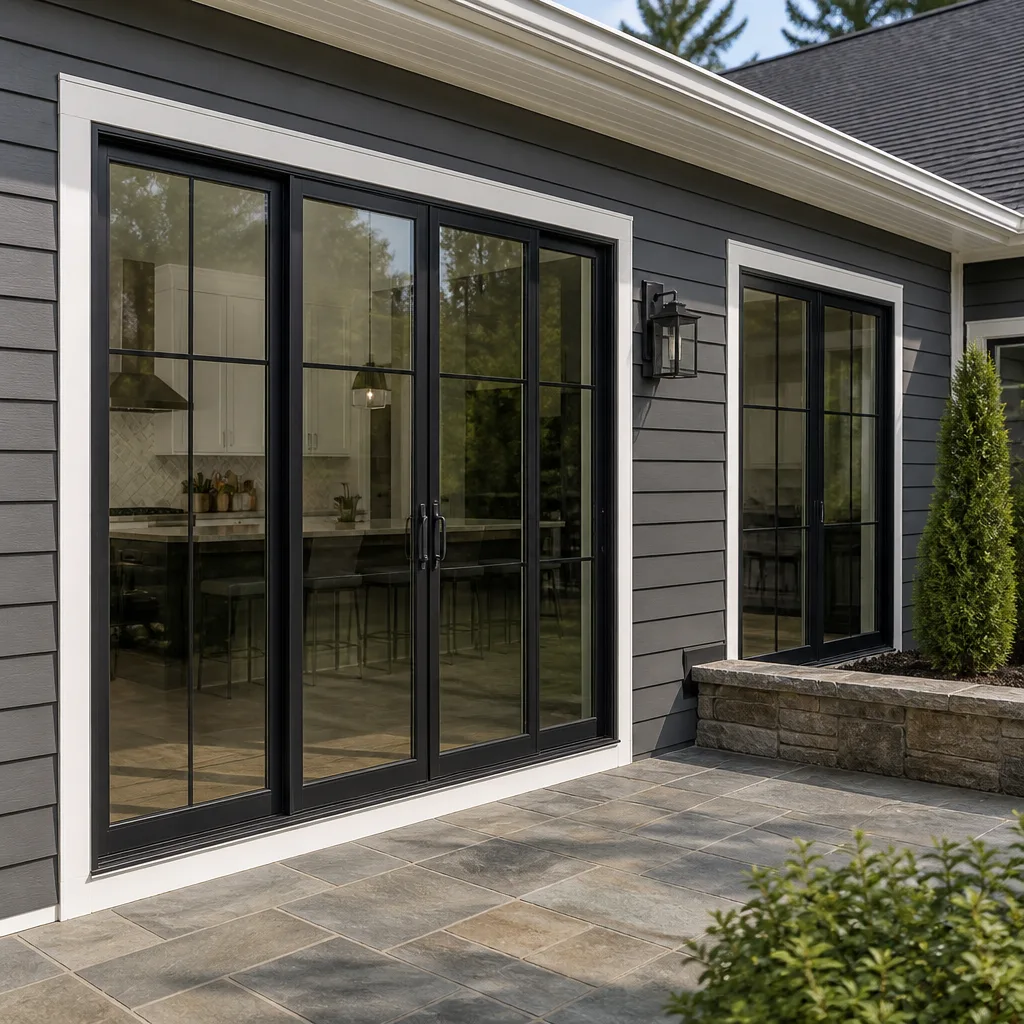
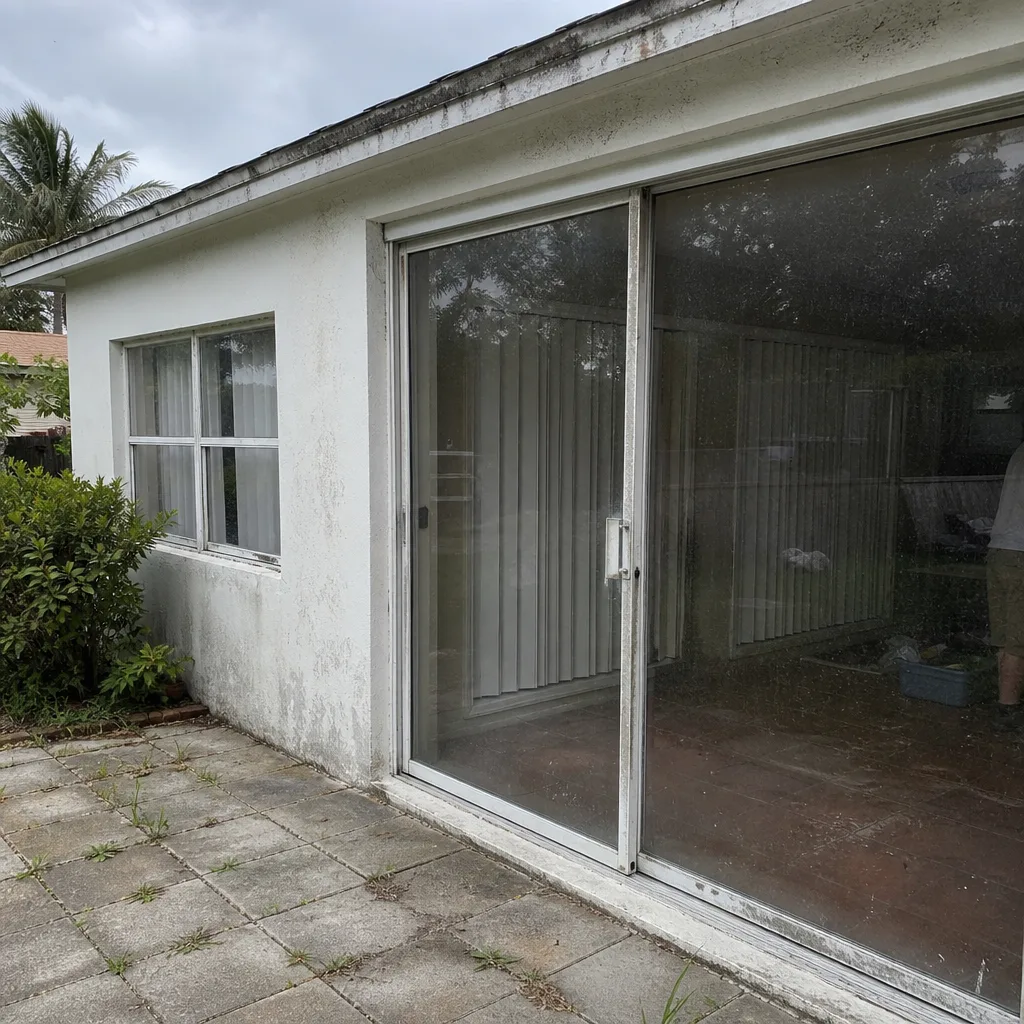 Before
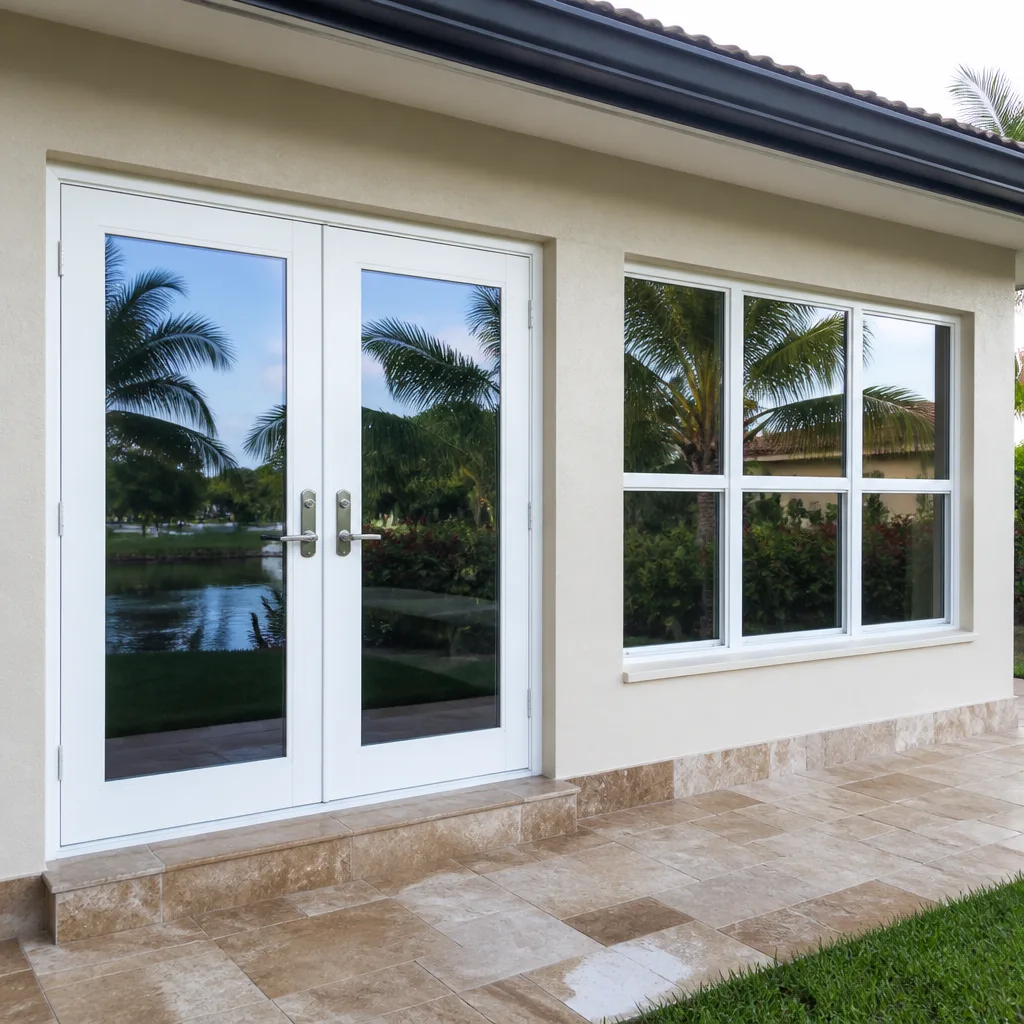 After
After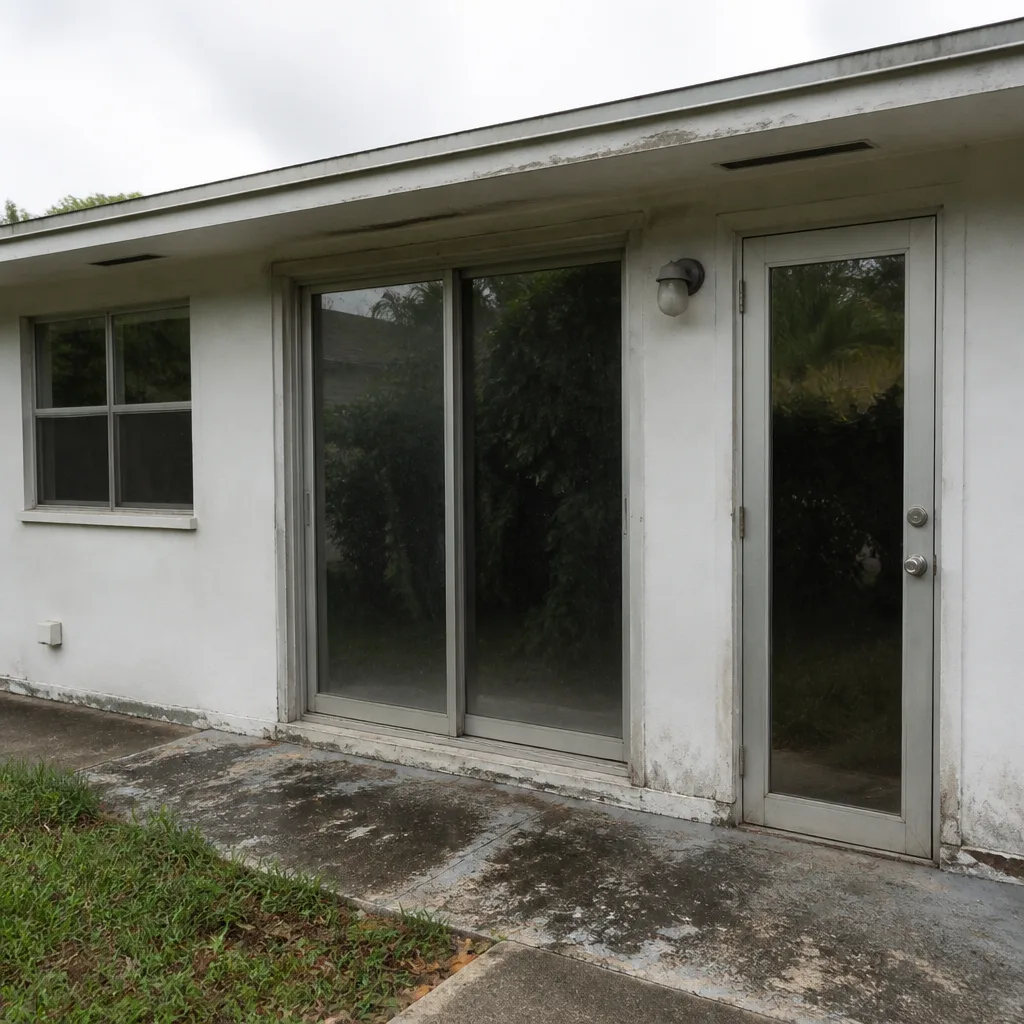 Before
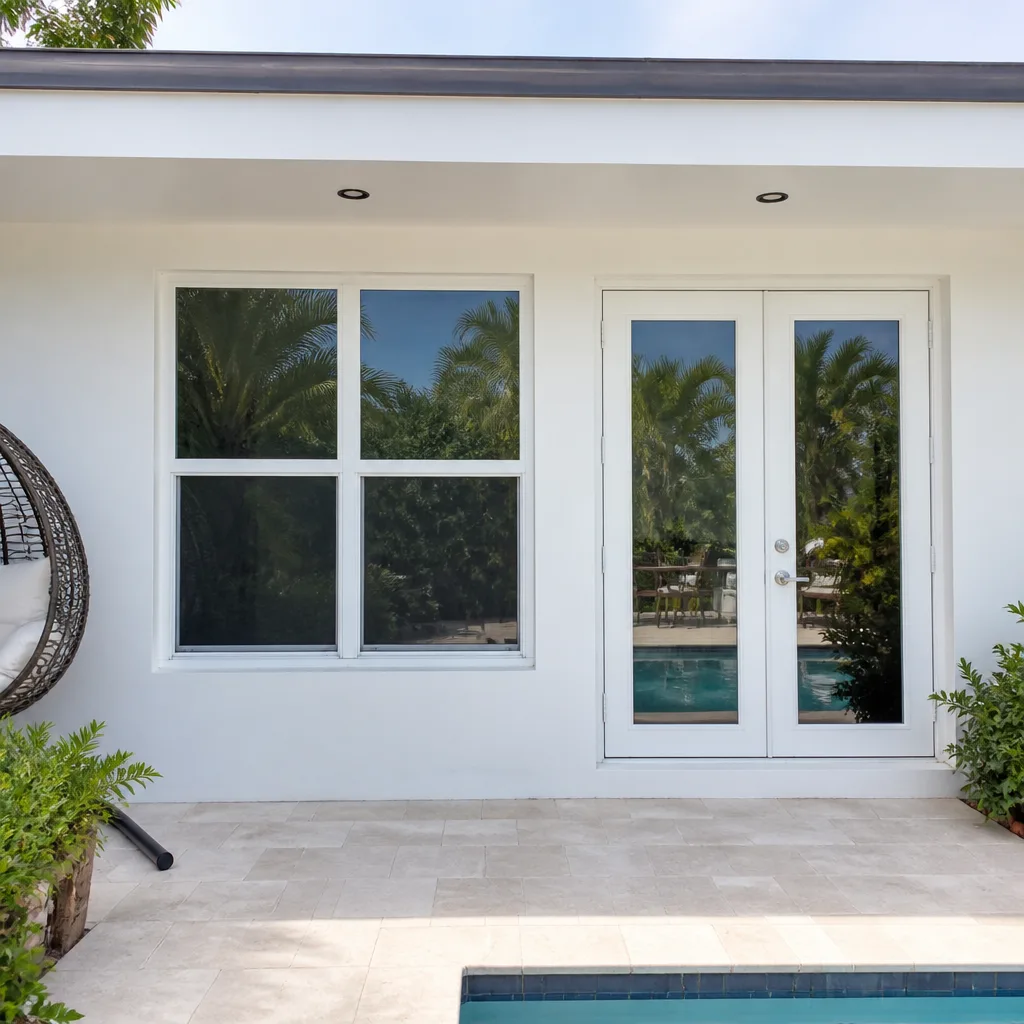 After
After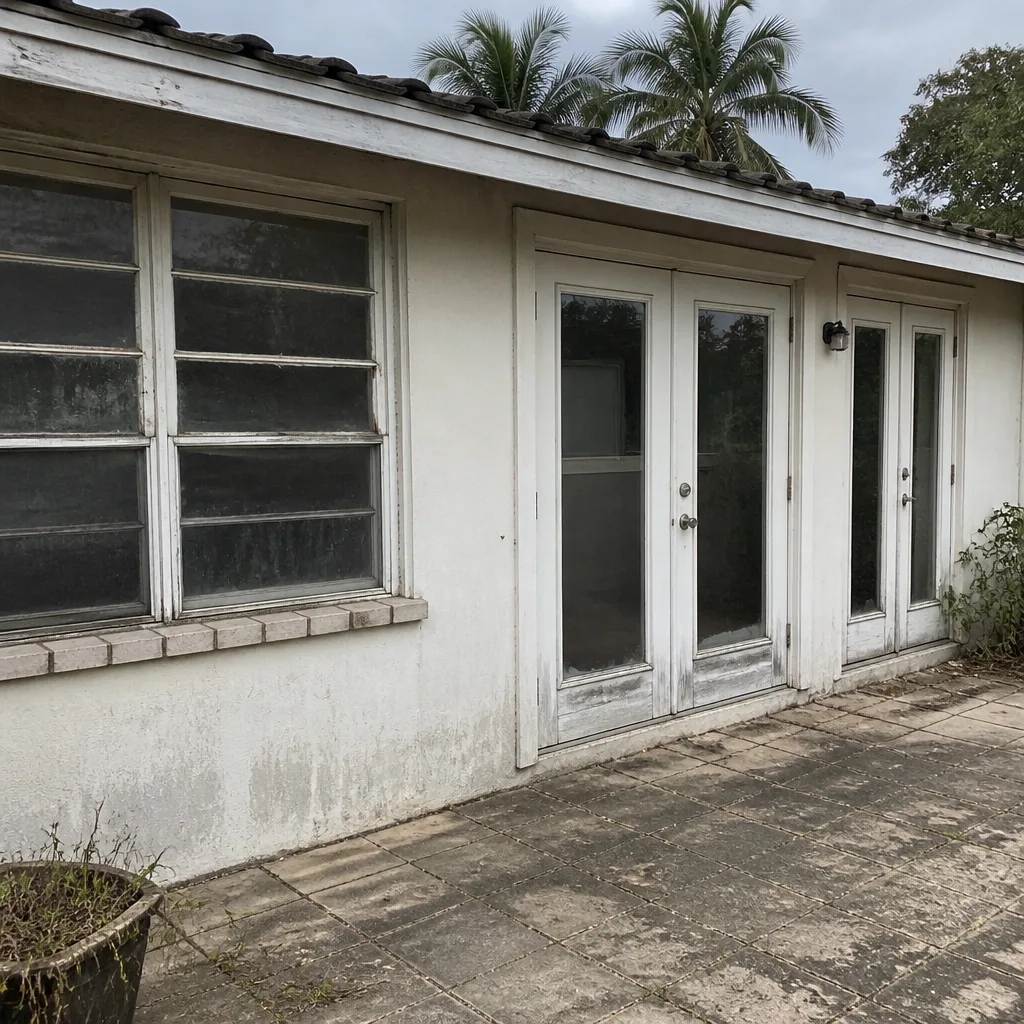 Before
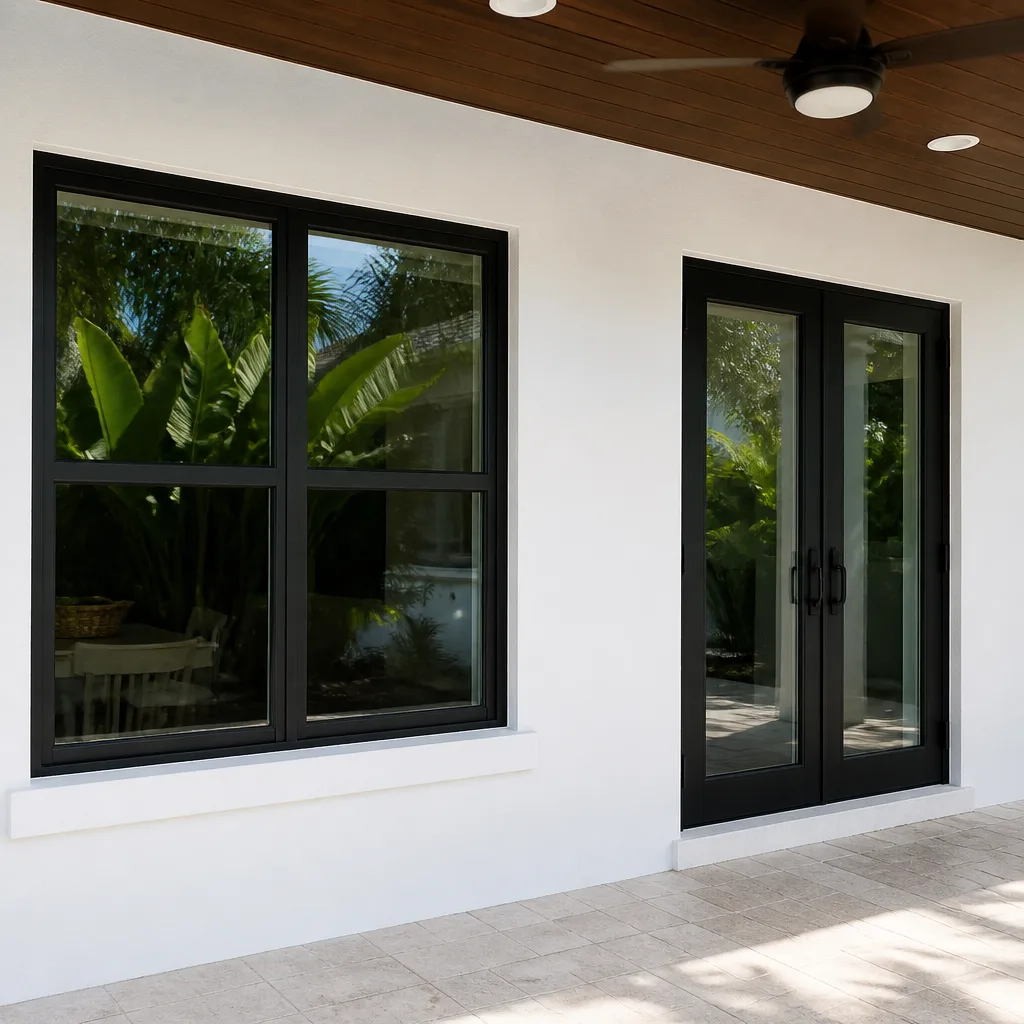 After
AfterThe Complete Guide to Windows & Doors in Miami
Most homeowners in Miami don’t realize their windows and doors are the weakest structural point in the house until a storm proves it. Florida’s building code was rewritten after Hurricane Andrew destroyed roughly 125,000 homes in 1992, yet Miami-Dade County’s product approval list still gets violated routinely by contractors who substitute uncertified units and hope no inspector catches it. This guide covers what you actually need to know before signing anything: how Miami-Dade NOA certification works, which frame materials survive salt air, what glass packages satisfy both impact and energy code, and how to read product approvals against your specific wind zone.
Quick Answer
Windows and doors in Miami must meet Miami-Dade County product approval standards, which are stricter than Florida statewide code. A complete guide means understanding NOA certification, wind zone mapping, frame material durability in salt air, and glass package requirements that satisfy both impact and energy codes simultaneously. For more on this topic, see our DIY vs Professional Windows & Doors: The Miami Homeowner’s Decision Guide. Homeowners should verify every unit’s Notice of Acceptance before purchase and work with an installer who registers both warranty layers in writing.
Table of Contents
- Why Miami-Dade NOA Certification Is Different From Florida Statewide Approval
- Frame Materials: How Salt Air and UV Actually Age Aluminum, Vinyl, and Fiberglass
- Glass Packages: Laminated, Tempered, Insulated, and What Actually Passes Code
- Rough Openings: Concrete Block vs. Wood-Frame Walls in Older Miami Homes
- Wind Zones and Missile Ratings: Reading ASCE 7 Maps Against Product Approvals
- Impact Protection and Energy Efficiency: Where the Codes Conflict
- Warranty Structure: Why Two Layers Matter More Than One
- The Installation Process: What a Correct Miami Install Actually Looks Like
Why Miami-Dade NOA Certification Is Different From Florida Statewide Approval
Miami-Dade County maintains its own product approval system called the Notice of Acceptance, or NOA. A window or door can carry Florida Product Approval, which covers most of the state, and still be illegal to install in Miami-Dade or Broward County without a separate NOA number. The county’s standards are stricter because the wind speeds here are higher and the building stock is older and denser than anywhere else in Florida.
Every NOA document lists the specific product series, the maximum size tested, the design pressure rating, and the missile impact level. Design pressure, usually written as a number like DP 50 or DP 60, tells you how much wind load the unit can resist before it fails structurally. The missile impact level tells you what size debris the glass was shot with during testing. For most of Miami, residential applications require large missile protection, meaning the unit stopped a 9-pound 2×4 fired at 34 miles per hour. Small missile ratings do not satisfy code for the vast majority of single-family homes in Miami-Dade.
We’ve walked through too many homes where a contractor installed units with Florida Product Approval but no Miami-Dade NOA, and the homeowner only found out when an insurance adjuster or a building inspector looked at the paperwork. The fix is never a simple swap. Pulling uncertified units and replacing them with compliant ones costs more than doing it right the first time.
How to read an NOA before you buy:
- Locate the NOA number on the unit’s label and look it up on the Miami-Dade County product control database.
- Check the product series listed on the NOA matches the exact series you’re being quoted. Substitute series numbers are where substitutions happen.
- Confirm the maximum size tested. If your opening is larger than the tested size, the unit is not code compliant regardless of what the salesman says.
- Verify the design pressure rating matches or exceeds what your home’s wind zone requires. More on wind zones below.
- Confirm the missile impact level is large missile for your application.
If a contractor cannot produce the NOA for the exact unit being quoted, walk away. In our experience across Miami, legitimate installers carry the approval documents for every product line they offer. They don’t need time to find them.
For a deeper look at how this applies to impact-rated units specifically, see our guide to Impact Windows in Miami.
Frame Materials: How Salt Air and UV Actually Age Aluminum, Vinyl, and Fiberglass
Miami’s climate punishes window frames differently depending on where you live. Homes east of US-1 sit in a constant salt spray environment. Homes west of the Palmetto in areas like Kendall or Westchester get less salt but more sun exposure on west-facing walls. Material choice should follow location, not showroom preference.
Aluminum Frames
Aluminum has been the default in Miami for decades because it holds up structurally under high wind loads and takes impact glazing well. The weakness is corrosion. Unfinished or poorly finished aluminum in salt air will pit and oxidize within five to seven years in coastal neighborhoods like Coconut Grove, Key Biscayne, or Surfside. Anodized finishes last longer, and marine-grade coatings help, but aluminum near the coast needs maintenance that inland aluminum does not. See our Impact Windows Maintenance Checklist for Miami Homeowners for specifics.
Inland, in neighborhoods like Doral or Hialeah, aluminum frames age primarily from UV exposure breaking down finishes and thermal expansion cycling. Powder-coated finishes hold up better than liquid-applied paints. We’ve replaced aluminum windows in Coral Gables that were still structurally sound after thirty years, and we’ve pulled aluminum windows in Brickell that were corroded through at the corners after eight. Location dictates lifespan more than brand does.
Vinyl Frames
Vinyl resists salt corrosion and never rusts, which makes it appealing for coastal condos. The tradeoff in Miami is heat. Vinyl expands and contracts more than aluminum or fiberglass when temperatures swing, and Miami’s afternoon sun pushes surface temperatures well past 140 degrees on exposed walls. Poorly engineered vinyl frames will warp, sag, or bow over time, especially on large sliding door openings where the frame carries more glass weight. Vinyl also cannot be repaired the way aluminum can. A cracked weld means a new sash, not a patch.
Vinyl performs best in shaded openings, in smaller window sizes, and in inland Miami zip codes. On a full west-facing exposure in Kendall or Tamiami, we hesitate to spec vinyl for anything wider than about five feet.
Fiberglass Frames
Fiberglass expands and contracts at nearly the same rate as glass itself, which means the seal between frame and glass stays intact longer. It resists salt corrosion, carries heavy impact glazing, and does not warp in direct sun. The cost runs higher than aluminum or vinyl, usually 15 to 30 percent more, but in coastal Miami the failure rate we see is meaningfully lower.
Brands like PGT and Marvin both offer fiberglass lines that carry Miami-Dade NOA approval. When we quote side by side for a homeowner in a high-salt zip code, fiberglass often ends up being the right call despite the upfront cost, because the aluminum alternative would need frame replacement years sooner.
Glass Packages: Laminated, Tempered, Insulated, and What Actually Passes Code
The glass package in a Miami window or door is doing multiple jobs at once. It has to stop windborne debris, resist the pressure of hurricane-force winds, reduce heat gain, and hold up under daily UV. No single glass type does all of that on its own. The right package is a combination.
Laminated glass is the core of any impact-rated unit. It consists of two panes of glass bonded to a plastic interlayer, usually polyvinyl butyral or a similar polymer. When a 2×4 hits it at 34 miles per hour, the glass cracks but the interlayer holds the pane together, and the opening stays sealed. Laminated glass is what gives a window its large missile rating. It also blocks a meaningful amount of UV and reduces noise transmission significantly, which matters on busy corridors like US-1 or the Palmetto Expressway.
Tempered glass is heat-treated so it shatters into small rounded pieces instead of jagged shards. It is strong, but tempering alone does not pass Miami-Dade impact requirements. Tempered glass often appears as the interior pane of an insulated unit, where it provides added load resistance and meets safety glazing requirements near doors and in large fixed openings.
Insulated glass refers to two or more panes separated by an air or gas-filled space. Insulated units reduce heat transfer, which matters in Miami where air conditioning runs ten months a year. An impact unit can be insulated or not. A non-impact unit can be insulated or not. The mistake we see homeowners make is assuming that because a window has two panes, it must be impact rated. Two panes separated by air is not the same as two panes bonded by a laminated interlayer.
The combination that satisfies both impact and energy code in most of Miami looks like this:
- Outer pane: laminated glass, meeting large missile rating
- Inner pane: tempered glass, for safety glazing and additional strength
- Space between: insulated construction with a low-emissivity coating on the interior surface
That configuration passes impact testing, meets the energy provisions of the Florida Building Code, and holds up over years of daily UV exposure. Low-E coatings matter more in Miami than many people realize. They reflect infrared heat back outside while allowing visible light through, which keeps rooms cooler without making them dark.
When we quote windows for a Miami home, we put the glass package breakdown on paper next to each product line. The homeowner sees exactly which layers they’re paying for. That transparency is part of what TruePane Windows & Doors home service stands for, and it’s the only way to make an honest comparison between quotes.
Rough Openings: Concrete Block vs. Wood-Frame Walls in Older Miami Homes
The wall your windows sit in changes everything about the installation. Miami’s older housing stock is mostly concrete block construction, especially homes built between the 1940s and the 1980s in neighborhoods like Shenandoah, Silver Bluff, and Buena Vista. Newer construction and some renovation work uses wood-frame walls with stucco or siding. The two wall types require completely different installation methods.
In a concrete block wall, the rough opening is cut or formed into the block. There is no wood framing to fasten into around the perimeter, so the window is secured with concrete fasteners driven into the block or into a treated wood buck that is itself anchored into the block. The gap between the window frame and the block opening gets backfilled and sealed, and the flashing details matter more than they do in wood frame because concrete holds moisture against whatever touches it.
In wood-frame construction, the rough opening is framed with studs, a header carries the load above, and the window fastens directly to the framing. The process is closer to what installers use in other parts of the country, but Miami’s wind requirements still demand a heavier anchorage schedule than you would see in, say, Atlanta or Nashville.
Older Miami homes present a specific challenge: rough opening tolerances. In concrete block, openings were often cut by hand, and they wander. A rough opening that is supposed to be 36 by 48 inches can easily be a quarter inch out of square or half an inch oversized on one side. If the installer orders the window to the nominal size without measuring every opening, the result is a unit that wants to fight the wall. Over time, that stress shows up as binding sashes, broken seals, and jammed sliding doors.
We measure every opening twice, to the eighth of an inch, before we order anything. It’s a habit that comes from installing in enough 1950s Coral Gables houses to know that the plans, if they still exist, were never exact. For a full breakdown of how this affects a specific installation, see Window Installation in Miami.
Wind Zones and Missile Ratings: Reading ASCE 7 Maps Against Product Approvals
Not every Miami home needs the same level of impact protection. The Florida Building Code divides the county into wind speed zones based on ASCE 7 mapping, and those zones dictate the design pressure and missile rating your windows and doors must meet. A home in Homestead sits in a different wind load zone than a home in Aventura, and a high-rise condo unit twenty floors up in Brickell sees different pressures than a single-story house in Little Havana.
The ASCE 7 maps assign a basic wind speed to your location, which then gets adjusted for building height, exposure category, and roof form. For most of Miami-Dade, the basic wind speed for Risk Category II residential structures is between 170 and 180 miles per hour, but the conversion from wind speed to design pressure is not something a homeowner should attempt from a chart alone. The code tables account for interior pressure changes and wind direction factors that change the result significantly.
What you should do before committing to a unit:
- Determine your home’s Risk Category. Most single-family homes and low-rise residential buildings are Category II.
- Find your basic wind speed on the FBC wind speed map for Miami-Dade. The county’s building department publishes simplified versions.
- Note your building height and exposure category. Homes within 600 feet of open water are Exposure D and face higher loads.
- Have your window or door quote specify the design pressure rating for each unit. Compare that number against the required rating for your wind zone using the FBC tables.
- Confirm the product’s NOA lists a tested size that equals or exceeds your opening’s actual size.
This is the step where most claims get denied after the fact. A unit that carries a large missile rating but only passed testing up to a 36-by-50-inch size does not cover a 48-by-72-inch opening. The NOA documents every tested size. When we quote a window package, the design pressure and size limits are written on the same page as the price, so there’s no ambiguity about what you’re buying.
Impact Protection and Energy Efficiency: Where the Codes Conflict
Impact protection and energy efficiency pull in different directions. Impact glass is heavy and often uses thicker laminated panes that, by themselves, do not insulate well. Energy efficiency wants lighter panes, low-E coatings, and insulated air spaces that keep heat outside. A unit that maximizes one will typically compromise the other unless the package is engineered deliberately.
Miami’s energy code requirements for residential windows set a maximum U-factor and a maximum solar heat gain coefficient. The U-factor measures how much heat conducts through the glass assembly; lower numbers are better. Solar heat gain coefficient measures how much of the sun’s heat comes through; again, lower is better in Miami because our air conditioning load is driven by heat gain, not heat loss.
Impact-rated laminated glass tends to have a higher solar heat gain coefficient than thin non-impact glass, because the laminated interlayer and the thicker panes absorb and retransmit heat. The way to bring that number down is to add a low-E coating on the surface that faces the air space within an insulated unit and to select glass with a lower visible transmittance if the room can tolerate slightly darker views.
The tension you cannot engineer away entirely is weight. A fully impact-rated, insulated, low-E unit for a large sliding door in a Miami home can weigh several hundred pounds per panel, and the frame, the track, and the rough opening all have to carry that weight for decades. Budget frames that pass impact testing in smaller sizes fail dynamically in larger openings because the rollers sag and the track binds. This is where the quality of the frame material and the installation workmanship show up first.
Brands like CGI and PGT have invested heavily in this problem because their primary market is South Florida. Their engineering accounts for weight and cycle testing in ways that brands centered on northern climates often do not. We are an authorized installer for both lines, among others, and the difference in how a PGT sliding door operates after five years of daily use versus a cheaper import is visible and physical. The door either glides or it fights you.
Warranty Structure: Why Two Layers Matter More Than One
A window or door purchase in Miami involves two separate warranties. The first is the manufacturer’s warranty on the product: the frame, the glass, the hardware, the finish. The second is the workmanship warranty from whoever installs it. Most problems in Miami fall into the gap between these two layers, and homeowners discover too late that neither party will cover the failure because each blames the other.
The manufacturer’s warranty typically covers defects in materials and manufacturing. If the laminated glass delaminates, if the frame finish fails prematurely, if the hardware breaks under normal use, the manufacturer replaces the part. What the manufacturer will not cover is a failure caused by improper installation: a frame twisted out of square, an opening not flashed correctly, a unit under-sized for the rough opening and shimmed too aggressively.
The installer’s workmanship warranty covers installation errors. If the window leaks because it was not sealed properly, the installer is on the hook. If the unit was dropped during installation and the frame cracked, the installer owns that. The typical workmanship warranty in the industry is one year, though many contractors honor claims less than that when the phone calls start.
Our practice at TruePane Windows & Doors is to register both warranty layers in writing before the truck leaves the driveway. The manufacturer’s warranty gets registered in the homeowner’s name with the duration stated. The workmanship warranty is written with our 90-Day Done Right Promise, and we do not argue about it. If the pane is not true, the job is not done. That’s the standard Dale Kessler keeps on the whiteboard, and it has been the operating rule since the company started serving Miami in 2008.
When you compare quotes, ask the contractor to show you the exact warranty documents for the exact product series being quoted. If the documents are not available or the durations are vague, that tells you what a claim will feel like later.
The Installation Process: What a Correct Miami Install Actually Looks Like
Most of what goes wrong with Miami windows and doors is decided before the first screw goes in. A correct installation follows a sequence that an experienced crew knows by rote, and skipping any step is where future leaks, binding, and seal failures come from.
The steps we follow on every replacement or new installation:
- Measure every rough opening twice, to the eighth of an inch, from multiple points in the opening.
- Verify the existing rough opening is structurally sound. In concrete block, check for cracked or spalled block around the perimeter. In wood frame, check for rot at the sill and around fasteners.
- Order units sized to the actual measured openings, accounting for the manufacturer’s recommended clearance and shim space.
- Remove the old unit without widening or damaging the rough opening more than necessary. In block walls, this means careful cutting, not demolition.
- Set the new unit level and plumb, shimming at the manufacturer-specified anchor points, and check square before tightening anything.
- Anchor the unit to the wall per the product’s NOA attachment schedule. For block walls, use concrete fasteners of the specified embedment and spacing. For wood frame, follow the prescribed screw pattern.
- Flash and seal the perimeter with materials appropriate for Miami’s exposure. In coastal areas, use stainless steel or marine-grade flashing and butyl-based sealants that hold up to salt air.
- Install interior trim or return the existing trim, fill any remaining gaps, and apply sealant at the interior perimeter.
- Operate every sash and door panel through full cycles. A correct installation includes windows that open and close without binding and sliding doors that roll without drag.
- Walk the homeowner through operation, maintenance, and warranty registration before leaving.
That sequence takes a day for most window replacements and two for larger sliding door systems in Miami homes. When a contractor quotes significantly less time, something in the sequence is being skipped, and it is almost never the profitable step.
For a more detailed treatment of what a full replacement involves, see Window Replacement in Miami.
Common Mistakes to Avoid
- Assuming Florida approval means Miami-Dade approval. Many products carry Florida Product Approval but no Miami-Dade NOA, and they cannot legally go into most Miami homes. Check the NOA number before you sign.
- Buying the cheapest impact window without checking the tested size limits. A unit that passed for a 36-inch opening does not cover a 60-inch opening. Verify the NOA’s maximum tested size for the exact product series against your measured openings.
- Ignoring frame material when comparing quotes. Two bids can both say “impact rated” and describe wildly different products. Ask what the frame is made of, what the finish is, and whether the glass package is insulated or single-pane laminated. Those differences are worth thousands.
- Not asking about workmanship warranty duration in writing. The manufacturer covers the product, not the install. If the installer will not put a workmanship period in writing, plan on paying for repairs out of pocket when a window leaks or a door binds.
- Replacing windows without addressing a rotted wood buck or cracked block around the opening. The new unit will fail prematurely because the substrate it anchors into is failing. In older Miami homes with wood-frame windows inside block walls, the buck often needs replacement first.
- Using interior sealant to fix an exterior flashing problem. Caulk on the inside of a leaking window does nothing but trap moisture in the wall. Leaks are fixed at the exterior flashing, the sill pan, and the weep system.
When to Call a Professional
Any time the work involves structural openings, impact-rated units, or warranty paperwork, you want a professional. Replacing a window in Miami concrete block is not a weekend project, and a door that binds or a window that fogs between the panes will not sort itself out. If your home predates the 1992 code changes, or if a previous contractor installed units without Miami-Dade NOA documentation, a professional inspection will tell you where you stand before you spend money. TruePane Windows & Doors offers free estimates in Miami, and a live person answers the phone 24 hours a day at (561) 956-2754. For more guides & resources, visit our blog.
Frequently Asked Questions
Impact windows in Miami typically run between $900 and $2,800 per opening installed, depending on size, frame material, glass package, and whether the opening requires a permit. Large sliding doors run higher. The exact quote depends on your measured openings and wind zone. Call (561) 956-2754 for a free estimate with the numbers on paper.
Yes, for new construction and for any replacement window or door in a structure that falls under the Florida Building Code, impact-rated products or approved shutters are required. The exact requirement depends on the wind zone and elevation of your home. An inspector can confirm what your specific property requires.
Miami-Dade NOA is a county-specific certification that requires more stringent testing than Florida statewide approval, including specific large missile impact tests and design pressure verification. Many products carry Florida approval but not Miami-Dade NOA. In most Miami-Dade and Broward applications, only NOA-certified units are code compliant.
Aluminum windows in inland Miami last 25 to 35 years if maintained, but aluminum near the coast can corrode badly within 5 to 10 years without marine-grade finish. Vinyl lasts 20 to 30 years but can warp in direct sun on large openings. Fiberglass lasts 30 to 40 years with minimal maintenance and handles salt air better than aluminum. The frame material and finish matter more than the brand name.
In many cases, yes, if the frame is structurally sound and the existing unit can accept the replacement glass package. For impact-rated units, the glass replacement must match the original tested configuration, and the work should be verified against the product’s NOA. If the frame is corroded, warped, or leaking at the flashing, glass replacement alone will not fix the problem.
Yes, replacing windows and doors in Miami requires a permit in virtually all cases, and the work must pass inspection. A legitimate contractor pulls the permit, schedules the inspection, and handles the paperwork as part of the job. If a contractor suggests skipping the permit, that is saying they are willing to cut corners on the part you cannot see. Call (561) 956-2754 and we can walk you through what your specific job requires.
The Bottom Line
Windows and doors in Miami are a structural decision first, an aesthetic one second, and a financial one always. The county’s NOA certification, the wind zone maps, the salt air, and the year-round UV load all dictate what belongs in your walls, and the product choice should follow those facts. Verify the NOA for every unit quoted. Match frame material to your location. Confirm the glass package satisfies both impact and energy code. Get both warranty layers in writing. And work with an installer who measures twice, anchors per the approval, and stands behind the work without arguing. That’s the difference between a window that protects the house for thirty years and a claim that gets denied after the fact.
Written by Dale Kessler, Owner at TruePane Windows & Doors, serving Miami since 2008.
Six Reasons Homeowners Choose TruePane Windows & Doors
Impact systems engineered to design pressures up to +/-100, matched to your wind zone - your openings hold when the storm arrives.
Low-E insulated impact glass from our manufacturer lines commonly cuts monthly cooling bills 20-30%.
Laminated impact glass shuts out up to 40% of outside noise - traffic, neighbors, weather.
Monitoring services run $30-90 a month. Laminated impact glass resists forced entry around the clock, with no subscription.
Florida homeowners average around 25% savings on the windstorm portion of their policy after protecting every opening - some homes qualify for more.
A full impact package upgrades curb appeal, buyer confidence and appraised value in one project.