
Last updated August 28, 2026
Free in-home measure and quote - PGT, CGI and CWS impact lines compared on your actual openings, style by style


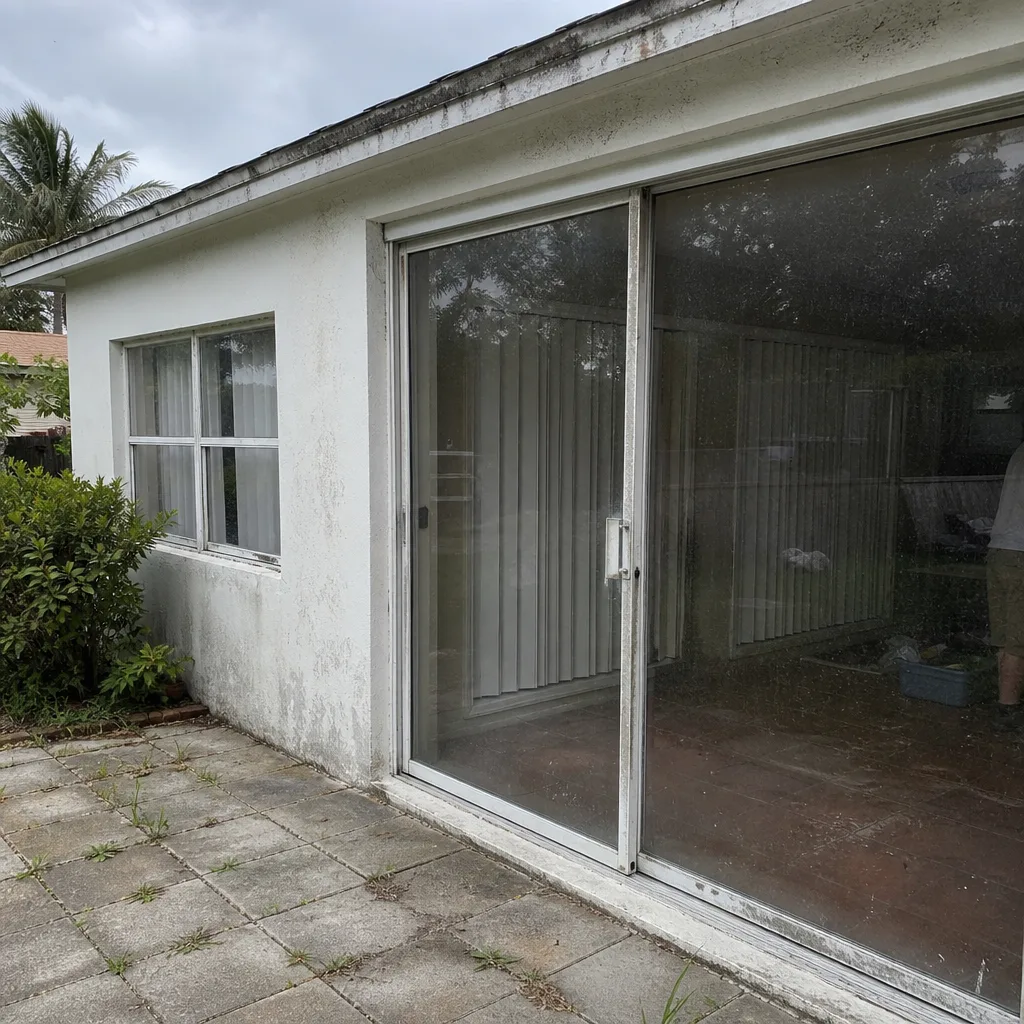 Before
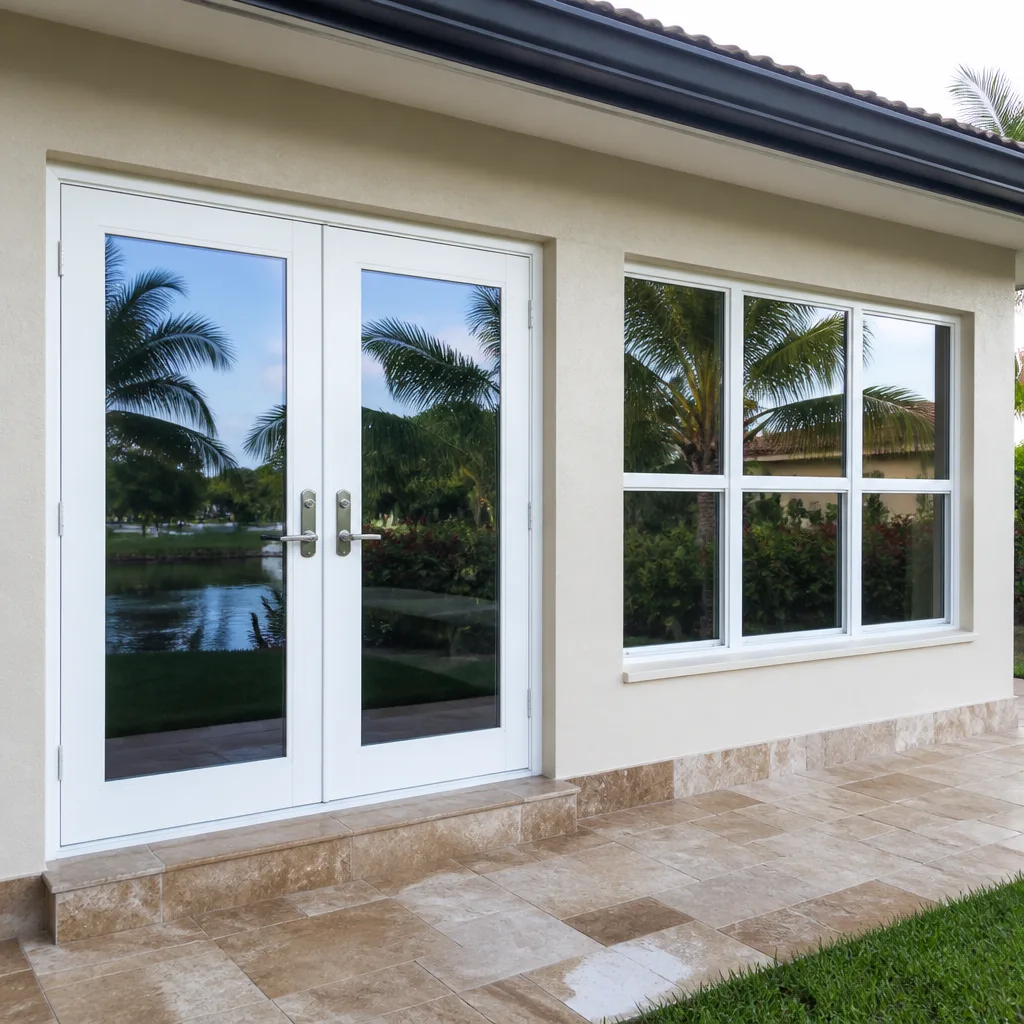 After
After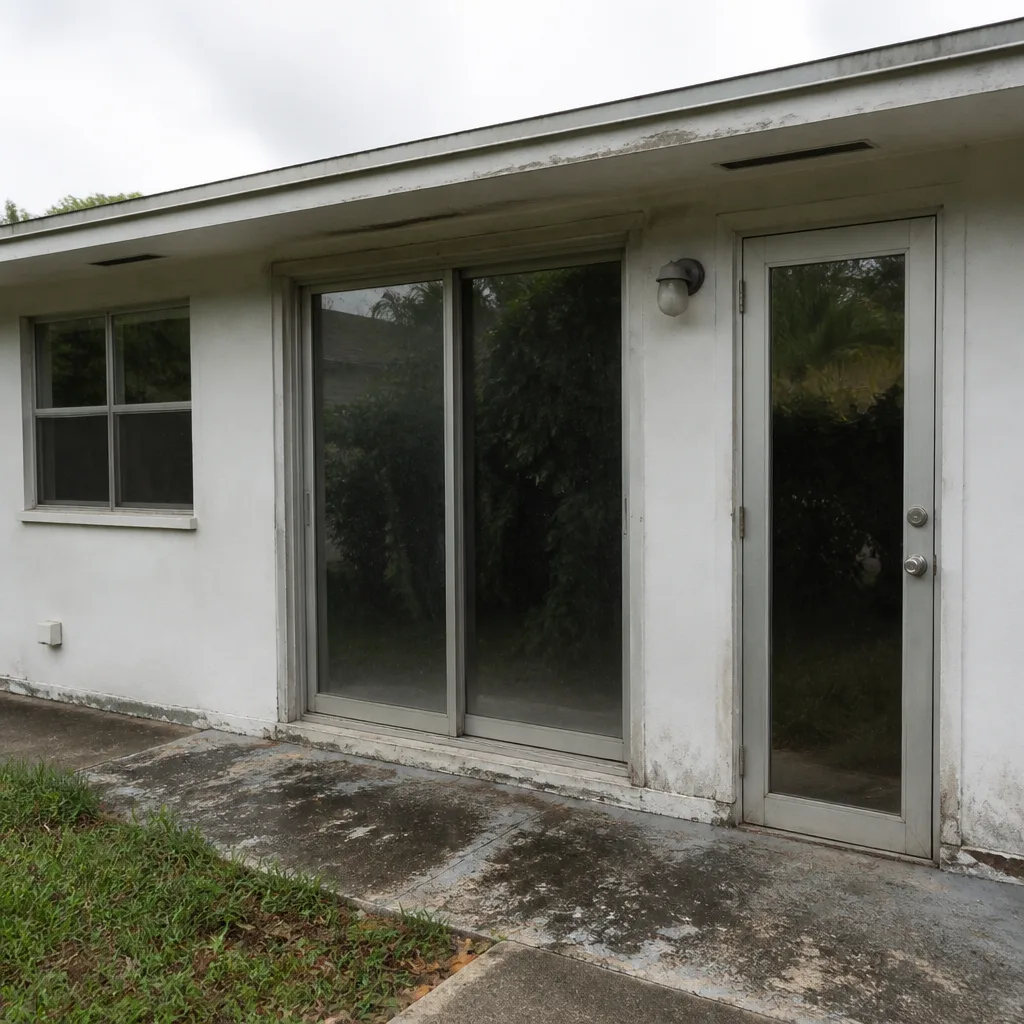 Before
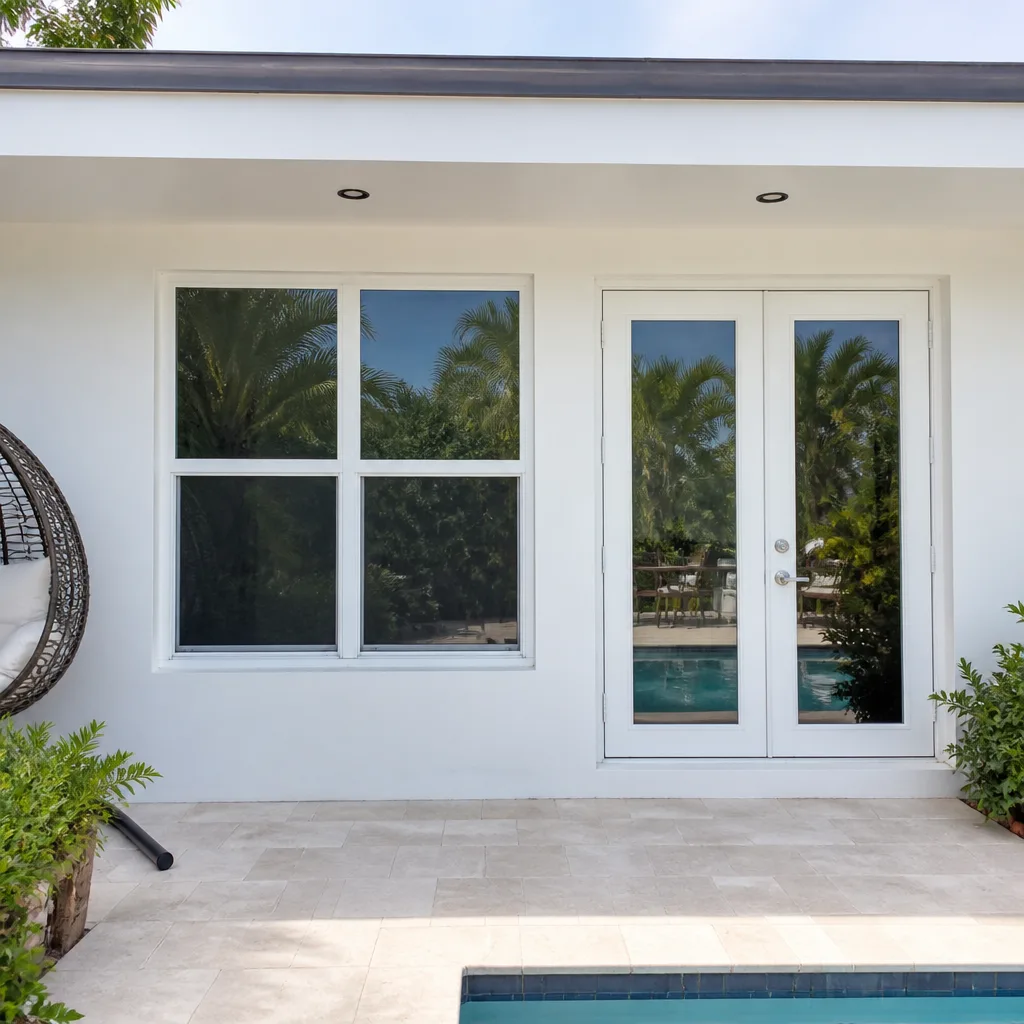 After
After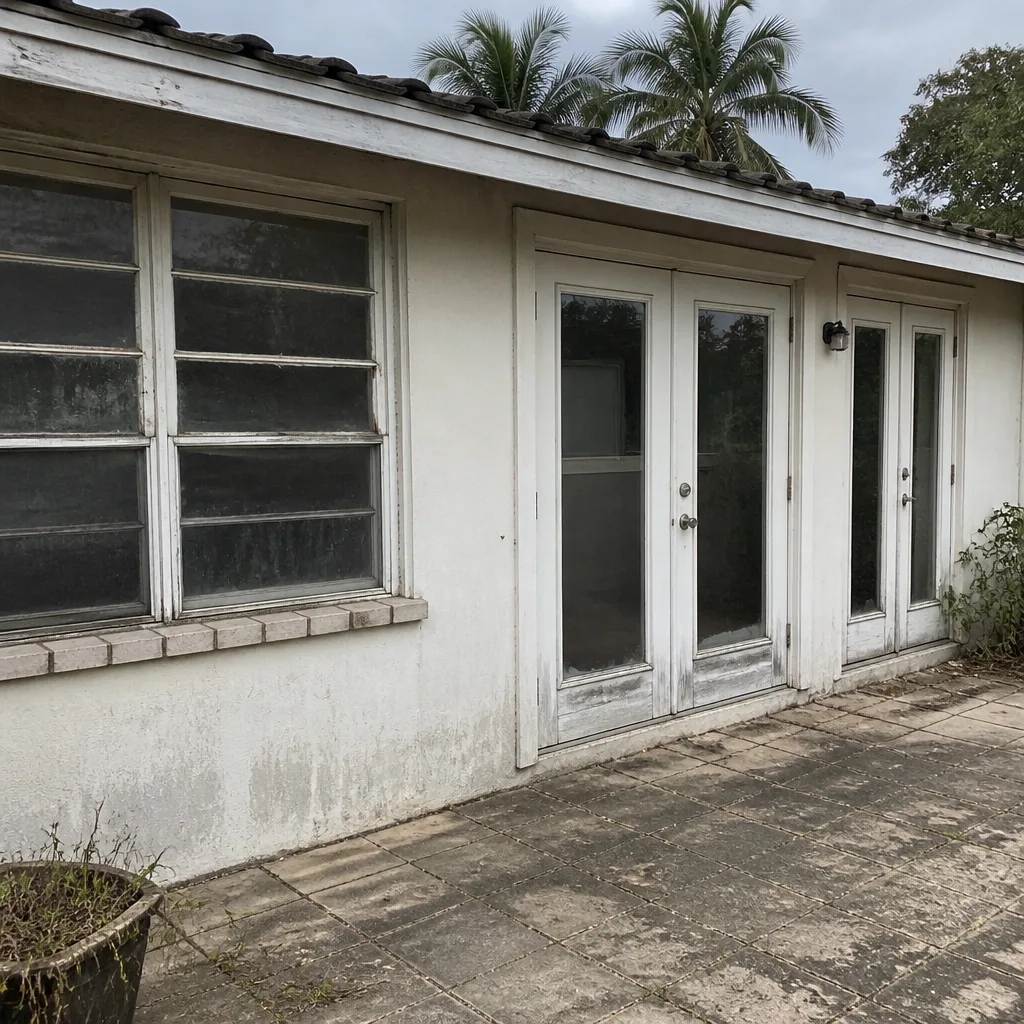 Before
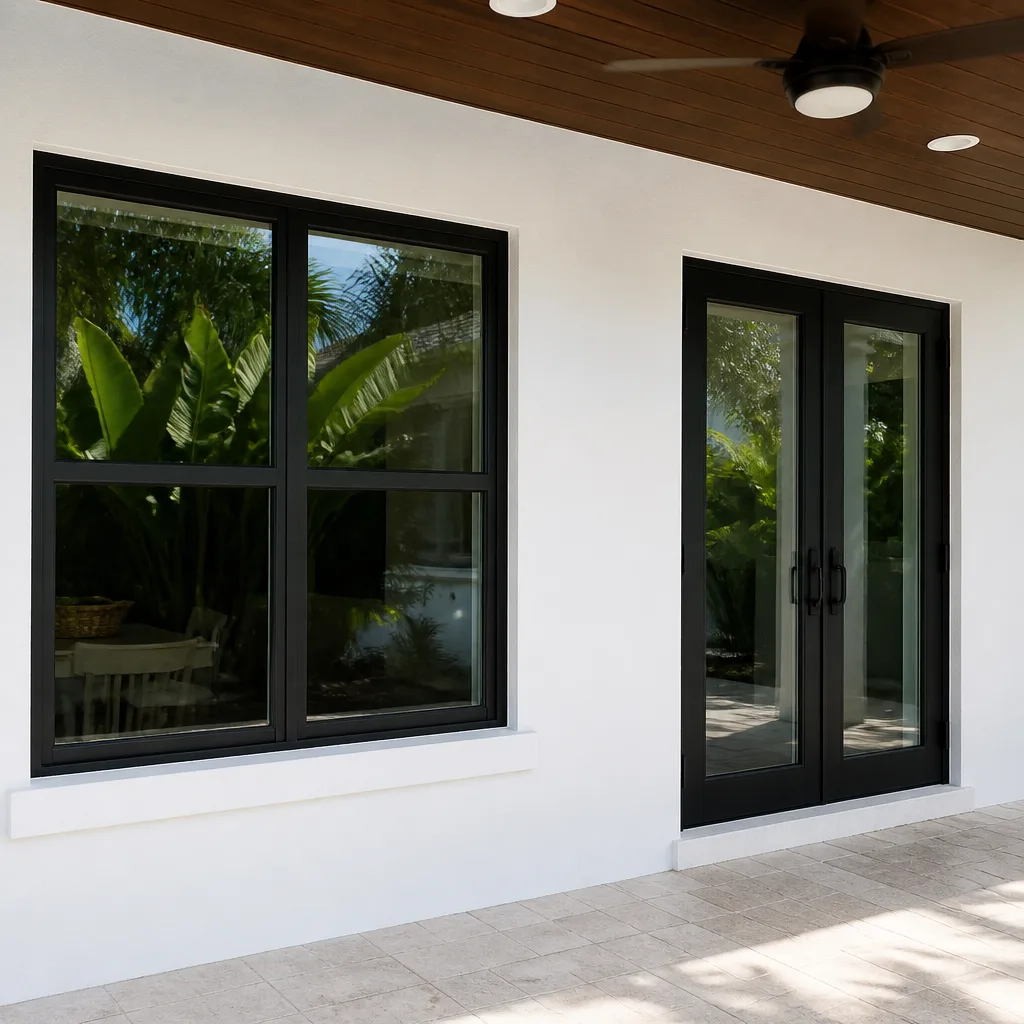 After
AfterSeasonal Windows & Doors Care for Miami: Year-Round Homeowner’s Guide
Most Miami homeowners assume their windows and doors take the hardest beating during hurricane season. In our experience, that is only half the story. The dry season, roughly November through April, is when UV degradation on glazing compounds and door seals accelerates fastest because humidity is lower and sun angles strike glass more directly. This guide organizes maintenance around Miami’s two true weather regimes, the dry season and the wet season, plus the hurricane preparedness window, so you catch problems before they become replacements. For related reading, see our Windows & Doors Warning Signs: A Miami Homeowner’s Reference Guide.
Quick Answer
Seasonal window and door care in Miami means aligning maintenance with two distinct weather regimes: the dry season (November through April) for UV damage, sealant inspection, and hardware lubrication, and the wet season (May through October) for moisture intrusion, threshold checks, and hurricane preparation. The most important single action is a pre-June 1 inspection of sealant, hardware torque, and shutter track clearance. A thorough seasonal inspection takes about 90 minutes and catches most failures before they require full unit replacement.
Table of Contents
- Miami’s Two Weather Regimes and What They Do to Windows and Doors
- Dry Season Care: UV, Salt, and Sealant Degradation
- Wet Season Care: Moisture, Mold, and Threshold Integrity
- Pre-June 1 Hurricane Preparedness Checklist
- Post-Storm Inspection: Documenting Damage Before Cleanup
- Coastal Salt Exposure: Why North-Facing Frames Fail Differently
- Material-Specific Care for Miami Frames and Glass
- Common Mistakes to Avoid
- When to Call a Professional
- Frequently Asked Questions
- The Bottom Line
Miami’s Two Weather Regimes and What They Do to Windows and Doors
Miami does not have four seasons. It has a dry season and a wet season, and each one attacks the same glass, frame, and hardware in a different way. If you are running the same maintenance routine month after month, you are addressing the wrong threat half the year.
The dry season runs roughly November through April. This is when Miami gets its most pleasant weather: lower humidity, cooler nights, and clear skies. But for windows and doors, this is the season of oxidation. Low humidity means less moisture to keep glazing compounds flexible. Direct sun angles through winter and spring hit south-facing and west-facing glass at steep angles, and vinyl, rubber, and sealant compounds are all susceptible to slow chemical breakdown. We have replaced units in Kendall and Pinecrest where the glazing compound had turned to powder, not because of storm damage, but because the dry season had baked it over the course of eight or nine months.
The wet season runs May through October. Daily rainfall cycles, high humidity, and standing water at door thresholds create a different set of problems. Water finds gaps that dry-season heat opened up. Frames swell. Hardware corrodes. Mold grows where water sits against wood sills or unsealed thresholds. The wet season is also hurricane season, which means the structural demands on impact-rated assemblies are at their peak from June 1 through November 30.
Most homeowners wait until August or September, when a named storm is in the Atlantic, to think about their windows and doors. By then, the dry-season damage is already done, and the wet-season problems are already advanced. The homeowners we work with in Coral Gables, Coconut Grove, and Doral who schedule seasonal inspections in April and October almost never face emergency replacements. Those who wait until the first storm watch are often looking at a full window replacement in Miami rather than a tune-up.
Dry Season Care: UV, Salt, and Sealant Degradation
The dry season is when you should do the most thorough inspection of the year. The weather is cooperative, the light is good, and the problems you find are still small. Here is what we check on every dry-season inspection, and what you should look for before calling us for a second opinion.
What dry-season heat actually does: When the air is dry and the sun is direct, the glazing compound that seals glass into wood frames loses its oils and becomes brittle. Rubber gaskets and weatherstripping on aluminum and vinyl frames shrink and crack. Caulking around the exterior perimeter pulls away from the stucco or brick. These are all slow failures, and none of them announce themselves until water gets through in the wet season.
- Inspect exterior caulking and sealant beads. Run your finger along the joint where the frame meets the wall. If it feels chalky, crumbly, or pulled away, it is failing. In Miami’s dry season, sealant that is five years old or older needs close attention. In coastal neighborhoods like Key Biscayne or Surfside, three years is often the realistic lifespan because salt and UV work together.
- Check glazing compound on wood windows. If you have older wood windows in neighborhoods like Shenandoah or Morningside, test the glazing compound around each pane. Press it gently with a fingernail. If it does not flex, it has hardened past the point of service. Replace it before the wet season, because hardened glazing compound will not keep water out.
- Lubricate all moving hardware. Dry season is the best time to lubricate hinges, rollers, tracks, and locking mechanisms. Less humidity means the lubricant will not attract as much airborne grit. Use a dry silicone spray on tracks and rollers, not WD-40, which leaves a residue that collects sand and dust.
- Check vinyl frames for UV bleaching and brittleness. Vinyl frames that have been exposed to years of Miami sun can bleach and become brittle along the top rail and mullions. In extreme cases, they can crack at screw points. A professional can tell you whether reconditioning is possible or whether the frame is past saving.
- Inspect tinted or filmed glass for edge delamination. If you have aftermarket window film installed, look at the edges of each pane. Dry-season heat causes film to curl and peel at the corners and edges. Once delamination starts, it spreads, and the film must be removed and reapplied.
One dry-season task most Miami homeowners skip is re-treating vinyl frames. A UV protectant applied to vinyl frames every two to three years can extend the frame life significantly. This is not something you need a professional for, though we do include it in our window installation in Miami follow-up recommendations. The product costs under $30, and the application takes an afternoon.
Wet Season Care: Moisture, Mold, and Threshold Integrity
The wet season in Miami is not just rain. It is daily rain, often in short, intense bursts, followed by sun that bakes the moisture into every joint and seam. Water that gets into a frame during the afternoon storm has nowhere to go overnight, and that is when mold and rot begin.
Threshold inspection is the most overlooked wet-season task. At every exterior door, run your hand along the bottom of the door slab and the threshold itself. Look for water staining on the interior floor, soft spots in the subfloor, or black staining along the threshold edge. In Miami’s wet season, mold growth at door thresholds accelerates because the threshold area is the one place where water pools and sits. If the threshold is wood, it is already wrong for Miami. Wood thresholds wick moisture and rot within a few seasons. The correct threshold material for high-moisture sill conditions is a composite or metal threshold with a thermal break and a properly sealed drip edge.
Here is the wet-season inspection sequence we run on every door in the house:
- Check the door sweep. Close the door and look underneath from inside. You should see no daylight. If you do, the sweep is worn or the door is out of adjustment. A door sweep is a $15 part that prevents hundreds of dollars in water damage.
- Test the weatherstripping. Run your hand around the entire door perimeter while the door is closed. Anywhere you feel air movement, water will follow in a driving rain. Replace weatherstripping at the first sign of flattening or cracking.
- Inspect the threshold seal. Look for gaps between the threshold and the door slab at the bottom. A threshold that has settled or warped will leave a gap that invites water intrusion.
- Check for frame swelling. If the door binds when you open it, especially after rain, the frame or the slab is absorbing moisture. A door that binds in July is a classic sign of a water problem that started months earlier during the dry season when the sealant failed.
- Look for interior water staining. Check the interior wall and floor around every window and door for water stains, bubbling paint, or soft drywall. Water intrusion often shows up on the interior before it is visible on the exterior.
If you are seeing water pooling at a window sill or door threshold after rain, the problem is not the rain. The problem is a failed seal, and it will not fix itself. The longer it goes unaddressed, the more damage you are doing to the surrounding structure. We have opened walls in homes across Miami and found rot that had been hidden for years behind what looked like a minor paint stain.
Pre-June 1 Hurricane Preparedness Checklist
June 1 is the official start of hurricane season in Miami, but the preparation window is May. Waiting until a storm forms in the Atlantic means you are competing with everyone else for materials and labor, and you may be making decisions under pressure. Before you start, review Windows & Doors Permits, Codes & Inspections in FL: What You Need to Know. Here is the checklist we recommend to every homeowner.
- Inspect sealant integrity on every exterior opening. This is the single most important pre-season task. Sealant failure is the leading cause of water intrusion in homes with impact windows and doors. Walk the perimeter of your home and examine every joint. Look for cracks, gaps, and any bead that looks dry or crumbly.
- Check hardware torque on all locking mechanisms. Locks and multi-point locking systems should engage smoothly and fully. If a lock is stiff, loose, or only partially engages, the door or window is not providing the structural performance it should. Loose hardware on an impact-rated assembly is a serious problem in a storm.
- Verify shutter track clearance. If you have accordion or roll-down shutters, test them before season. Tracks that have debris, corrosion, or misalignment will bind when you try to deploy them in a hurry. Clean the tracks with a brush and a mild cleaner, and check that shutter panels move freely.
- Test every operable window and door. Open and close everything at least once. Any window or door that sticks, rattles, or does not seal fully needs attention before a storm. This is also the time to check that every lock throws completely.
- Document the condition of every unit with photos. Take clear, dated photos of every window and door, inside and out. If a storm does cause damage, these photos are your baseline for the insurance claim. This takes ten minutes and can save thousands.
- Clear exterior drains and weep holes. Window and door frames have weep holes at the bottom to drain water that gets into the track. If those are clogged, water backs up and comes inside. A small wire or a blast of compressed air is all it takes to clear them.
Impact windows and doors are a significant investment, and Miami building code has required them on new construction and major renovations for years. But code-compliant installation is a baseline, not a guarantee of performance. The hardware, the sealant, and the frame condition determine whether the unit holds up when it matters. We install impact windows in Miami from PGT, CGI, and ES Windows, and the difference between a well-installed unit and a poorly installed one is not visible to the naked eye. It shows up in the sealant bead, the hardware alignment, and the shim spacing inside the opening.
Post-Storm Inspection: Documenting Damage Before Cleanup
After a storm passes, the instinct is to clean up. But a post-storm inspection is different from routine maintenance, and the order of operations matters. Here is what to do after a hurricane or strong tropical storm in Miami.
Document before you clean. If you have water intrusion, take photos of the water stains, the standing water, and the path the water took before you wipe anything up. Insurance adjusters need to see evidence of how water entered the structure, and once you clean it, that evidence is gone. Mark the high-water point on each wall with a pencil if needed. Photograph everything with a date stamp visible if possible.
Here is the post-storm inspection sequence:
- Photograph the exterior of every opening. Look for cracked glass, bent frames, missing sealant, and any visible damage to the window, door, or surrounding wall. Document everything, even if it looks minor.
- Photograph the interior around every opening. Look for water staining, wet drywall, and water on the floor near the opening. Record where the water is, not just that it exists.
- Check the operation of every window and door. Storm damage often binds hardware or shifts frames slightly. If a window or door does not operate the way it did before the storm, that is evidence of movement.
- Look for debris impact points. Small dents, chips, or scratches in the glass or frame may indicate debris impact. These matter for insurance purposes even if the glass did not break.
- Inspect the track and drainage area. Accumulated debris in the track can prevent the unit from draining properly and cause further water intrusion in the days after the storm.
After a storm, a full inspection from a qualified professional is worth the cost, and many insurance claims are processed more smoothly when the damage assessment comes from a licensed contractor. A window replacement in Miami after storm damage is a different job than a routine replacement, and the documentation requirements are stricter. We have helped homeowners in Cutler Bay, Palmetto Bay, and Homestead navigate post-storm claims, and the common thread is that the homeowners who documented damage before cleanup had a far easier time with their adjusters.
Coastal Salt Exposure: Why North-Facing Frames Fail Differently
Salt is an underappreciated factor in Miami window and door maintenance. If you live within a mile of the coast, your windows and doors are accumulating salt every day, even when the air feels clean. Here is what we have learned from working on coastal homes from Bal Harbour to Cutler Bay.
The north-facing surprise: Most people assume south-facing frames take the worst beating because they get the most sun. That is true for UV damage, but salt accumulation works differently. Miami’s prevailing sea breezes come off the Atlantic from the east and south, and they push salt-laden air against north-facing and east-facing structures. North-facing frames in coastal Miami neighborhoods often show more salt corrosion than south-facing frames on the same house, because the south side gets more sun to dry out the salt and more direct heat to evaporate the moisture that carries it. The north side stays damp longer, and salt that stays damp keeps corroding.
What salt does to different materials:
- Aluminum frames: Salt corrosion shows up as white, powdery oxidation, especially at screws, corners, and anywhere the factory finish has been scratched. Once the finish is compromised, the aluminum underneath begins to pit. Coastal aluminum frames need more frequent washing than inland frames.
- Hardware: Hinges, rollers, and locking mechanisms on coastal homes corrode faster than the frames they are attached to. Brass and zinc hardware holds up better than raw steel, but even stainless can pit in salt air if it is not the right grade.
- Glass: Salt deposits on glass are not just cosmetic. Over time, salt etches glass, especially in areas where the glass is not regularly washed by rain. South-facing glass that gets rinsed by summer thunderstorms stays cleaner than north-facing glass that does not get the same rain washing.
- Sealant and gaskets: Salt accelerates the breakdown of rubber gaskets and sealant beads. The combination of salt and UV on coastal homes in Miami means these materials have a shorter service life than the same materials used ten miles inland.
Cleaning frequency by exposure: For homes within a mile of the coast, we recommend washing all exterior glass and frames every four to six weeks during the dry season and every two to three months during the wet season. Homes further inland can typically go twice as long between cleanings. The simplest wash is water with a mild soap and a soft brush, followed by a rinse. Do not use abrasive cleaners on glass or frames, and do not use a power washer on window or door assemblies. The pressure can force water past the weatherstripping and start a problem you did not have before.
If you are seeing salt crust on hardware, clean it off with a soft cloth and warm water, then apply a light coat of silicone lubricant to the moving parts. Do not let the salt sit. The longer it sits, the more damage it does, and the harder it is to remove.
Material-Specific Care for Miami Frames and Glass
Not all window and door frames need the same care, and Miami’s climate treats each material differently. Here is what we tell homeowners based on what their home was built with.
Vinyl frames: Vinyl is low-maintenance but not no-maintenance. In Miami, vinyl frames expand and contract with temperature swings. The expansion joints at the corners and mullions are the weak points. Check these joints for separation every dry season, and re-seal any gaps with a vinyl-compatible sealant. Treat the surface with a UV protectant every two to three years. Vinyl that has been bleached and brittle for years cannot be restored with a protectant; it needs replacement.
Aluminum frames: Miami is full of aluminum frame windows, especially in older homes and condos. Aluminum is strong and holds up well to wind, but it conducts heat and corrodes in salt air. The care routine for aluminum is about watching the finish. Any scratch through the factory finish is an entry point for corrosion. Touch up scratches as soon as you see them. Check the weep holes at the bottom of the frame to make sure they are clear. And in coastal areas, wash the frames more frequently to get the salt off.
Wood frames: Wood windows and doors in Miami are beautiful but demanding. The two big threats are moisture and UV. Wet-season humidity causes wood to swell; dry-season sun causes it to shrink. This constant movement eventually cracks the paint and the glazing compound, and then water gets in. Wood frames need annual inspection of the paint, the glazing, and the sealant, and they need prompt touch-up when anything is failing. A wood door in Miami that is exposed to direct rain without a protective overhang is a maintenance problem waiting to happen. If you have a wood entry door, check the finish twice a year and re-seal it when water stops beading on the surface.
Impact glass and laminated assemblies: Impact windows from manufacturers like PGT and CGI are built for Miami’s wind codes and are tested to withstand debris impact. But the glass is only as good as the frame around it and the sealant that holds everything together. Regular inspection of the sealant bead and the gaskets is just as important for impact units as for any other window. One thing we see often is homeowners who assume their impact windows need no care because they are “hurricane-proof.” They do need care. The hardware, the sealant, and the drainage all need regular attention.
Sliding and patio doors: Sliding doors take more abuse in Miami than almost any other opening. They are open and closed constantly, the tracks collect dirt and salt, and the rollers wear out. Here is the basic maintenance for a sliding door:
- Vacuum the track every month during the wet season to remove grit and debris.
- Clean the track with a damp cloth and a mild cleaner periodically; do not use oil-based lubricants, which attract grit.
- Inspect the rollers annually or whenever the door starts to feel heavy. Worn rollers make the door harder to operate and put extra strain on the hardware.
- Check the threshold and weatherstripping for signs of wear, and replace when they flatten or crack.
- Check the alignment. A sliding door that does not close squarely against the jamb is not providing the seal it should.
We carry sliding and patio door lines from Therma-Tru among others, and we have learned that the most common reason a patio door fails before its time in Miami is a neglected track. A ten-minute vacuum every few weeks costs nothing and adds years to the door.
Common Mistakes to Avoid
- Conditioning sealant instead of replacing it. If the sealant bead is cracked, chalky, or pulled away from the surface, no amount of cleaner or conditioner will restore it. It must be cut out and replaced. Trying to patch over failed sealant is a temporary fix that fails again in months.
- Using oil-based lubricants on tracks and rollers. In Miami’s dry season, oil-based lubricants collect sand and dust and turn into a grinding paste. Use a dry silicone spray or a graphite lubricant instead on sliding door tracks and window rollers.
- Ignoring weep holes. Weep holes are small drainage openings at the bottom of the frame track, and they exist for a reason. When they clog, water has nowhere to go but inside. Check and clear weep holes every time you wash the windows.
- Cleaning water damage before documenting it. After a storm or a water intrusion event, document the damage with photos before cleaning anything. Once the evidence is gone, your insurance claim is a harder fight.
- Waiting until a storm is forecast to check shutters and impact units. By the time a storm is in the Atlantic, you do not have time for repairs. The pre-season window is May, not August.
- Assuming impact windows need no maintenance. Impact windows are tested to withstand specific forces, but the sealant, gaskets, and hardware that keep them performing all require regular attention. A brand-new impact window with failed sealant will leak just like any other window.
- Replacing the whole window when the gasket failed. We have seen many cases where a homeowner paid thousands for a full replacement when a gasket replacement for under $200 would have solved the problem. This is where a square deal matters. A window replacement in Miami should only be sold when replacement is actually necessary, not because it is easier for the contractor.
When to Call a Professional
Some window and door tasks are doable for a careful homeowner. Replacing a door sweep, cleaning weep holes, washing frames, and checking for loose hardware are all reasonable DIY tasks. But some situations call for a trained eye and a professional hand. If you see water intrusion that you cannot trace to an obvious source, if the sealant around multiple windows is failing, or if a door or window binds after a storm, call a professional before the problem gets worse. If you have impact windows or doors, any repair work should be done by someone who understands how these assemblies are tested and how they need to perform. TruePane Windows & Doors offers free estimates in Miami. Call (561) 956-2754 and a live person will answer. We’ll be there when we say.
Frequently Asked Questions
You should do a full inspection twice a year, once in April or May before hurricane season and once in October or November as the dry season begins. Between those, a quick monthly check of thresholds, tracks, and visible sealant is enough to catch most problems early. In coastal Miami neighborhoods where salt exposure is higher, more frequent attention to hardware and frames is warranted.
Sealant inspection is the most important single task before June 1. Failed sealant is the leading cause of water intrusion in homes with impact windows and doors, and it is also one of the easiest problems to fix when caught early. Walk the perimeter of your home and check every sealant joint for cracks, gaps, and dry or brittle bead.
Salt air accelerates corrosion on aluminum frames and hardware, breaks down rubber gaskets and sealant, and can etch glass over time. In coastal Miami neighborhoods, north-facing and east-facing frames often show more salt damage than south-facing frames because the prevailing breeze pushes salt-laden air against these sides and they do not dry out as quickly. Coastal homes need more frequent washing and hardware inspections than inland homes.
If your wood windows are in good condition and you are not required by code to upgrade, regular maintenance can keep them serviceable. But if the glazing compound is failing, the frames are soft or rotted, or you are facing a major renovation, impact windows in Miami are a substantial upgrade in storm protection and energy efficiency. The decision depends on the condition of your existing windows and your budget. Get a professional assessment before you decide.
Take clear, dated photos of every opening, inside and out, before you clean anything up. Mark water stains with a pencil if needed to show the water line. Photograph the path water took from the exterior to the interior. Keep records of your pre-season photos as a baseline. Documentation before cleanup is the single most important factor in getting a storm damage claim processed fairly.
A basic seasonal inspection is often free or low-cost when combined with a tune-up. TruPane offers an $89 Seasonal Tune-Up that covers inspection, hardware lubrication, and minor adjustments. If you also have repairs, we offer $50 off any repair over $250 and a permanent 5% discount for seniors and veterans. For an exact quote on your home, call (561) 956-2754 and we’ll give you a written price before work begins.
The Bottom Line
Miami’s two weather regimes each attack windows and doors in specific, predictable ways. The dry season breaks down sealant, glazing compound, and rubber components through UV and oxidation. The wet season exploits those failures through moisture intrusion, mold growth, and frame movement. Prepare before each season, document before cleanup, and do not wait for a storm to tell you what is wrong. A homeowner who inspects in April and October and handles small problems promptly will spend less over the life of their home than one who waits for visible damage. Done right is the standard, and it starts with showing up before the problem does. Explore more guides & resources for year-round window and door care.
Visit the TruePane Windows & Doors home page to see the full scope of our services and the neighborhoods we serve across Miami.
Written by Dale Kessler, Owner at TruePane Windows & Doors, serving Miami since 2008.
Six Reasons Homeowners Choose TruePane Windows & Doors
Impact systems engineered to design pressures up to +/-100, matched to your wind zone - your openings hold when the storm arrives.
Low-E insulated impact glass from our manufacturer lines commonly cuts monthly cooling bills 20-30%.
Laminated impact glass shuts out up to 40% of outside noise - traffic, neighbors, weather.
Monitoring services run $30-90 a month. Laminated impact glass resists forced entry around the clock, with no subscription.
Florida homeowners average around 25% savings on the windstorm portion of their policy after protecting every opening - some homes qualify for more.
A full impact package upgrades curb appeal, buyer confidence and appraised value in one project.