
Last updated August 28, 2026
Free in-home measure and quote - PGT, CGI and CWS impact lines compared on your actual openings, style by style


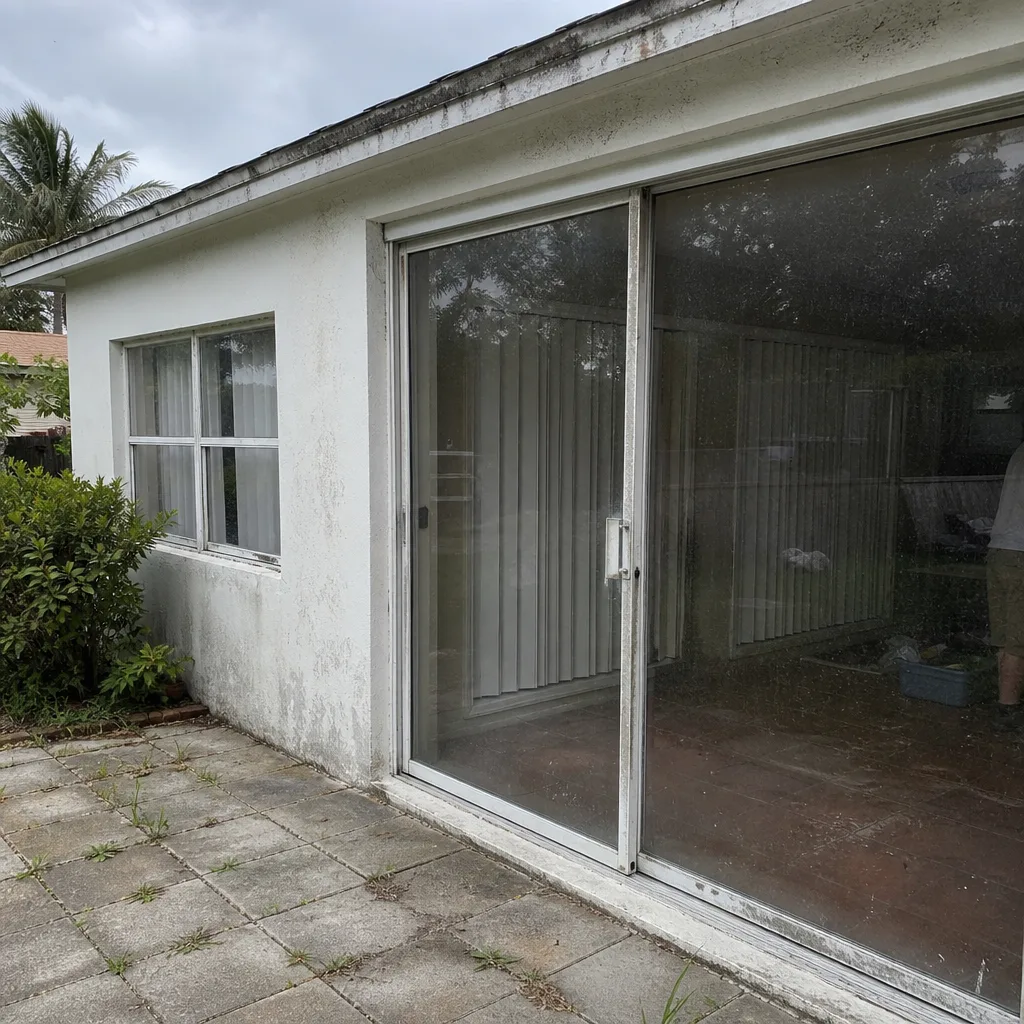 Before
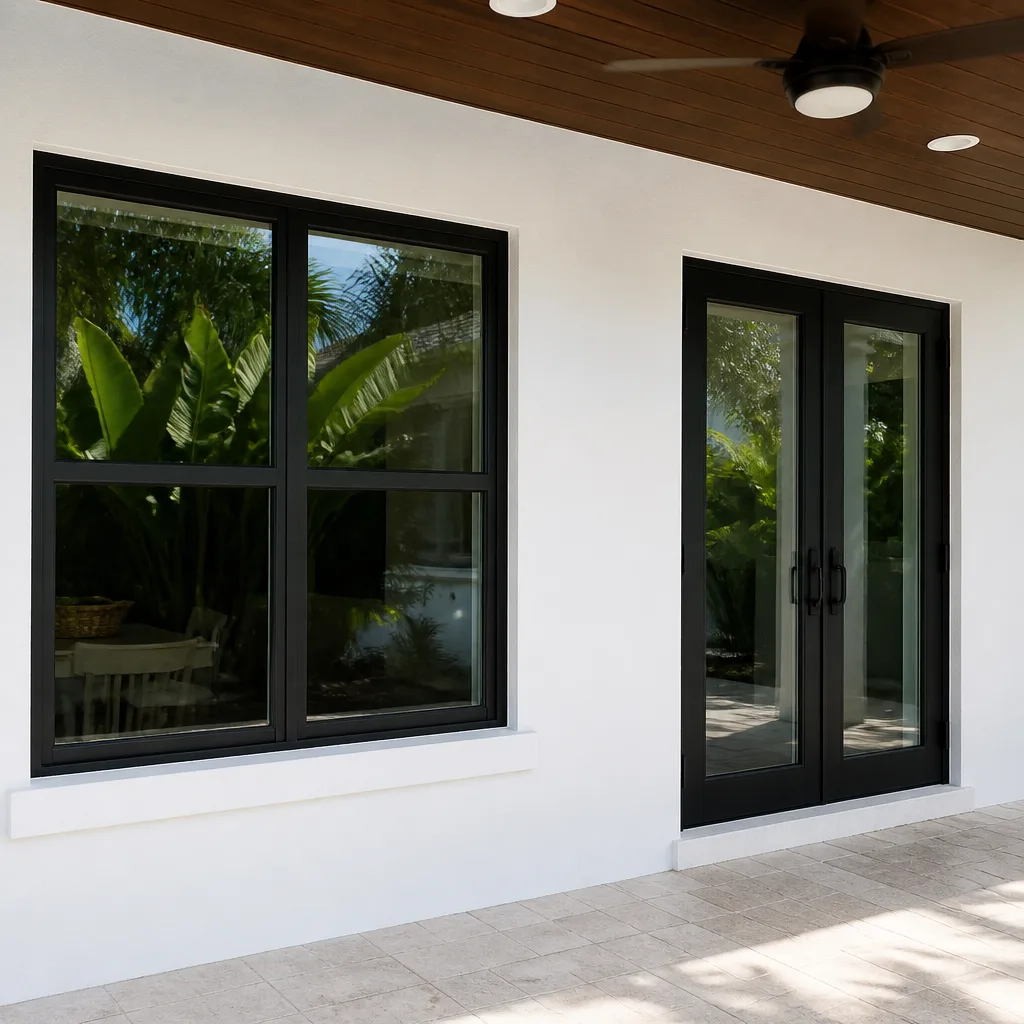
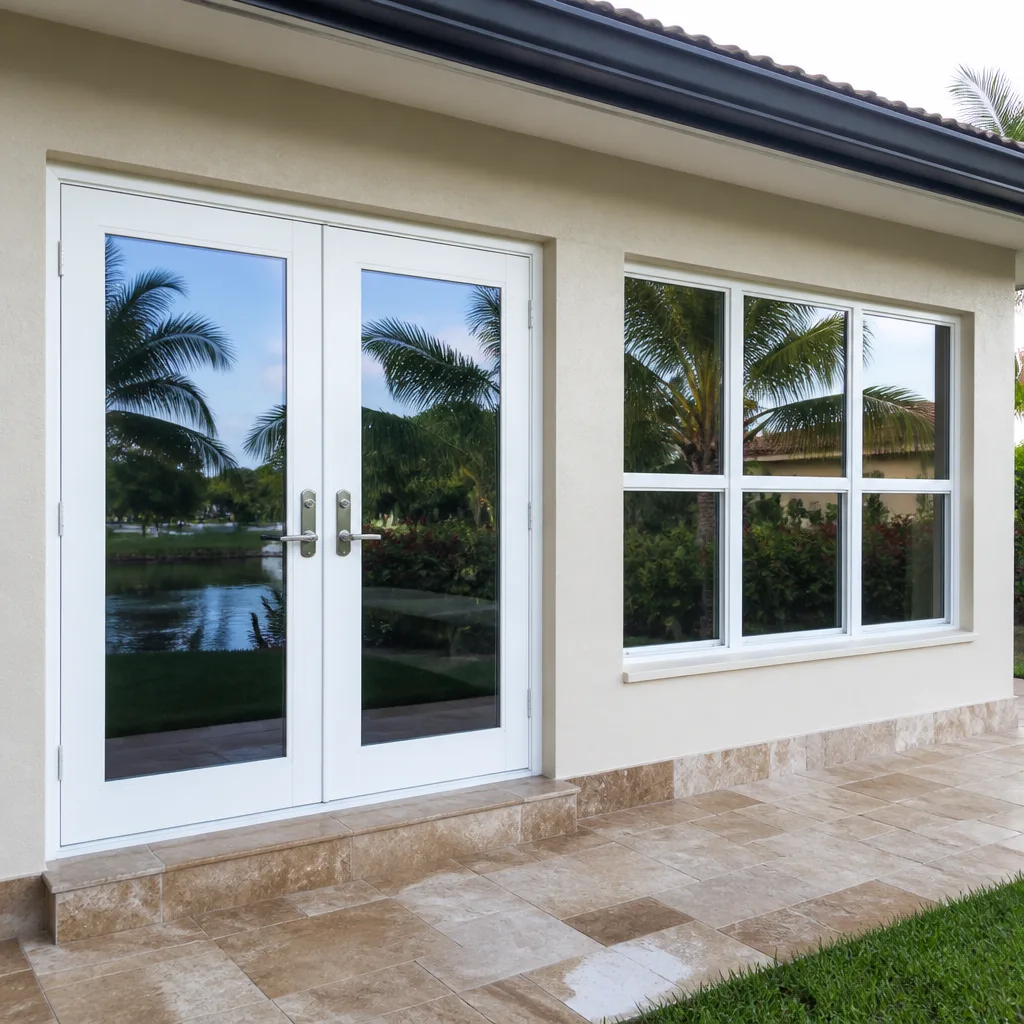 After
After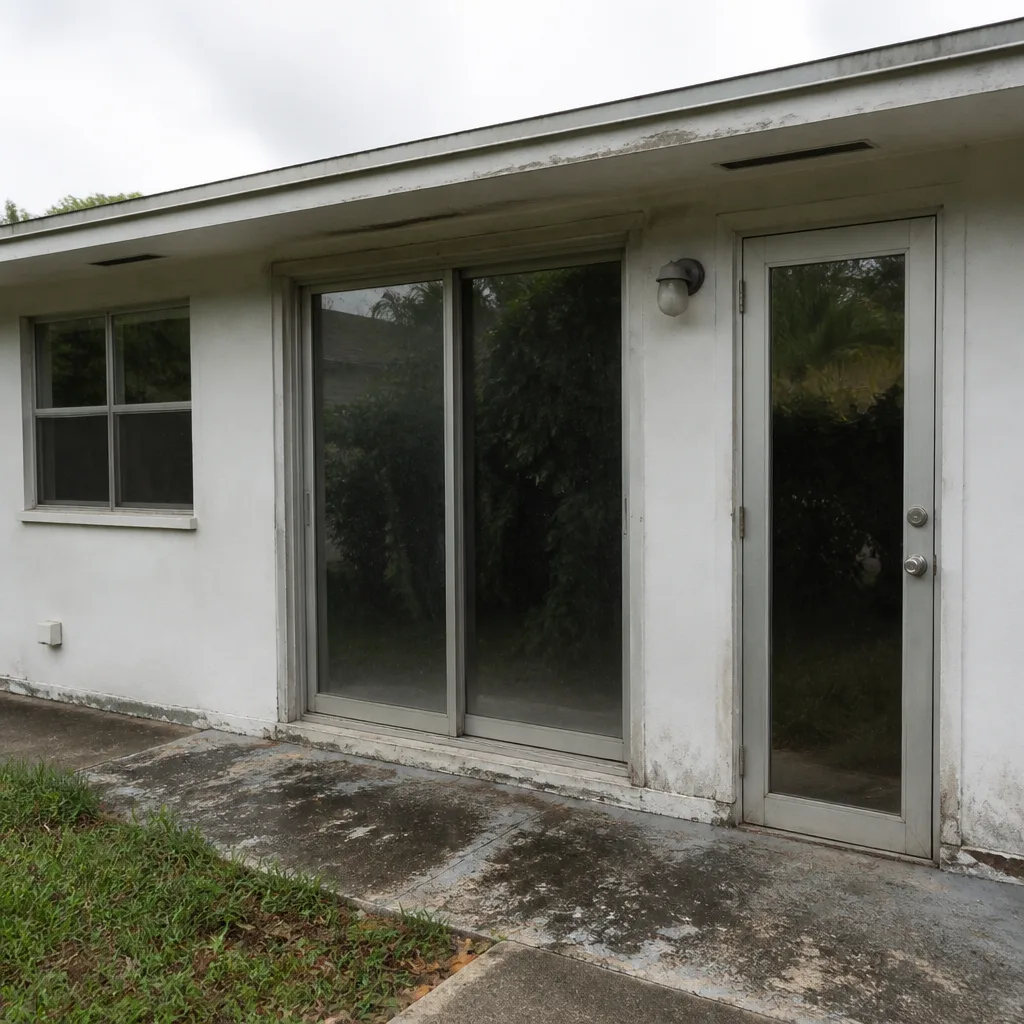 Before
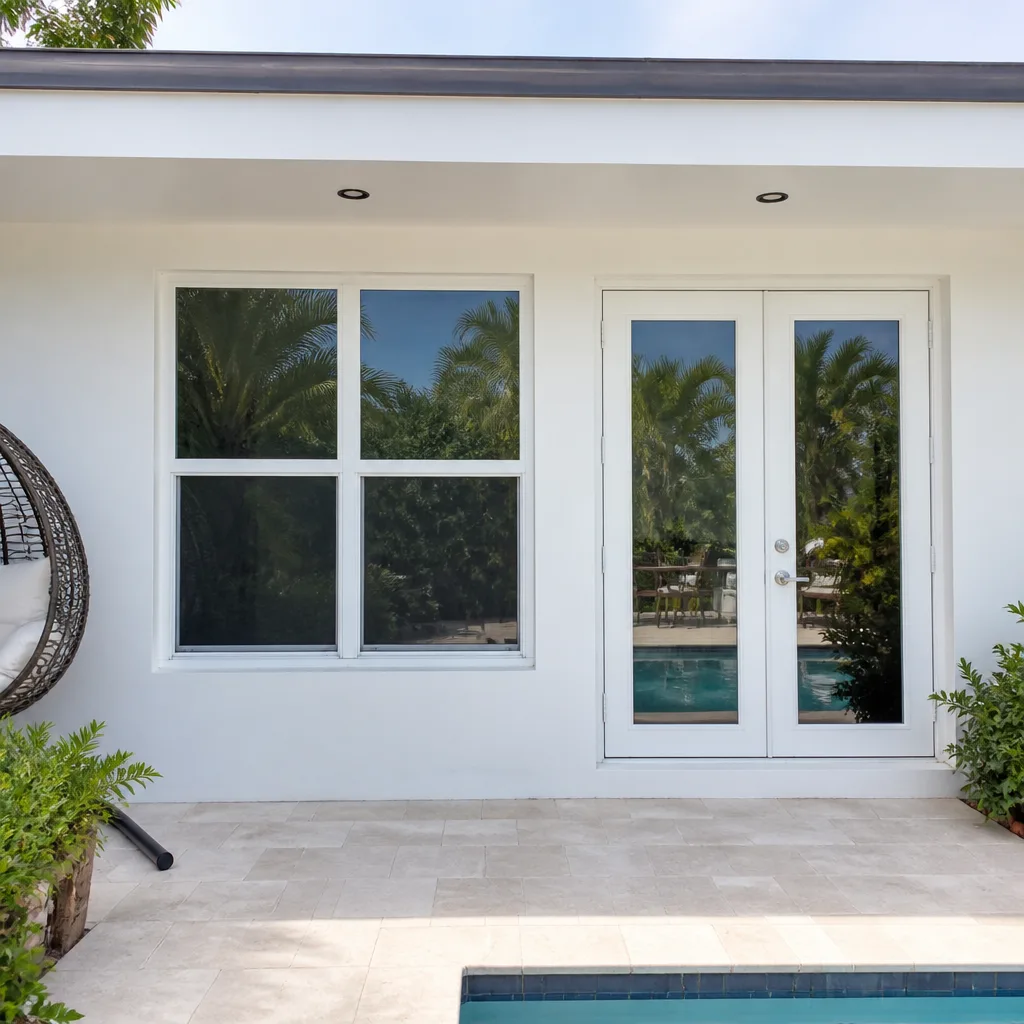 After
After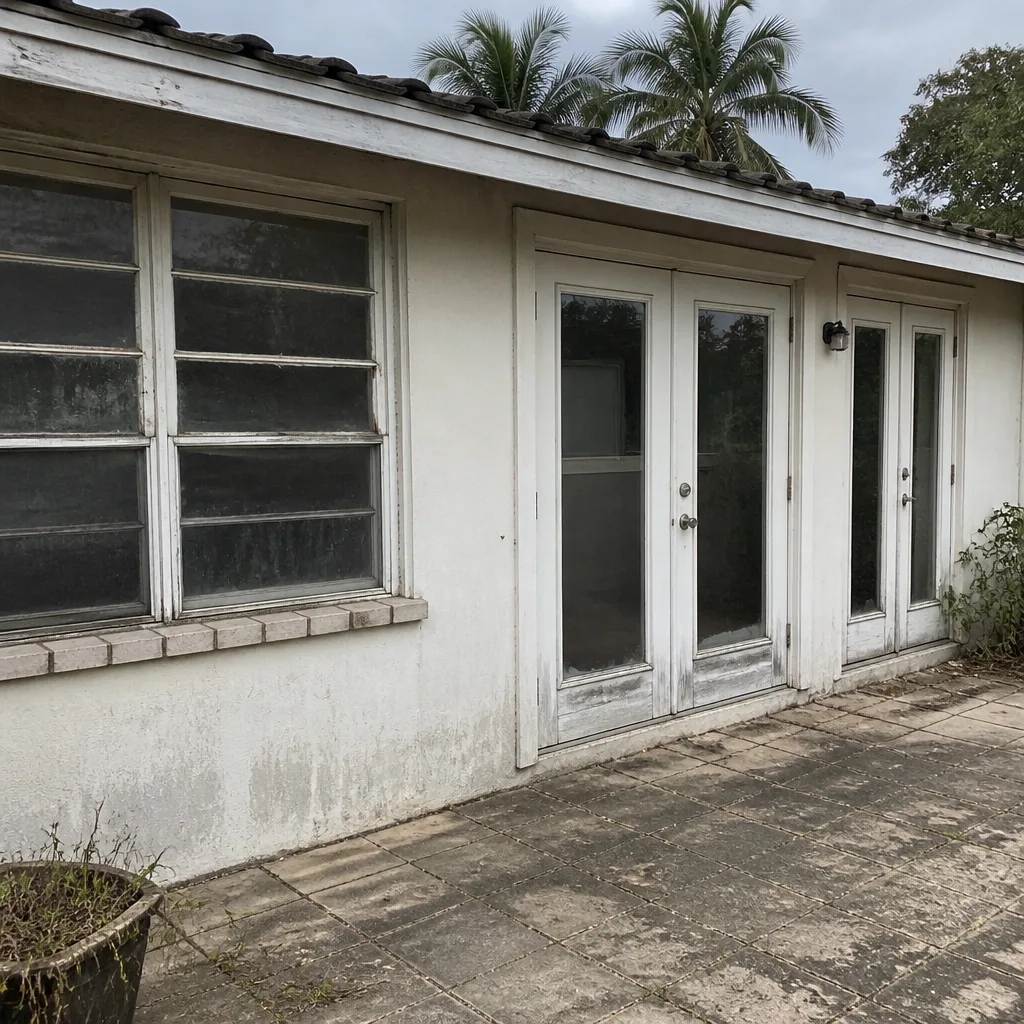 Before
 After
AfterWindows & Doors Permits, Codes & Inspections in FL: What You Need to Know
In Florida, an unpermitted window or door installation follows the property title, not the contractor who did the work. It surfaces years later as a lien, a failed title search, or a forced removal at resale, long after the installer has moved on. Miami-Dade and Broward counties maintain dual permit jurisdictions for some municipalities, meaning a job permitted at the county level may still require a separate city inspection. This guide-along with our Complete Guide to Windows & Doors in Miami-explains the permit chain, the code layers, and the inspection stages so you can protect the single largest asset you own.
Quick Answer
Window and door replacements in Florida generally require a building permit, and impact-rated products in Miami-Dade’s High Velocity Hurricane Zone must carry a valid Florida Building Code product approval that matches the specific application. The permit chain includes a Notice of Commencement for jobs over $2,500, a product approval record that stays with the property, and at least two inspection stages before a final certificate of completion is issued. Missing any link in that chain leaves the homeowner holding the liability.
Table of Contents
- The Difference Between a Building Permit and a Product Approval
- How Miami-Dade’s High Velocity Hurricane Zone Changes the Rules
- What a Notice of Commencement Is and Why You Should Record It Yourself
- The Inspection Stages for Window and Door Replacements
- How to Pull a Permit History on Your Own Property
- What Permits Cost in Florida and Who Pays for Them
- Common Mistakes to Avoid
- When to Call a Professional
- Frequently Asked Questions
- The Bottom Line
The Difference Between a Building Permit and a Product Approval
A building permit is a legal authorization from the local building department to perform work on a structure. A product approval is a certification that a specific window or door model has been tested, reviewed, and accepted for use under the Florida Building Code. They are not the same thing, and having one does not satisfy the other. A homeowner can buy an impact-rated PGT window with a valid Florida product approval and still be in violation if the installation was never permitted. Conversely, a permit can be pulled and closed while a non-approved product sits in the opening, which becomes a problem the moment an inspection or an insurance audit looks at the paperwork.
Florida Building Code Chapter 14 governs exterior windows and doors, and it cross-references the product approval system under Rule 61G20-3 of the Florida Administrative Code. The product approval is tied to the specific manufacturer, model, size range, and design pressure rating. A window that is approved for a 60-inch-by-60-inch opening is not automatically approved for an 84-inch-by-72-inch opening in the same line. In our experience in Miami, this is where contractors cut corners: they quote an approved product line, then swap in a different size or a different glass configuration that was never tested under the same conditions. The product approval lives with the property record, not with the contractor’s word.
The practical distinction matters for homeowners. When you hire a contractor, ask to see the Florida Product Approval number for the exact window or door going into your opening, not a brochure from the manufacturer. If the contractor cannot produce it, the product is not approved for that application, and the permit will fail at the rough-in inspection. TruePane registers both the permit and the product approval in writing before the truck leaves the driveway because an out-of-true install and a voided product approval are the same problem: a window that does not meet code and a homeowner who does not know it until it costs real money. See our Windows & Doors Warning Signs: A Miami Homeowner’s Reference Guide for red flags to watch for before you hire.
If you are just starting the process of shopping for replacement windows, our Window Replacement in Miami guide walks through what to look for in a product line before you ever pull a permit.
How Miami-Dade’s High Velocity Hurricane Zone Changes the Rules
Miami-Dade and Broward counties sit inside the High Velocity Hurricane Zone, or HVHZ, a designation written into the Florida Building Code that imposes wind load and impact requirements beyond the statewide standard. The HVHZ maps wind speeds of 170 to 180 miles per hour in some areas, compared with 140 to 150 miles per hour in most of the rest of the state. That means a window approved for Orlando is not automatically approved for Miami, even if it carries a Florida product approval for a lower wind zone.
The HVHZ requirements apply to every exterior opening, including interior-facing units in a condominium tower where the window is set into a concrete structure. The rationale is straightforward: if a window on the 12th floor fails, the broken glass becomes a projectile over the street below. The code treats it the same as a ground-floor window in a single-family home. Homeowners in older Miami buildings, particularly those constructed before the 1992 adoption of stricter codes after Hurricane Andrew, often discover that replacement windows must be upgraded to HVHZ-compliant products even when replacing a like-for-like opening. That is not contractor upsell; it is code.
Design pressure ratings, called DP ratings, are the number that matters inside the HVHZ. A window must meet a specific positive and negative design pressure for the building’s height, exposure, and location. A house on a canal in Coral Gables faces different wind loads than a fourth-floor unit in a mid-rise in Aventura. The product approval lists the permitted DP range, and the structural engineer or architect of record confirms the required rating. If the contractor cannot tell the homeowner the required DP for their opening, that is a red flag. We have seen windows ordered and delivered in Miami that met the right product line but failed the DP requirement by a narrow margin, and the homeowner was left holding glass that could not legally be installed.
Products from manufacturers like PGT and CGI dominate the Miami market because those lines carry extensive HVHZ approvals across size ranges. That is also why TruePane quotes manufacturer lines side by side on paper: the homeowner sees the DP rating, the product approval number, and the tested size range for each option, not just the price.
What a Notice of Commencement Is and Why You Should Record It Yourself
A Notice of Commencement, called an NOC, is a recorded document that tells the world that construction is beginning on a property and identifies the owner, the contractor, the surety, and the legal description of the property. In Florida, an NOC is required before the first inspection for any project over $2,500 in value, which covers nearly every window and door replacement in Miami. The NOC establishes the lien period: suppliers and subcontractors have 45 days from the date the NOC is recorded to serve a Notice to Owner and preserve their lien rights if they are not paid.
Most homeowners leave the NOC to the contractor, and that is a mistake. The NOC is a legal document that binds the property, not the contractor. If a contractor records the NOC incorrectly, fails to record it at all, or records it with wrong legal description, the lien protection clock either never starts or starts wrong. When the window supplier is not paid by a general contractor, the supplier can file a lien against the homeowner’s property, not the contractor’s. A correct NOC does not stop that lien, but it starts and ends the clock predictably, and it signals to the building department that the permit is active and the job is legitimate.
Recording an NOC is a straightforward process. The homeowner files the form with the county recorder or clerk of courts, pays a small recording fee, and the document becomes part of the public record. In Miami-Dade, the form is available online, and the recording fee is typically under $50. The NOC must include the permit number once it is issued, the legal description of the property, the owner’s name and address, the contractor’s name and address, and the surety information if the contractor is bonded. A homeowner who records the NOC themselves has a direct line of sight into the permit process, and they have a recorded document that protects their lien rights without depending on a contractor’s office staff.
We tell every Miami homeowner we work with to record the NOC in their own name, not to delegate it. It is a 20-minute task that protects a five-figure investment, and it is one of the few parts of the permitting process that a homeowner can control directly.
The Inspection Stages for Window and Door Replacements
Window and door replacements in Florida move through specific inspection stages, and each stage exists for a reason. The inspector is not checking for neat caulk lines at the rough-in; they are checking structural attachment and product approval compliance before the opening is sealed. Missing a stage is not a technicality. An un-inspected rough-in means the final will fail, and a failed final resets the entire permit clock.
- Rough-in inspection: This happens after the old window or door is removed and before the new unit is fully sealed and trimmed. The inspector checks the anchor system: how the frame is fastened to the structure, the spacing and type of fasteners, and whether the installation matches the product approval and the manufacturer’s installation instructions. In the HVHZ, the inspector is also looking at the sill pan flashing and the structural attachment points. If the flashing is wrong, the job stops here.
- In-progress inspection: For most window and door replacements, the rough-in is the critical stage, but some municipalities require a separate in-progress inspection for structural modifications, such as enlarging an opening or adding a new header. The inspector checks the framing, any new load-bearing members, and the connections between the new work and the existing structure before insulation or drywall covers it.
- Final inspection: The inspector verifies the completed installation, the operation of the window or door, the finished flashing and weatherproofing, and the presence of the required product approval labels. In Miami-Dade, the inspector also confirms the window carries the proper HVHZ marking, which is an etched or printed label on the glass or frame. Some manufacturers use a removable sticker; the code requires a permanent marking, and a missing sticker is a failed final.
The sequence matters. A contractor who tries to schedule a final without a rough-in will be turned away, and the permit remains open. In dual-jurisdiction municipalities where the county permits the work but the city inspects it, the homeowner must confirm which authority is scheduling which stage. A final certificate of completion from the county does not close a city inspection requirement if both are required. This is the exact gap that leaves Miami homeowners with an open permit they do not know about until a title search catches it.
How to Pull a Permit History on Your Own Property
Before hiring any contractor, a homeowner can pull a permit history on their own property, and it is free or nearly free. The record shows every permit ever pulled on the address, the status of each permit, and whether any permits remain open. An open permit on a house tells you something about prior work quality: either the contractor never closed it, the work failed an inspection and was never corrected, or the work was never permitted in the first place. None of those is a good sign, and all of them become your problem when you sell.
- Go to the building department website for your municipality or county. In Miami-Dade, the Building Department maintains an online permit search tool where a homeowner can search by address and see the full permit history.
- Enter the street address exactly as it appears on the property appraiser’s record. If the property is in a dual-jurisdiction municipality, search both the city and the county systems. A permit pulled at the county level will not appear in the city’s system and vice versa.
- Review the list for any permits marked as “open,” “not finaled,” or “expired.” An open permit means the work was never inspected and closed, which can block new permits, affect insurance, and trigger a stop-work order if you do new work on the same opening.
- If you find an open permit from a prior owner, contact the building department to determine what it takes to close it. Some can be closed by a simple inspection. Others require the original contractor to return and correct work, which may not be possible. This is one of the hidden costs of buying an older Miami home.
The permit history also tells you whether previous window work was ever permitted. If a previous owner replaced windows in 2010 and there is no permit on record, those windows are unpermitted work. The homeowner owns that problem, and it can affect everything from an insurance claim after a storm to the sale price at closing. In our experience in Miami, unpermitted window replacements from the 1990s and early 2000s are common, and homeowners often discover them only when they go to sell or file an insurance claim. For more on what a proper installation should look like, our Window Installation in Miami page covers the technical steps we follow on every job.
What Permits Cost in Florida and Who Pays for Them
Permit fees for window and door replacements in Florida are generally calculated as a flat fee per opening or as a percentage of the job value, depending on the municipality. In Miami-Dade, most window and door replacement permits fall in the $100 to $400 range for a typical single-family home job, with additional fees for plan review when structural changes are involved. The exact fee depends on the number of openings, the job valuation, and whether the municipality charges a surcharge for flood zone review or historic district review. Homeowners should expect the permit line item on a contractor’s estimate to match the actual building department fee, not a rounded number with no explanation.
The homeowner pays for the permit, either directly or as a line item on the contractor’s invoice. A contractor who buries the permit fee in the total without breaking it out is not necessarily overcharging, but you have a right to see the actual permit receipt. The permit is issued in the property owner’s name, not the contractor’s name, and it stays with the property permanently. That is another reason to pull the permit history before you buy: the permits on record are part of the property’s legal history, and they tell you whether previous work was done properly.
Some Miami homeowners try to save money by skipping the permit-sometimes through DIY installation-and that works until it does not. An unpermitted window installation can trigger a stop-work order if a code enforcement officer sees the work, a failed insurance claim if a storm damages the window and the insurer asks for the permit, and a forced removal at resale if the buyer’s lender requires a clean permit history. The permit costs a few hundred dollars. The correction after the fact costs thousands, and some insurance carriers will deny a claim outright for unpermitted work that contributed to a loss. A square deal means the permit is in the written estimate, paid, pulled, and closed.
Common Mistakes to Avoid
- Skipping the permit because “it’s just a window.” Florida code treats exterior openings as structural elements, not trim work. An unpermitted window replacement is code enforcement bait, and it follows the title through every sale until it is corrected.
- Assuming the product approval covers every size. A product approval is tied to specific size ranges and DP ratings. A contractor who quotes an approved PGT or CGI line and then installs a size outside the tested range has installed an unapproved product, and the final inspection will fail.
- Letting the contractor handle the Notice of Commencement without verifying it was recorded. If the NOC is never recorded or recorded wrong, the lien clock never starts correctly, and a supplier can come after the homeowner months later. Pull the recorded copy yourself.
- Trusting a county permit to close a city inspection in a dual-jurisdiction municipality. Some Miami area cities operate their own building departments. Confirm the final certificate of completion comes from the authority that actually inspects the work.
- Buying a home without checking the permit history. An open or missing permit on prior window work becomes your problem the day you close. The permit search is free, and the fix later is not.
- Hiring a contractor who cannot name the required DP rating for the opening. In HVHZ territory, the design pressure rating is not optional information. A contractor who cannot tell you the number does not know what they are installing.
- Paying for the job in full before the final inspection passes. The final inspection is the legal close of the permit. Contractors who collect full payment before closing the permit have no financial reason to come back if it fails.
When to Call a Professional
Call a professional when the work involves structural openings, impact products, or any window or door in the High Velocity Hurricane Zone. This is not a handyman project. A window that is not anchored to the correct design pressure will fail in a storm, and the failure is violent. The same goes for any installation where the existing framing is rotted, the opening is out of square, or the product approval does not match the structure. These are the jobs where the permit chain does its work: it forces the contractor to document what was installed, how it was anchored, and who approved it. TruePane Windows & Doors offers free estimates in Miami, and we walk every homeowner through the permit, the product approval, and the inspection sequence before any work starts. Call (561) 956-2754 and a live person will answer, day or night.
Frequently Asked Questions
Yes, in nearly every municipality in Florida a building permit is required to replace a window or exterior door, including like-for-like replacements. The permit is issued in the property owner’s name and stays with the property permanently. Call (561) 956-2754 for an exact quote on your job; estimates are free.
A building permit authorizes the work to be performed on the structure; a product approval certifies that the specific window or door model has been tested and accepted under Florida Building Code for the application. Both are required, and having one does not satisfy the other. Call (561) 956-2754 if you need help checking a product approval on a window you are considering.
Most window and door replacement permits in Miami-Dade fall in the $100 to $400 range for a typical single-family home job, depending on the number of openings and the job valuation. The permit fee is a line item you are entitled to see in writing. Call (561) 956-2754 to have your specific job priced with the permit broken out.
The unpermitted work becomes the current owner’s legal responsibility. It can block new permits, trigger an insurance claim denial, and hold up a sale until it is corrected through a retrofit permit and inspection. The permit history is public record and free to search. Call (561) 956-2754 if you need a professional to assess retrofit options.
Yes, impact windows in Miami-Dade’s HVHZ require a rough-in inspection where the inspector checks the anchoring, the product approval label, and the design pressure rating before the opening is sealed. A missing permanent product label fails the final. Call (561) 956-2754 to schedule a free estimate on impact window work.
Yes, a homeowner can pull a permit as the owner-builder, but you then assume direct liability for code compliance on the work, and you cannot delegate that liability to a contractor who did the work under your permit. Most homeowners are better served by a licensed contractor who pulls the permit in the company’s name and carries the license and insurance that back it. Call (561) 956-2754 to talk through the right approach for your job.
The Bottom Line
The permit chain in Florida is not paperwork. It is the documentation that proves your windows and doors are installed to code, with approved products, under a permit that closes cleanly. When that chain breaks, the homeowner absorbs the cost, the lien, the insurance denial, or the title problem. Miami-Dade’s HVHZ rules add a layer that makes product approval and design pressure ratings non-negotiable. Pull the permit history before you buy. Record the NOC yourself. Confirm the product approval matches the exact opening. Require the inspections to close. These are the steps that protect a five-figure investment, and they are the same steps we follow on every job because if the pane is not true, the job is not done. For more guides & resources, visit our blog.
For more on how TruePane Windows & Doors home approaches every project, or to understand what goes into Impact Windows in Miami, we invite you to call and talk to a real person. We have been serving Miami area homeowners for over 42 years through the craft tradition Dale Kessler started, and we will still be here to answer the phone if something goes wrong.
Call (561) 956-2754 to schedule your free estimate. We stand behind it.
Written by Dale Kessler, Owner at TruePane Windows & Doors, serving Miami since 2008.
Six Reasons Homeowners Choose TruePane Windows & Doors
Impact systems engineered to design pressures up to +/-100, matched to your wind zone - your openings hold when the storm arrives.
Low-E insulated impact glass from our manufacturer lines commonly cuts monthly cooling bills 20-30%.
Laminated impact glass shuts out up to 40% of outside noise - traffic, neighbors, weather.
Monitoring services run $30-90 a month. Laminated impact glass resists forced entry around the clock, with no subscription.
Florida homeowners average around 25% savings on the windstorm portion of their policy after protecting every opening - some homes qualify for more.
A full impact package upgrades curb appeal, buyer confidence and appraised value in one project.